Category: Human Rights & Humanitarian Aid
-
Use of Aid After the 2023 Turkey–Syria Quake
– Was international aid provided after the Turkish–Syrian earthquake used appropriately? – Despite substantial funding, centralised administration in Turkey and authoritarian control in Syria led to political interference, weak oversight, and selective allocation, limiting effective distribution of aid. – Strengthened monitoring, local participation, and conditional donor coordination are crucial to preventing politicisation of aid and…
-
Accountability and Corruption in Humanitarian Aid
Main question: How can humanitarian aid stay efficient while preventing corruption? Argument: Strong, system-wide accountability, coordination, and community feedback reduce corruption risks in crisis response. Conclusion: Accountability and rapid action are compatible; investing in adaptive oversight and participation protects aid integrity and ensures assistance reaches those in need.
-
When Aid Becomes a Weapon
1. Does the long-standing belief that independent, international agencies are best suited to deliver humanitarian assistance still hold today? 2. Aid approaches in Myanmar should emphasise locality rather than neutrality. 3. The presence of a repressive military junta and numerous insurgency groups mean that traditional methods of aid distribution face many barriers to success. Hence,…
-
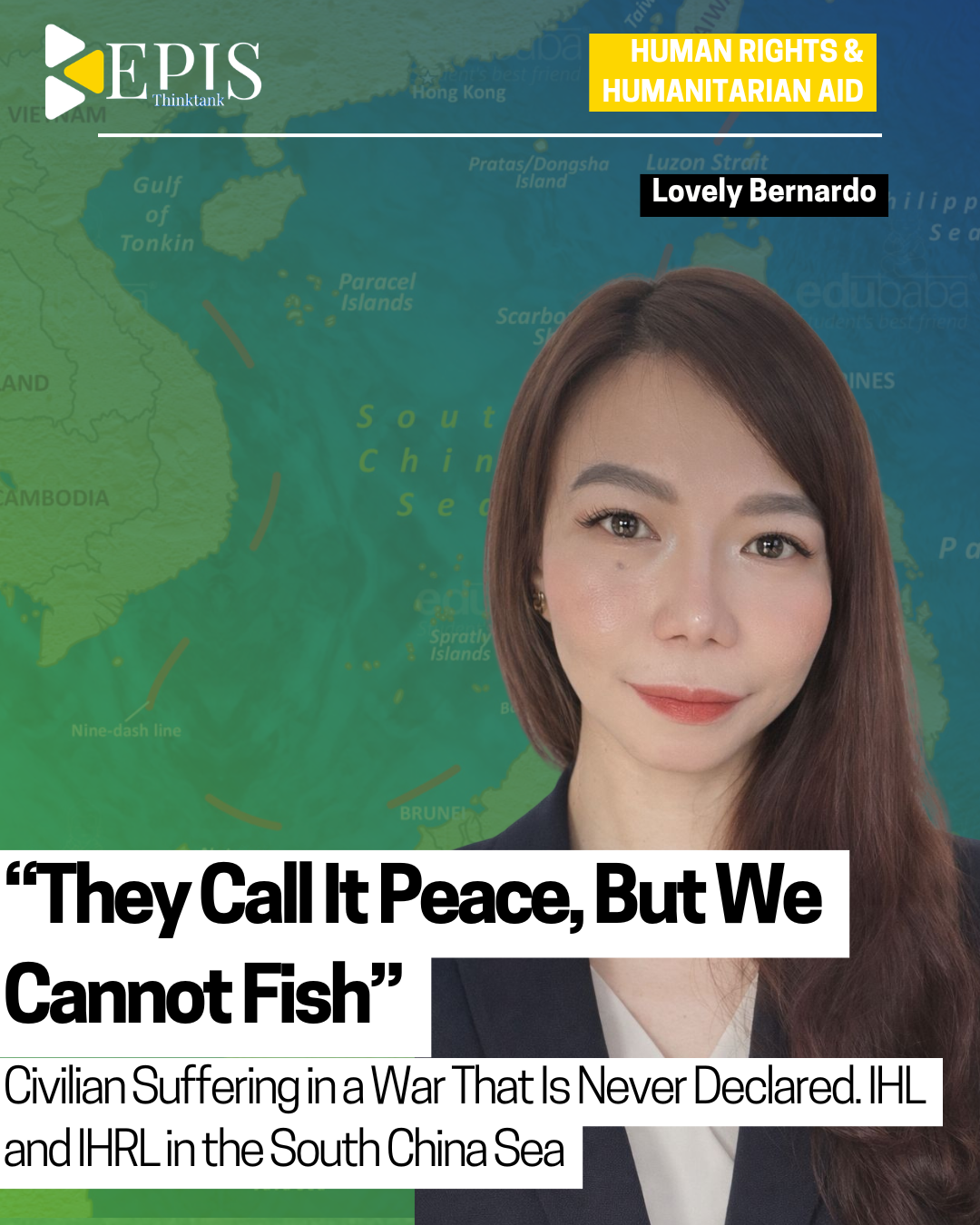
“They Call It Peace, But We Cannot Fish”
1.Does sustained, non-kinetic maritime coercion in the South China Sea generate legal obligations under international humanitarian and human rights law despite the absence of declared war? 2.China’s effective control over access to Scarborough Shoal reshapes Filipino fishermen’s livelihoods, triggering protective duties under IHL, human rights law, and UNCLOS. 3.Civilian harm exists below the threshold of…
-
Hidden Corruption in Supply Chains
-Main question: Why does corruption persist in global supply chains despite existing international standards and corporate compliance tools? -Argument: Structural governance gaps, information asymmetries and fragmented regulation enable systemic, network‑based corruption that escapes traditional controls. -Conclusion: Only coherent frameworks combining transparency, risk‑based due diligence and legal harmonisation can close these governance gaps.
-
On Exile And Expertise:
How can the Syrian diaspora be effectively mobilised to support post-Assad reconstruction without repeating past pitfalls? Diaspora engagement offers valuable skills and social capital, but externally imposed approaches risk elite capture and legitimacy backlash. A demand-driven, locally anchored, transparent platform enables diaspora contributions while avoiding instrumentalisation, working towards inclusive and effective reconstruction.
-
China and Human Rights Protection in Ethiopia
This article asks to what extent China’s principle of non-interference contributes to the weakening of international human rights pressure in Ethiopia. It argues that China’s extensive economic investments, creditor leverage, and diplomatic support, without governance or human rights conditions, reduce Western influence and limit accountability. Further Western engagement and support for Ethiopian civil society is…
-
Who Delivers Humanitarian Aid When Europe Cannot?
– Who delivers humanitarian aid in Europe when NGOs face funding cuts and regulatory hurdles? – Shrinking budgets, complex compliance rules, and rising operational risks have pushed professional NGOs to the margins, leaving informal volunteers to fill critical gaps without legal or financial protection. – Reliance on informal actors exposes structural fragility; Europe must reform…
-
Iran’s Protests
Was January 2026 a turning point in Iran’s political trajectory? This article argues that the combination of economic collapse, moral outrage, and overt rejection of regime legitimacy represents a decisive shift in Iranian dissent, even as opposition fragmentation and security cohesion constrain outcomes. As a result, prolonged instability narrows the regime’s strategic options and accelerates…
-

Post-Election Human Rights Violations in Tanzania
To what extent do post-election events in Tanzania constitute violations of international human rights law? Evidence from international organisations and civil society indicates breaches of the rights to life, liberty, due process, expression, and political participation. Facts suggest serious non-compliance with binding legal obligations, requiring independent investigation under international standards.