Category: International Relations & Diplomacy
-
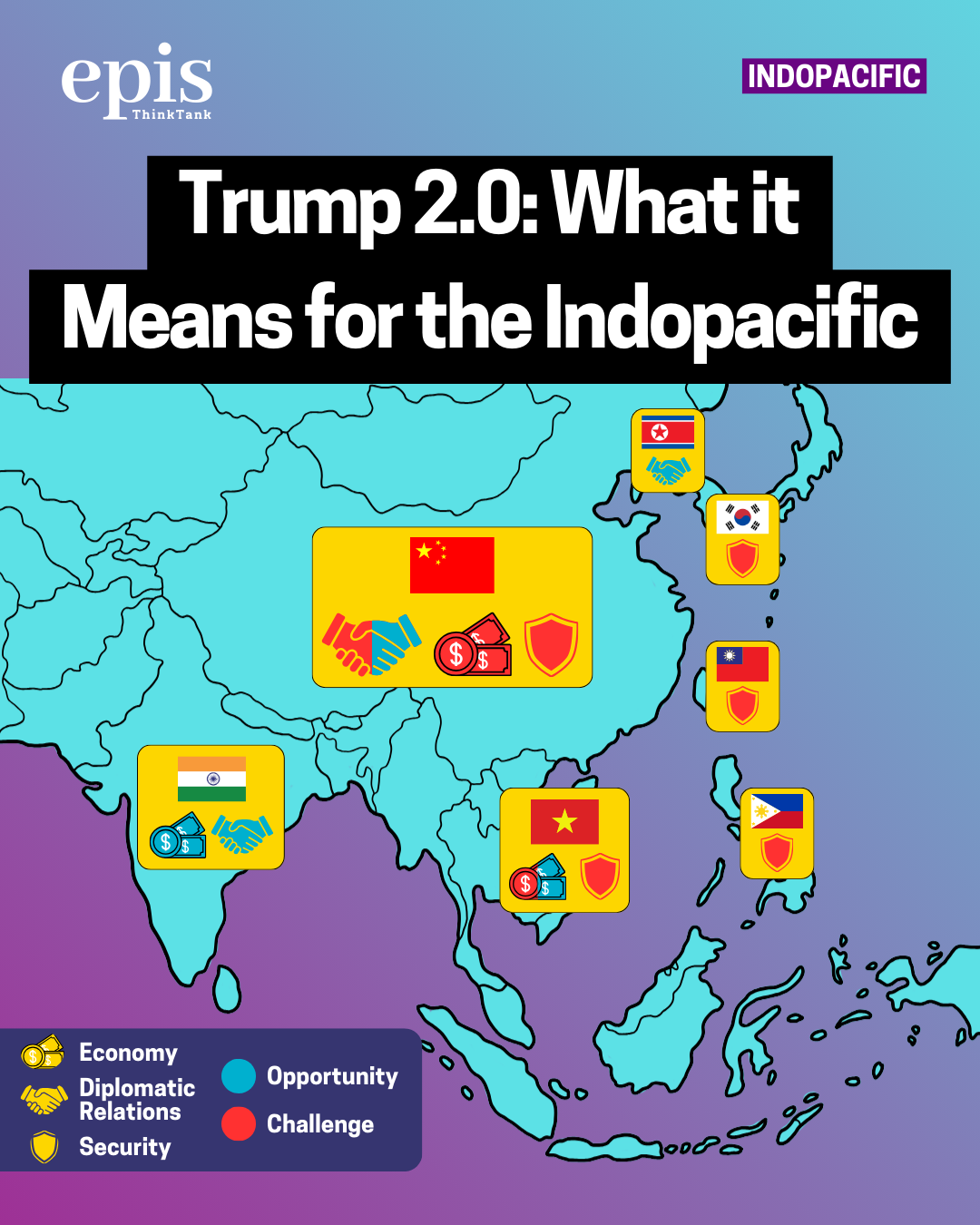
Trump 2.0: What It Means for the Indo-Pacific
1) What are the implications of Trump’s presidency for the Indo-Pacific? 2) Trump’s second term brings a mix of challenges and opportunities for the Indo-Pacific region, with implications for economy, security, and diplomatic relations 3) As Trump’s administration unfolds, countries in the region will need to adapt to his transactional approach and navigate the uncertainty…
-
The Fall of Assad: A Turning Point for Development
What do the evolving events in Syria mean for local and regional development? Bashar al-Assad’s downfall marks a critical juncture that must precede institutional change for economic, political and social progress to take root in Syria and the Middle East. While much remains uncertain, it is important that the existing institutions are dismantled to create…
-
Hostage-Taking as a Weapon Against Western Democracies
Hostage-taking is a tactic used by autocracies like Iran to pressure Western democracies. The 2024 detention of Italian journalist Cecilia Sala illustrates this strategy. Her arrest, linked to the capture of Iranian businessman Mohammad Abedini, was seen as political leverage. Though diplomatic efforts led to her release, the growing use of hostage diplomacy highlights the…
-

Redefining Global Polarity
The ongoing Russia-Ukraine war has accelerated the decline of Western dominance, highlighting the limits of unipolarity. As rising powers like China, India, and nations in the Global South assert their influence, the global order is increasingly shifting toward multipolarity. The West’s waning ability to shape consensus, coupled with growing military constraints, signals the start of…
-
Hungary and Romania in The Schengen Moment
The fall of the Hungary-Romania border with Romania’s Schengen accession marks a historc step towards deeper European integration, offering new opportunities for collaboration and mobility. However, the border remains a psychological and symbolic divide shaped by decades of political tension, cultural differencesm and shared, yet contested, histories. The Treaty of Trianon, nationalist policies, and mutual…
-
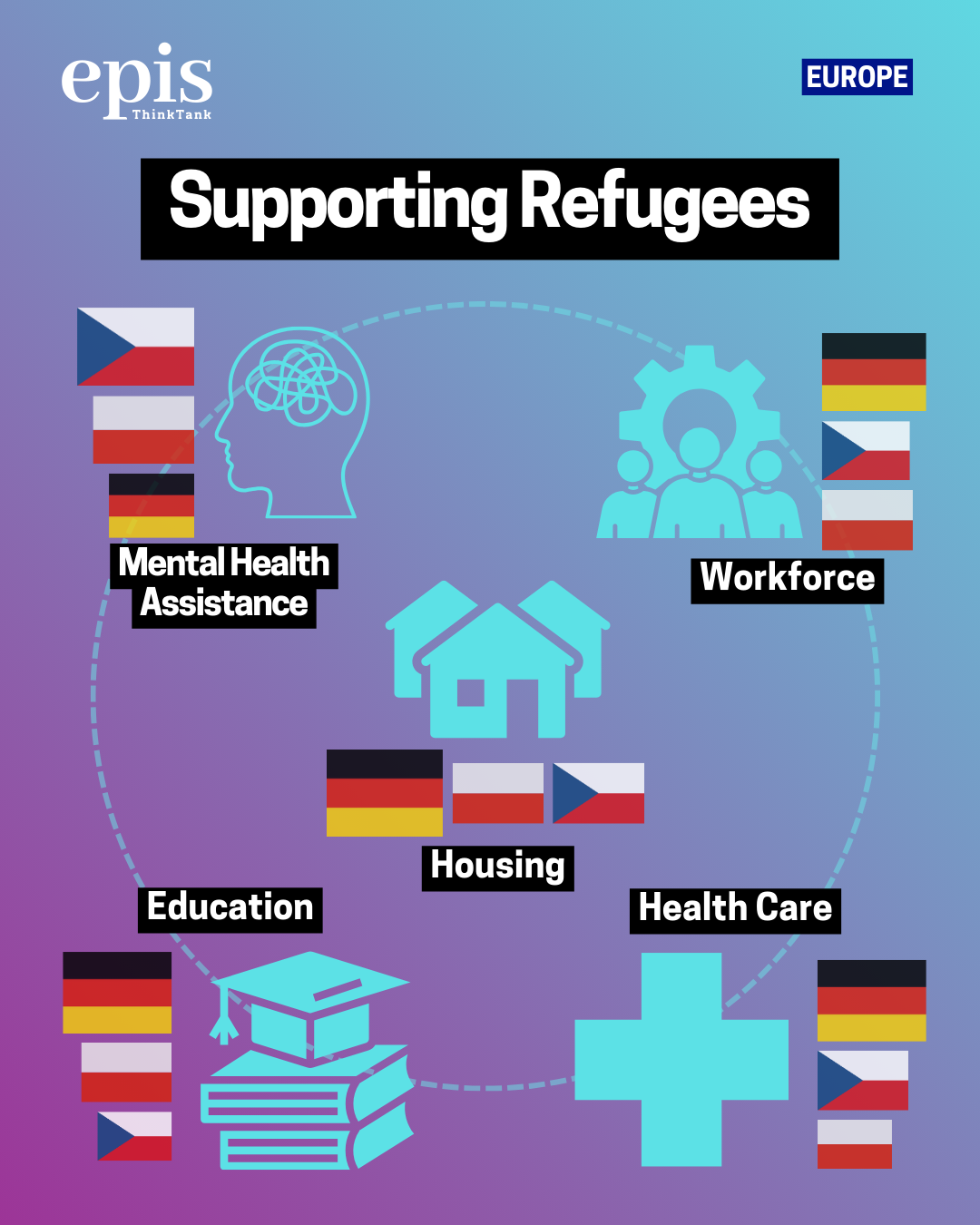
Supporting Refugees: Germany, Poland, Czech Models
How do Germany, Poland, and the Czech Republic approach the integration of Ukrainian refugees, and what factors shape their strategies? Germany focuses on long-term integration through education and workforce programs, Poland prioritizes immediate humanitarian aid, and the Czech Republic uses cost-effective solutions like language training. These strategies reflect each country’s resources and priorities, balancing urgent…
-
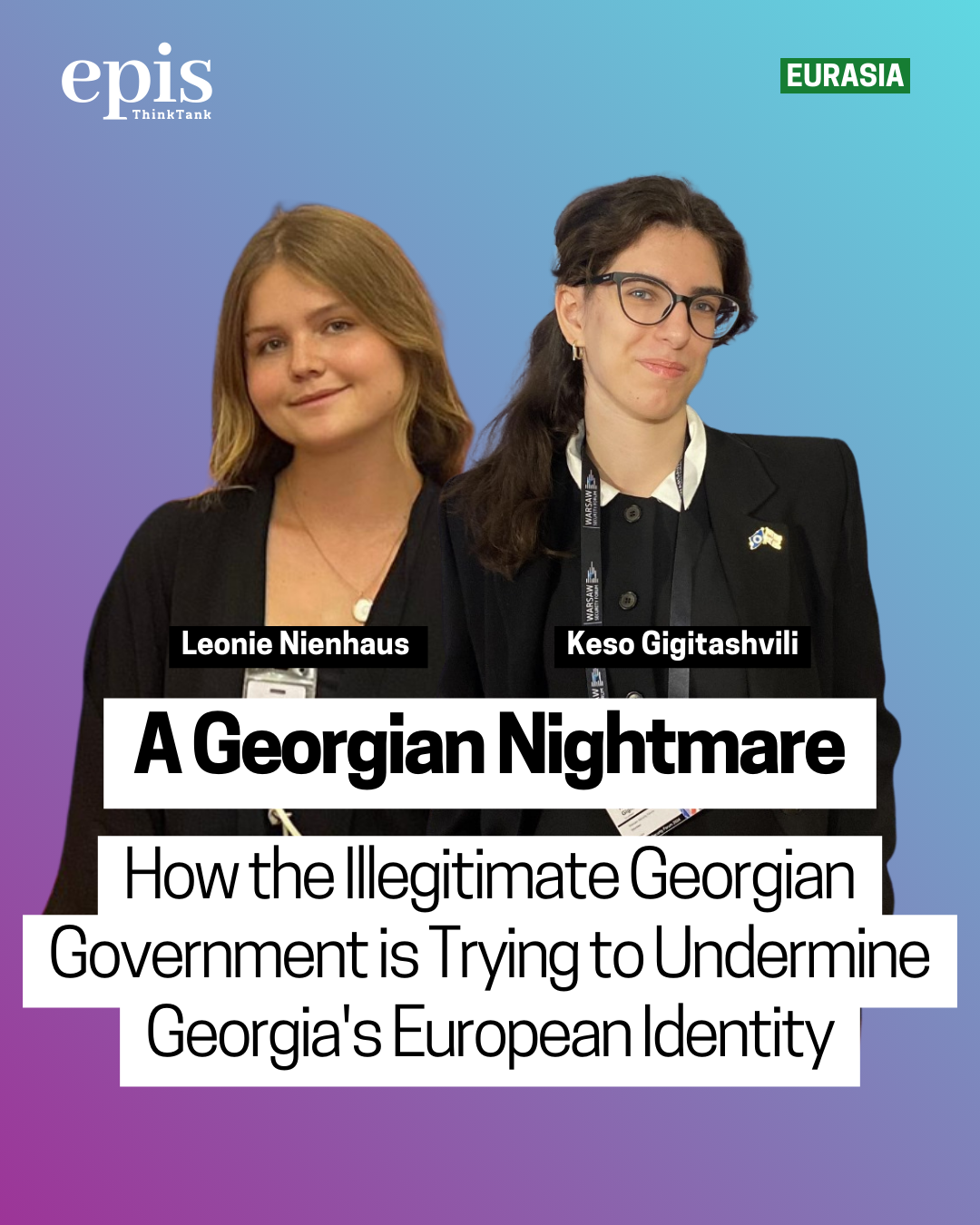
A Georgian Nightmare
1. Georgia is at a brink of an abyss, with the, the illegitimate Georgian Dream government consolidating their power through rigged elections, pro-Russian laws, and severe suppression of the European identity of Georgians 2.Mass protests erupted after halting EU accession. The government’s violent crackdown led to over 400 arrests and brutality toward protesters and journalists.…
-
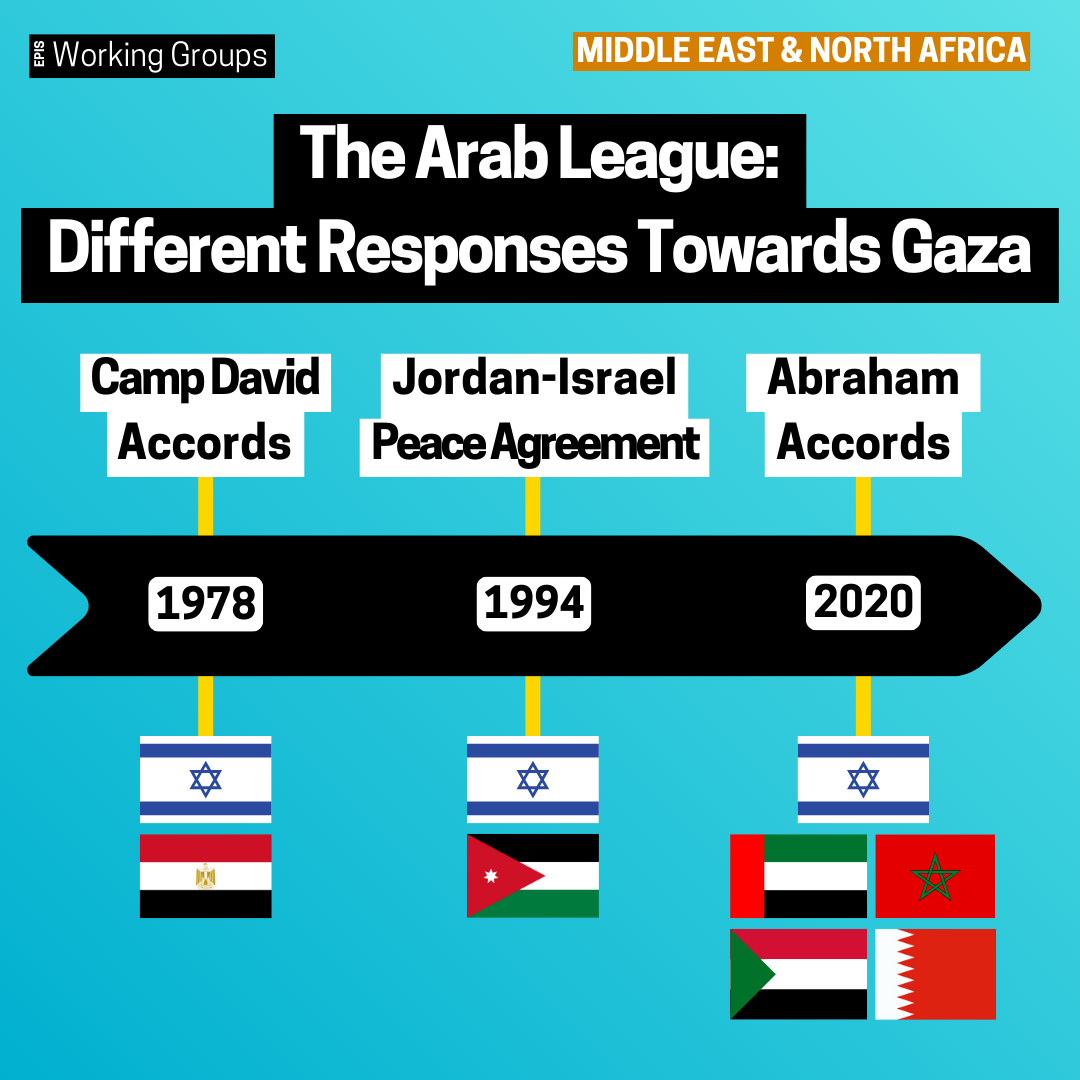
The Arab League: Different responses towards Gaza
In its statements, the Arab League strongly supports Palestinian civilians and condemns Israel for its crimes.Why there are internal divisions over the use of an oil embargo against Israel and joint material support for Palestine ?Because of these differences, the Arab League is struggling to find a consensus to take effective measures to help Palestine.This…
-
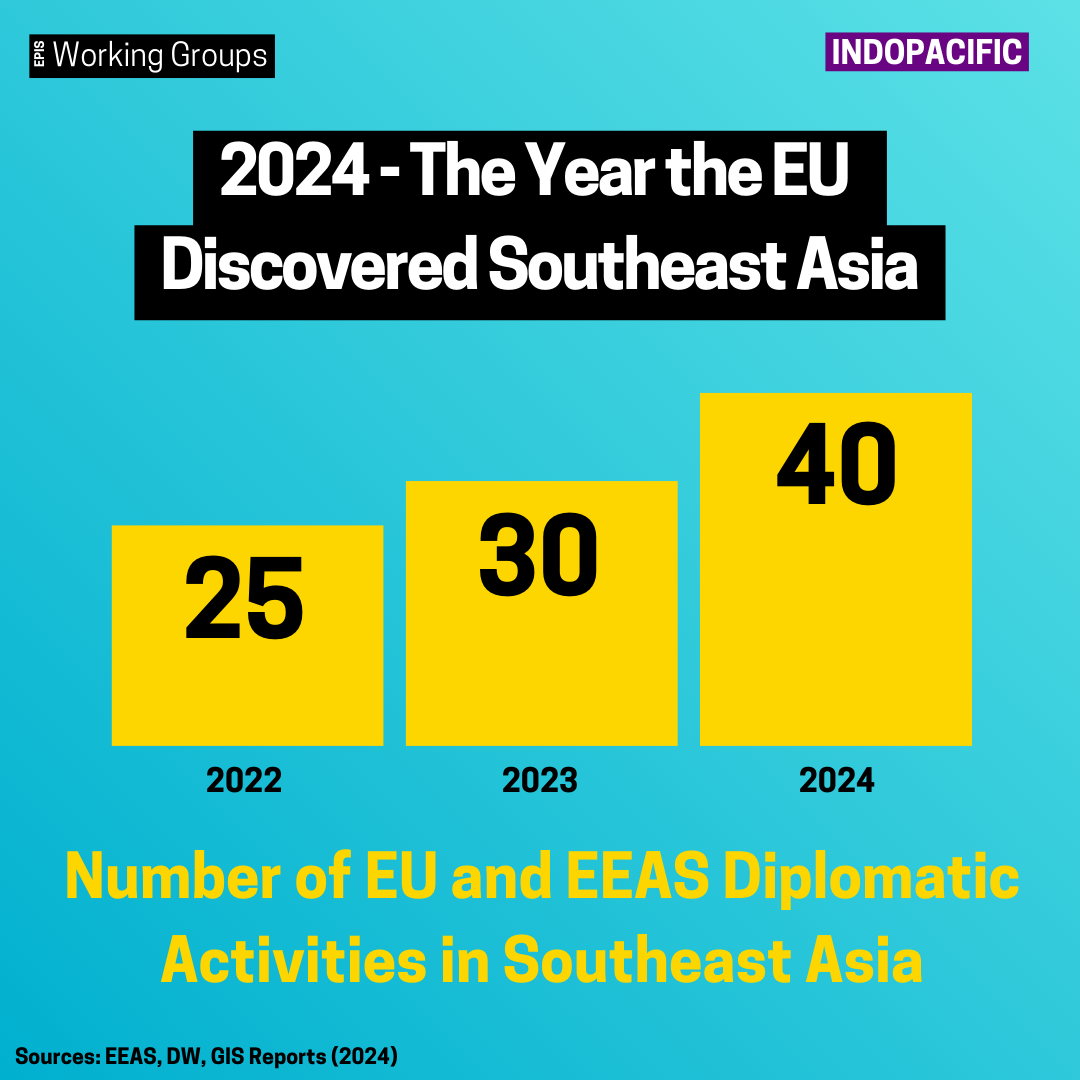
2024 – The Year the EU Discovered Southeast Asia
The EU has increased focus on Southeast Asia in its global strategy. The EU and ASEAN launched the €9.3 million SCOPE program for research and mobility. Southeast Asia’s strategic importance offers the EU a chance to expand its influence.
-
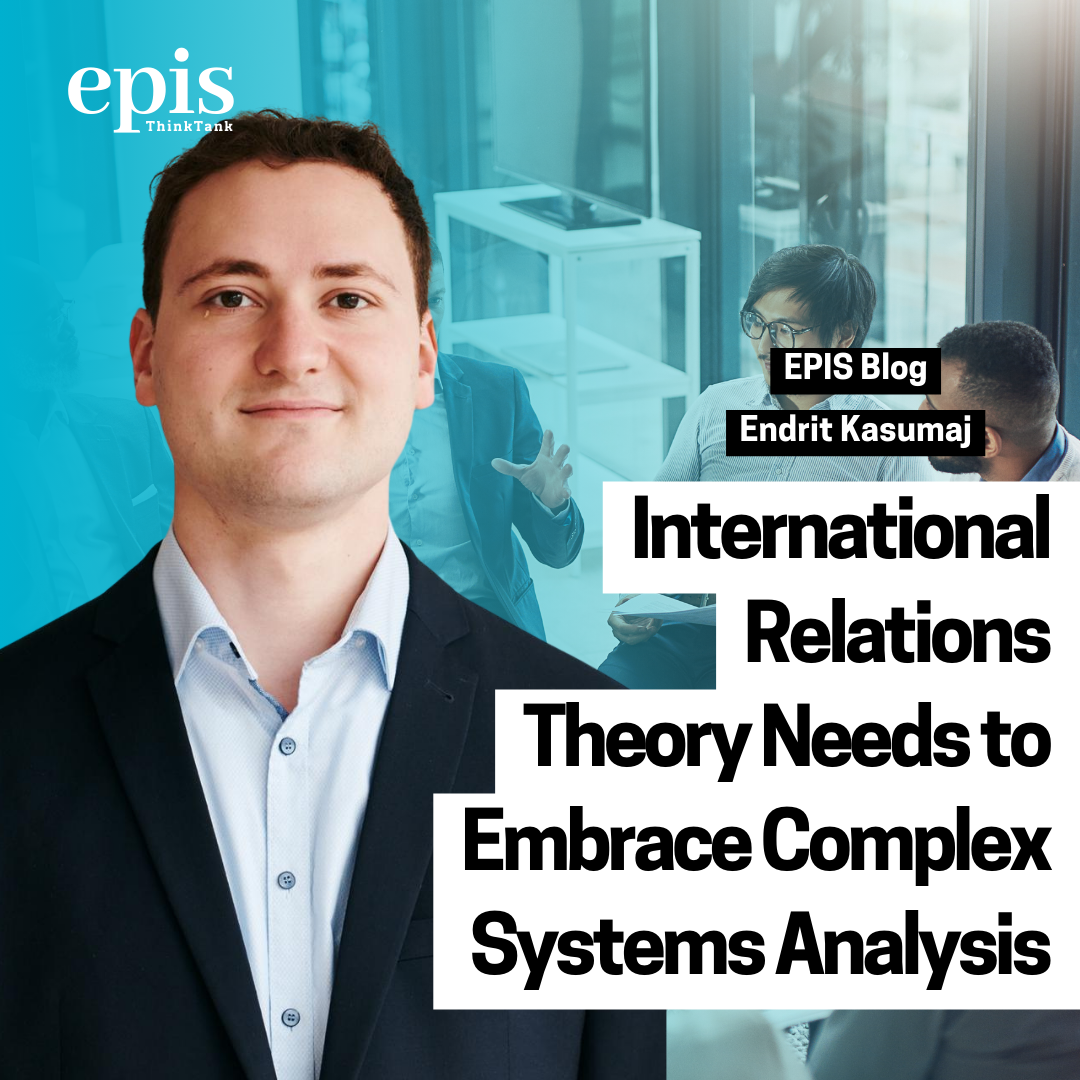
Politics and Complexity
How can structural factors and complex systems analysis enhance our understanding of political instability? Traditional theories like realism and Marxism fail to capture the multifactorial dynamics of political systems. Structural Demographic Theory offers a superior framework by examining demographics, elite interactions and state legitimacy through feedback mechanisms. By applying SDT, policymakers gain a powerful tool…