Category: International Relations & Diplomacy
-

France’s Diplomatic Future in a Shifting World
Didier le Bret reflects on his career shaped by crises from post-Soviet transitions to the Haiti earthquake. He argues that France must combine credibility, sovereignty, and diplomacy to remain globally relevant. His call: Europe must engage the Global South and reclaim multilateralism to ensure lasting peace and equity.
-
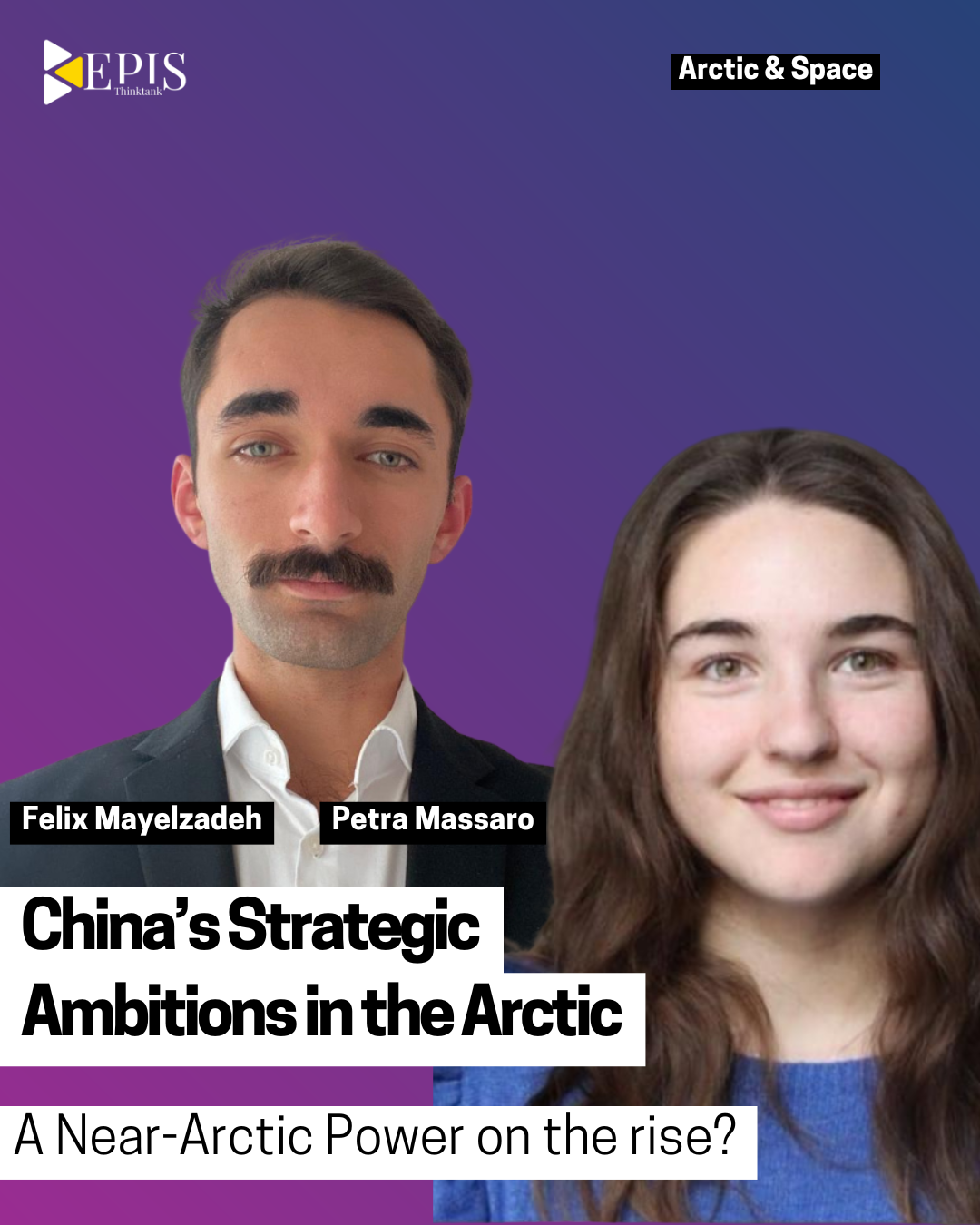
China’s Strategic Ambitions in the Arctic
In this brief, we ask what China’s strategic ambitions are in the Arctic and by what means they are being pursued. We argue that China is pursuing an expansive foreign policy and is gaining influence in the Arctic, particularly through financial investment. We come to the conclusion that China is positioning itself as a long-term…
-
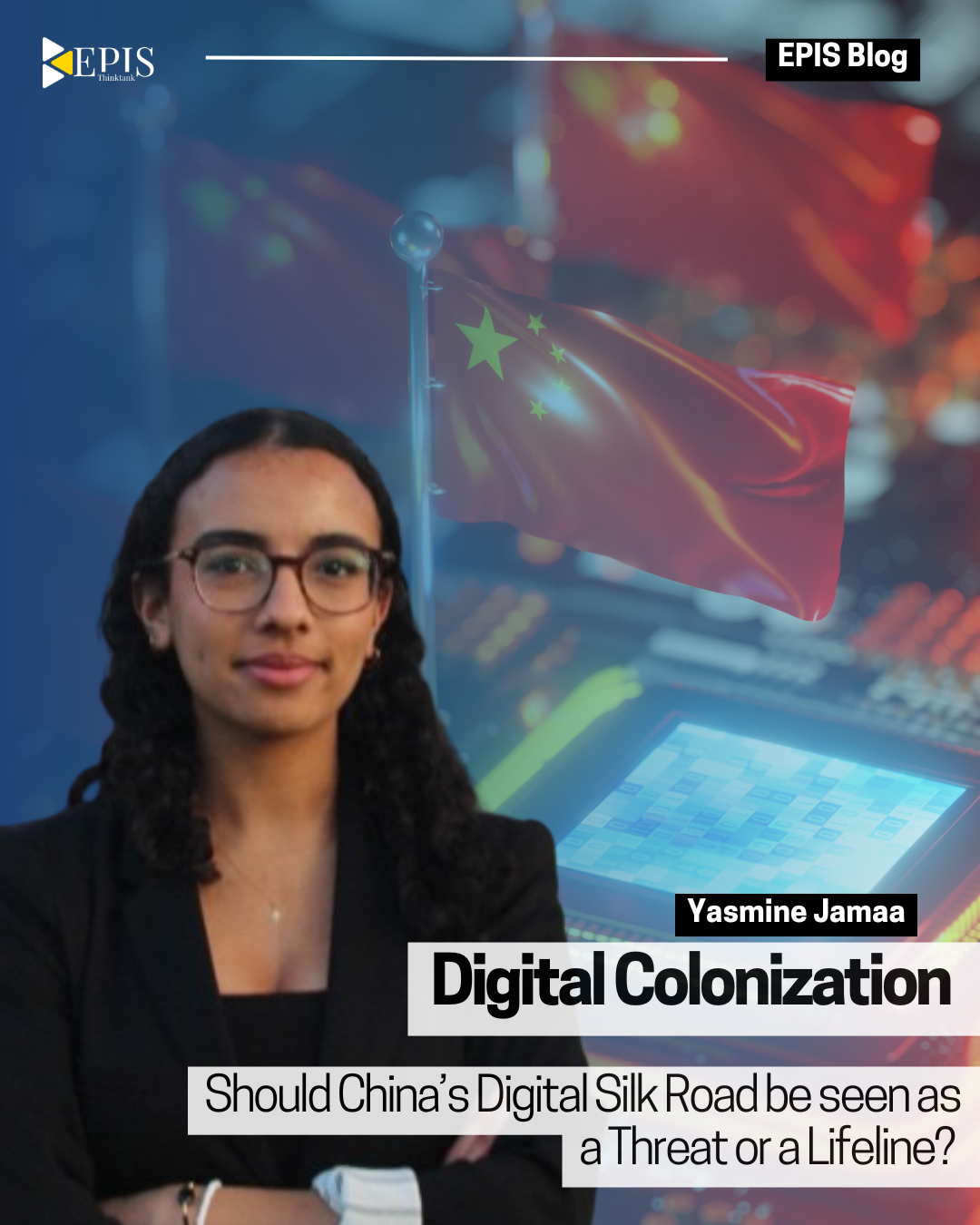
Digital Colonization
1. Is China’s Digital Silk Road (DSR) a threat to national sovereignty or a lifeline for digital development? 2.The DSR initiative has two sides: it gives developing nations an opportunity for digital empowerment but also fosters long-term strategic dependencies 3.The Digital Silk Road is neither a trap nor a gift, but a two-edged sword that…
-
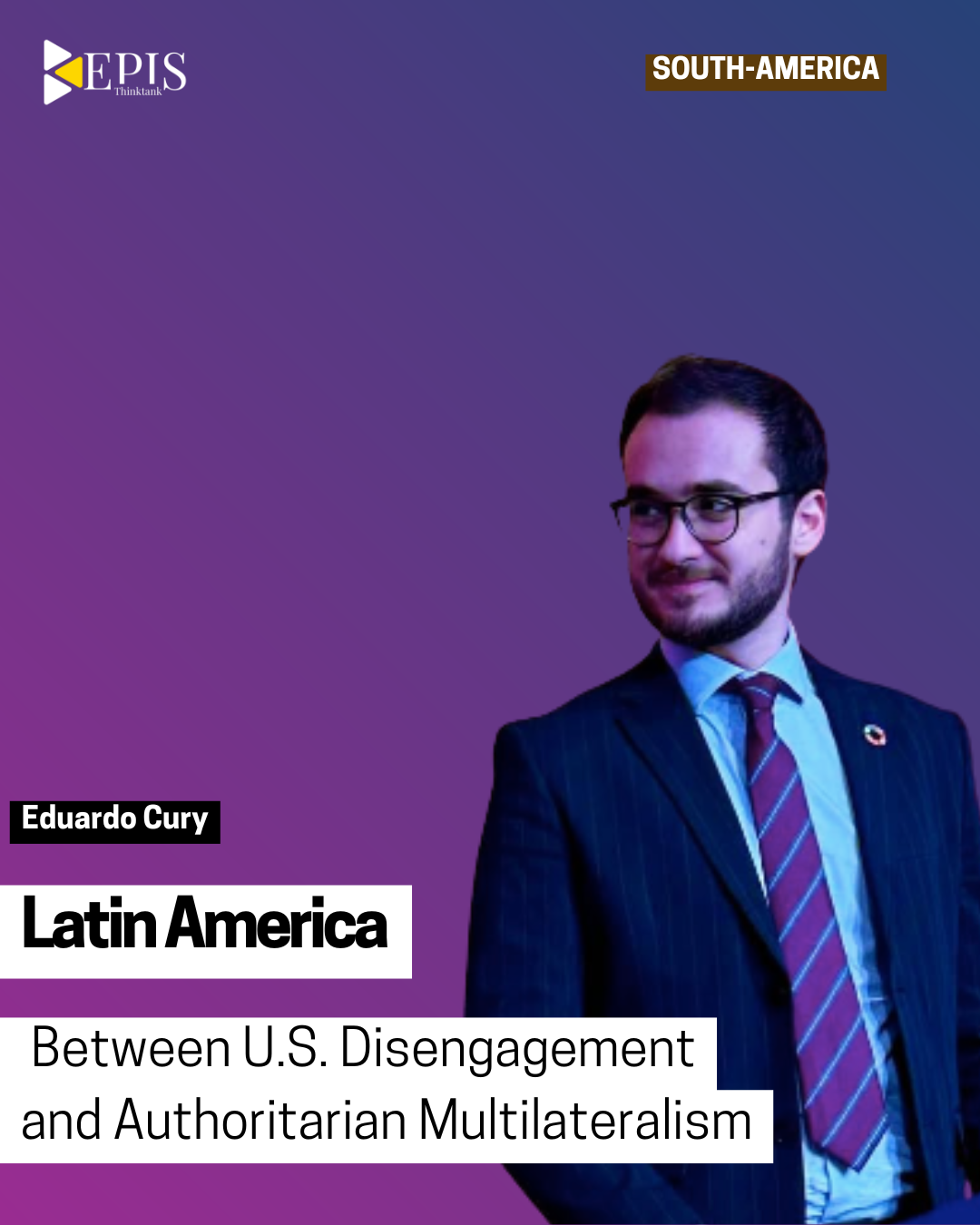
Latin America
How can Latin America achieve true strategic autonomy amid U.S. retreat and authoritarian advances? The article argues that multipolarity alone does not guarantee emancipation; dependency risks are merely shifting forms. Conclusion: Latin America must ground its foreign policy in democratic pluralism and epistemic sovereignty to escape old and new subordination alike.
-
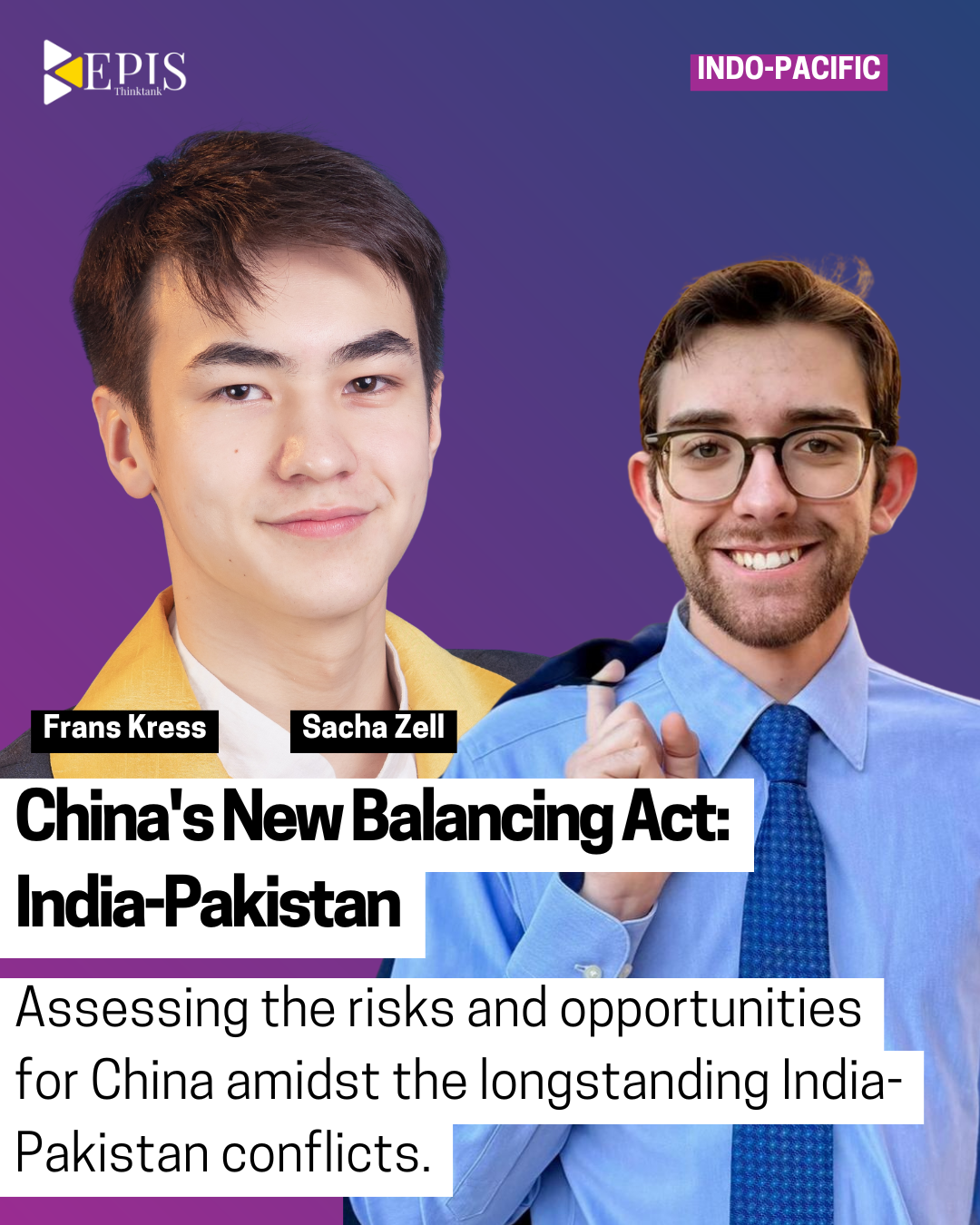
China’s New Balancing Act: India-Pakistan
How can China maintain its alliance with Pakistan without worsening tensions with India or risking conflict? Deep ties between China and Pakistan fuel Indian perceptions of mistrust thus risking regional or proxy conflict, especially in light of Indian rise to global power. China should pursue a strategy of equidistance by balancing Pakistani ties while building…
-
The SCO – Eurasia’s Paper Tiger?
What are the driving forces behind the SCO’s membership expansion and is the organisation successful in meeting its expected goals? The SCO has gained a more influential position in global affairs through its territorial expansion, but is severely hindered by internal differences. Its policy output is mostly negligible, while its growing voice is highly relevant.
-
Iran’s Foreign Policy
How Has Iran evolved since the death of Ebrahim Raisi This piece will argue despite the positive notion associated with the reformist image of the Iranian President, domestic and international factors will result in the prevalence of the status quo on the nuclear question and that Iran, who is very close to developing nuclear weapons,…
-
Reviving Relations – China, South Korea and Japan
Main question: How have Trump’s trade and defense policies influenced trilateral relations between China, Japan, and South Korea? Argument: Trump’s tariffs and defense cost demands have driven the three countries to deepen cooperation, despite historical tensions. Conclusion: The future of trilateral relations depends on their ability to balance U.S. pressure, internal mistrust, and the need…
-
Banking on Diplomacy
. Main question: How is Canada reshaping its foreign policy in the aftermath of Mark Carney’s election? 2. Argument: Facing deteriorating ties with the US, rising Indo-Pacific opportunities, and a deepening partnership with the EU, Carney is steering Canada towards a diversified, values-based, and resilient international strategy. 3. Conclusion: By asserting sovereignty and building global…
-
Pressure to Pivot: MENA’s Response to U.S Tariffs
The ripple effects of imposing tariffs on Middle Eastern countries go far beyond trade, straining diplomatic ties, disrupting local industries, and slowing regional growth. The imposition of US tariffs will make the Gulf Cooperation Council (GCC) countries grow at a slower pace. Trump’s new trade policies can accelerate the shift of Middle Eastern countries to…