Category: International Relations & Diplomacy
-
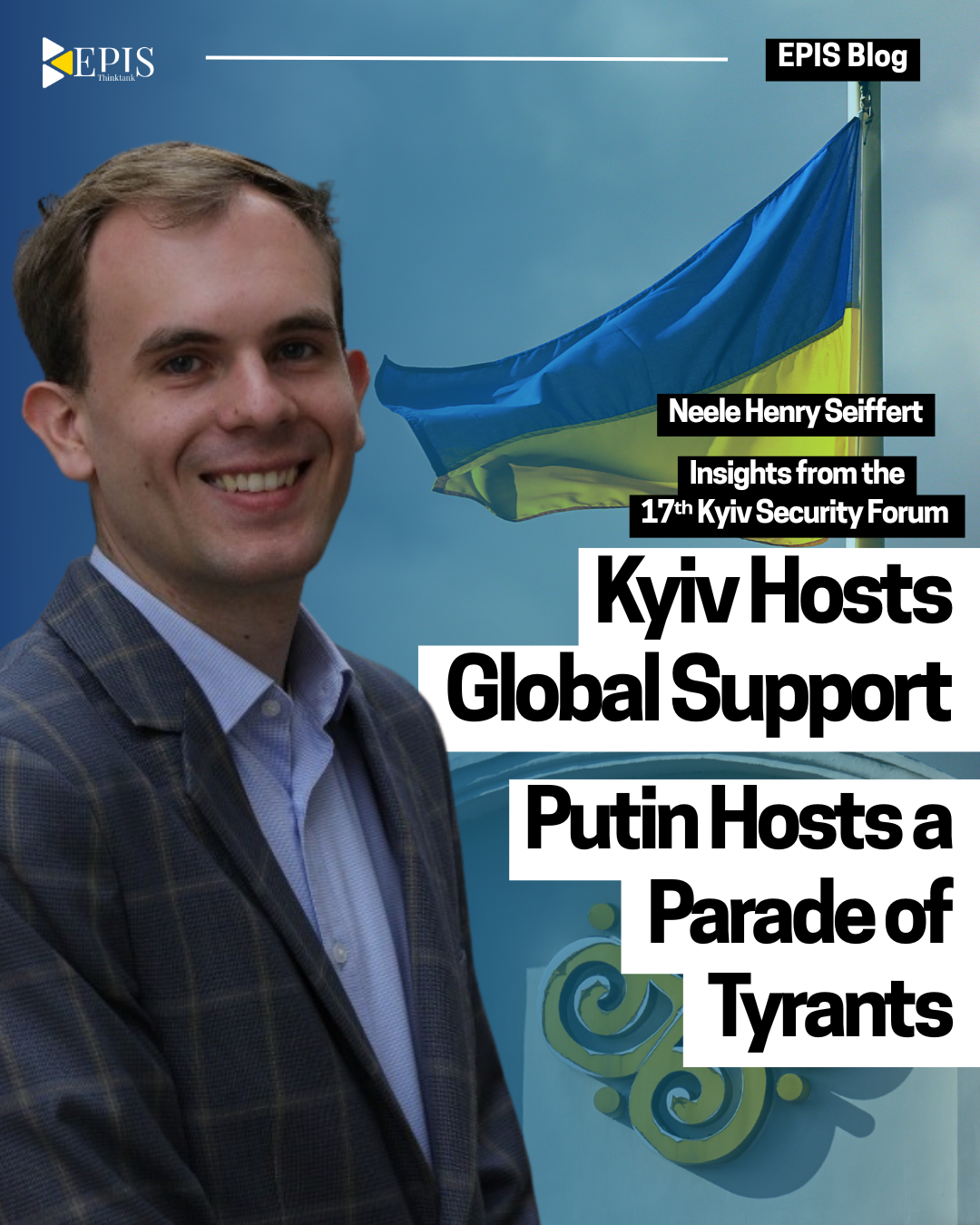
17ᵗʰ Kyiv Security Forum
1. Ukraine has become a fast, self-reliant defense innovator, urging frozen Russian assets to fund its tech sector. 2. With U.S. security guarantees less certain, Europe must back Ukraine directly—not just in solidarity, but because it now serves as the continent’s key bulwark against aggression. 3. A “Reverse Kissinger” approach to Russia won’t work; lasting…
-
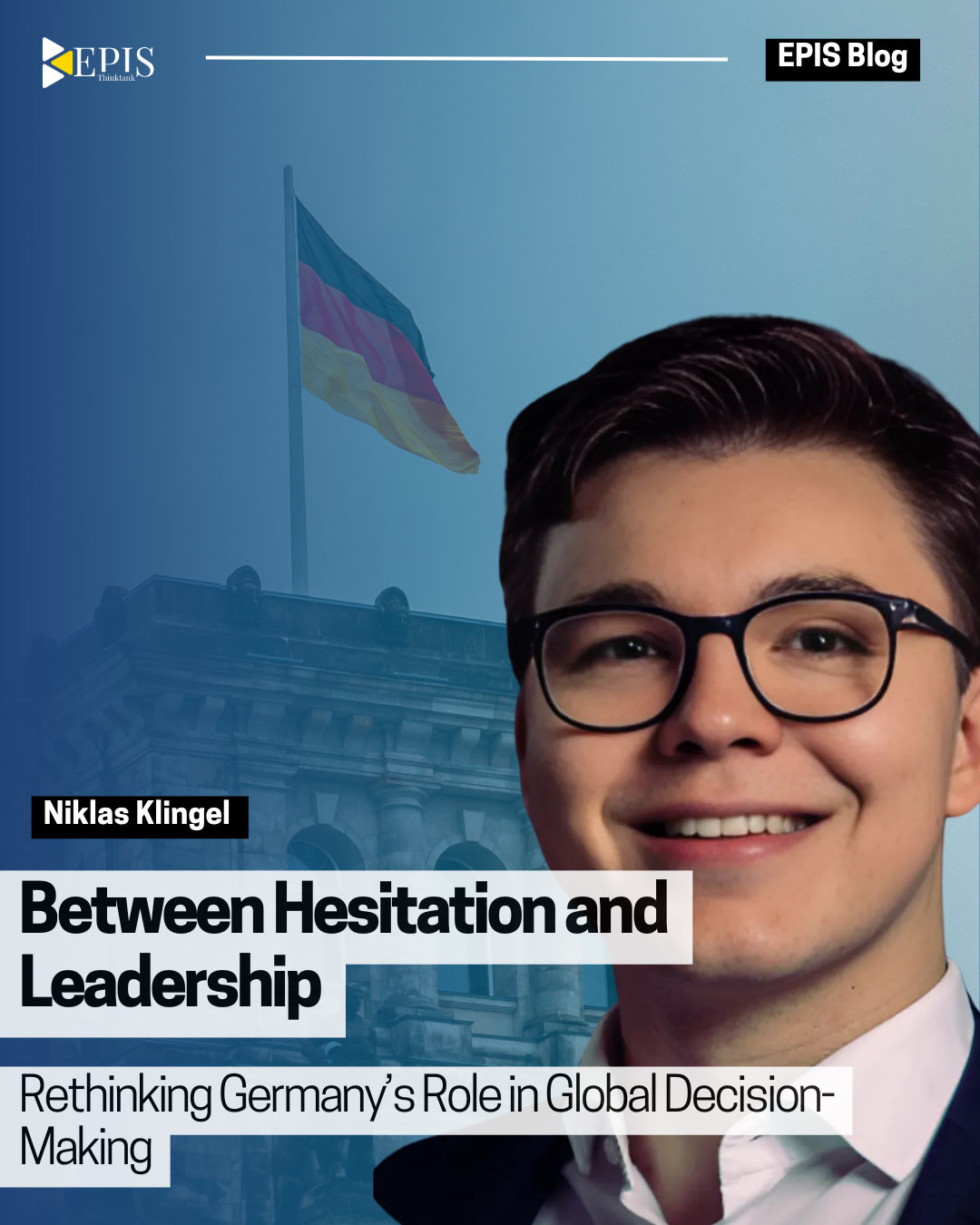
Between Hesitation and Leadership
1. Can Germany continue avoiding clear foreign policy stances in a volatile global context? 2. The “German Vote” reflects structural indecision rooted in domestic politics, harming Berlin’s leadership role. 3. Germany must break from strategic ambiguity and lead with responsibility to retain influence and ally trust.
-
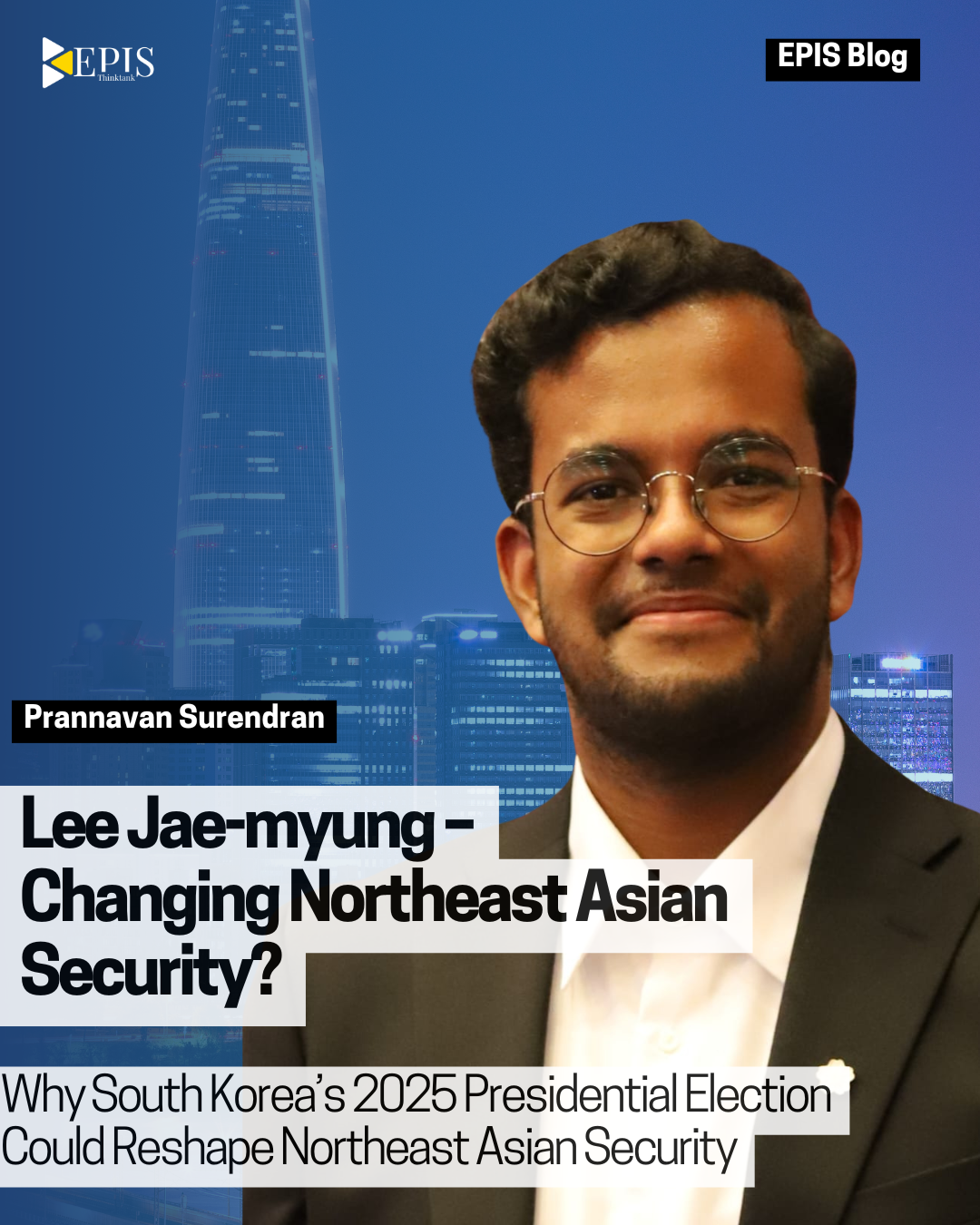
Lee Jae Myung – Changing Northeast Asian Security?
Main Question: Could South Korea’s 2025 election reshape the security landscape of Northeast Asia? Argument: A victory for Lee Jae-myung would likely shift South Korea’s foreign policy away from its U.S.-Japan alliance toward closer ties with China and North Korea. Conclusion: Such a pivot could fracture existing alliances and accelerate instability across the region.
-
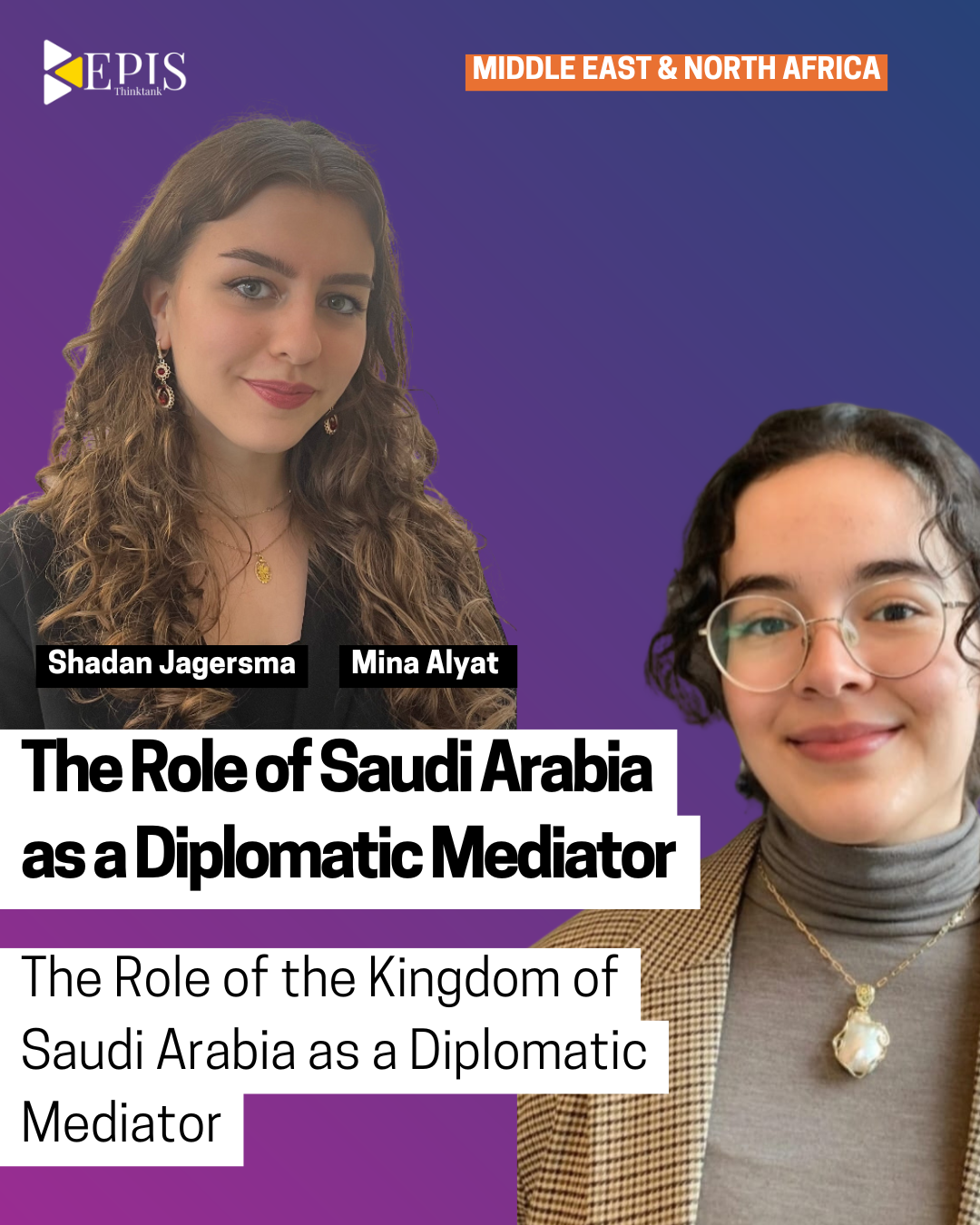
The Role of Saudi Arabia as a Diplomatic Mediator
In early 2025, Saudi Arabia became a key venue for US, Russian, and Ukrainian talks on a partial Ukraine ceasefire and Black Sea security. In early 2025, the Kingdom of Saudi Arabia hosted US, Russian, and Ukrainian officials for talks on a partial Ukraine ceasefire and Black Sea security. Riyadh positions itself as a neutral…
-
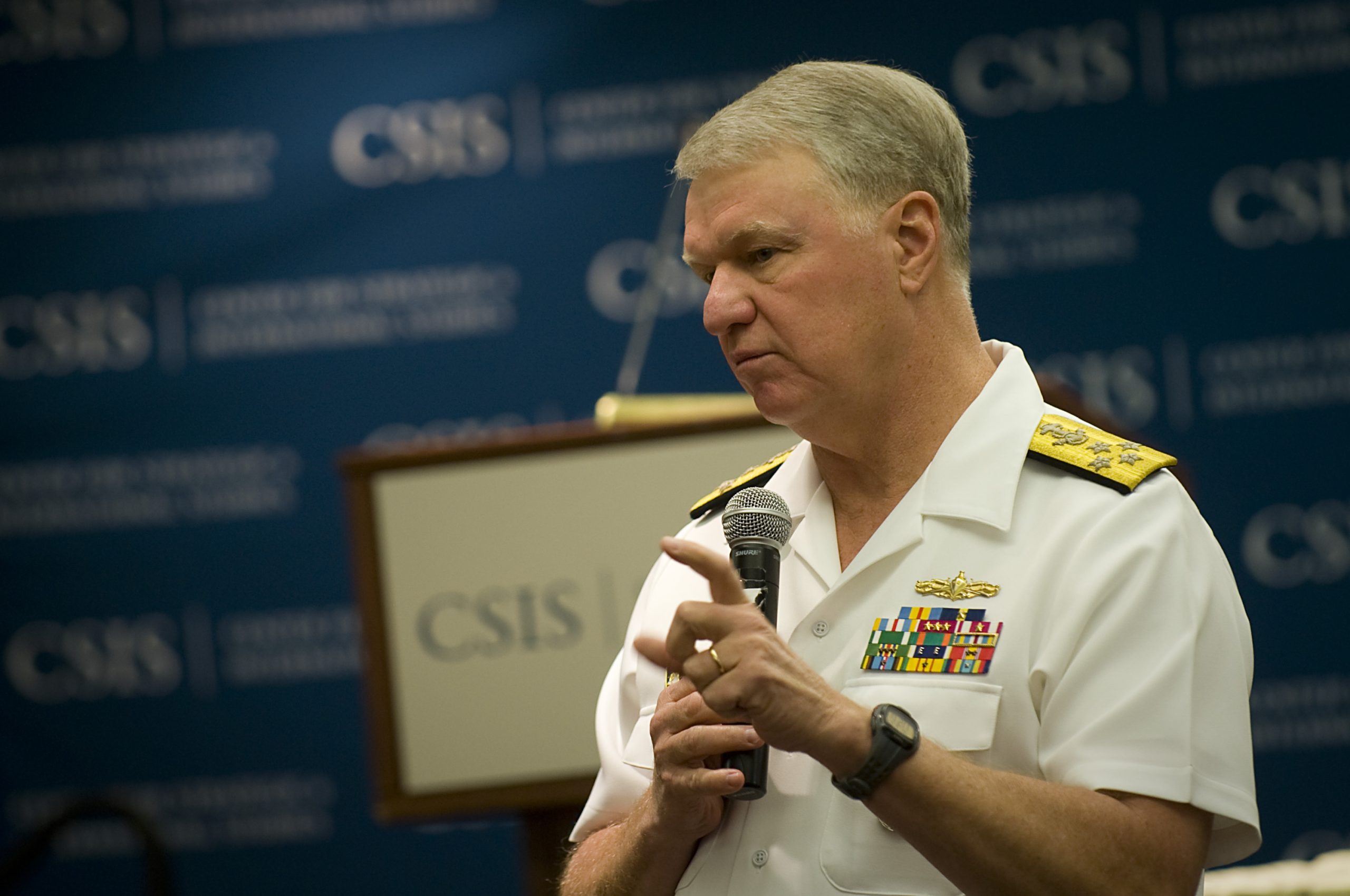
Turning Chaos into Opportunity
The chaos generated by the Trump administration brings challenges, but also the opportunity for Europe to build its strategic autonomy, improving its position in security, trade, and technology.
-
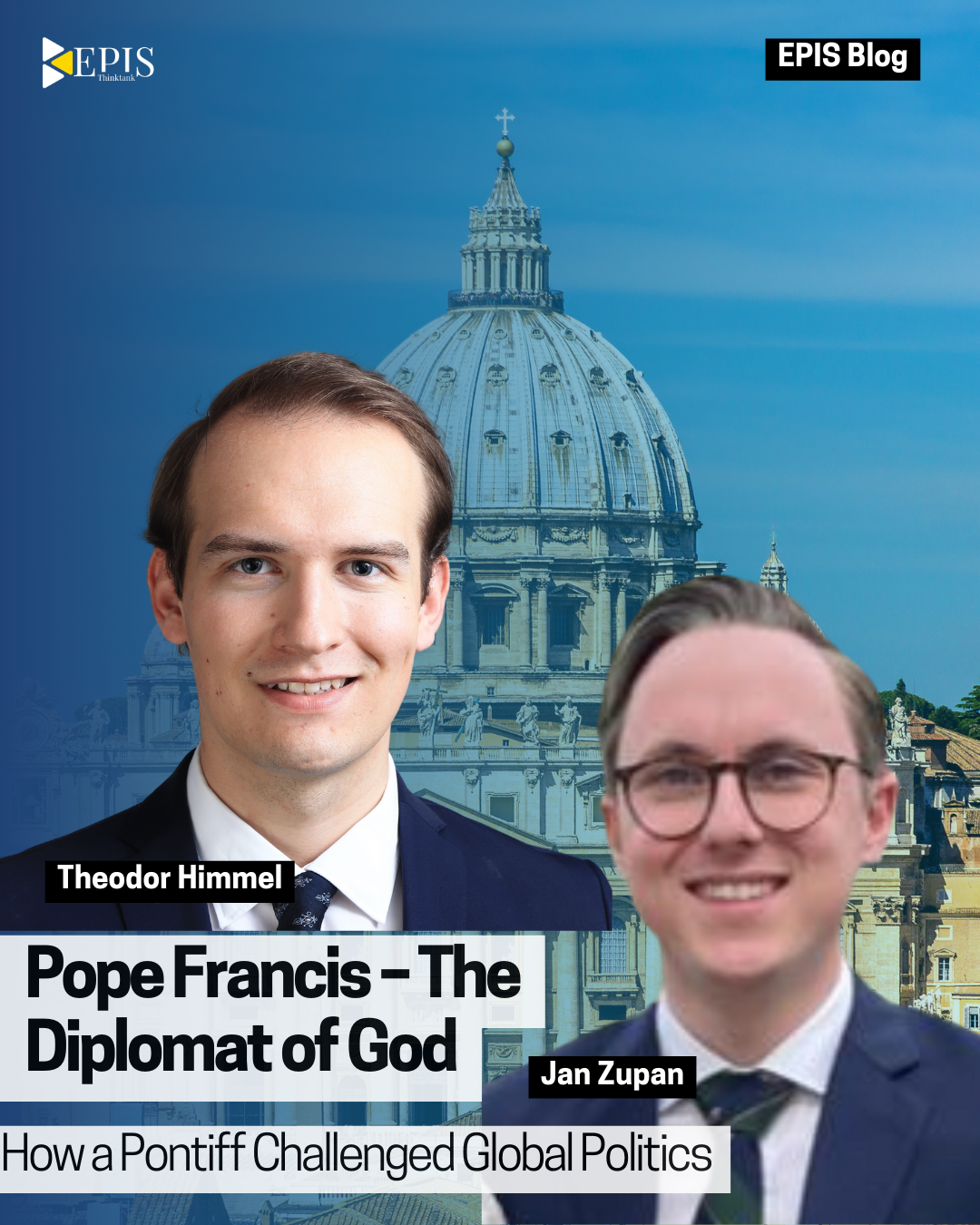
Pope Francis – The Diplomat of God
Main question: Can a spiritual leader influence global politics without traditional power? Argument: Pope Francis used moral authority and symbolic gestures to impact diplomacy, placing peace and the vulnerable at the center of global discourse. Conclusion: His papacy proved that ethical leadership can challenge realpolitik and leave a lasting legacy on the international order.
-
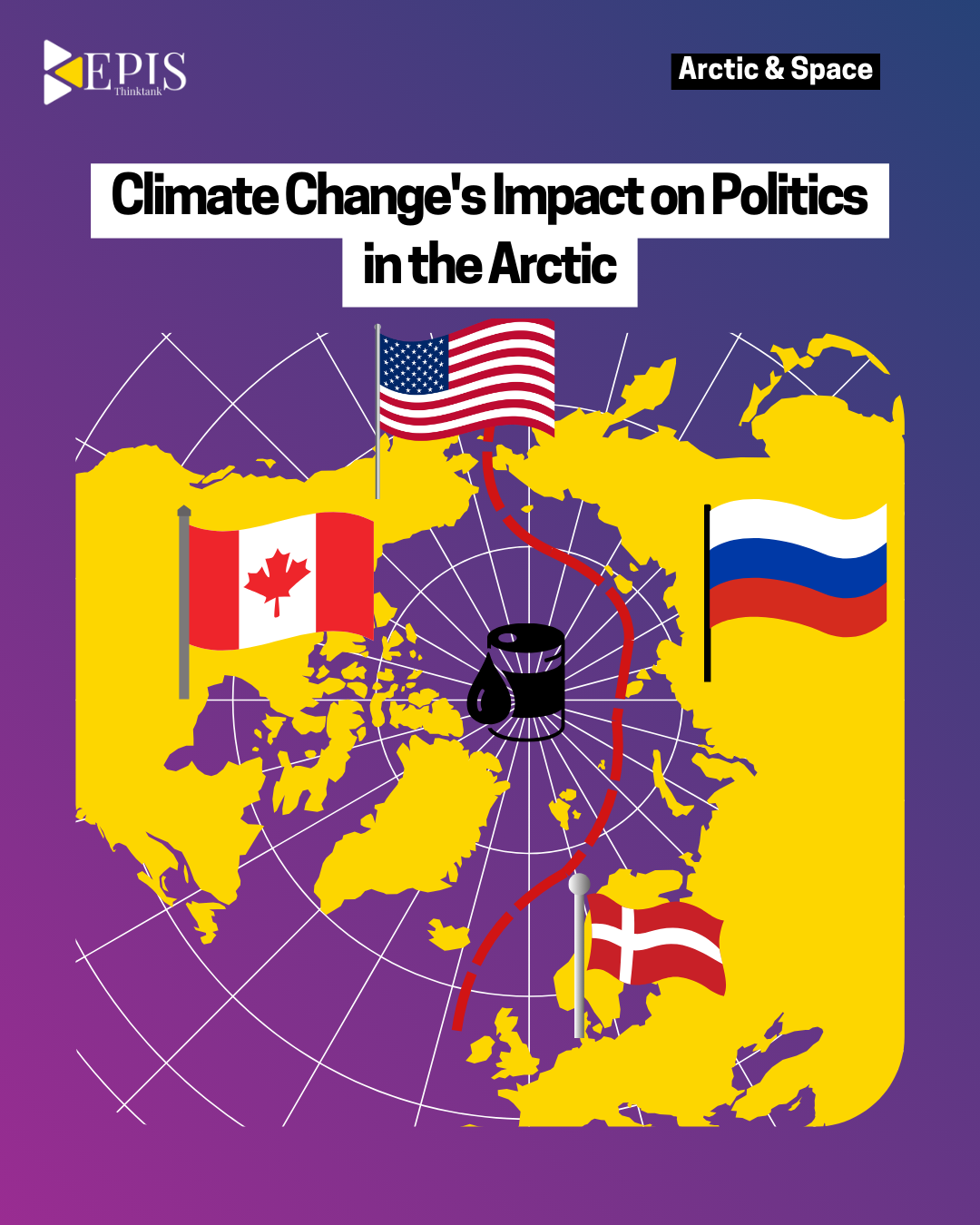
Climate Change’s Impact on Politics in the Arctic
Climate change has a significant impact on economic and security issues in the Arctic; the aim of this brief is to shed light on this. Climate change opens up new sea routes, changes the accessibility of resources in the Arctic, but also threatens existing infrastructure. In addition, the increasing extraction of resources in the future…
-

An American and an Arab Plan for the Gaza Strip
What do these two plans entail, and what do they mean for the future of Palestine and its citizens? The two proposals for Gaza—Trump’s vision of transforming it into a luxury resort and Egypt’s reconstruction plan—offer different plans for the future of the Palestinian territory. In contrast, the Egyptian-led proposal prioritises the rebuilding of critical…
-
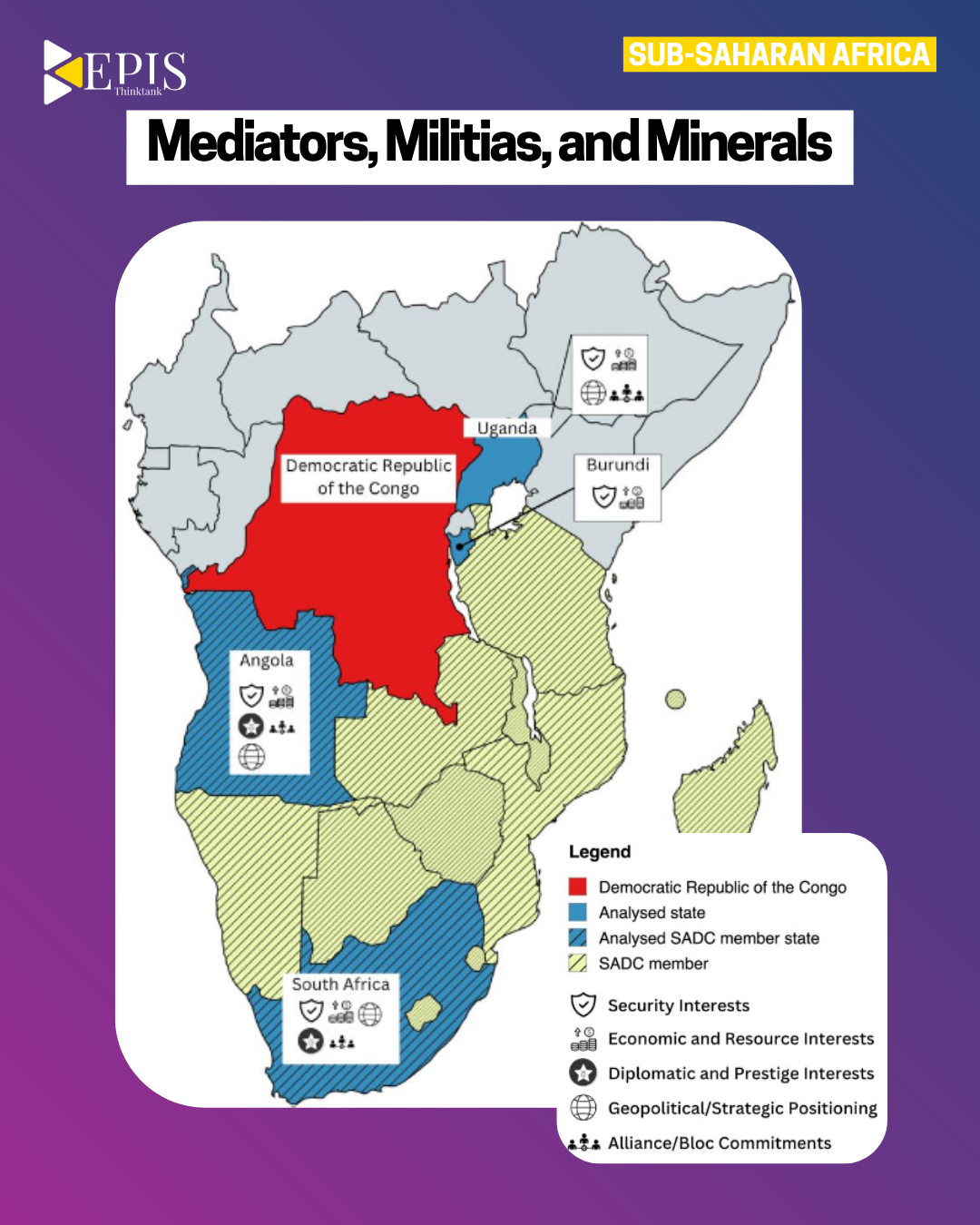
Mediators, Militias, and Minerals
1.What are the strategic interests of key actors in the DRC? 2. To understand the regional dimensions of the conflict in the DRC, it is important to examine the interests of countries beyond just Rwanda. 3. The conflict is highly complex and multidimensional, resisting simplistic narratives of a bilateral rivalry between Rwanda/M23 and the DRC.
-
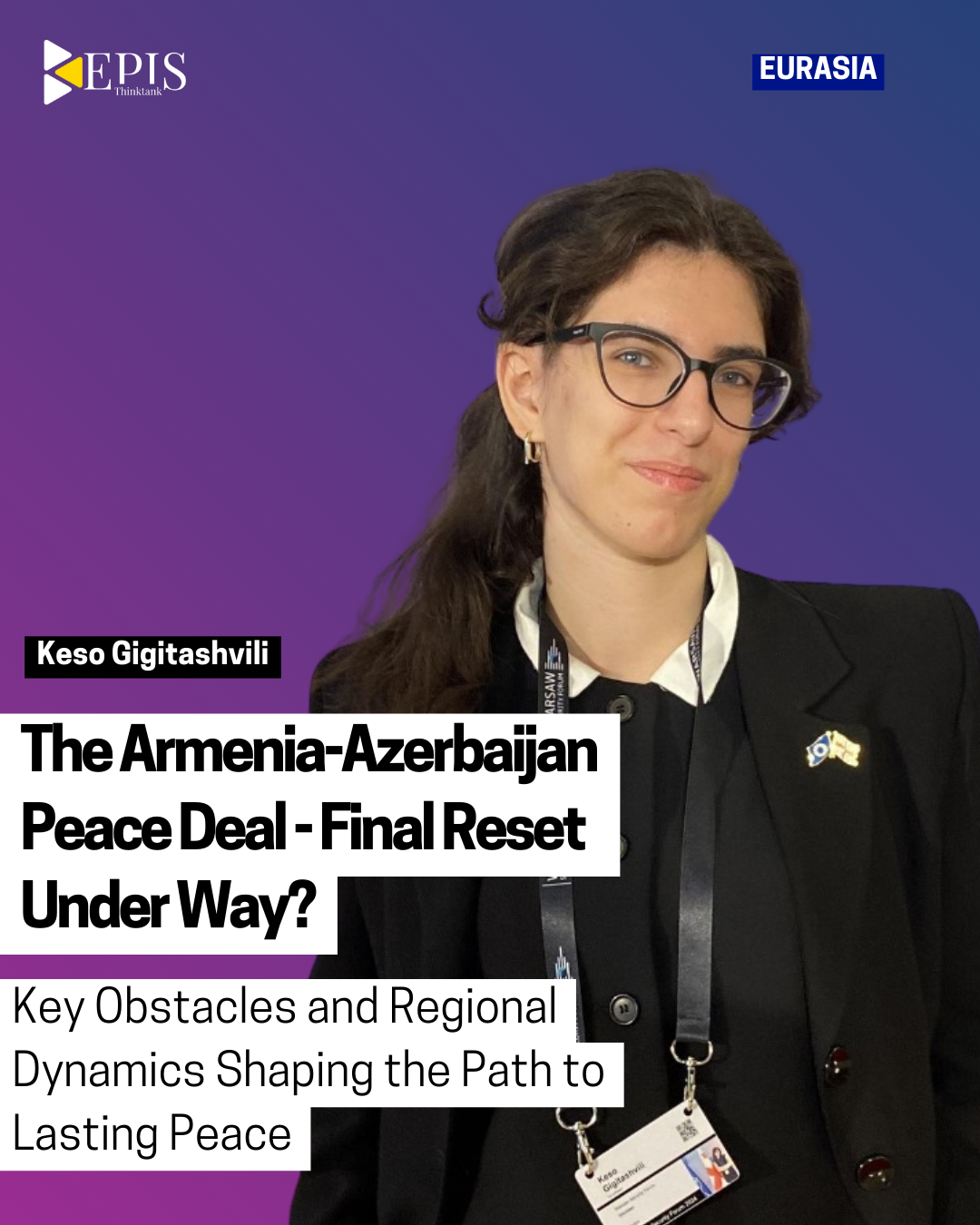
The Armenia-Azerbaijan Peace Deal – Final Reset Under Way?
1.What are the main obstacles to the Armenia-Azerbaijan peace deal, and how do regional and international dynamics impact the process? 2.The peace deal’s delay stems from Azerbaijan’s demand for constitutional changes in Armenia, border tensions, and the call to dissolve the Minsk Group. Regional factors, such as Türkiye’s conditions and Russia’s shifting focus, hinder swift…