Author: Neele Seifert
-
Bridging the Gap
1. The interview explores why transatlantic security often overlooks local and state leaders. 2. Joshua Burgin argues that strong personal networks between local leaders are essential for effective security cooperation. 3. The article concludes that stronger local-level transatlantic ties improve democratic resilience and future cooperation.
-
What Sanctions Relief Means for Syria’s Future
The easing of sanctions in 2025 offers Syria something it hasn’t had in over a decade: a genuine opening. Financial systems are reconnecting, investors are circling, and humanitarian groups finally have fewer bureaucratic barriers to work around. Yet this opportunity is fragile. Sanctions relief is a tool – not a guarantee. If Syria’s new rulers…
-
Caught in the Crossfire
– Personal experience from visiting Lebanon & Syria post Iran-Israel war: daily life goes on under missiles in the sky. – People care more about bread, power cuts, and safety than geopolitics. War is watched, not fought. – Hezbollah’s restraint and Syria’s fragile transition revealed more profound shifts: weakened proxies, fear among minorities, and widespread…
-
Iraq’s Development Road
Iraq is planning to build a trade corridor that connects the Persian Gulf to Europe via Iraq and Turkey The project faces domestic challenges due to sectarianism and corruption in Iraqi governance and disagreements with the Kurdish Regional Government. Similar projects, such as the IMEC, are strong competitors aiming to fulfill the same purpose.
-
17ᵗʰ Kyiv Security Forum
1. Ukraine has become a fast, self-reliant defense innovator, urging frozen Russian assets to fund its tech sector. 2. With U.S. security guarantees less certain, Europe must back Ukraine directly—not just in solidarity, but because it now serves as the continent’s key bulwark against aggression. 3. A “Reverse Kissinger” approach to Russia won’t work; lasting…
-
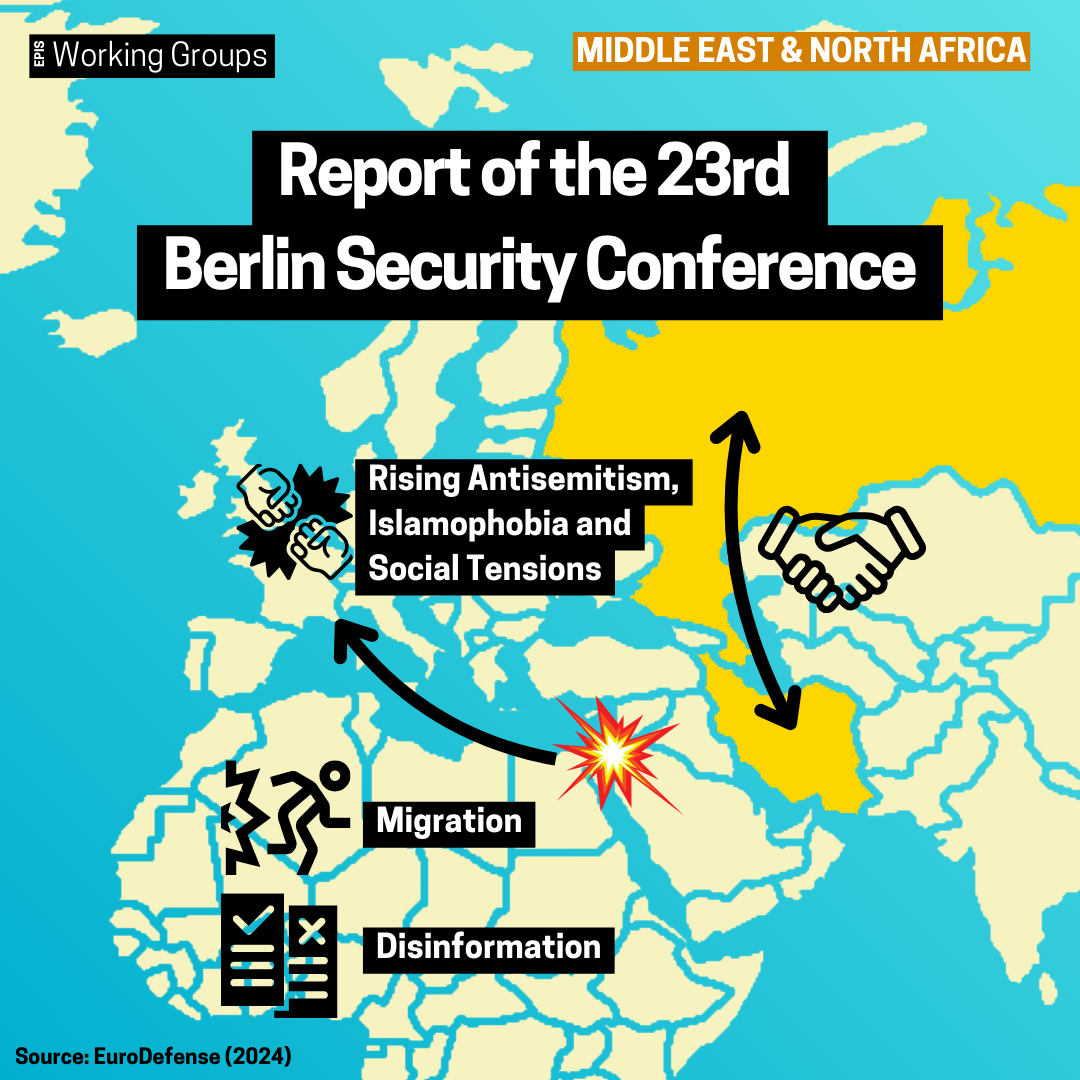
Report of the 23rd Berlin Security Conference
Main Question: How does the Middle East crisis impact European security? Argument: The conflict exacerbates societal tensions, strains migration systems, adds disinformation and polarization and strengthens Iran-Russia ties. Conclusion: A coordinated EU approach is crucial to address these challenges, balancing humanitarian aid, social cohesion, and geopolitical resilience.
-
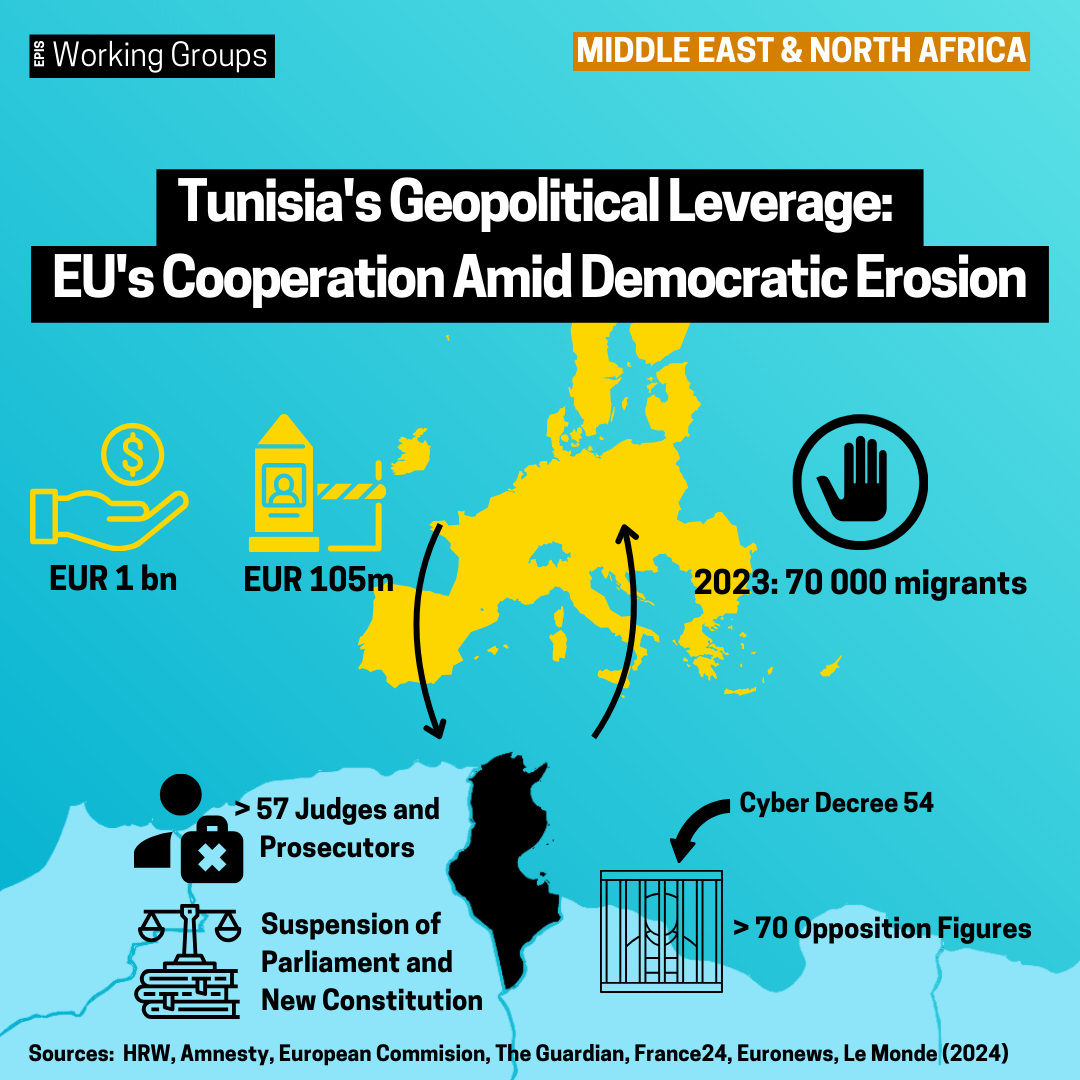
Tunisia’s Geopolitical Leverage
Tunisia’s democracy falters under Saied’s rule, yet the EU continues financial support to tackle its own migration issues. As the biggest African migrant hub, Saied, thus, has a strong bargaining position against the EU.
-
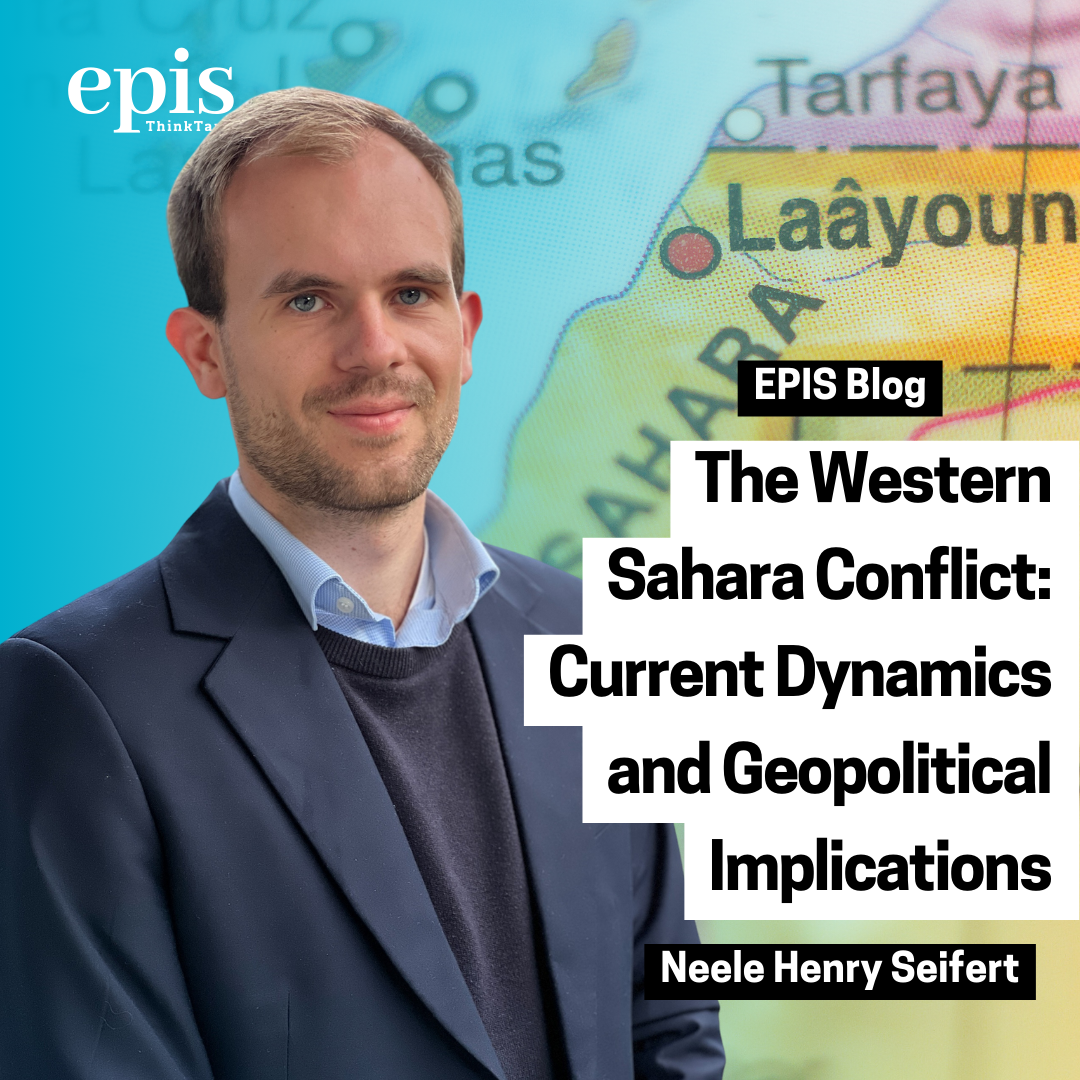
The Western Sahara Conflict
What do recent shifts in international support mean for the future of Western Sahara? Morocco has gained strong backing for its autonomy plan from key players like France, the U.S., and Spain, using diplomatic leverage (e.g. migration control) to advance its position, while Algeria, Russia, and Iran resist this growing consensus. Despite growing international support…