Category: Peacekeeping & Conflict Prevention
-
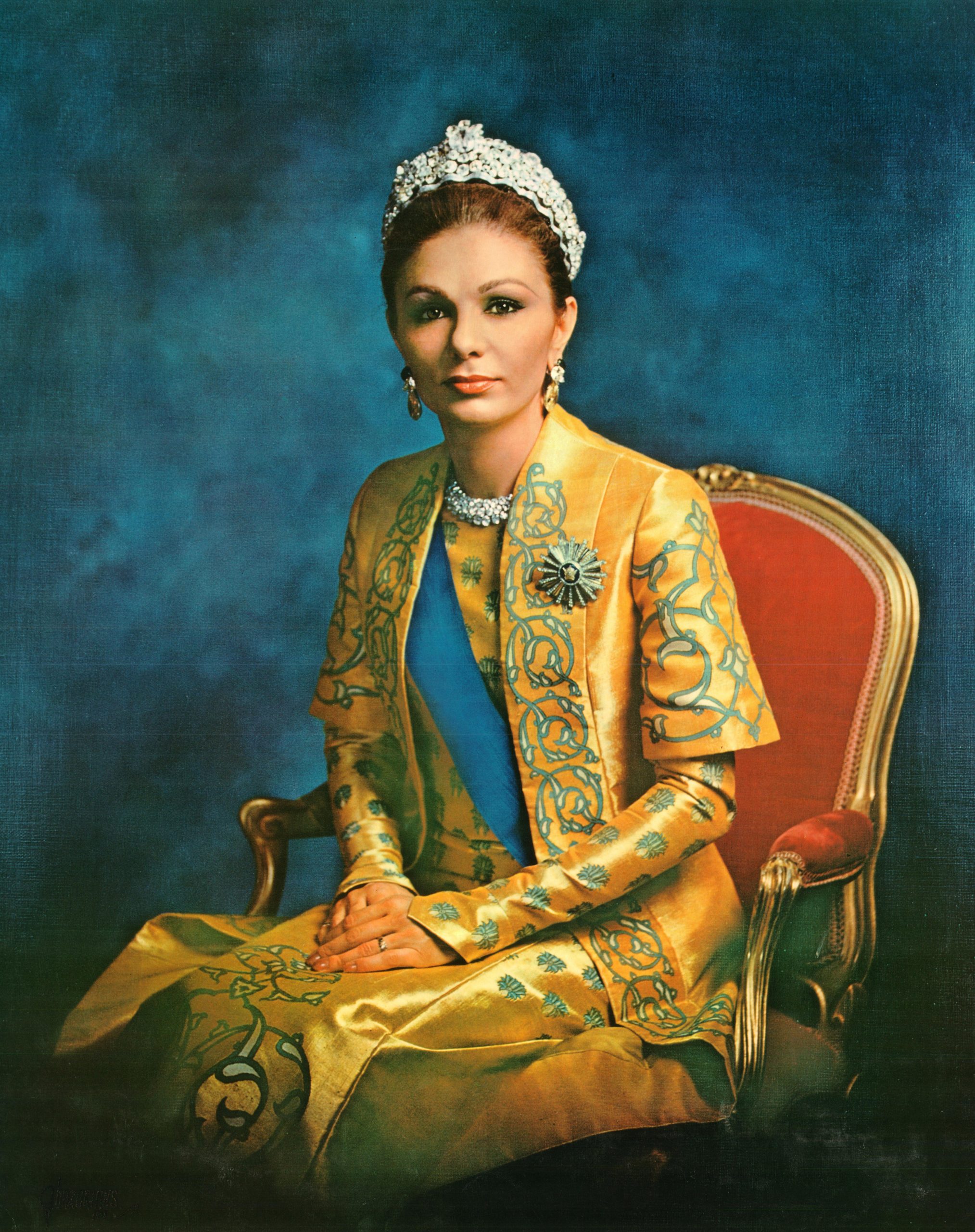
Iranian Resistence between Opression and War:
1. Sanaie links her family’s persecution to support for the NCRI and its vision of a secular democratic Iran. 2. She says protests are driven by repression, economic crisis, and violent state crackdowns. 3. Sanaie rejects foreign intervention and monarchy restoration, arguing only organized internal resistance can bring change.
-
The Crisis in Cabo Delgado: Why Mozambique Matters
A forgotten humanitarian crisis with deepening roots Rwanda’s intervention is strategically self-serving, not purely altruistic A new, fragmented security order is emerging in Africa
-
Anglophone Conflict in Cameroon
Historical roots driving a neglected conflict Structural silencing keeps the crisis hidden International complicity dims the spotlight further
-
U.S. Intervention in Nigeria’s Security Crisis
The Christmas Day 2025 US missile strike was far more contested than the official narrative suggested The US had multiple motivations beyond counterterrorism Military action alone cannot resolve Nigeria’s security crisis
-

The advance of the Hydra
How and why jihadist violence spread to Benin and Togo — Structural weaknesses across the Sahel created power vacuums that terrorist groups like JNIM exploited. Why local populations are vulnerable to recruitment. As the state is largely absent, Jihadist groups fill this gap by acting as alternative governance providers and offering economic incentives. The geopolitical…
-
Managing Instability in Senegal
Why the Casamance conflict began — Deep-rooted colonial history created ethnic, religious, and cultural divisions between the Joola-majority Casamance region and the rest of Senegal. Why the conflict has neither escalated nor resolved over 40+ years . What needs to happen for resolution — The article argues that lasting peace requires addressing the conflict’s roots…
-

The Cost of Blindness
Prioritisation and fascination with the democratisation and economic development of Myanmar blinded the International Community from the genocidal human rights abuses faced by Rohingya Muslims. At a time when Myanmar was opening up to the world, actors feared challenging the newly arisen Aung San Suu Kyi. Ultimately, turning a blind eye to the atrocities committed…
-
Jihadist expansion across borderlands in the Sahel
The brief examines how jihadist groups JNIM and ISSP are expanding from their traditional Sahelian strongholds into coastal West African countries as part of a strategic shift aimed at securing revenue streams and controlling illicit trade routes. It argues the future stability of the region depends on the newly formed AES Unified Force’s ability to…
-
Contesting Humanitarian Space
The contestation of humanitarian space in the Gaza Strip follows a lack of willingness from the international community to ensure the unobstructed provision of aid. The contestation of humanitarian space poses a serious question to the possibility of long-term conflict resolution in Gaza. The contestation of humanitarian space in the Gaza Strip could lead to…
-

High North and “La Dolcevita”
The 2026 Italian Arctic Policy responds to the end of Arctic exceptionalism by defining Italy as a “Near-Arctic State”. Through the concept of “teleconnections,” Italy links Arctic stability to Mediterranean security. It employs science diplomacy and the Navy’s “High North” operation to protect interests. Despite Russia’s isolation, Italy views functional dialogue as a “creative necessity”…