Category: Security Policy & Defence
-
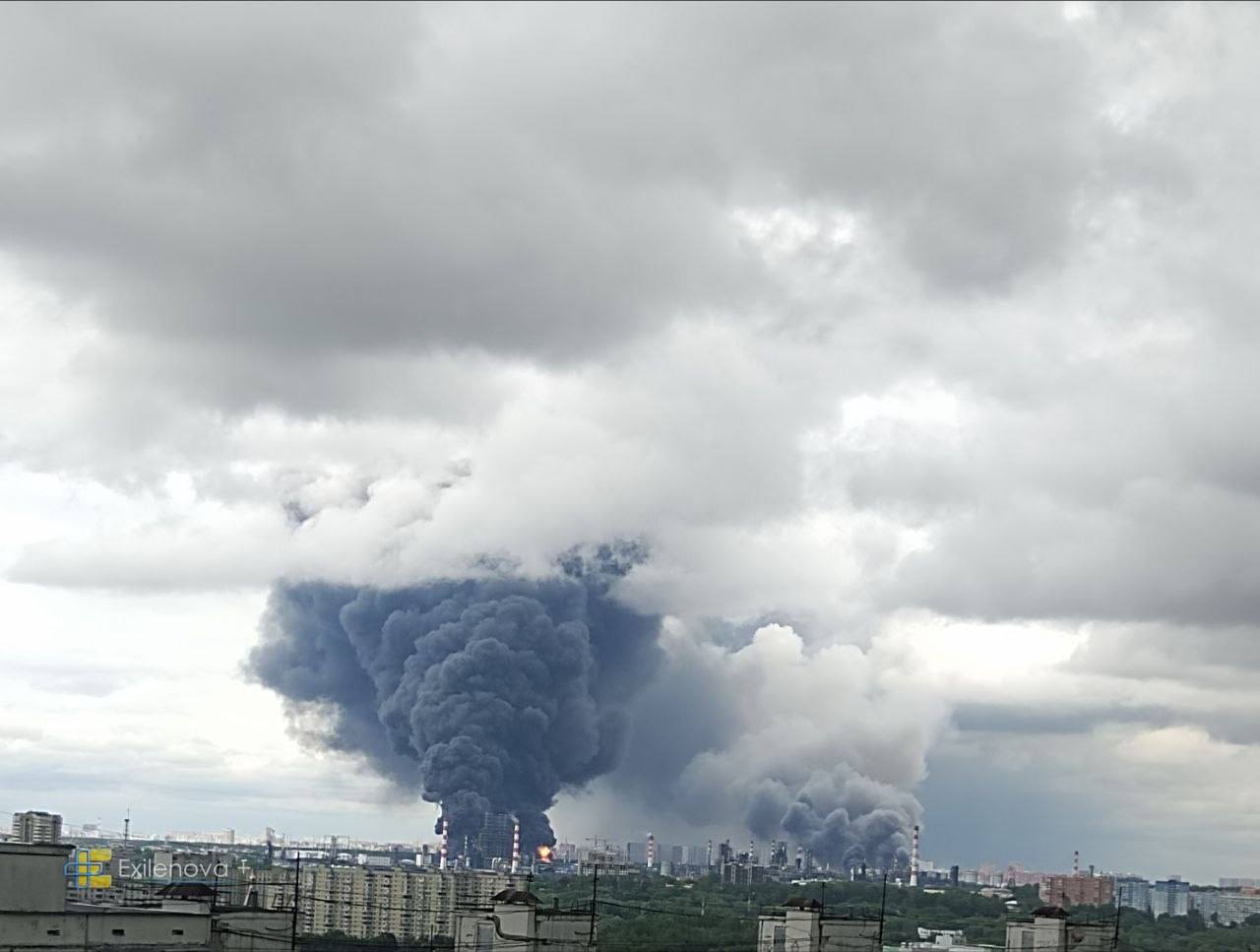
Moscow Under Heavy Drone Fire
Explosions, burning refinery facilities and hundreds of disrupted flights: A major Ukrainian drone attack has once again brought the war deep into the heart of Russia. Particularly significant is the reported strike on Moscow’s most important oil refinery — the second attack on the facility within just a few days. Moscow faced one of the…
-
Beyond Sanctions
Main Question Has Western strategy accurately assessed North Korea’s true strategic role beyond its nuclear program? Argument North Korea is a central node in a Russia–Iran–North Korea axis, sustaining Russia’s war through munitions and troops, and enabling Iran’s missile capabilities, while receiving advanced technology in return. Conclusion North Korea is a neglected transregional enabler linking…
-
Bridging Euro-Atlantic and Indo-Pacific Security
RQ: Can NATO and the IP4 build a deeper, structured partnership now that the Euro-Atlantic and Indo-Pacific security theatres have merged? Arg: The political and institutional conditions exist for comprehensive NATO-IP4 integration, offering notable advantages in supply chains, maritime security, intelligence, and deterrence. Conc: As confidence in American leadership of NATO erodes, institutionalising direct NATO-IP4…
-
The Attribution Problem at Sea
This brief examines whether the concept of the attribution problem can be applied to sabotage of critical underwater infrastructure (CUI) in the Baltic Sea. It argues that while technical attribution is often possible, political, legal, and discursive constraints limit clear attribution. Applying Rid and Buchanan’s (2015) Q-Model, it shows that ambiguity persists across all stages.
-
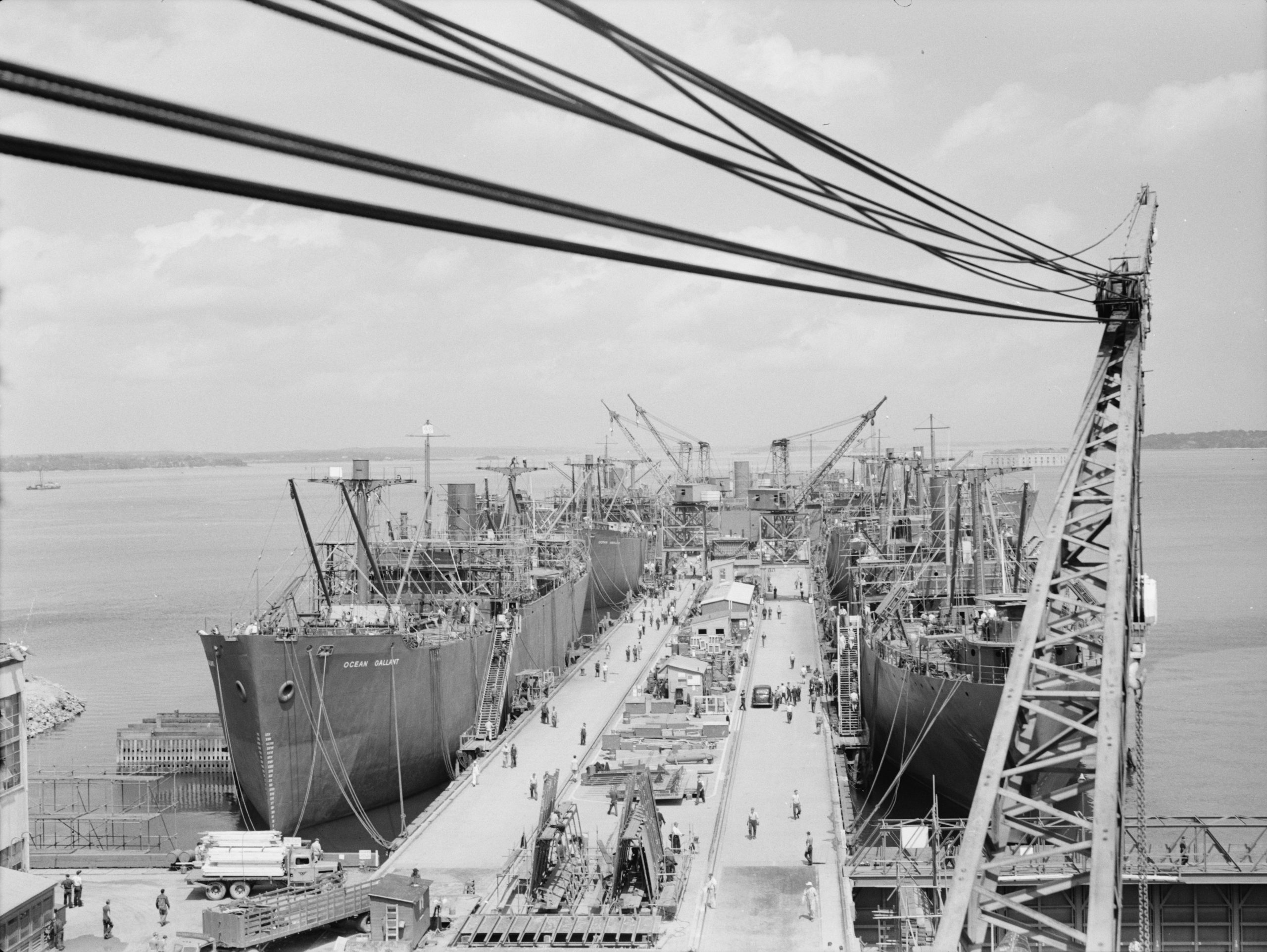
Regionalising Maritime Domain Awareness in SEA
– what are the challenges inhibiting a comprehensive MDA strategy in SEA? – On a technical and governance level, SEA states are uncoordinated – states should work towards building up information sharing capacity and trust rather than solely looking to external actors.
-
Philippine Energy Security: The 2026 Crisis
– How can the Philippines mitigate national security threats from “single-source” energy reliance and Maritime chokepoint disruptions? – The Philippines must pivot from a “passive importer” to a leader in Strategic Energy Alliances, integrating resource development into national defense and security policy. – Transitioning offshore basins from “planned” to “producing” and resolving West Philippine Sea…
-
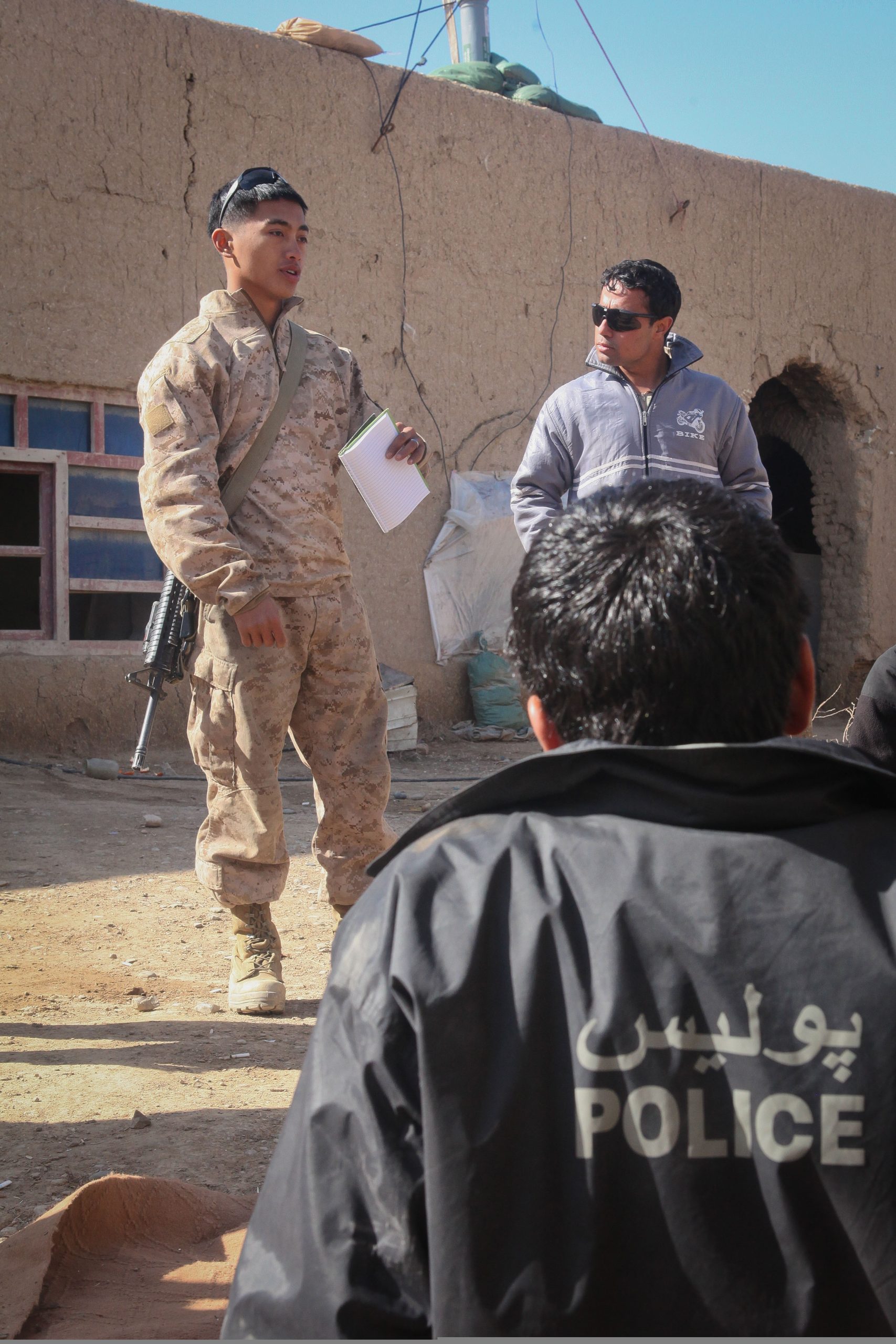
Escalation in the Dark
This article asks how China’s nuclear expansion affects escalation risks in a crisis, particularly over Taiwan. It argues that the key shift is not the size of China’s arsenal, but the growing uncertainty surrounding decision-making, driven by reduced transparency and compressed timelines. It concludes that deterrence is becoming less predictable and increasingly shaped by perception,…
-

PDSF 2026
Main question: How can sovereignty be protected in a volatile, disrupted world? Argument: Power now depends on resilience, partnerships, chokepoints, and institutions able to challenge their own assumptions. Conclusion: Sovereignty today cannot mean isolation; it requires strong alliances, diversified dependencies, diplomacy, and honest debate.
-

ME Instability & the US-China Power Balance
1: How does the escalation of instability in the Middle East affect the global balance of power between the U.S. and China, and what are the secondary implications for stability in the Indo-Pacific? 2: While the U.S. faces a “credibility gap” as a security provider, China acts as a “free rider,” leveraging M. Eastern energy…
-

The Security Dilemma in post-Arab Spring Libya
How did the Arab Spring shape Libya’s long-term political fragmentation and insecurity? The 2011 uprising dismantled weak state institutions, triggering a security dilemma where militias and foreign actors filled the power vacuum, reinforcing division. Libya’s instability persists due to entrenched militia power and external interference, making unified governance and democratic transition unlikely without structural change.