Category: Peacekeeping & Conflict Prevention
-
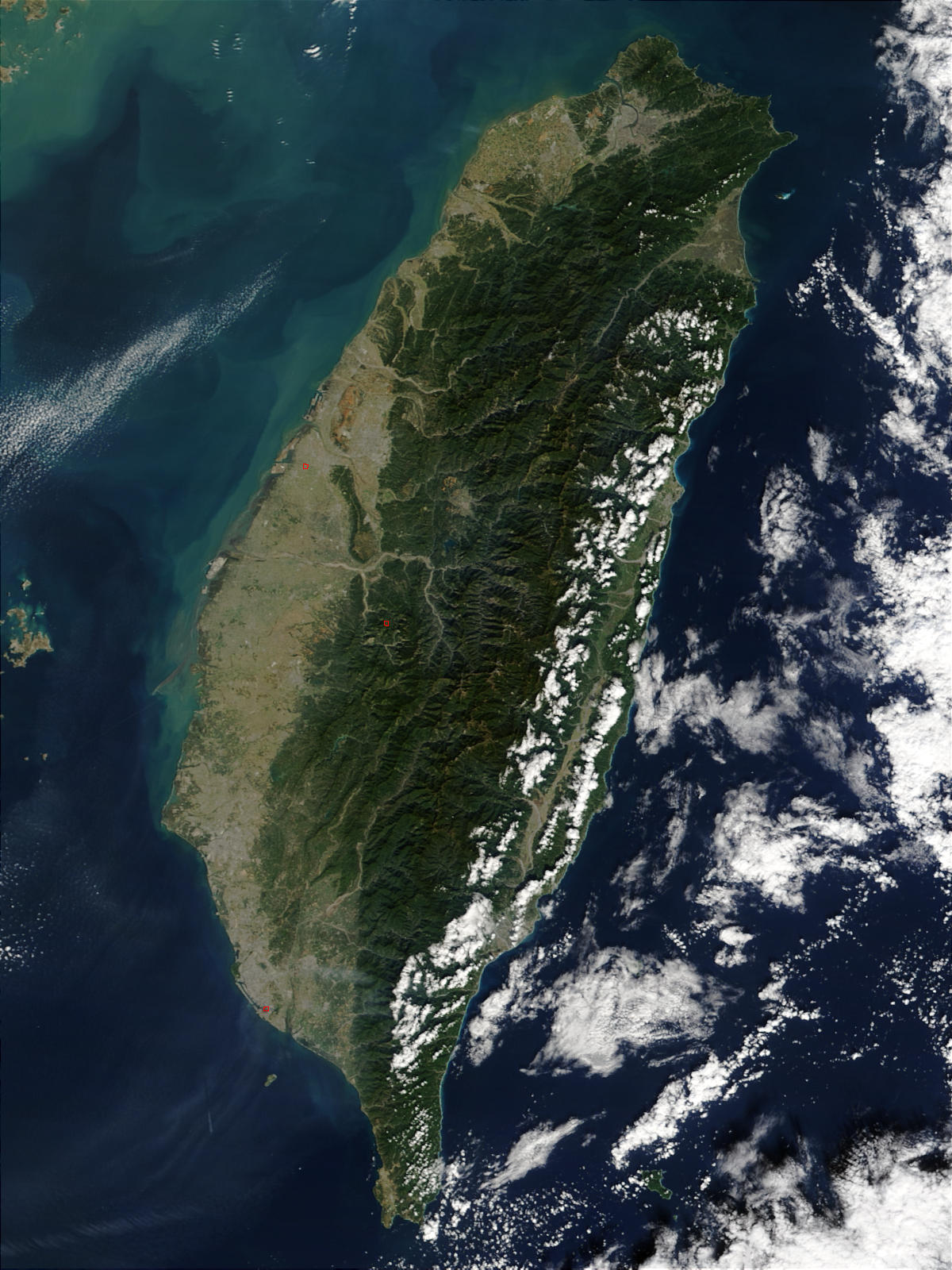
How History Informs Ideas of Taiwanese Sovereignty
How have historical experiences shaped competing ideas of Taiwanese sovereignty, and why does this history continue to structure contemporary cross-Strait tensions? The article argues that Taiwanese sovereignty cannot be understood as a purely legal or contemporary political question. The persistence of the Taiwan question reflects the collision of historical memory, identity formation, and great-power rivalry…
-
The EU as an External Actor in the Armenia-Azerbaijan Conflict
– How effective is the EU as an external actor in the Armenia-Azerbaijan conflict? -The EU’s normative ambitions and soft power engagement are constrained by political divisions, lack of hard security tools, and competition from Russia, Turkey, and the US. -While politically meaningful, EU efforts remain strategically limited; its credibility depends on unity, stronger security…
-
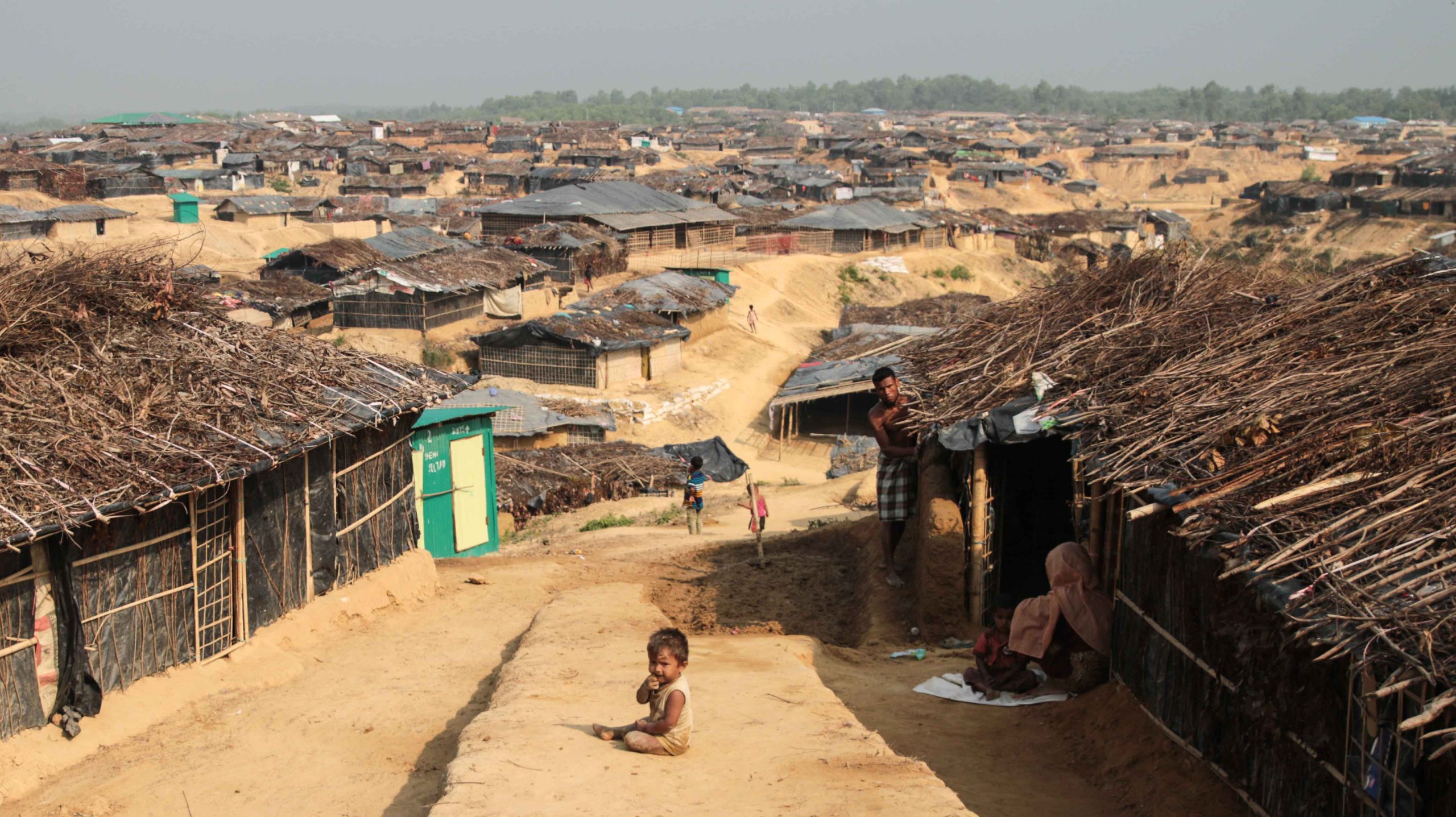
The Rohingya Crisis
Why has China blocked attempts to invoke the Responsibility to Protect doctrine in the Rohingya crisis in Myanmar? The failure to invoke R2P in response to the Rohingya crisis cannot be explained by humanitarian considerations alone, but must be understood through the lens of great-power politics and national interests. Humanitarian concerns are overshadowed by China’s…
-
Blue Helmets, Yellow Tape
Who are the Blue Helmets and what do they do? The Blue Helmets are the military peacekeeping personnel of the United Nations and seek to facilitate third-party peacekeeping. There are strict conditions for their allocation and deployment, as they are a last resort for international peacekeeping efforts.
-
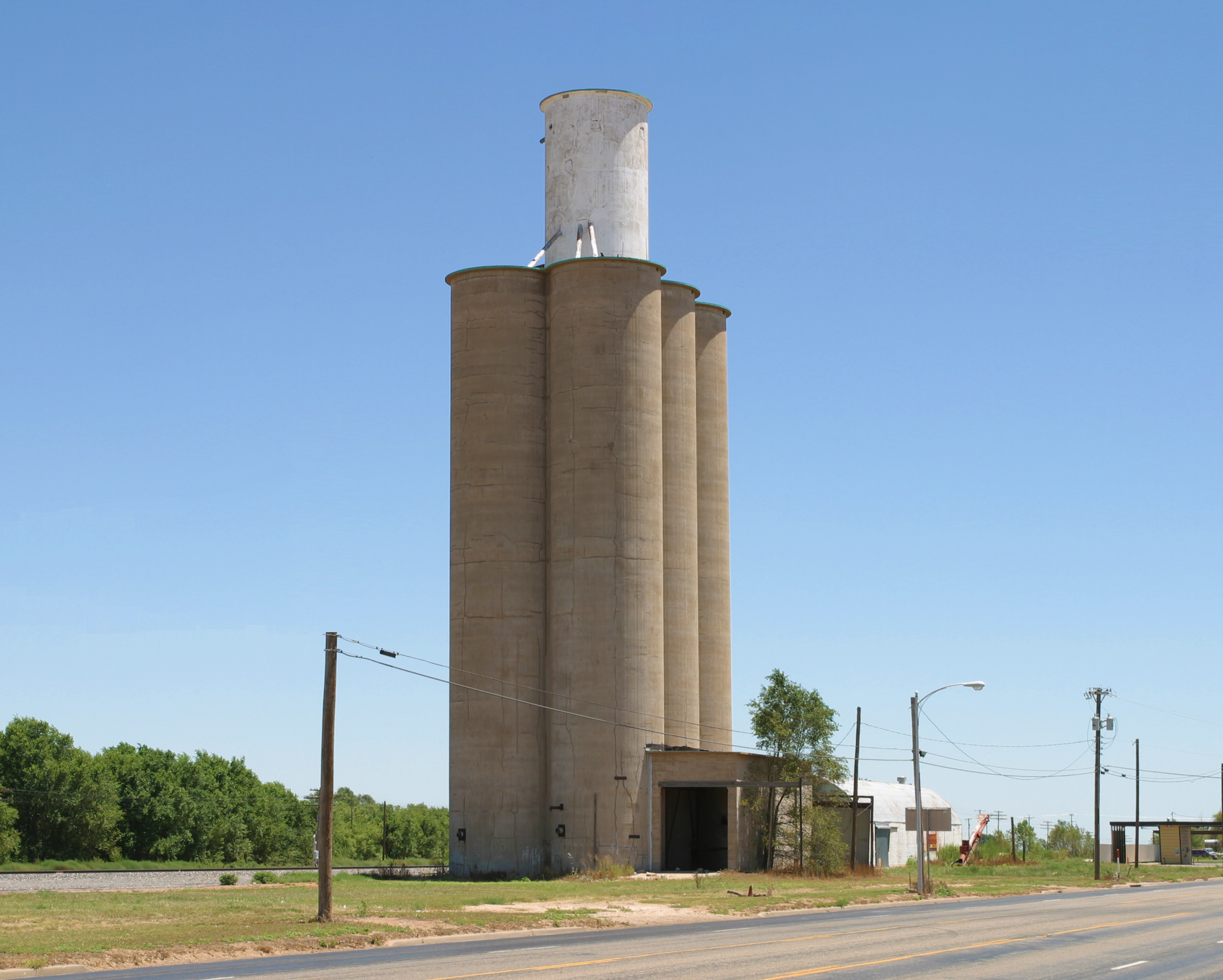
THE WAR IN SUDAN
The article examines how authoritarian collapse, elite division, and foreign proxies shape Sudan’s war. Using neo-realist and political marketplace theories, it argues that state breakdown allowed external actors to transform internal struggles into a regionalized conflict fueled by resource networks. Lasting peace depends on dismantling the transnational economic networks sustaining violence, not just elite power-sharing.
-
The Regional Consequences of El-Fasher’s Collapse
Can UNMISS provide the capacity to address the spillover effects from the fall of el-Fasher? These effects risk generating increased migration pressures, increased organised transboundary crime, and potential mass economic disruption to South Sudan. Although UNMISS has an appropriate mandate to address these new challenges, it remains uncertain whether the peacekeeping force will be able…
-
Yemen’s Forgotten War
Main question: How can Yemen’s civil war, one of the worst examples of state failure in the world, be understood given its many actors and causes? Argument: It is best understood as a case of state collapse, not only because of internal strife but also due to regional power struggles and foreign intervention. Conclusion: This…
-
Gen Z Protests in Nepal
How did Nepal’s 2025 social media ban lead to political unrest, and what role can international actors play in such crises? The ban exposed deep governance issues like corruption and exclusion of Gen Z youth. While international actors can mediate, their effectiveness is limited without domestic reforms and government cooperation. The crisis highlights the need…
-
Sudan War and Geopolitics:A Struggle for Influence
-Sudan’s territory connects the Suez Canal to the Bab el-Mandeb strait, a crucial route in the region. -Wider regional divide regarding political Islam further undermines the possibility for a collective effort towards a ceasefire. -Trade of natural resources with neighbouring and Gulf countries finances the war for the SAF and RSF. -Repeated attempts to broker…
-
Freedom to choose in Syria
The parliamentary elections in Syria may seem a step toward stability, giving the government legitimacy and a claim to international recognition. However, the way the vote was conducted, limited minority inclusion, and presidential control of one-third of seats raise doubts about genuine democratisation. Results are unrepresentative and could fuel tensions, making the elections more a…