Category: Peacekeeping & Conflict Prevention
-
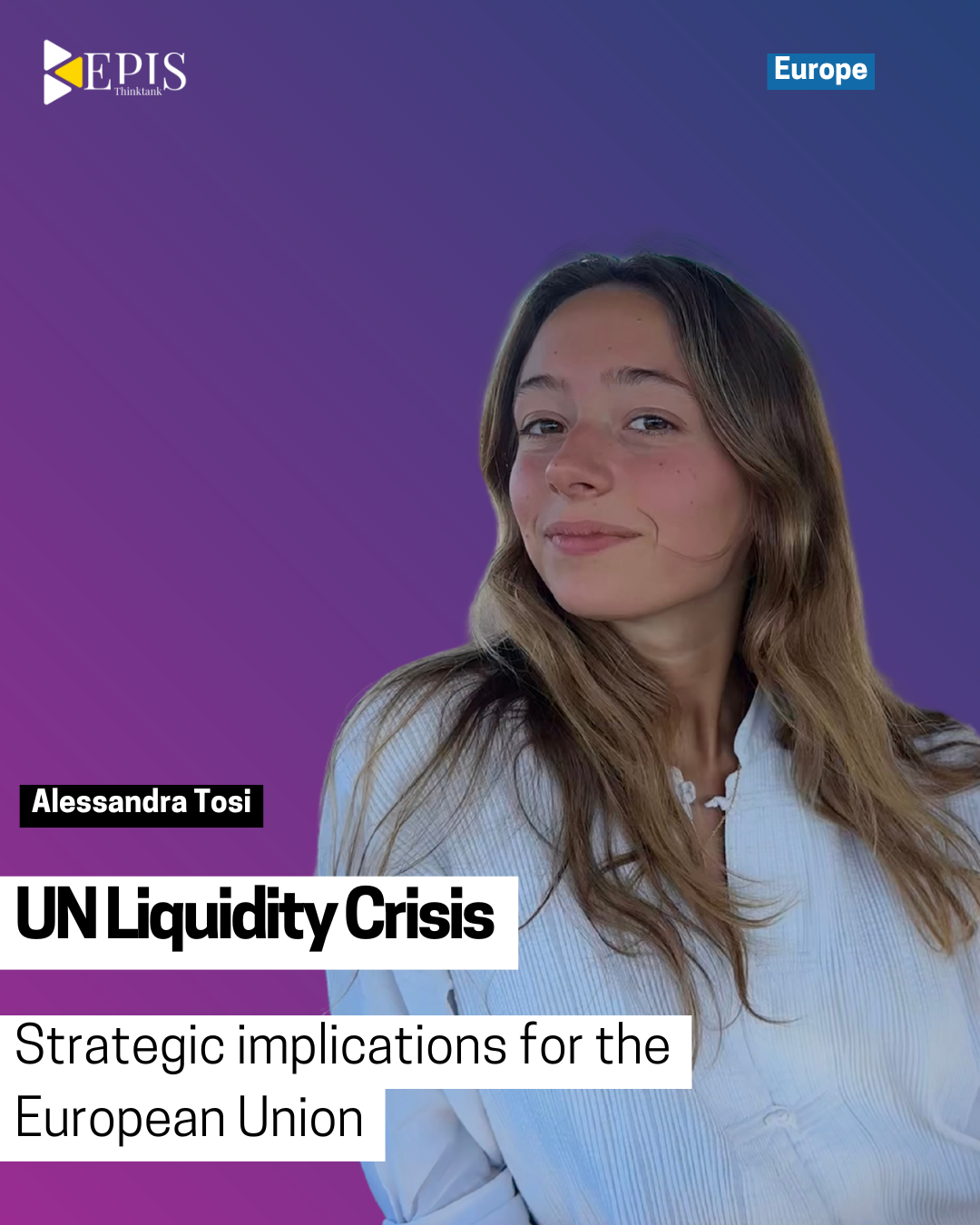
UN Liquidity Crisis
1.The UN faces a severe liquidity crisis. 2.Political fragmentation and selective funding have eroded the UN’s financial stability and legitimacy, with wealthy states like the U.S. withholding funds over policy disputes, challenging the system’s neutrality and effectiveness. 3.Europe faces a strategic crossroads: continue sustaining a strained UN, push for reform using its financial leverage, or…
-
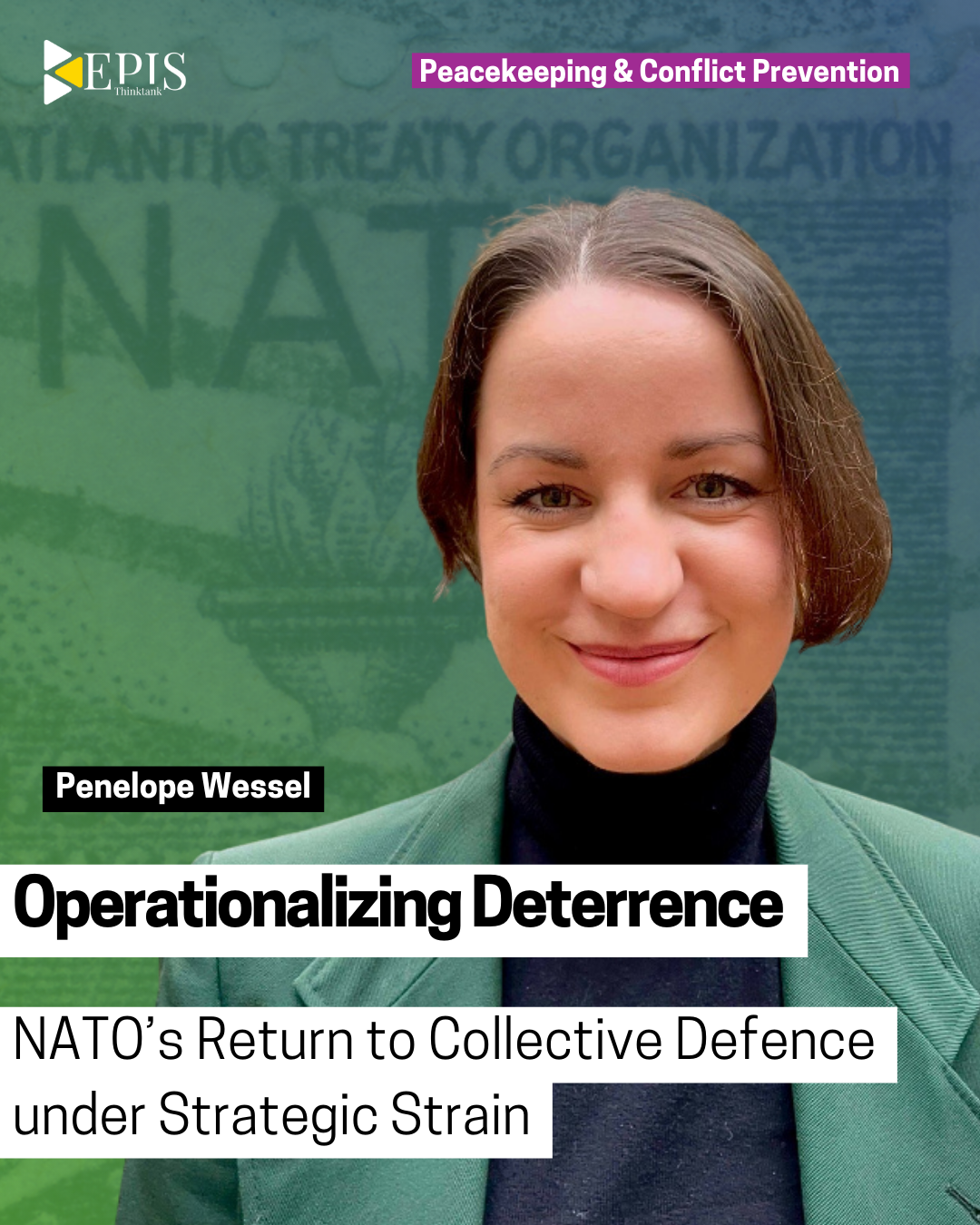
Operationalizing Deterrence
How is NATO translating its strategic realignment since the 2022 Madrid Summit into an effective military posture in its command structures, particularly at the operational level? Three factors seem to be particularly important: clear guidelines and a strategic vision, people who know how to implement change, and time. People are and remain the critical factor:…
-

Editorial: EPIS Report on Peacekeeping & Conflict Prevention Issue I
The global order is destabilizing as alliances weaken, conflicts rise, and multilateralism erodes. Peace and security are increasingly intertwined but must be treated as distinct yet interdependent goals. Despite global upheaval, new actors, technologies, and ideas offer promising paths to sustainable peace.
-
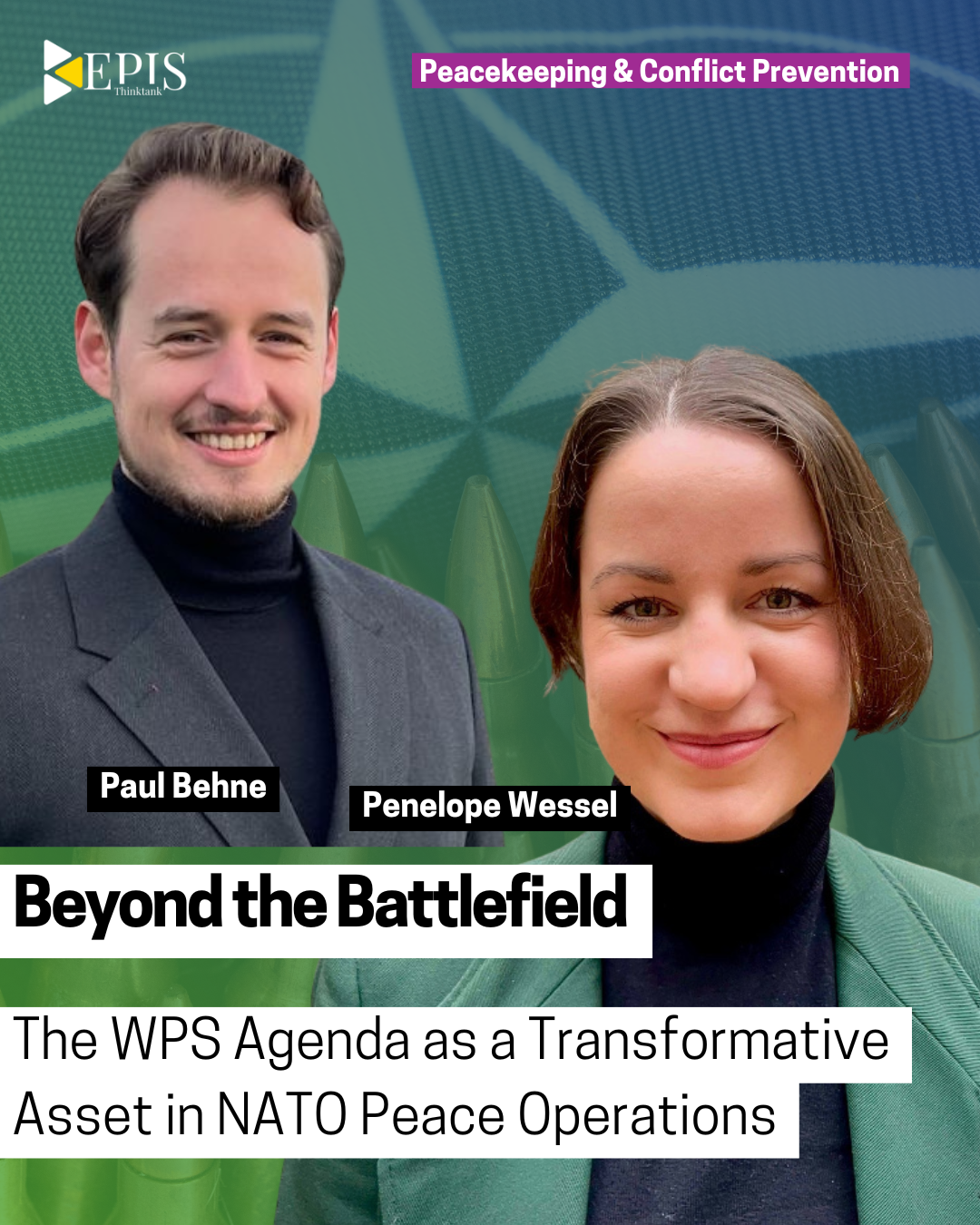
Beyond the Battlefield
What impact does the WPS Agenda have on NATO’s Peace Operations and strategies? The enhanced operational effectiveness through the integration of the WPS agenda helps strengthening gender-transformative processes at NATO. Openness to restructuring and improvement is beneficial for everyone and thus contributes to NATO’s overall goal: security for all.
-
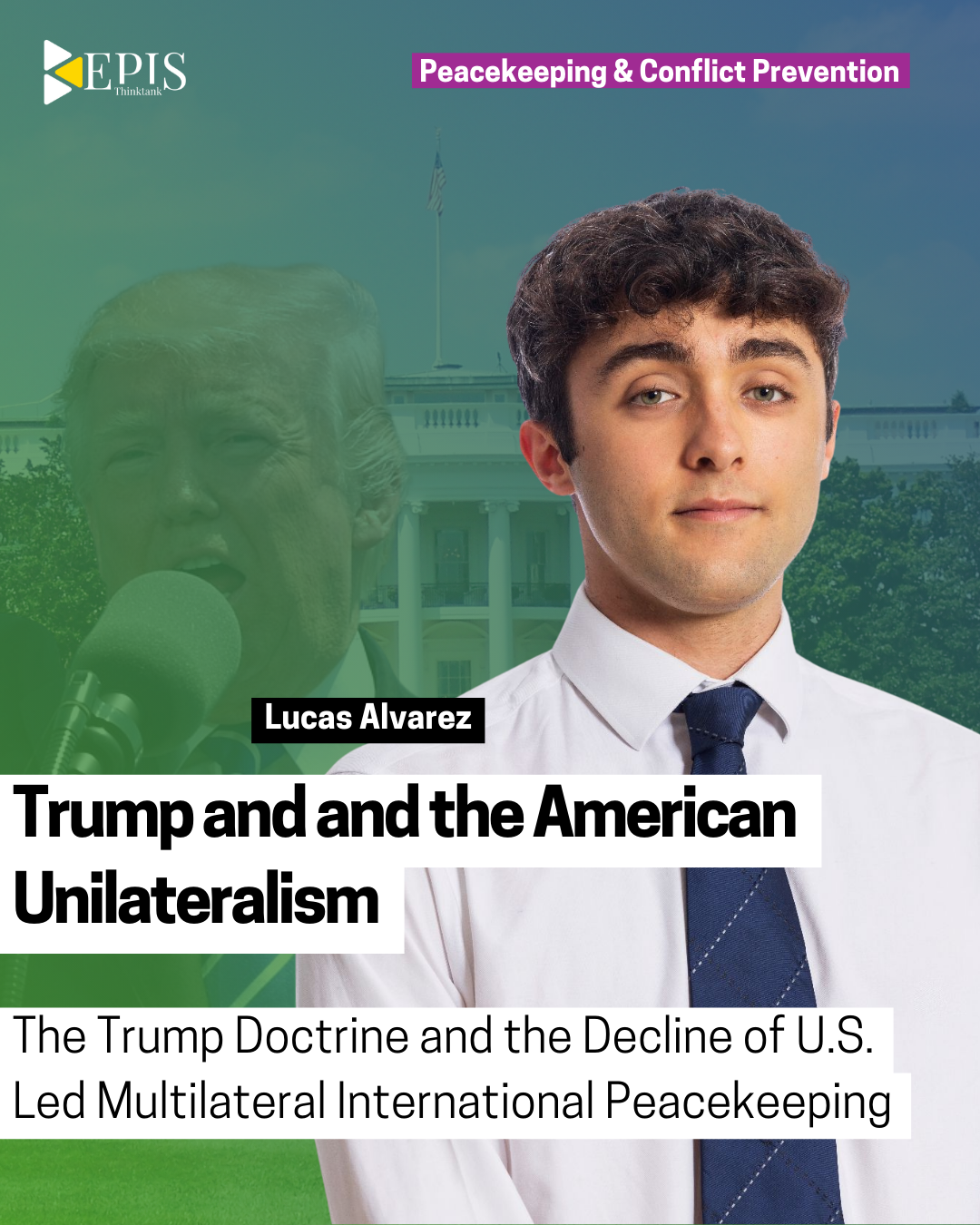
Trump and and the American Unilateralism
How does the Trump doctrine influence the U.S.’ unilateral engagement? The Trump doctrine follows that America’s needs are of primary concern, and multilateral aid, support, and institutions with heavy reliance on U.S. funding and engagement, should be reduced, minimized, or eradicated. The Trump era is demonstrating the risks of American disengagement but also the limits…
-
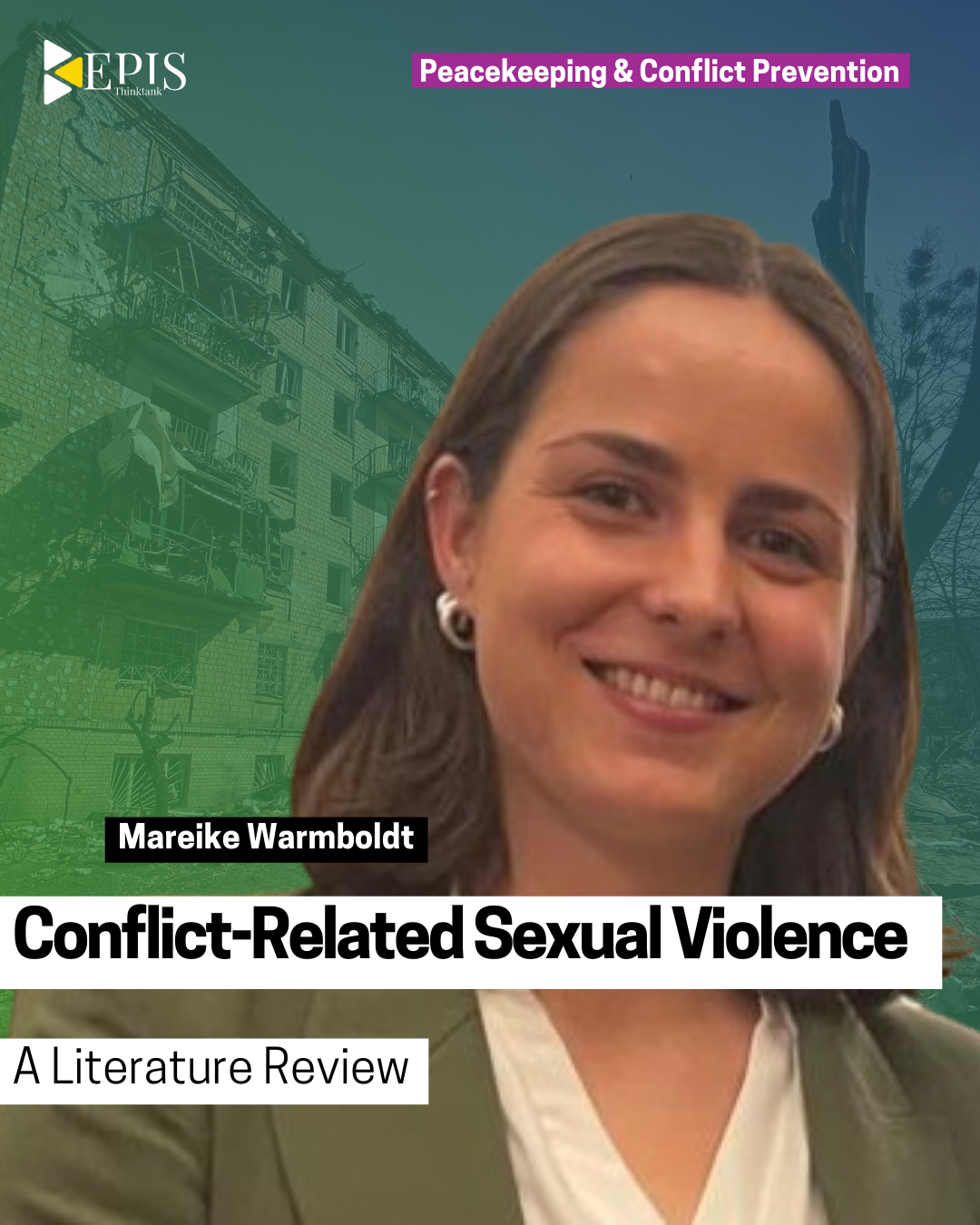
Conflict-Related Sexual Violence
What are current discourses about conflict-related sexual violence? The world is currently experiencing the highest number of conflicts since the Second World War, exposing civilians to increased levels of conflict-related sexual violence (CRSV), exacerbated by arms proliferation, disregard for international law and increasing militarisation. CRSV is complex and multifaceted in nature, shaped by intersecting dynamics…
-
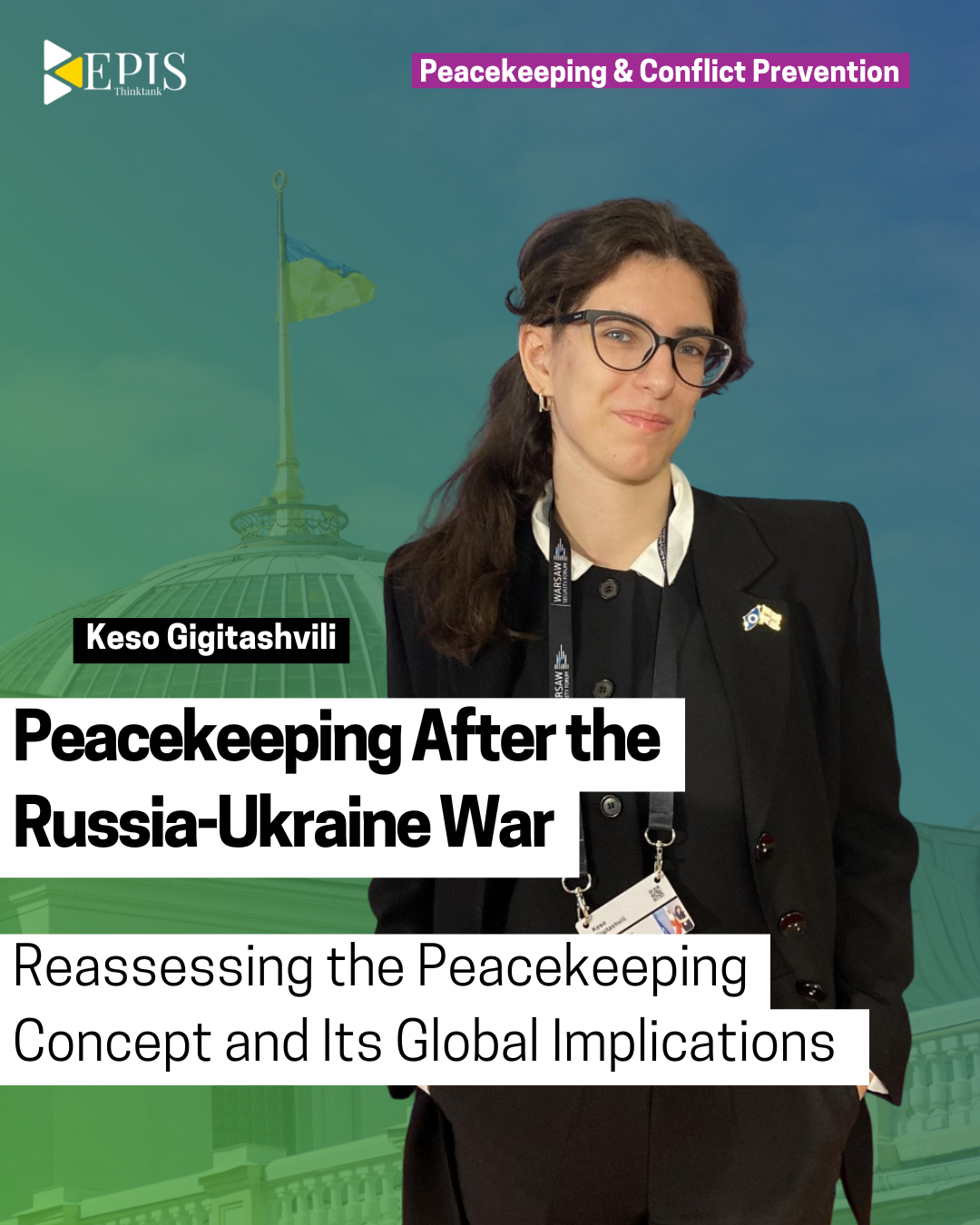
Peacekeeping After the Russia-Ukraine War
What impact does Russia’s war of aggression against Ukraine have on peacekeeping? Russia’s 2022 invasion of Ukraine as a permanent Security Council member lays bare the UN’s structural contradictions, eroding its legitimacy and paralyzing peacekeeping amid great-power conflicts. The future of global peacekeeping hinges on bold reforms to bridge the gap between the UN’s ideals…
-
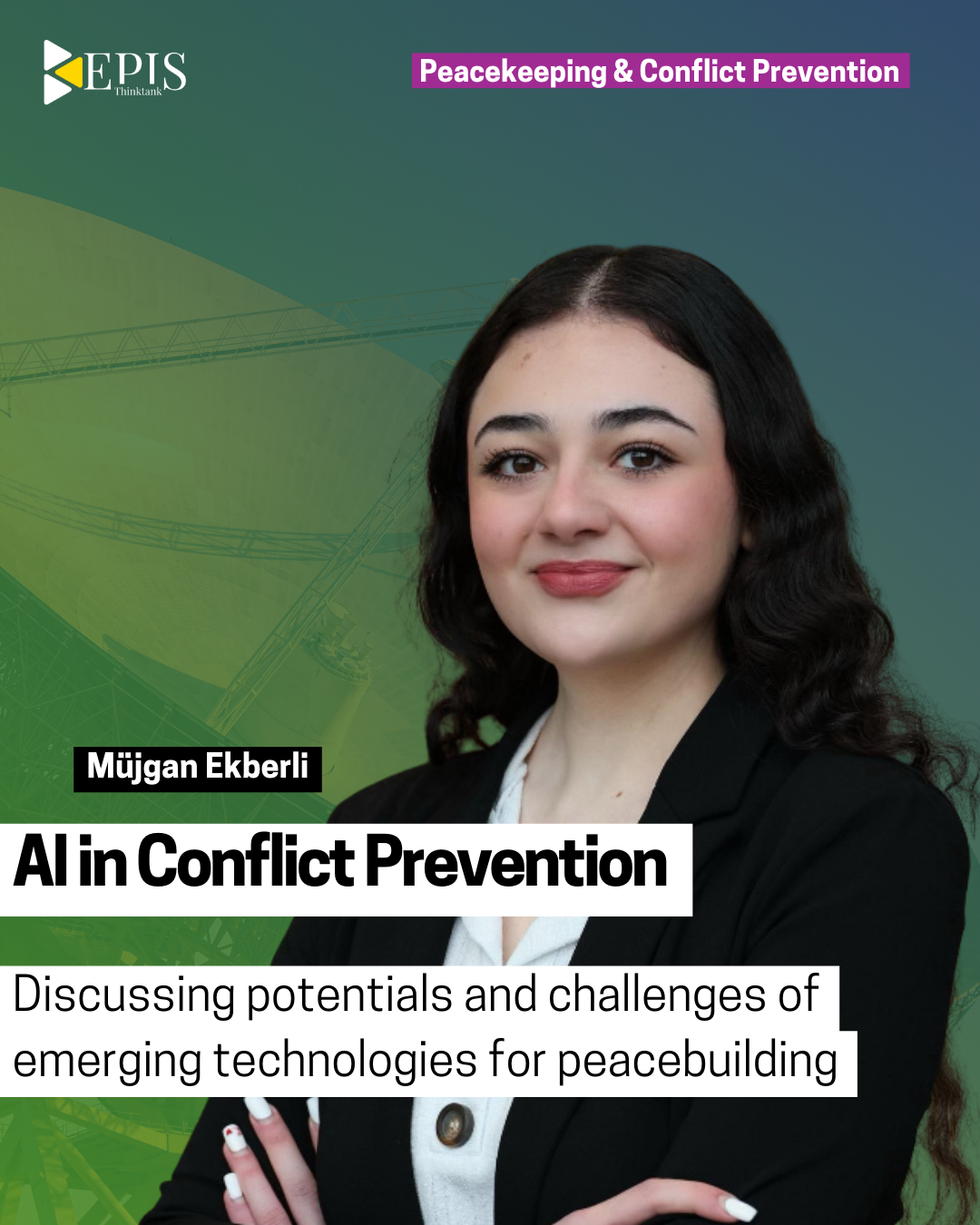
AI in Conflict Prevention
What are the potentials and challenges of the use of AI in conflict prevention? The integration of AI demands inclusive governance frameworks, ethical reflection, and sustained interdisciplinary collaboration. To ensure that AI serves as a force for peace rather than an instrument of surveillance or control, future efforts must center on transparent, participatory, and context-sensitive…
-
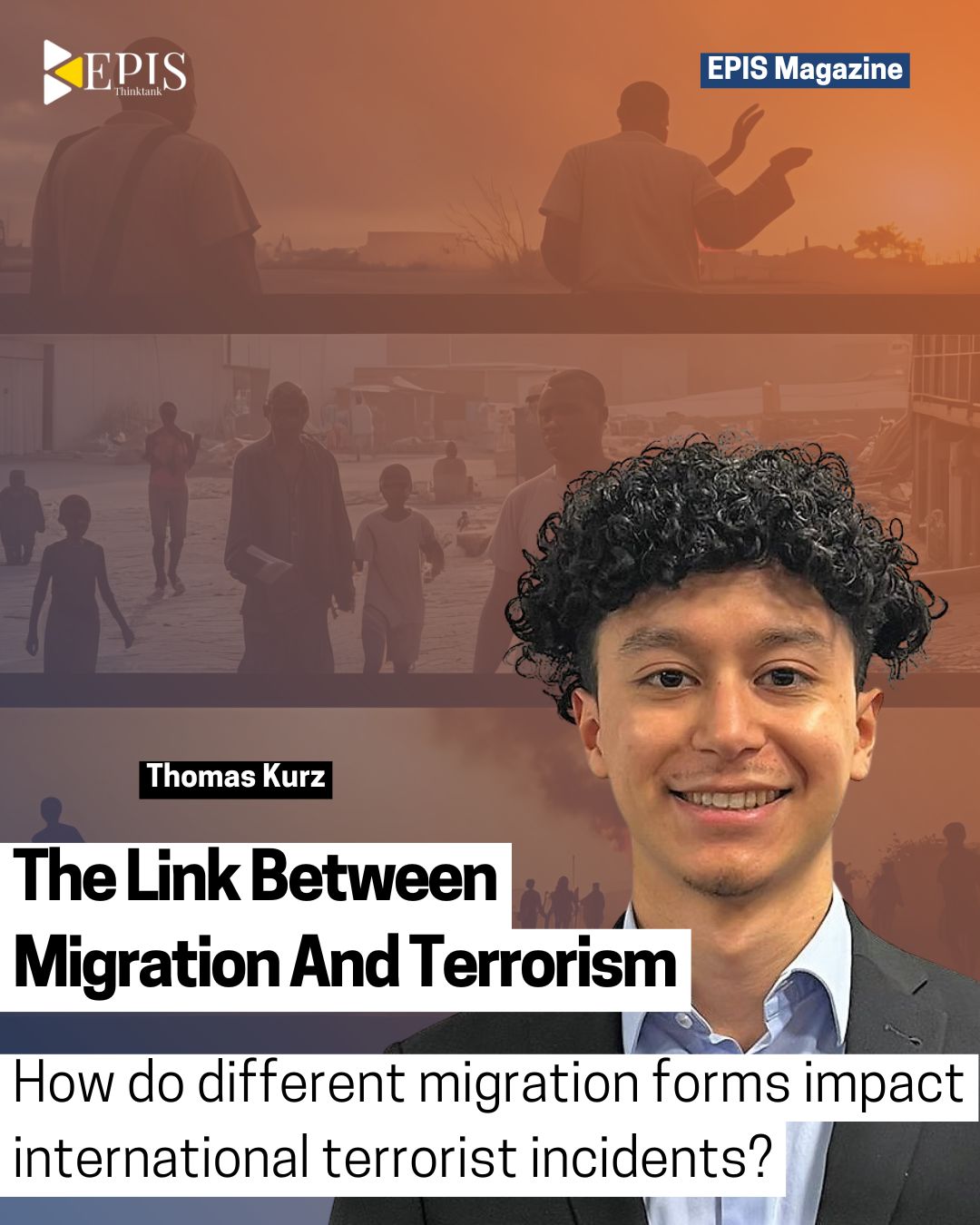
The Link Between Migration And Terrorism
Main question: How do different forms of migration impact international terrorist incidents? Argument: Humanitarian migration, due to socio-economic vulnerabilities and integration challenges, is more linked to increased terrorism risk than non-humanitarian migration, which tends to reduce it. Conclusion: While humanitarian migration shows a small positive correlation with terrorism, its overall impact is minimal.
-
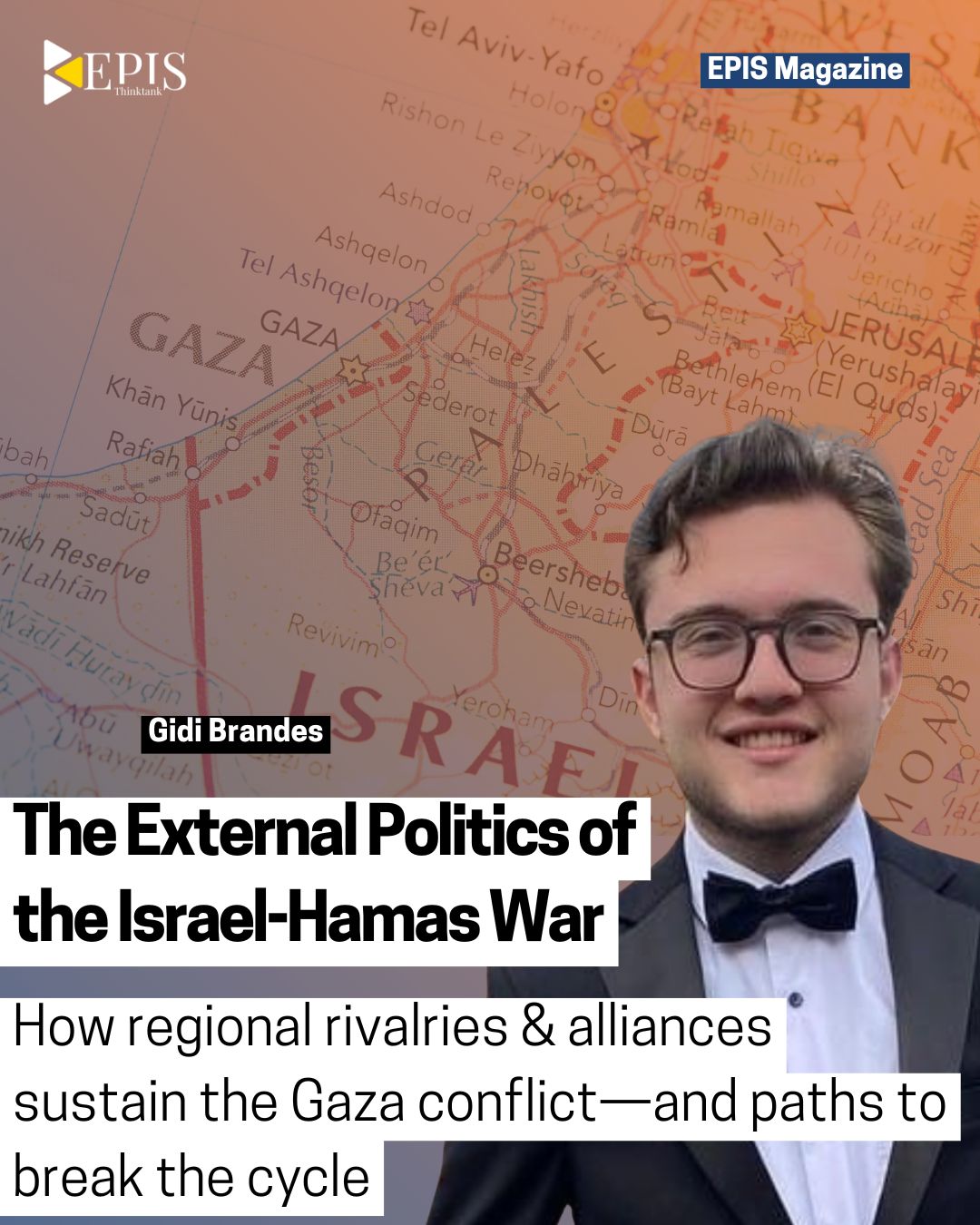
The External Politics of the Israel-Hamas War
Main Question: Why does the Gaza war persist despite international efforts to end it? Argument: Regional powers exploit the Gaza conflict to advance strategic interests, fueling its continuation. Conclusion: Only by reshaping regional incentives and fostering genuine cooperation can the cycle of violence be broken.