Category: Security Policy & Defence
-
Privatizing war
Main question: How have international legal norms adapted to the rise of private military and security companies (PMSCs), and with what consequences for accountability? Argument: States have responded to PMSCs primarily through soft-law mechanisms that normalise private force while avoiding binding legal responsibility. Conclusion: This shift enhances legitimacy and flexibility in security governance but entrenches…
-
Iranian Defence Industry
How did Iran build and operates its defence industry? Through the pursuit of defence autarky, reverse engineering, civil-military fusion and dual-use technologies Iran achieved substantial self-reliance in military production, responding to the evolutionary pressure of the sanctions. However this resulted in a deeply unbalanced system, simultanously innovative and obsolete. It directly leads to the adoption…
-
What Is Deterrence? Core Concepts and Distinctions
Prevention via Cost-Benefit Calculus: Deterrence aims to persuade an adversary that the costs and risks of an offensive action far outweigh any potential gains, thereby maintaining the status quo. Credibility and Capability: Success requires both the actual military capacity to act and the perceived resolve to follow through. Without clear communication and credibility, even the…
-

From Orbits to Ecosystems
How should Europe govern space as it shifts from a technical domain to a strategic ecosystem central to security, economy and governance? Space has become an interconnected, contested ecosystem shaped by geopolitics, markets and governance gaps, where Europe risks dependency due to fragmentation, underinvestment and weak foresight. Strategic foresight is essential for moving from reactive…
-

Between Washington and Berlin
While strategic autonomy remains a key ambition, Europe’s defence still largely depends on transatlantic cooperation, making full independence unlikely in the near future. Europe position itself between U.S pressure and strategic autonomy? 2. Europe is increasingly seeking to develop its own defense capabilities and reduce dependency. 3.While strategic autonomy remains a key ambition, Europe’s defence…
-
The Asymmetric Air War
Russia has massively scaled up its production of long-range drones since the full-scale invasion and is gradually improving their technical characteristics and tactics. This buildup now threatens European states, which can detect incursions but lack a cheap way to stop mass incursions. Europe must rapidly field interoperable, low-cost layered counter-drone systems (counter-drones, EW, lasers) and…
-

The Transnational Engine of Tren de Aragua
RQ: How did Tren de Aragua use Venezuela’s crisis and migrant routes to move from a prison gang to a transnational network? Argument: Its expansion stems from the interaction of state fragility, mass displacement, and diversified criminal markets. Conclusion: TdA shows a new franchise-style, poly-criminal model that policing alone cannot contain.
-
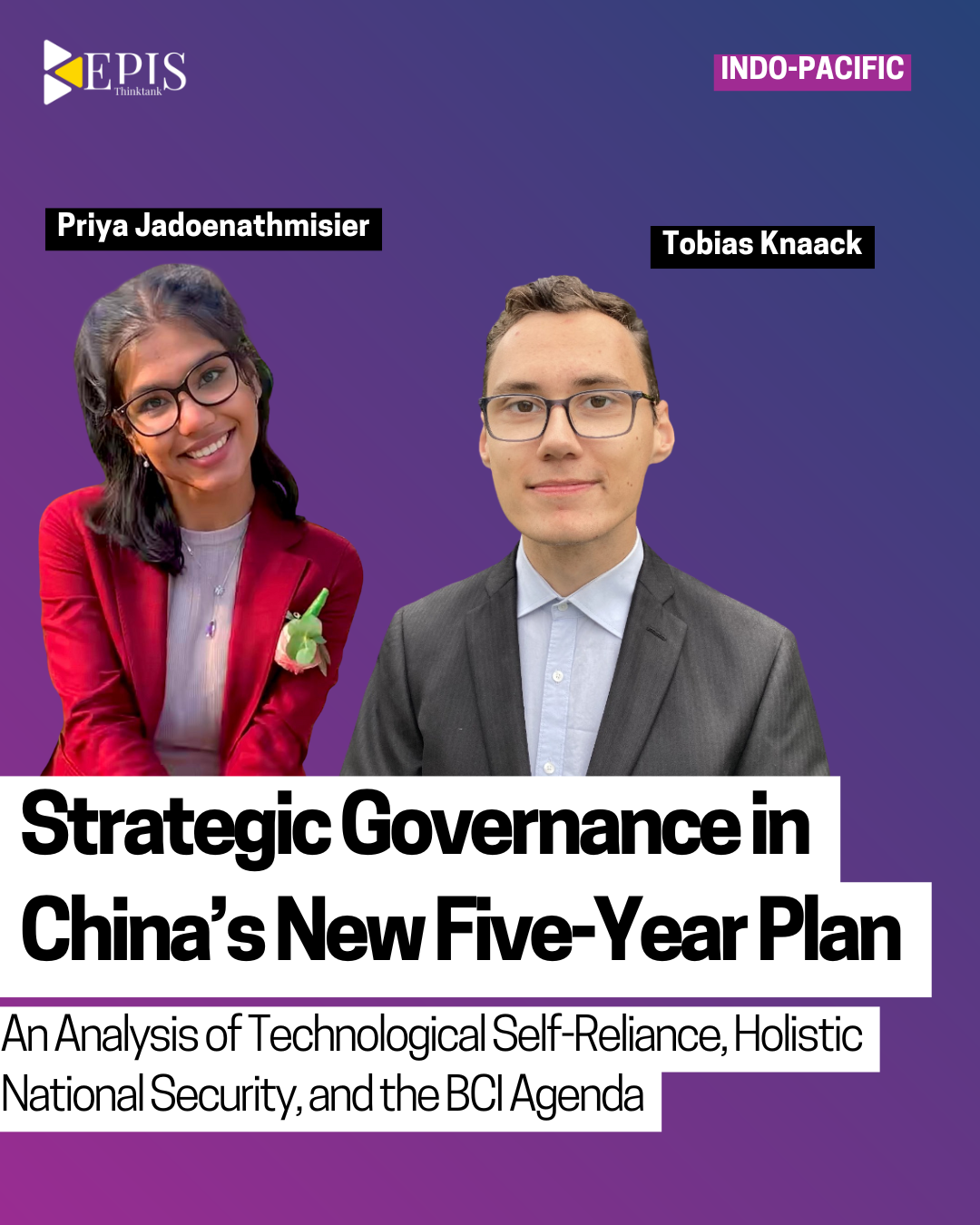
Strategic Governance in China’s New Five-Year Plan
Main question: How does China’s new Five-Year Plan strengthen technological self-reliance, national security, and ecological sustainability? Argument: The Plan integrates these domains under Xi’s holistic security framework to reduce external vulnerabilities and secure long-term stability. Conclusion: China is restructuring its economy to achieve strategic autonomy and resilience.
-
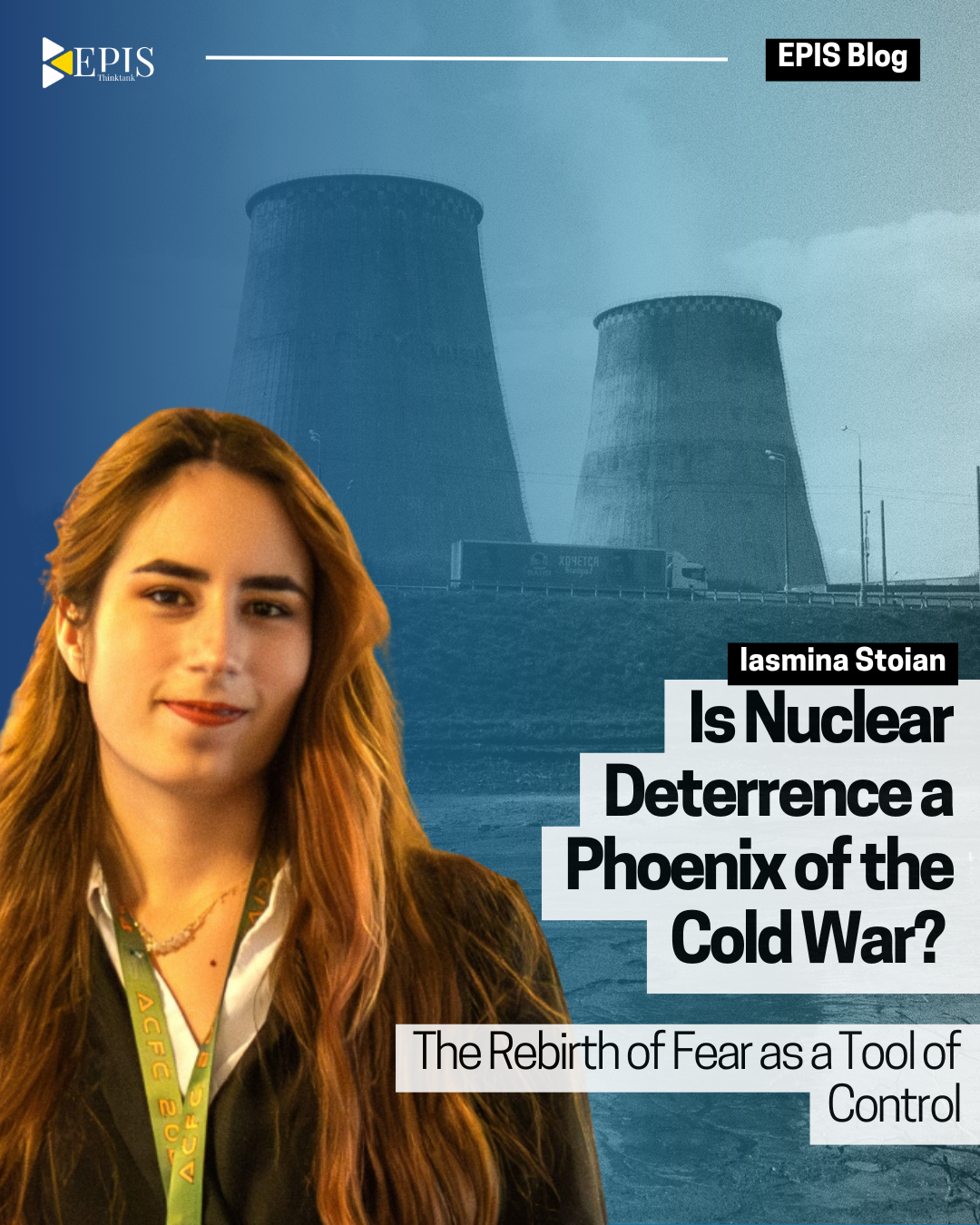
Is Nuclear Deterrence a Phoenix of the Cold War?
Is nuclear deterrence truly fading or rising again since the Cold War? Treaty erosion, modernization, politics and alliances show its revival like a phoenix. While promising security, nuclear deterrence increases humanitarian risks and global tensions, making the global community question its true cost.
-

Strengthening Europe’s Orbit
Why is Europe still vulnerable in space despite its relevance? Europe’s defence remains nationally fragmented, with divergent doctrines, weak shared situational awareness (SSA), slow attribution, and uncoordinated capabilities. Strengthening coordinated SSA, shared response standards, and joint capability development would allow Europe to build a resilient space security posture without creating a supranational military command.