Tag: Human Rights Promotion
-
Accountability and Corruption in Humanitarian Aid
Main question: How can humanitarian aid stay efficient while preventing corruption? Argument: Strong, system-wide accountability, coordination, and community feedback reduce corruption risks in crisis response. Conclusion: Accountability and rapid action are compatible; investing in adaptive oversight and participation protects aid integrity and ensures assistance reaches those in need.
-
China and Human Rights Protection in Ethiopia
This article asks to what extent China’s principle of non-interference contributes to the weakening of international human rights pressure in Ethiopia. It argues that China’s extensive economic investments, creditor leverage, and diplomatic support, without governance or human rights conditions, reduce Western influence and limit accountability. Further Western engagement and support for Ethiopian civil society is…
-
Iran’s Protests
Was January 2026 a turning point in Iran’s political trajectory? This article argues that the combination of economic collapse, moral outrage, and overt rejection of regime legitimacy represents a decisive shift in Iranian dissent, even as opposition fragmentation and security cohesion constrain outcomes. As a result, prolonged instability narrows the regime’s strategic options and accelerates…
-

Post-Election Human Rights Violations in Tanzania
To what extent do post-election events in Tanzania constitute violations of international human rights law? Evidence from international organisations and civil society indicates breaches of the rights to life, liberty, due process, expression, and political participation. Facts suggest serious non-compliance with binding legal obligations, requiring independent investigation under international standards.
-
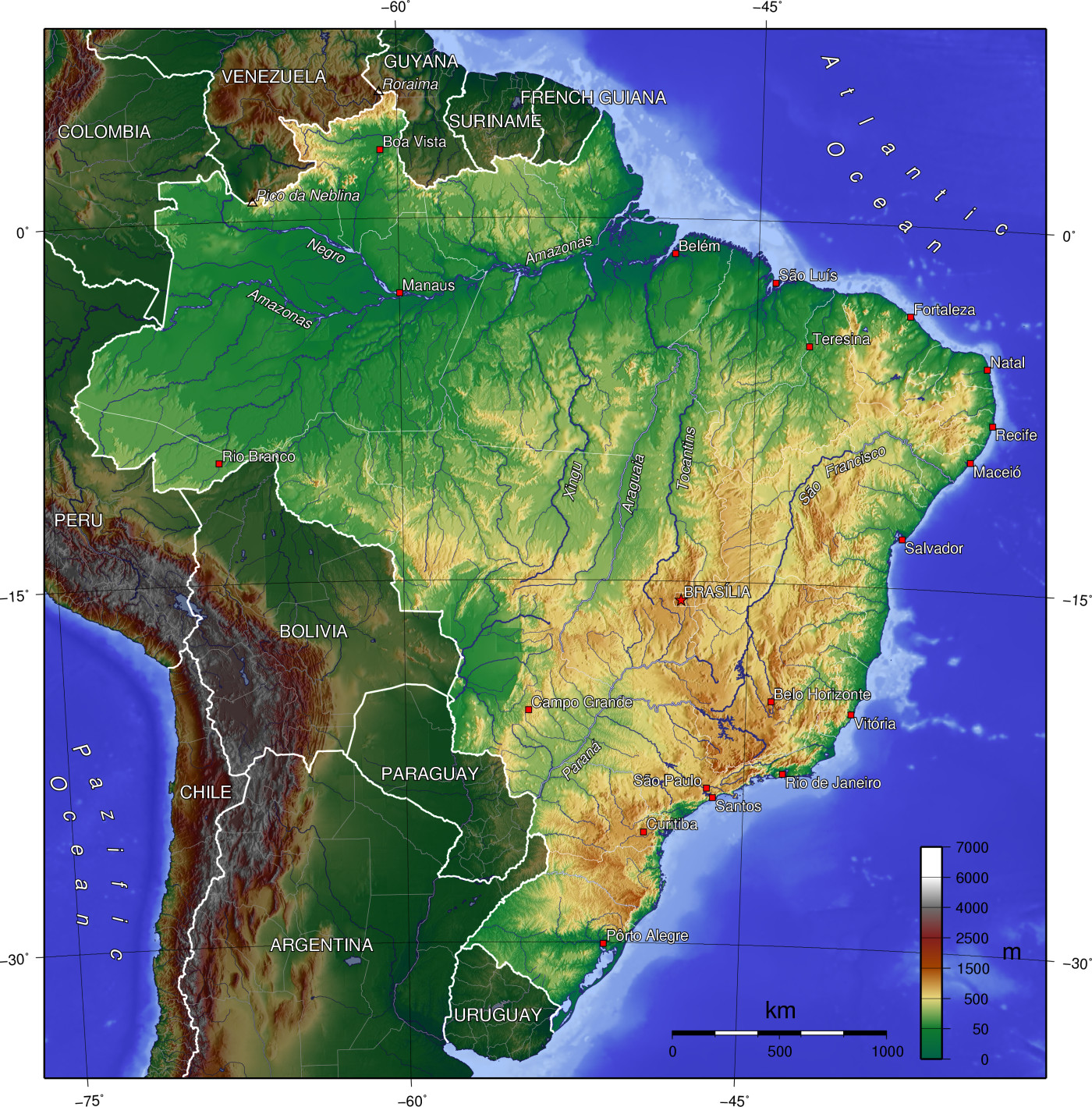
Indigenous Rights at COP30 in Brazil
To what extent does COP30 take into account the rights and participation of Indigenous people affected by climate change in Brazil? Whilst COP30 improved Indigenous participation and brought some positive actions, it failed to establish significant protections for Indigenous rights. More must be done to safeguard Indigenous rights amidst the climate change crisis.
-

Freedom to choose in Syria
The parliamentary elections in Syria may seem a step toward stability, giving the government legitimacy and a claim to international recognition. However, the way the vote was conducted, limited minority inclusion, and presidential control of one-third of seats raise doubts about genuine democratisation. Results are unrepresentative and could fuel tensions, making the elections more a…
-
Women of Afghanistan
Question: Why won’t the international community call the Taliban’s systematic oppression of women gender apartheid? Argument: The Taliban’s regime meets every condition of apartheid (systematic oppression, intent to dominate, state-enforced coercion) except it targets gender. This legal gap has become an alibi for global inaction. Conclusion: If Afghanistan’s erasure of women from public life isn’t…
-
What is Happening to People in El Salvador?
Can El Salvador’s state of exception, declared to combat gang violence, justify suspending constitutional rights and widespread human rights abuses? While the government claims improved security, the emergency has led to arbitrary detentions, disappearances, torture, and overcrowded prisons under conditions resembling authoritarian regimes. The pursuit of security through repression undermines democracy, leaving El Salvador trapped…
-
Papal Diplomacy
Since World War II, the Holy See has used its moral authority to engage actively in reconstruction, diplomacy, and the promotion of human rights. Pope Pius XII expanded international relations, especially with newly independent states. Vatican Ostpolitik gained momentum from the 1970s, particularly under John Paul II. Papal diplomacy does not pursue power interests but…
-
Beyond the Battlefield
What impact does the WPS Agenda have on NATO’s Peace Operations and strategies? The enhanced operational effectiveness through the integration of the WPS agenda helps strengthening gender-transformative processes at NATO. Openness to restructuring and improvement is beneficial for everyone and thus contributes to NATO’s overall goal: security for all.