Author: Pablo Mathis
-
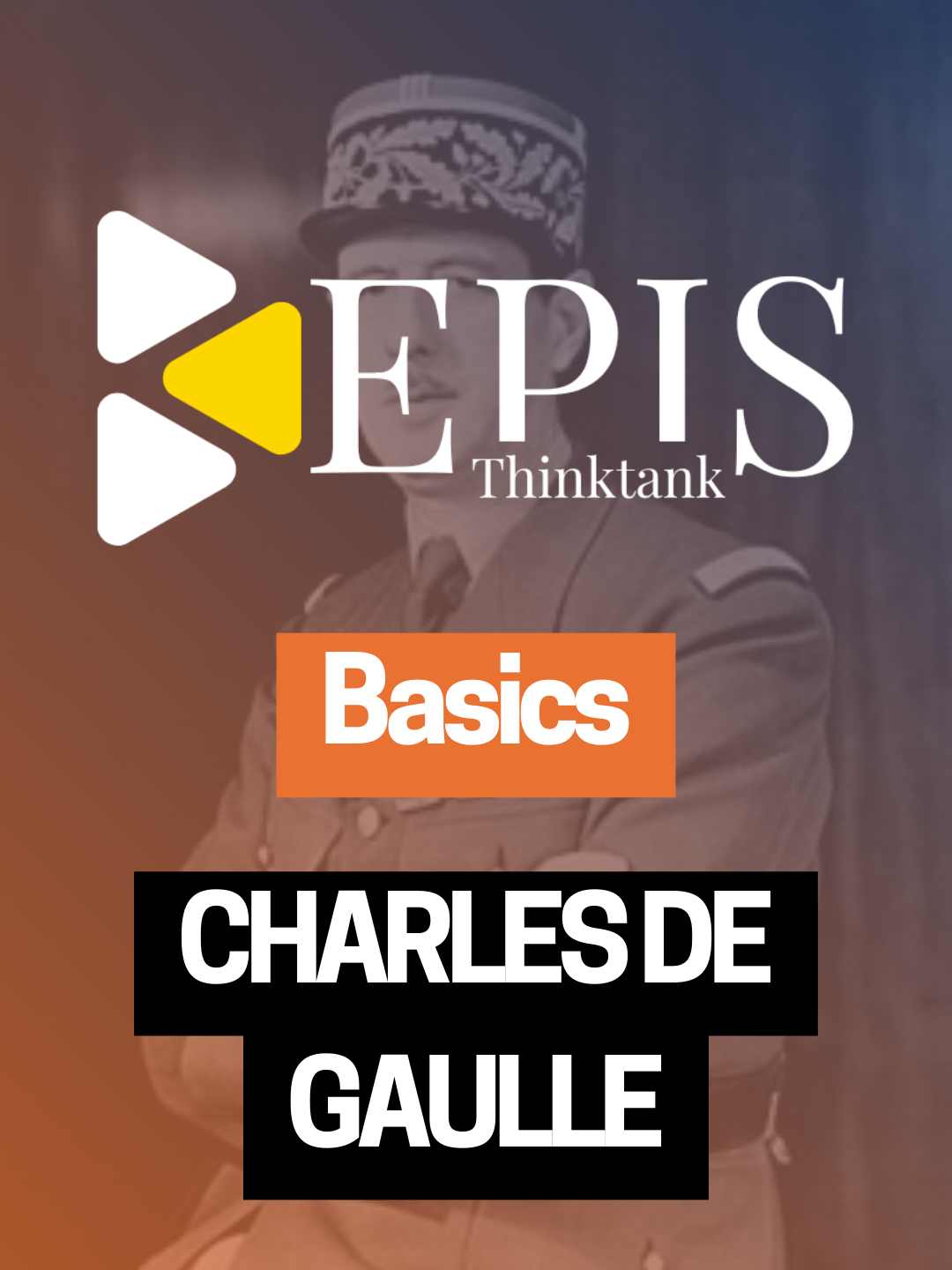
Charles De Gaulle
Charles de Gaulle, often known as the General, was a prominent French military leader and statesman. As a president of France, he pursued a policy of “national independence” asserting French sovereignty and opposing both American and Soviet dominance during the Cold War. This led him to withdraw France from NATO’s integrated military command and to…
-
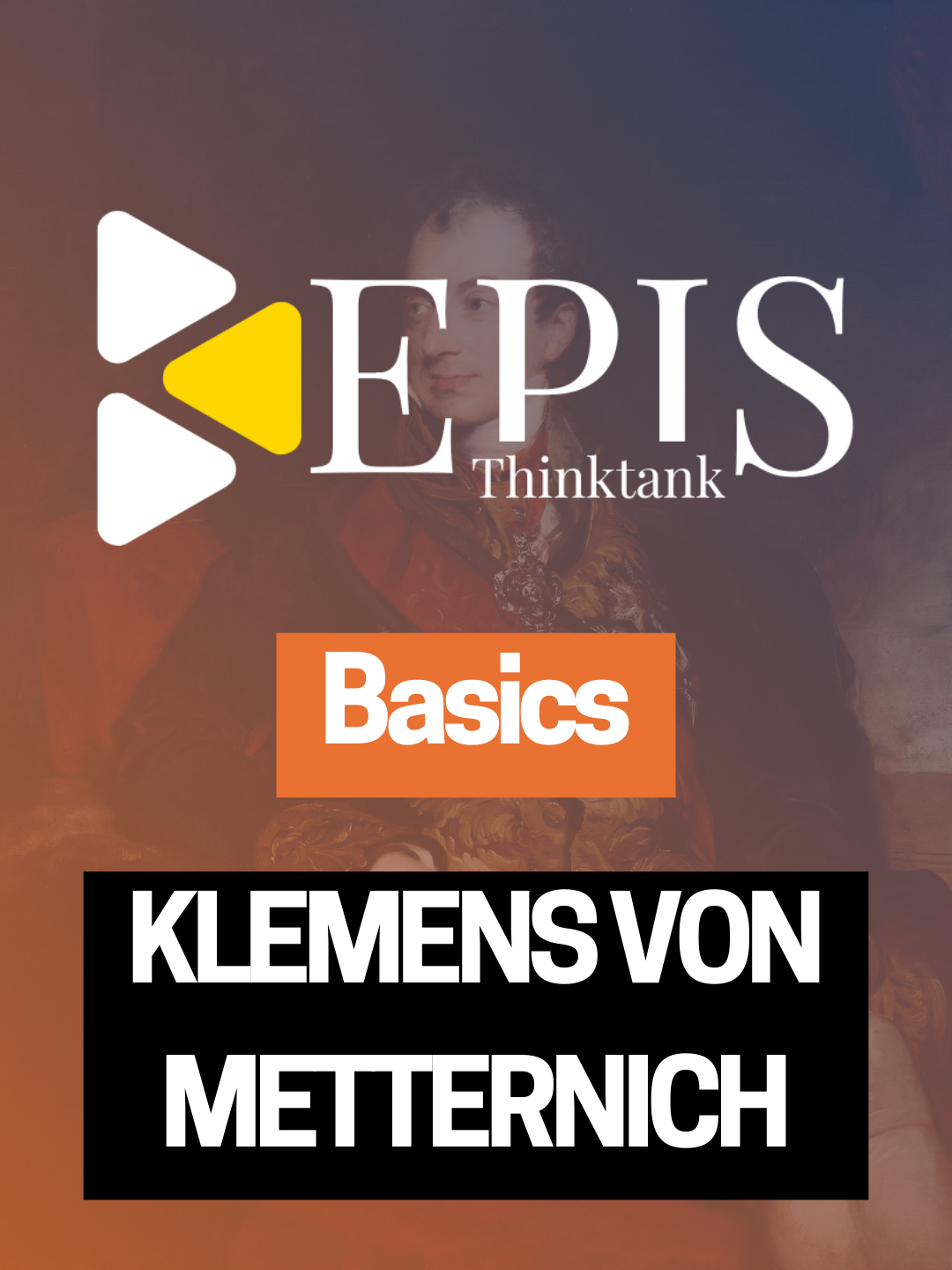
Klemens von Metternich
Klemens von Metternich was an Austrian foreign minister and chancellor. After the Napoleonic Wars, Metternich oversaw the Congress of Vienna. and created the Concert of Europe. The Concert of Vienna intended to preserve peace in Europe through a stable balance of power and restoring monarchies. The latter was intended to increase the legitimacy states granted…
-
Hedging
Hedging, a relatively new concept, refers to a strategic approach where states simultaneously pursue multiple policies to manage uncertainty and to adapt to changing geopolitical dynamics. This involves both maintaining a flexible stance and hedging against potential risks. This strategy aims to have a balance between safeguarding security and maximising advantageous opportunities in an unpredictable…
-
Safety and Security
Accidents vs. Intent: In professional contexts, Safety refers to protection against unintentional hazards or accidents (e.g., wearing a helmet), while Security refers to protection against intentional threats or malice (e.g., guards against theft). Systemic Overlap: In critical infrastructure, the two are inseparable; a security breach (a hack) can lead to a safety failure (an explosion).…
-
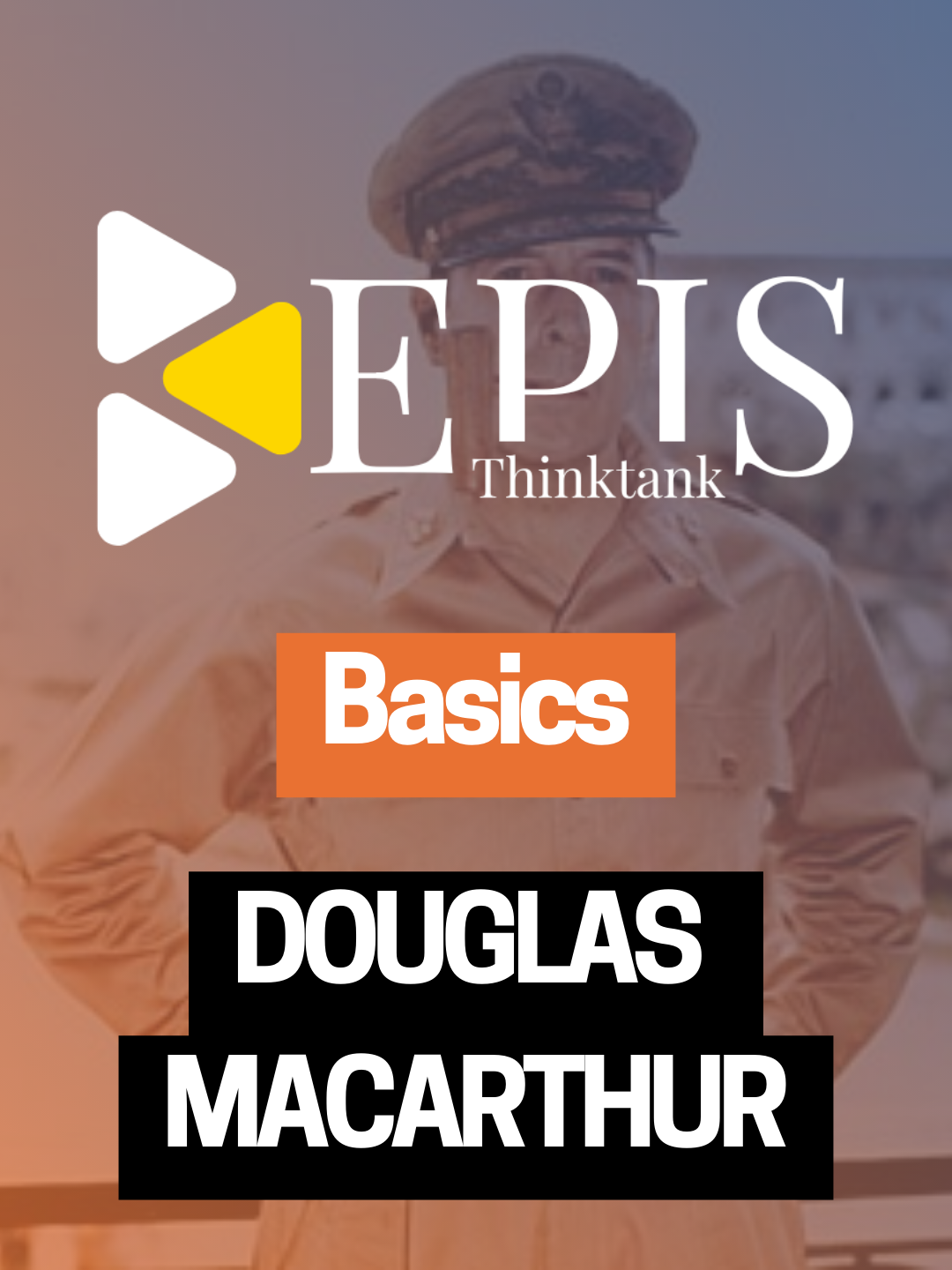
Douglas McArthur
A general in the First and Second World War, McArthur became supreme commander of the Allied Forces in Japan. In the latter function, McArthur oversaw postwar socio-political reforms in Japan and the creation of the International Military Tribunal for the Far East. McArthur later led the United Nations Command in the Korean War. After publicly…
-
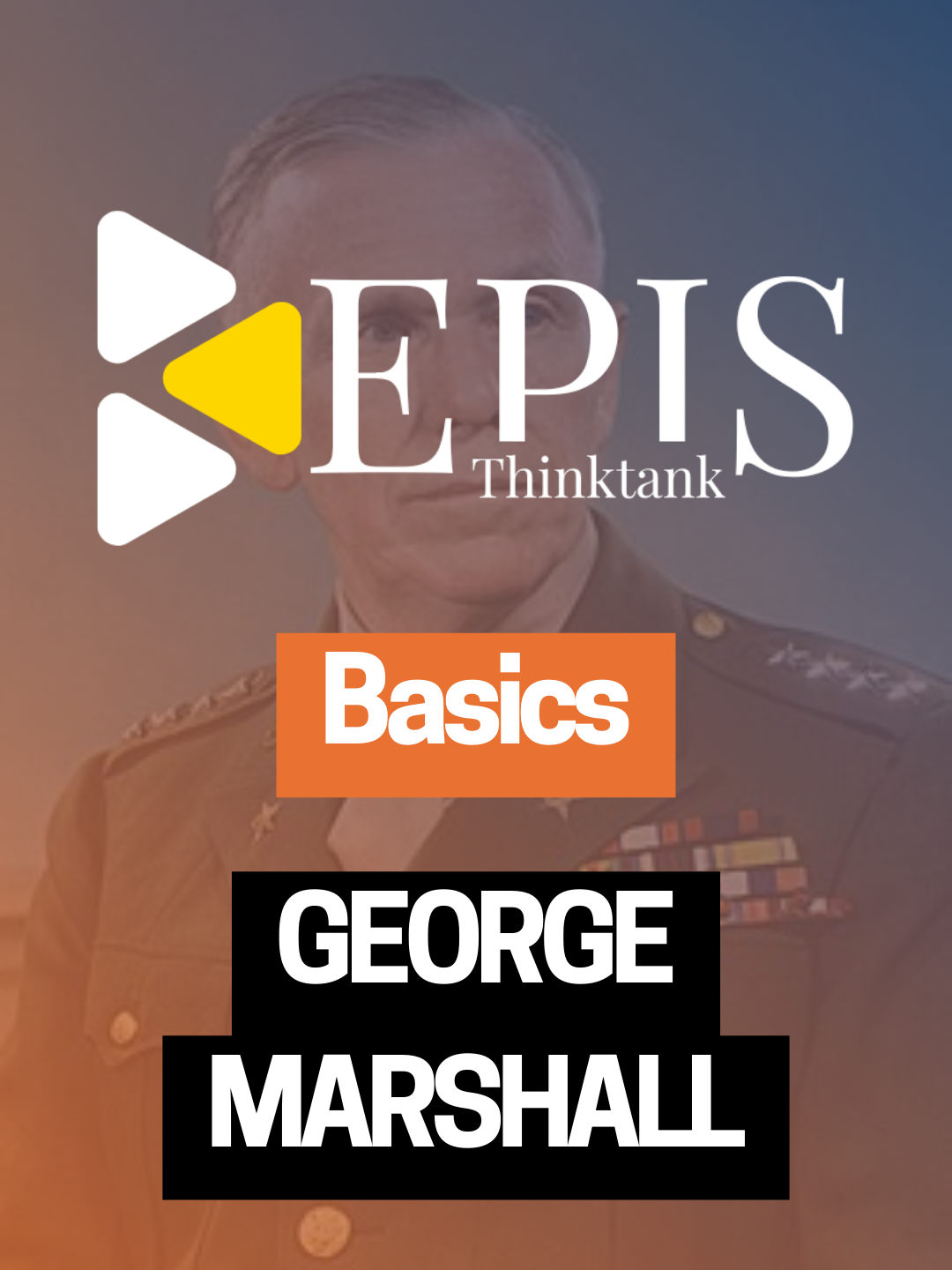
George Marshall
A World War 2 general, Marshall became secretary of state in 1947 under President Harry Truman. Marshall is often brought in connection with the Marshall Plan. Although Marshall supported US economic aid to Europe, Marshall did not author the Marshall Plan. Instead, he lent his prestige and reputation as a former general to promoting the…
-
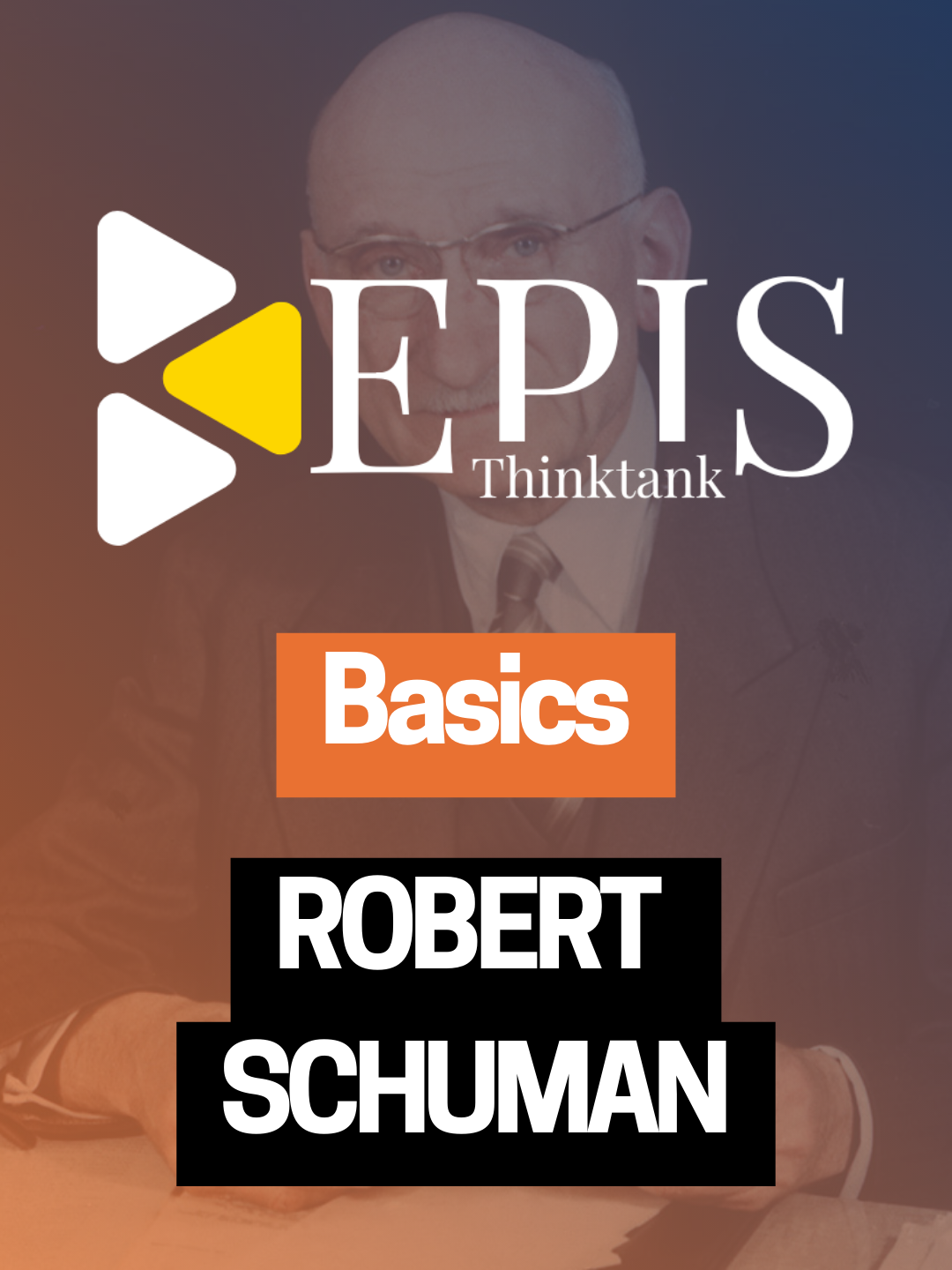
Robert Schuman
Robert Schuman, a French statesman, played a crucial role in the formation of the EU. After WWII, he proposed the idea that close economic ties between nations could deter conflict, an idea central to liberalism. This concept is called the Schuman Plan, which led to the formation of the European Coal and Steel Community. This…
-
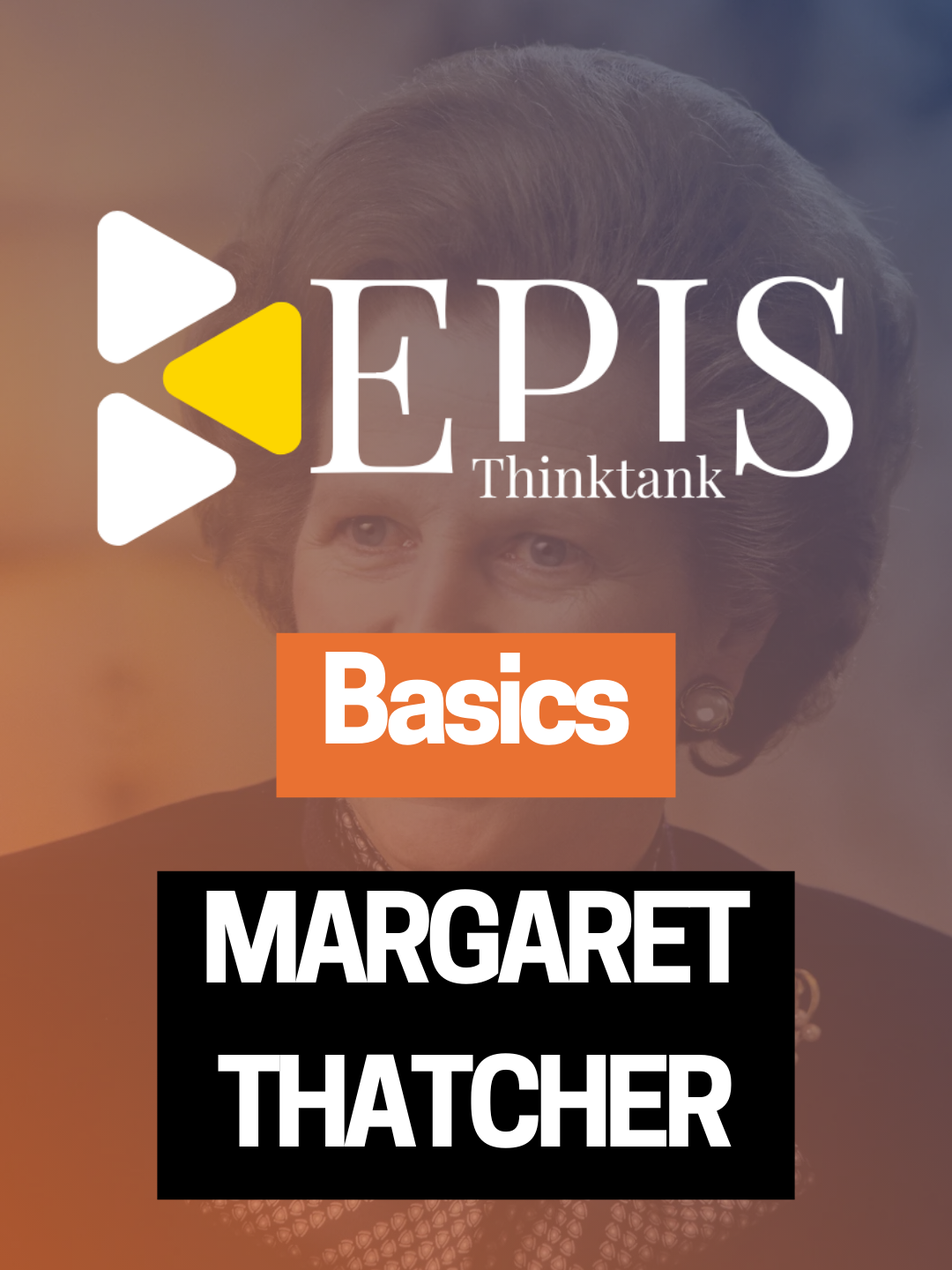
Margaret Thatcher
Margaret Thatcher, a former UK Prime Minister, reshaped international relations through assertive diplomacy and conservative ideology. Her resolute stance of distrust of communism reinforced the UK’s relationship with the US. Thatcher also championed free-market principles and deregulation of the economy which influenced global economic policies. Her firm leadership left an enduring mark on geopolitics and…
-

Environmental Security
Environmental Security contends that environmental issues are vital to global stability and national security. This concept emphasises the interconnection between ecological issues and traditional security concerns. This perspective first and foremost highlights potential conflicts over environmental resources or the displacement of populations due to environmental factors. It asserts the need for international cooperation to address…
-
Neorealism
Neorealism, also known as structural realism, argues that the structure of the international system impacts state behavior. Neorealism contends that the anarchic nature of the international system, where there is no central authority, drives states to prioritise their own security and survival. Unlike classical realism, neorealism puts more emphasis more on systemic factors and downplays…