Category: EPIS Basics
-
African Union
The African Union (AU) is a continental organisation consisting of 55 African nations. Its goal is to enhance political, economic, and social cooperation across the continent. The AU seeks to prevent and manage conflict through organs like its Peace and Security Council. The AU has also compromised that it is possible to militarily intervene in…
-
International Monetary Fund
The International Monetary Fund (IMF) is an international financial institution founded at the Bretton Woods Conference along with the World Bank. The IMF aims to foster global monetary cooperation, ensure exchange rate stability, and facilitate international trade. It also offers financial assistance and policy advice to help countries manage economic challenges, often requiring structural reforms…
-
Social Constructivism
Constructivism focuses on the role of ideas, norms, and identities in shaping global politics. It contends that international outcomes are influenced by not only material factors but also non-material factors such as socially constructed perceptions and conventions. Constructivism highlights the importance of shared beliefs, cultural practices, and historical contexts in shaping state behavior. It argues…
-
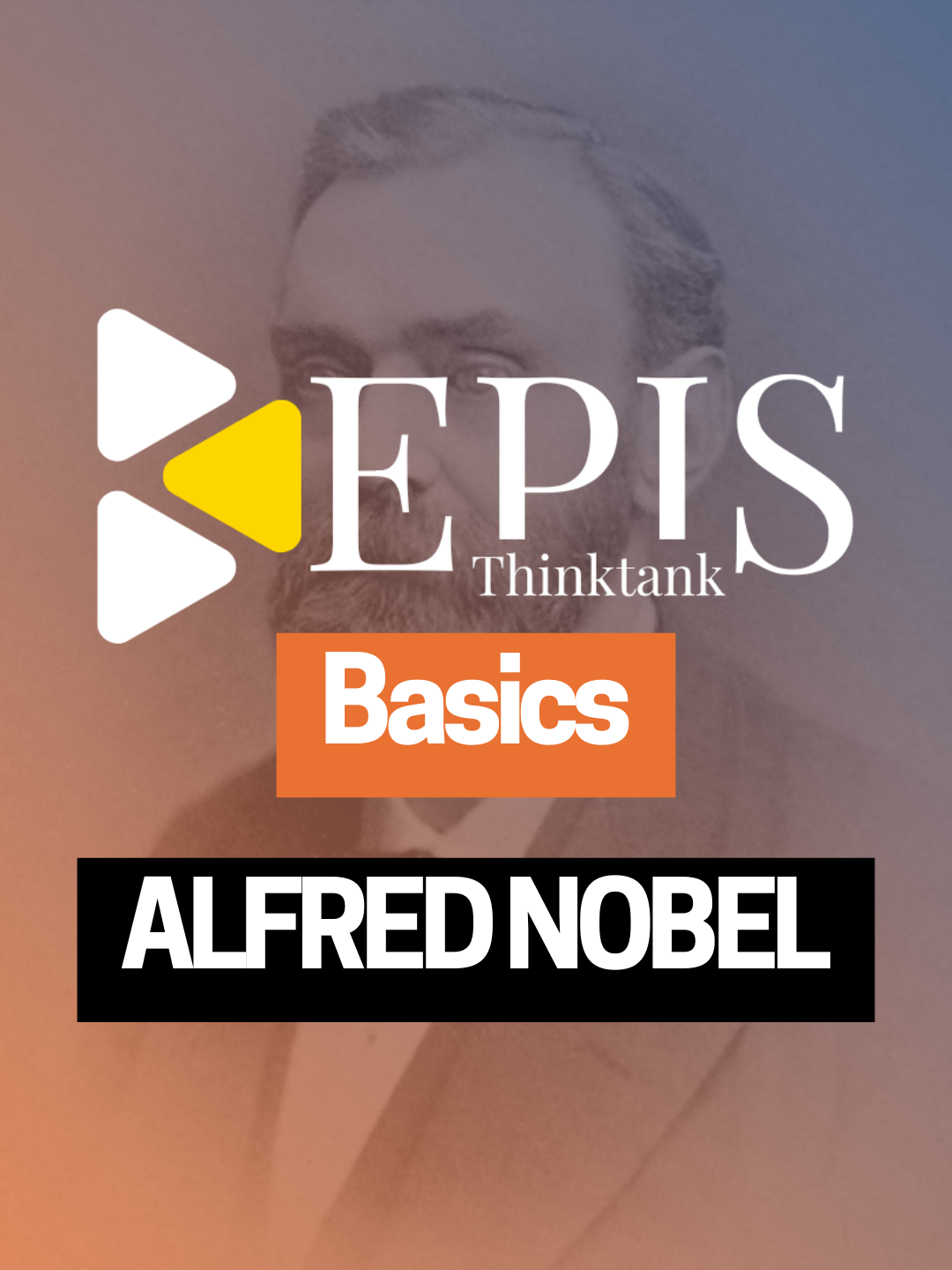
Alfred Nobel
Nobel made a fortune by inventing dynamite. He remained childless. Hence, after his death, he made his fortune available for funding the Nobel Prize.
-
Balance of Power Theory
The Balance of Power Theory suggests that states seek to prevent any single state or coalition from dominating the international system. This behavior is derived from the threat of each states’ survival. If one state gains significant power, it will take advantage of its less powerful neighbors. The theory contends that states will naturally form…
-
Balance of Threat Theory
The Balance of Threat Theory asserts that states form alliances based on the threat they perceive from other states. It contends that states evaluate potential threats not only regarding power but also consider the level of aggression, the capabilities, and the intentions of other states. This theory highlights the importance of assessing threats and suggests…
-
Balancing and Bandwagoning
Balancing and bandwagoning are two strategies that states employ in response shifts in the balance of power. Balancing refers to the tendency of weaker states to form alliances to counterbalance against a stronger power in order to maintain a stable power equilibrium. On the other hand, bandwagoning involves weaker states aligning with a dominant power,…
-
Counterforce and Countervalue
Counterforce describes the ability to conduct nuclear strikes against militarily relevant targets such as army bases. Counterforce strikes depend on smaller, tactical nuclear weapons. Countervalue describes nuclear attacks against non-military targets such as cities. In doing so, larger strategic nuclear weapons are utilised.
-
Deng Xiaoping
Deng Xiaoping’s transformative leadership reshaped China’s global presence. As part of his Reform and Opening-up diplomacy, he sought foreign investment and partnerships, opening the nation to international trade and driving China’s rapid economic growth. Deng also proposed the ‘One Country, Two Systems’ approach for the governance of Hong Kong. Deng’s shift to economic pragmatism reshaped…
-
Environmental Security
Environmental Security contends that environmental issues are vital to global stability and national security. This concept emphasises the interconnection between ecological issues and traditional security concerns. This perspective first and foremost highlights potential conflicts over environmental resources or the displacement of populations due to environmental factors. It asserts the need for international cooperation to address…