Author: Pablo Mathis
-
Democratic Peace Theory
The Democratic Peace Theory argues that democracies are reluctant to engage in armed conflict with other democracies. This theory proposes that shared democratic norms lead to higher level of peaceful relations among democratic countries. It is based on the notion that democracies are accountable to their citizens, and citizens generally prefer peace over conflicts. However,…
-
Organizational Behavior Model
According to the organisational behaviour model, states’ behaviour is not utility-maximizing. Instead, state action resembles the organisational output of government agencies. Organisations operate according to standard operating procedures, which can increase efficiency. However, standardisation also means procedures cannot be tailored to specific circumstances and could be outdated. Subsequently, government agencies might act in ways contradicting…
-
Offence-Defence Balance
The offence-defence balance is the ratio between the resources belligerents need to conduct offensive or defensive operations. For example, a ratio of 1:4 would indicate that a defender needs one soldier to defend against four attackers. Realists have often sought to use the offence-defence balance to explain how material power can be transformed into actual…
-
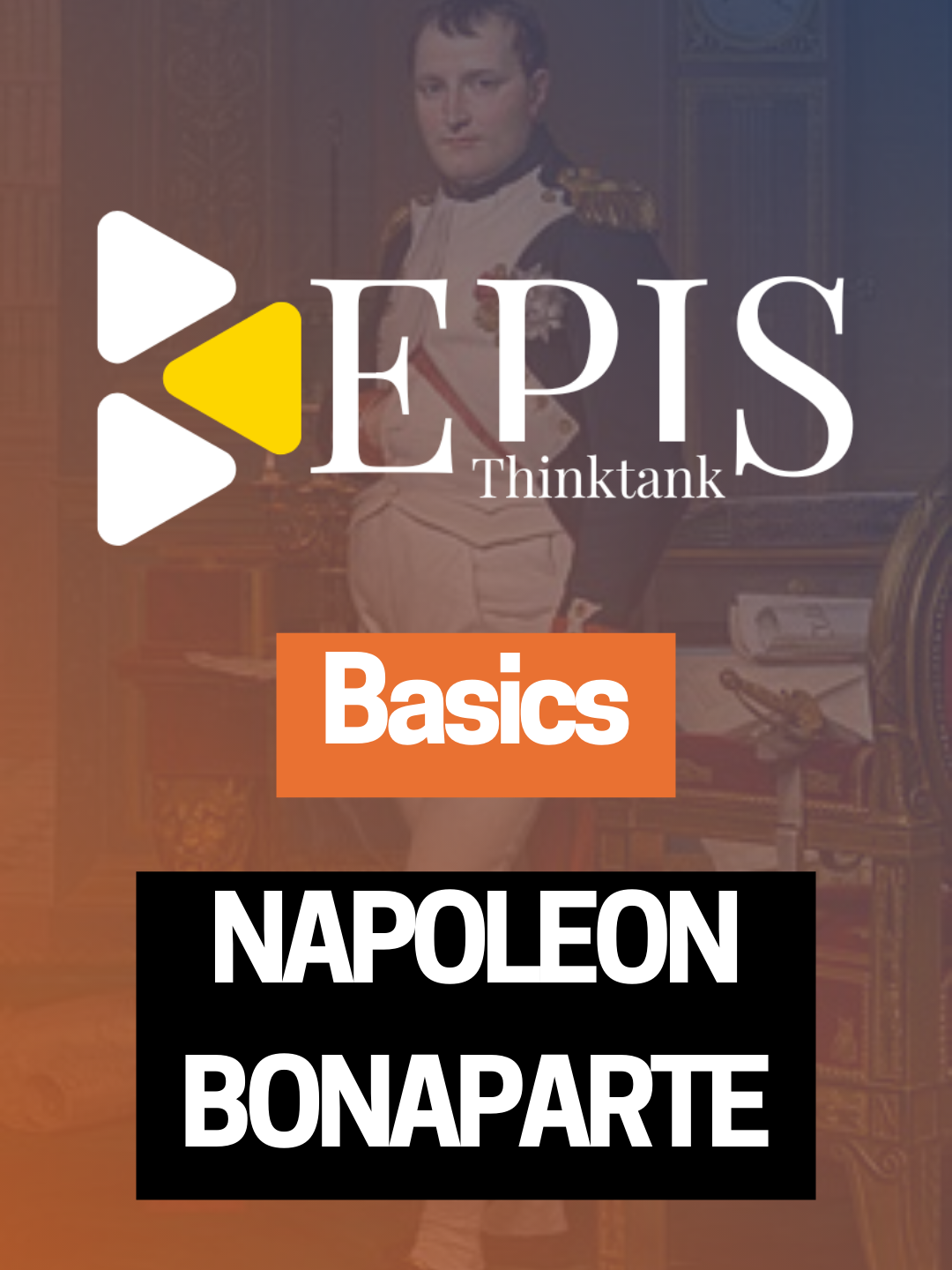
Napoleon Bonaparte
Napoleon became First Consul of France in 1796 and Emperor of France in 1804. Napoleon’s subdual of most of Continental Europe saw the rise of nationalism and the spread of the ideals of the French Revolution. Napoleon’s Grand Armée was severely weakened by his failed invasion of Russia in 1812 and suffered defeat at the…
-
ASEAN
The Association of Southeast Asian Nations (ASEAN) is a regional intergovernmental organisation of 10 member states, promoting regional peace and stability and accelerating economic growth. It promotes the “ASEAN Way” which refers to an approach to solving issues that respect the region’s cultural norms. Its key principles include non-interference in domestic affairs and consensus-based decision-making.
-
Treaty on the Non-Proliferation of Nuclear Weapons
Entering into force in 1970, the Treaty on the Non-Proliferation of Nuclear Weapons aimed to limit the possession of nuclear weapons while promoting the peaceful use of atomic energy. The treaty only permits the US, USSR (Russia), the UK, France, and China to possess nuclear weapons. In exchange for this exclusivity, the countries with nuclear…
-
AUKUS
In 2021, Australia, the United Kingdom, and the US established a trilateral pact called AUKUS. The AUKUS consists of two pillars. In an unprecedented step, the first pillar sees the US and UK share submarine technology with Australia. The aim is for Australia to domestically produce nuclear-powered, conventionally armed submarines by the 2040s. As part…
-
World Trade Organisation
Established in 1995, the World Trade Organization (WTO) is dedicated to facilitating global trade. To this end, the WTO oversees more than 60 treaties on removing trade barriers, facilitating market access and promoting economic growth. If a WTO member state is believed to violate trade rules, members have pledged not to take action unilaterally. Instead,…
-
International Committee of the Red Cross
1859, Swiss businessman Henry Dunant witnessed the aftermath of the Ballte of Solferino. Shocked by the widespread suffering, Dunant became a founding member of the International Committee of the Red Cross (ICRC) in 1863. The ICRC was the first organisation dedicated to helping wounded soldiers and providing help to all wounded belligerents. The Red Cross’s…
-
Organization of the Petroleum Exporting Countries
The Organization of the Petroleum Exporting Countries (OPEC) is an international organization founded by oil-producing nations. Its primary objective is to coordinate and regulate the production and pricing of petroleum to collectively influence the global oil market and maximize profit. OPEC seeks to balance the interests of both producers and consumers by managing oil supply…