Author: Suhaib Shaukat
-
Beyond OPEC: The UAE’s Strategic Shift
Main question: Why is the UAE leaving OPEC, and what are the consequences for geopolitics and global energy markets? Argument: The UAE seeks greater economic flexibility and strategic independence from Saudi-led OPEC policies. Conclusion: The withdrawal reflects a fragmenting global energy order and may weaken OPEC while increasing oil market volatility.
-
Iran’s Protests
Was January 2026 a turning point in Iran’s political trajectory? This article argues that the combination of economic collapse, moral outrage, and overt rejection of regime legitimacy represents a decisive shift in Iranian dissent, even as opposition fragmentation and security cohesion constrain outcomes. As a result, prolonged instability narrows the regime’s strategic options and accelerates…
-
An End in Sight?: Washington’s Gaza Peace Plan
-Will the 20 point peace plan bring stability to the Middle East? -The peace deal represents a historic opening for de-escalation in the Israel–Palestine conflict. However, this opportunity is extremely fragile because the agreement’s success depends on its implementation. -While the agreement offers a framework for stability and a possible end to decades of hostility,…
-
Pressure to Pivot: MENA’s Response to U.S Tariffs
The ripple effects of imposing tariffs on Middle Eastern countries go far beyond trade, straining diplomatic ties, disrupting local industries, and slowing regional growth. The imposition of US tariffs will make the Gulf Cooperation Council (GCC) countries grow at a slower pace. Trump’s new trade policies can accelerate the shift of Middle Eastern countries to…
-
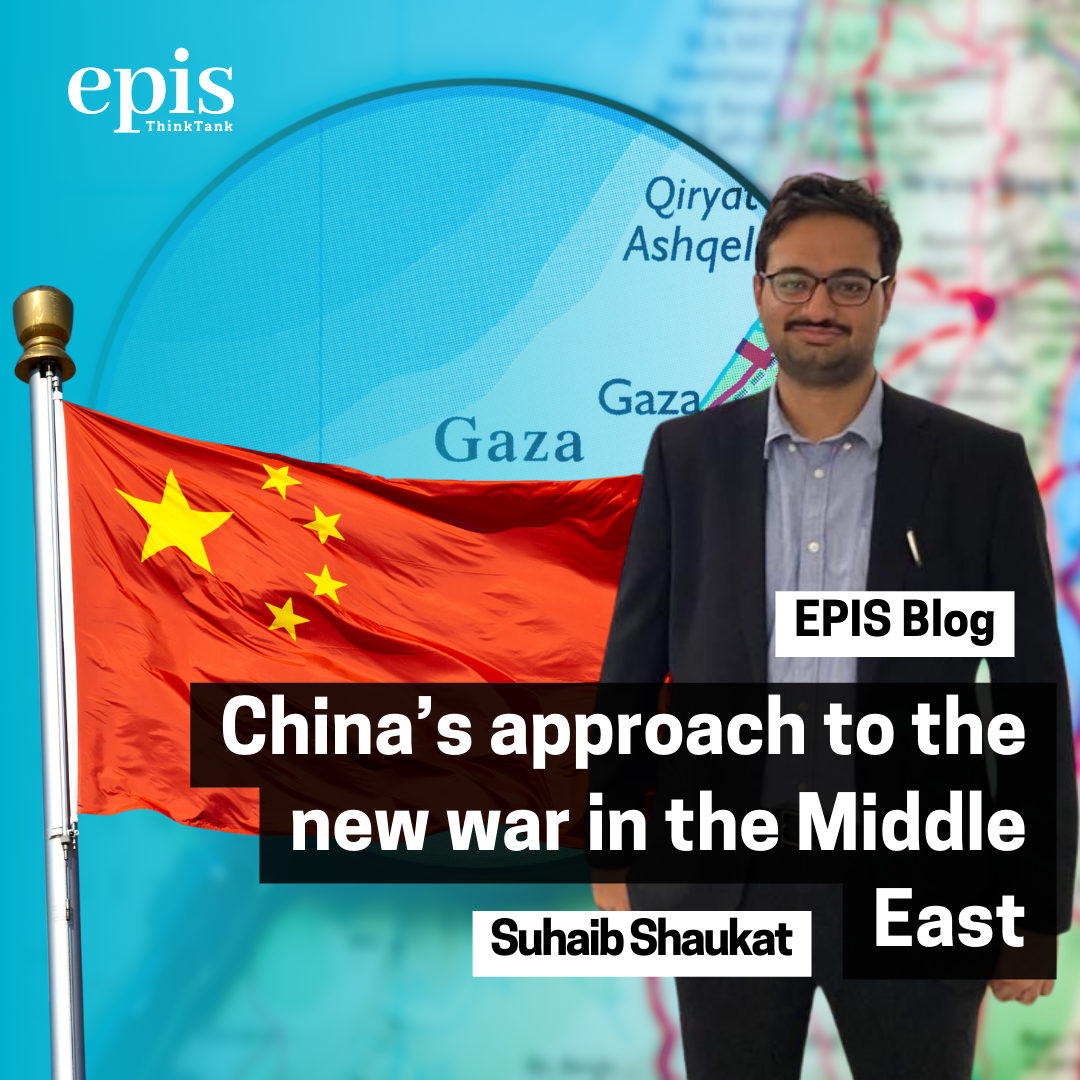
China’s Approach to the New War in the Middle East
China’s current Gaza policy might be helping its stakeholders to criticise the USA but in the long term, it can lead to self-damage.