Category: Artificial Intelligence & Cybersecurity
-
From fragmentation to flexibility
How can the EU design digital infrastructure ensuring both security and civil rights for times of peace and crisis? The answer lies in resilience by design, through frameworks like the EUDI Wallet, NIS2 Directive, and the IEA, which create distributed, interoperable system. This proactive architecture ensures societal continuity across the bloc, making digital resilience both…
-

The EU’s Strategic Dilemma
This article investigates whether the EU AI Act can balance fundamental rights protection with economic competitiveness. While the Act strengthens a value-based approach to AI governance, its broad regulatory framework combined with considerable exceptions risk undermining both effectiveness and innovation. Ultimately, without stronger industrial support, the Act may weaken the EU’s international stance rather than…
-

Cybersecurity Redefined: Preemptive Defense
How can organizations move beyond a “reactive” cybersecurity mindset that only addresses breaches after they have caused damage? By utilizing “Active Defense” and intelligence, companies can identify malicious infrastructure deployment weeks before an attack, allowing for preemptive disruption of network communication. Shifting the industry standard from “detection” to “preemption” creates a powerful global deterrent by…
-

Cyberbiosecurity for Brain-Computer-Interfaces
Why is cyberbiosecurity relevant for emerging cyber-bio threats in the context of Brain-Computer-Interfaces (BCIs)? Neurodata serves as strategic infrastructure in future warfare scenarios. With the related risks of exploitation, cyberbiosecurity is needed to protect the vulnerabilities of neurotechnology devices and thus the disclosed human mind.
-

Conclusion
I don’t think the conclusion needs 3 main points?
-
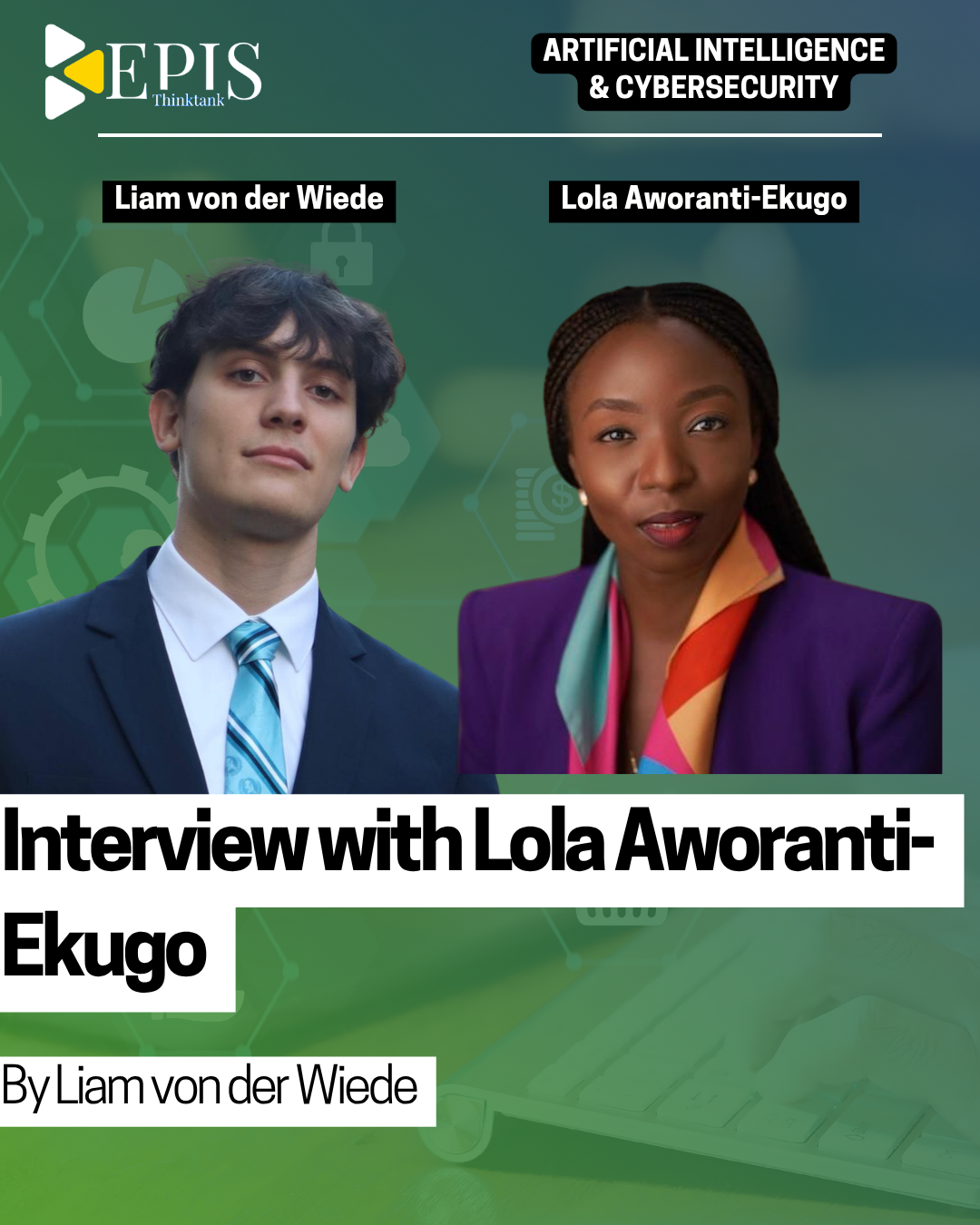
Interview with Lola Aworanti-Ekugo
How can the Global South advance in digital trade and AI? Effective digital trade requires inclusive policies, public-private collaboration, and support for scalable local innovations. With strategic partnerships, infrastructure investment, and global openness, African digital solutions can compete internationally and the WTO must evolve to support this growth.
-
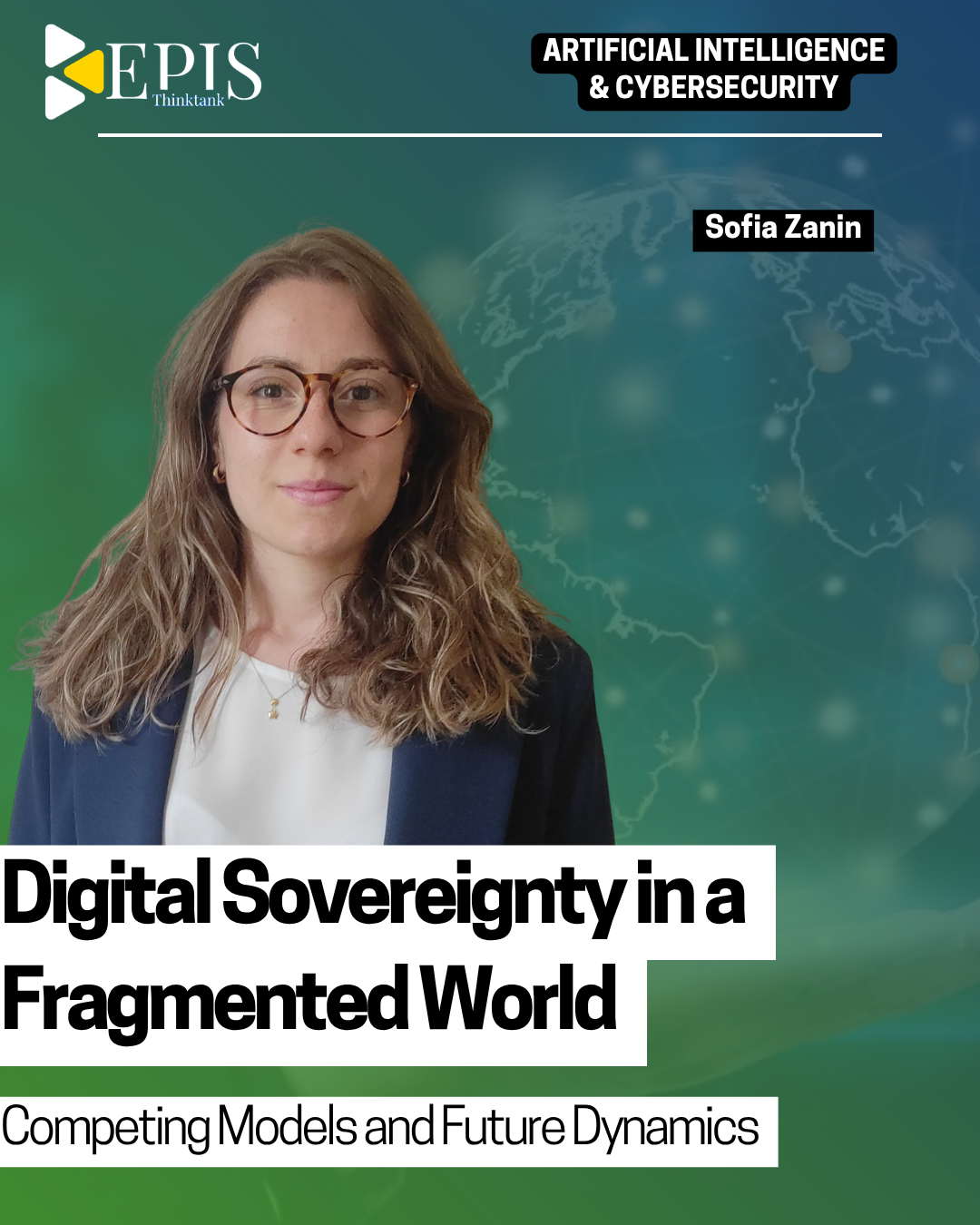
Digital Sovereignty in a Fragmented World
How do different countries approach digital sovereignty in a fragmented global tech landscape? States adopt models reflecting politics, economy, and security: China is state-centric, the US market-driven, Europe regulatory, India public-infrastructure based, South Africa hybrid. Controlling digital infrastructure is essential; digital sovereignty safeguards national interests, prevents dependency, and is key to strategic autonomy.
-

CADA: Scaling EU Cloud Autonomy
Can CADA reduce the EU’s strategic vulnerability from reliance on foreign cloud infrastructure? CADA aims to build secure, EU-controlled cloud capacity through investment, regulation, and AI infrastructure to achieve digital sovereignty. CADA is a necessary first step for EU tech independence but won’t fully eliminate dependency without addressing energy, legal, and financial challenges.
-

Cyberattacks on EU Critical Infrastructure
Which EU critical infrastructure sectors face the greatest cyber risk, and which threat modalities are most active? The EU threat environment is bifurcated: high-volume DDoS/hacktivism pressures availability, while lower-volume intrusions cause high-consequence outcomes like ransomware and data theft. Public administration, transport, digital infrastructure, finance, energy, and health are most at risk due to dependency entanglement,…
-

Central Banks’ Geoeconomics
How do central banks and digital currencies, particularly the Digital Euro, shape geoeconomic competition and European integration? CBDCs have become tools of geoeconomic power, intensifying US–China rivalry and enabling states to reduce dependency and gain control over financial infrastructures. The Digital Euro could strengthen EU sovereignty and integration, but its success depends on managing geopolitical…