Category: Climate Policy & Environment
-
Fuel Crisis: Car dependence & Environmental Impact
Argument: How Australia’s car-dependent urban policy model and heavy reliance on imports for fuel expose Australian cities and the national economy to significant risks from global disruptions. This dependence is highlighted by the supply shocks in the Strait of Hormuz, significantly disrupting global supply flows. Revealing major gaps in Australia’s domestic production, reliance on imports,…
-
Accountability Gaps in Indonesia’s Palm Oil
How do governance failures and land conflicts in Indonesia’s palm oil sector contribute to broader climate security risks? Weak legal frameworks and export-driven growth enable corporate control and elite rent-seeking. As a result, land conflicts, labour exploitation, and environmental degradation persist, revealing major accountability gaps at both national and global levels.
-
Justice Beyond the Courtroom in Africa
In what ways does transnational litigation function as both a challenge to and a reproduction of corporate impunity in the strategies of environmental justice movements in Africa? African movements use courts to hold transnational corporations accountable, but legal action can both contest and reproduce systemic injustice, showing that true environmental justice requires collective social action…
-
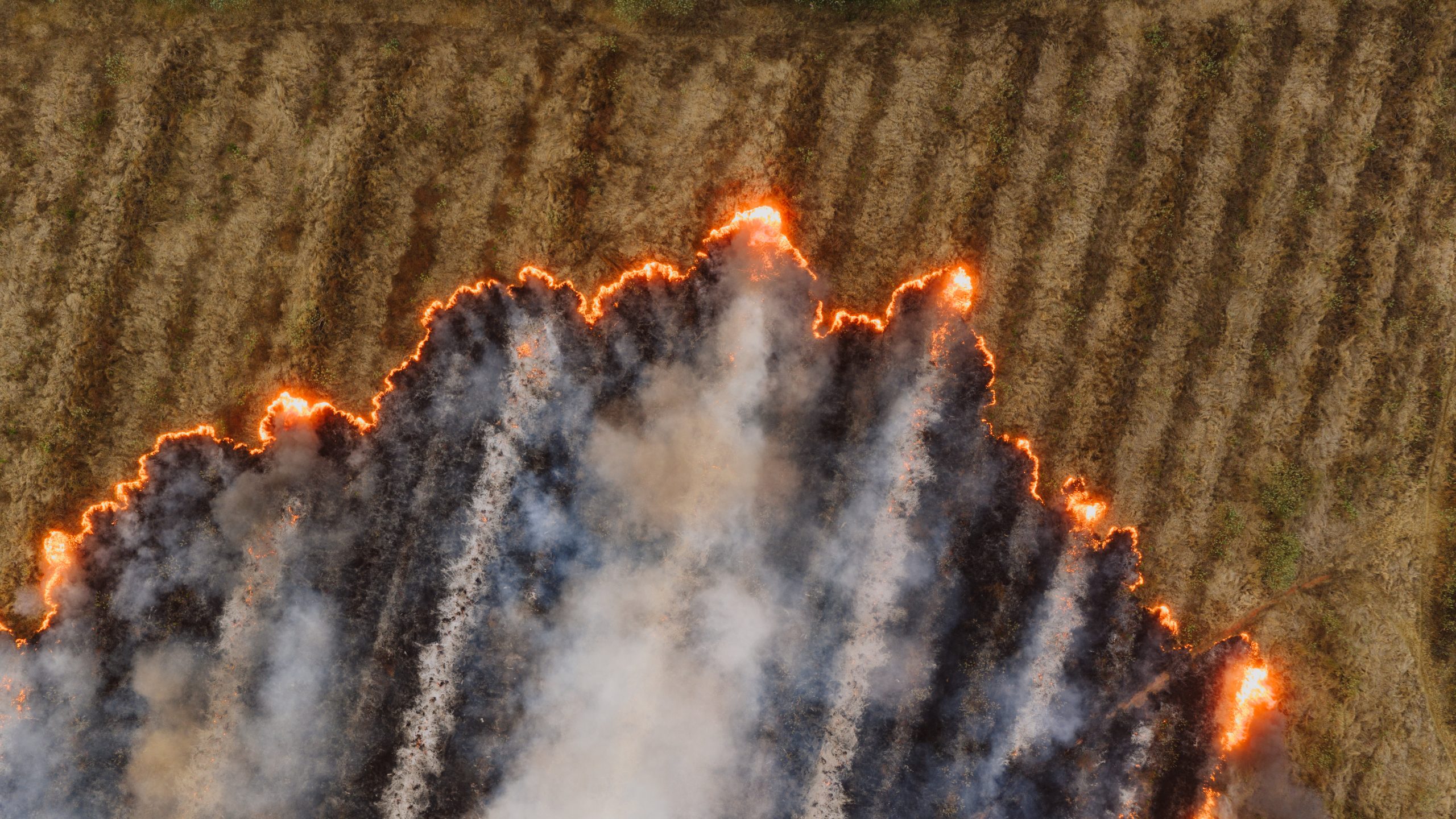
EPIS Report on Climate Policy & Environment Issue III
Alisa Grunert Timeframe: 13/02/2026 – 13/02/2026 Germany · Climate Protection · Issue III Definition – Dear reader, given the growing presence of international conflicts and militarization, climate change and environmental issues have stepped back in security-related discussions, especially in Europe. This is why the third issue of Climate Policy & Environment is dedicated to climate…
-
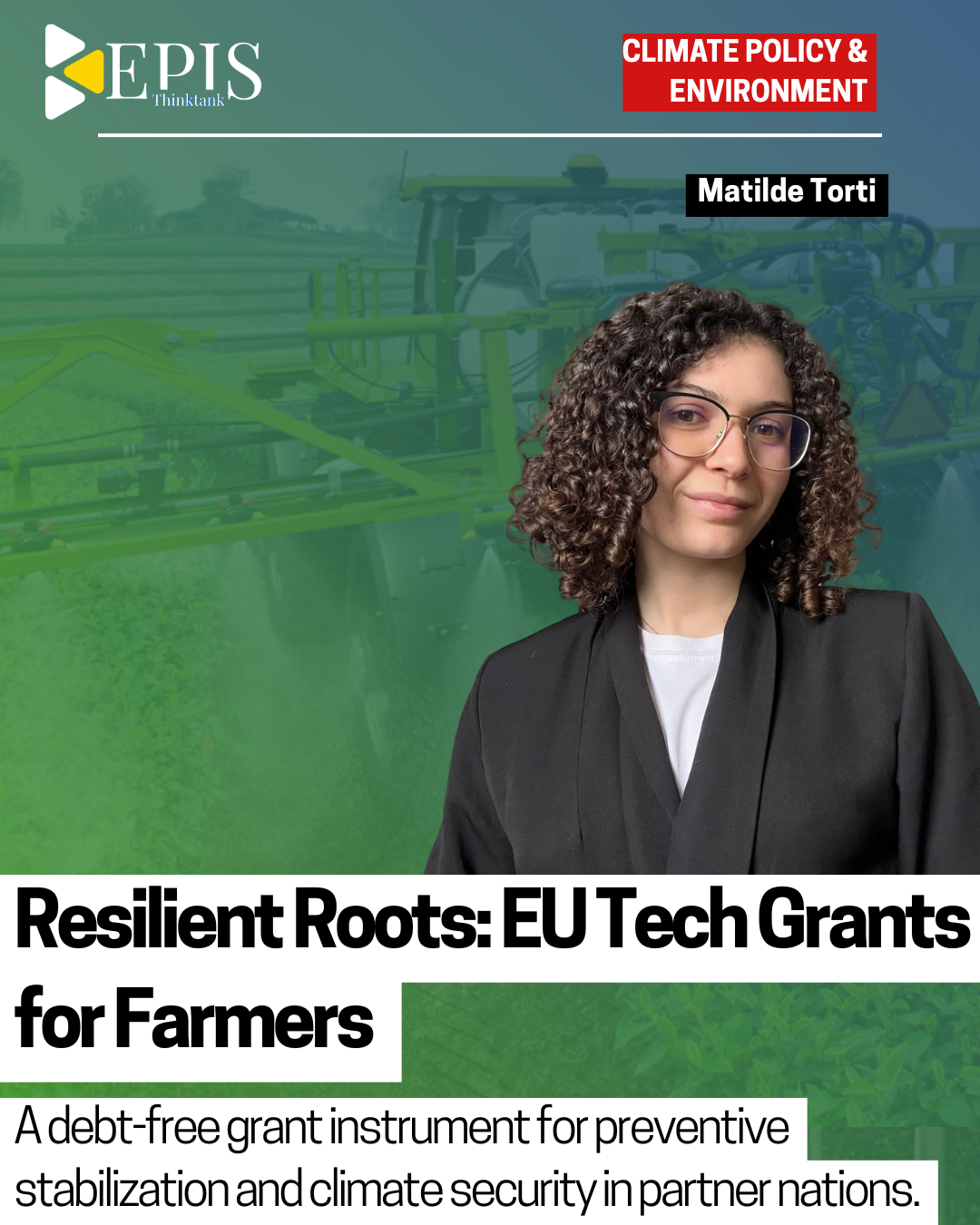
Resilient Roots: EU Tech Grants for Farmers
How can the EU accelerate climate tool adoption for smallholders in Africa and SE Asia without increasing financial risk? Loan-based models create debt burdens during crop failures; thus, a grant-based instrument within the NDICI-Global Europe framework is essential to fund both technology and long-term support. These grants serve as a preventive stabilization tool, reducing global…
-
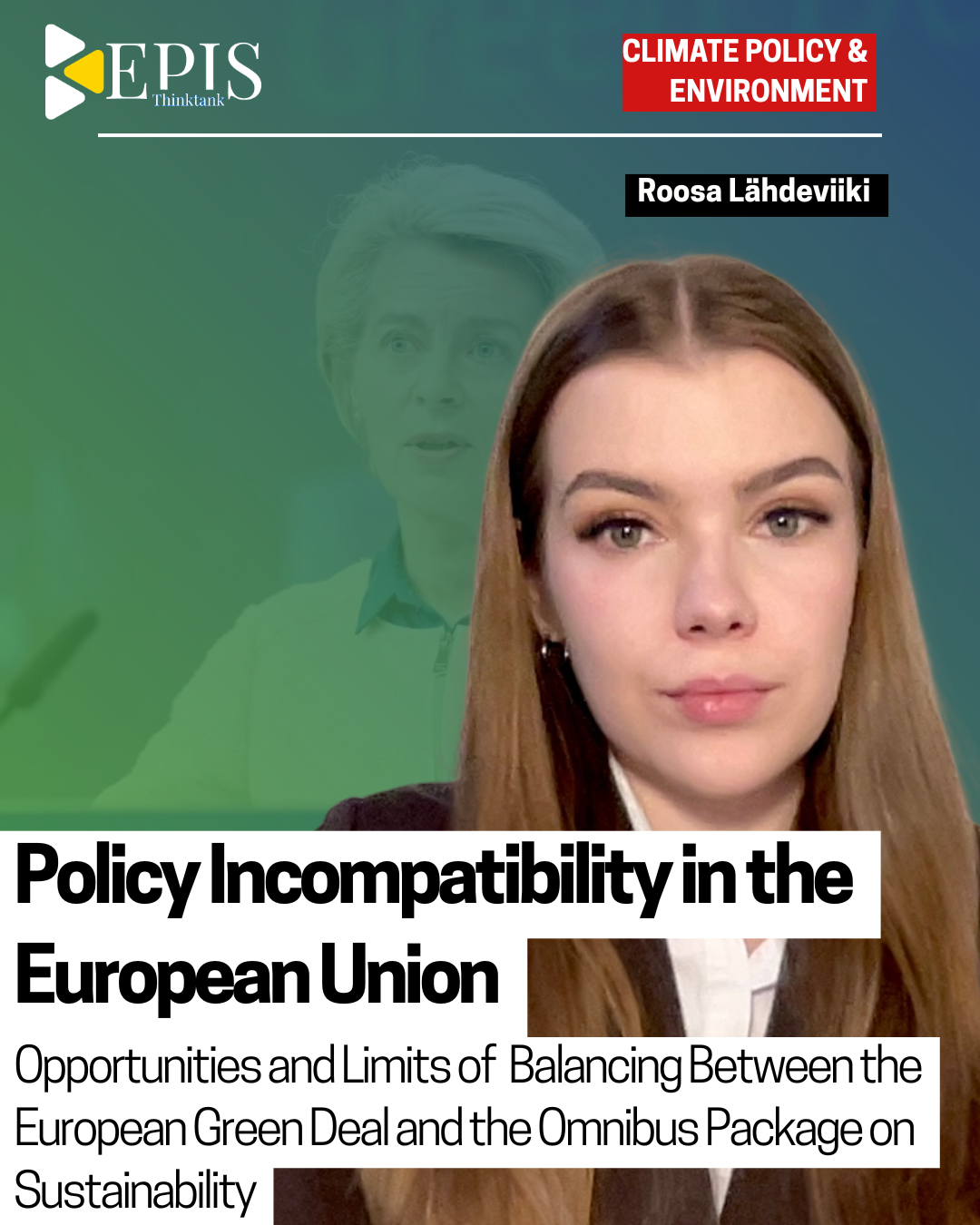
Policy Incompatibility in the European Union
Do the monetary costs expected to be saved by businesses through simplification initiatives outweigh the possibly detrimental costs for environmental regulation? The shifting of the Commission’s priorities is reflected in the policy overlap of the omnibus package on sustainability and the comprehensive sustainability regulation framework outlined in the European Green Deal. The current focus lies…
-
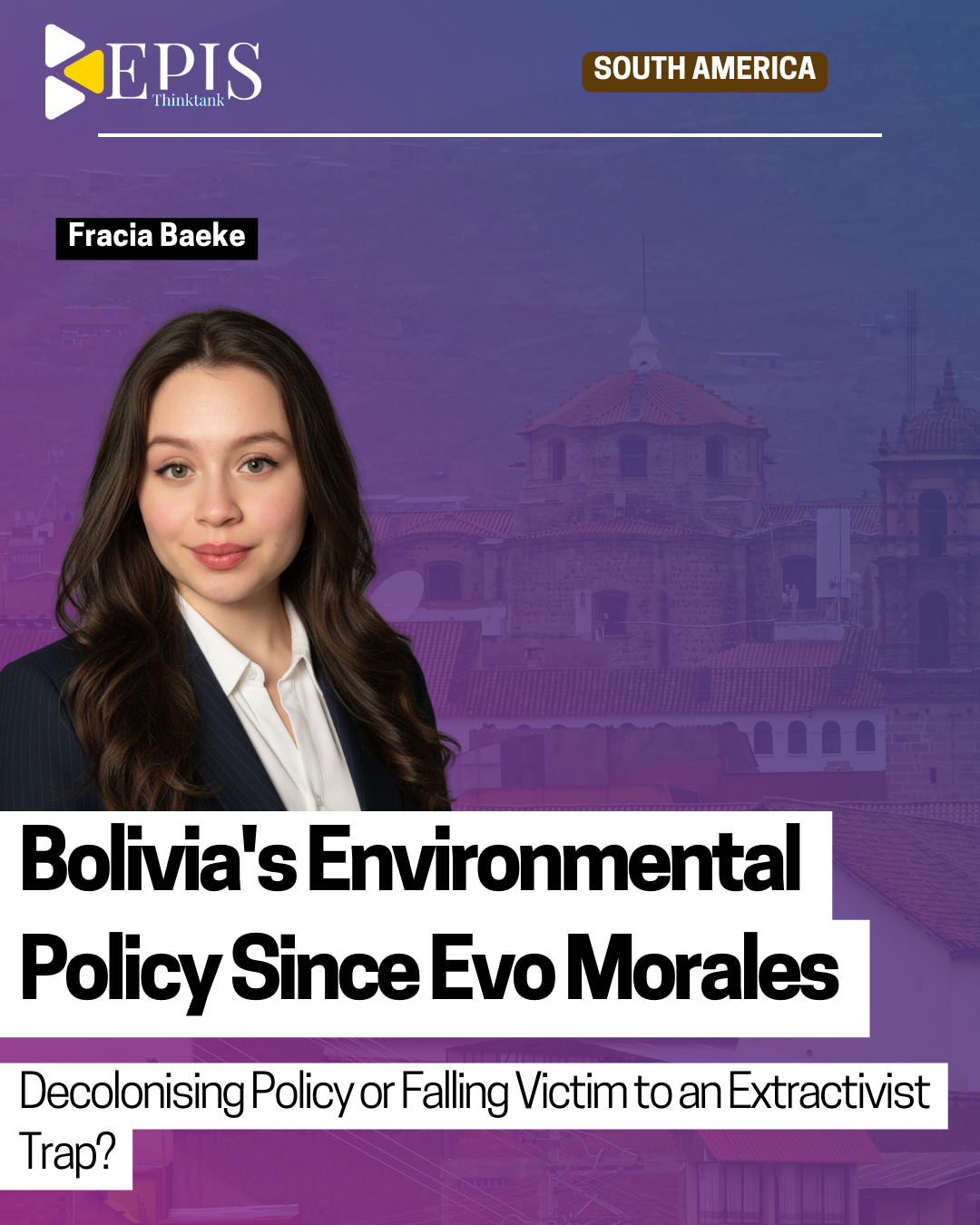
Bolivia’s Environmental Policy Since Evo Morales
Is it possible for Bolivia to promote an environmental-forward political agenda while reproducing the structures of a neoliberal-capitalisit world system? Bolivia’s reliance on neo-extractivism to fund social programs reproduced dependency, highlighting contradictions between indigenous worldviews and capitalist economic imperatives. The case suggests that meaningful ecological transformation is difficult without a deeper structural break from extractivist…
-
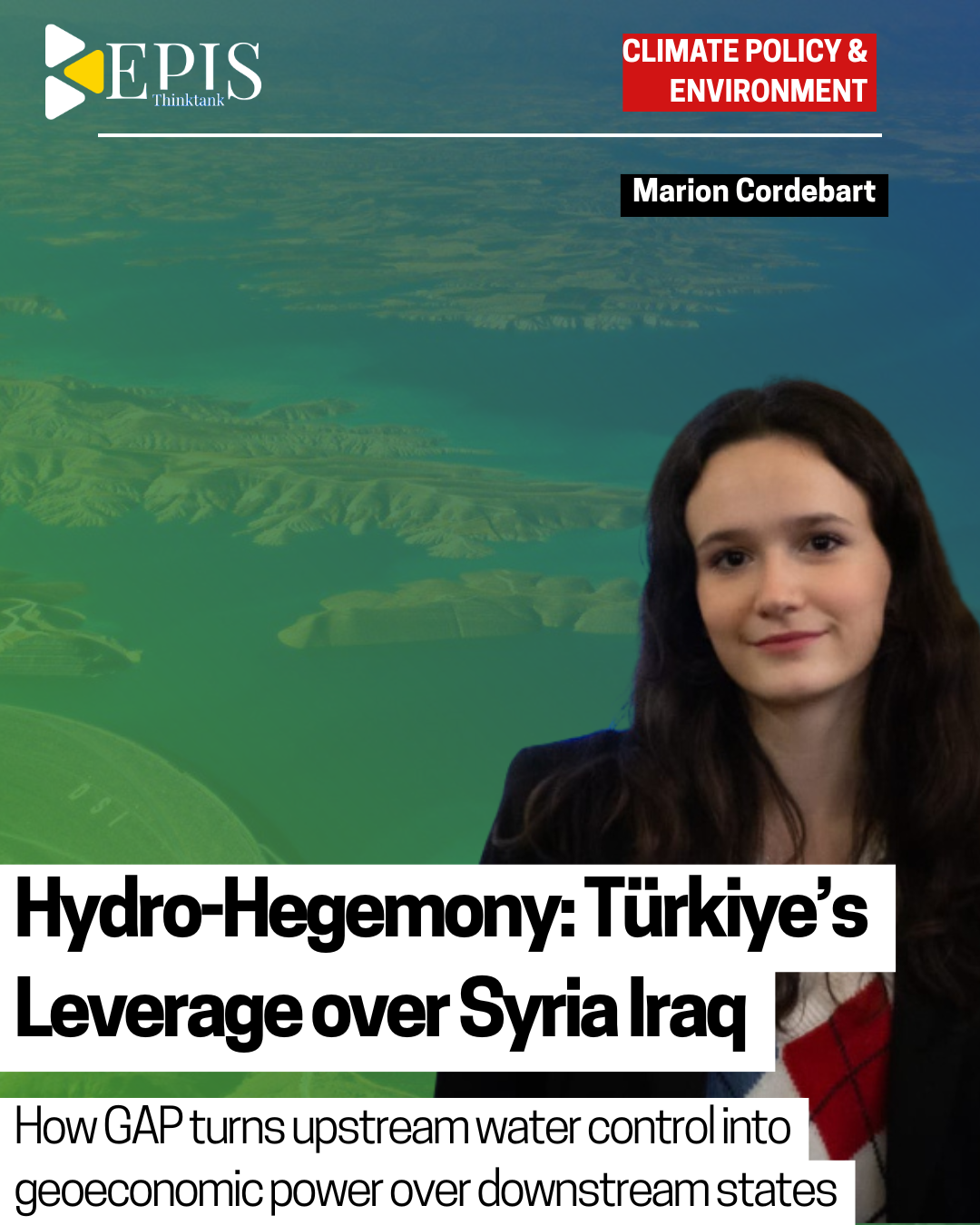
Hydro-Hegemony: Türkiye’s Leverage over Syria Iraq
How does Türkiye’s Southeastern Anatolia Project (GAP) transform upstream water control into geoeconomic leverage over Syria and Iraq? This article argues that expanded hydropower and irrigation infrastructure convert hydrological dominance into domestic economic gains, producing asymmetric interdependence and downstream vulnerability. It concludes that GAP functions as a geoeconomic instrument enabling Türkiye to extract political, security,…
-
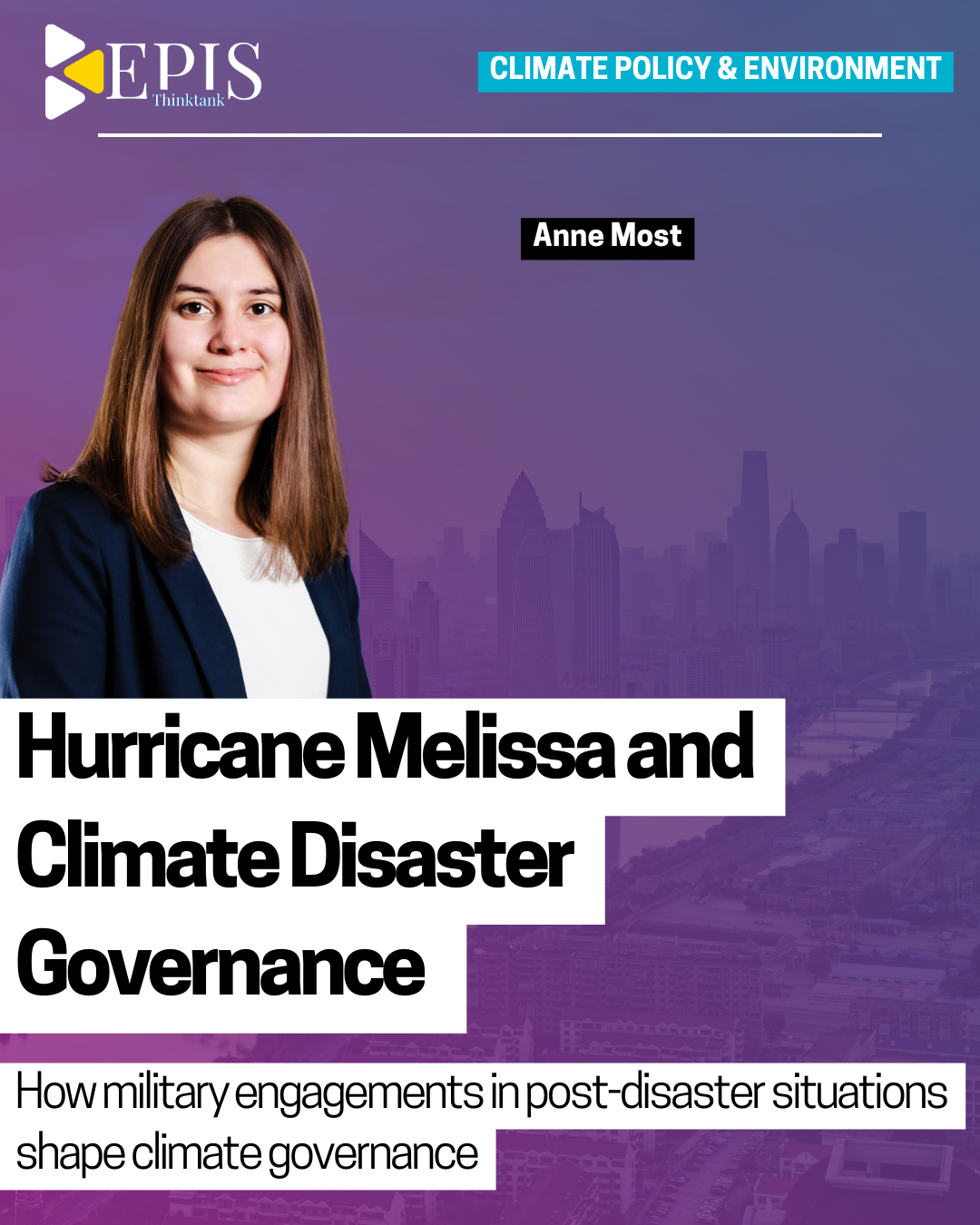
Hurricane Melissa and Climate Disaster Governance
How do military post-disaster operations illustrate the role and consequences of militaries as actors in climate governance? The intensity of Hurricane Melissa led to the involvement of foreign militaries in disaster relief. Disaster relief operations provide an entry point for militaries as actors in climate governance, and the responses to Melissa demonstrated how militaries can…
-