Category: Climate Policy & Environment
-
Building Resilience in the Arctic
How can Arctic communities adapt to rapid climate change and growing geopolitical pressure? The Arctic faces compounding threats—from permafrost thaw to militarization—that strain fragile infrastructure and ecosystems. Building resilience requires urgent adaptation, Indigenous leadership, and balancing strategic interests with long-term stability.
-
Climate Justice in EU Policy
How can the EU achieve climate goals while ensuring social equity? Climate action must be both environmentally ambitious and socially just. Stronger cooperation, fair funding, and marine protection are essential pillars.
-
The Northern Sea Route
Is the Northern Sea Route a strategic asset or a climate risk? While the NSR offers economic and geopolitical benefits to Russia and China, it is driven by environmental degradation, undermines multilateral governance, and reinforces fossil fuel reliance. The NSR is not a neutral development—it risks deepening global divisions and worsening the climate crisis.
-
The Arctic’s Economic Future
Can the Arctic become a new economic frontier without sacrificing Indigenous rights and ecosystems? While economic interest in a thawing Arctic grows, Indigenous sovereignty and environmental stability remain under threat. Sustainable development in the Arctic must center Indigenous voices and protect fragile ecosystems from extractive ambitions.
-
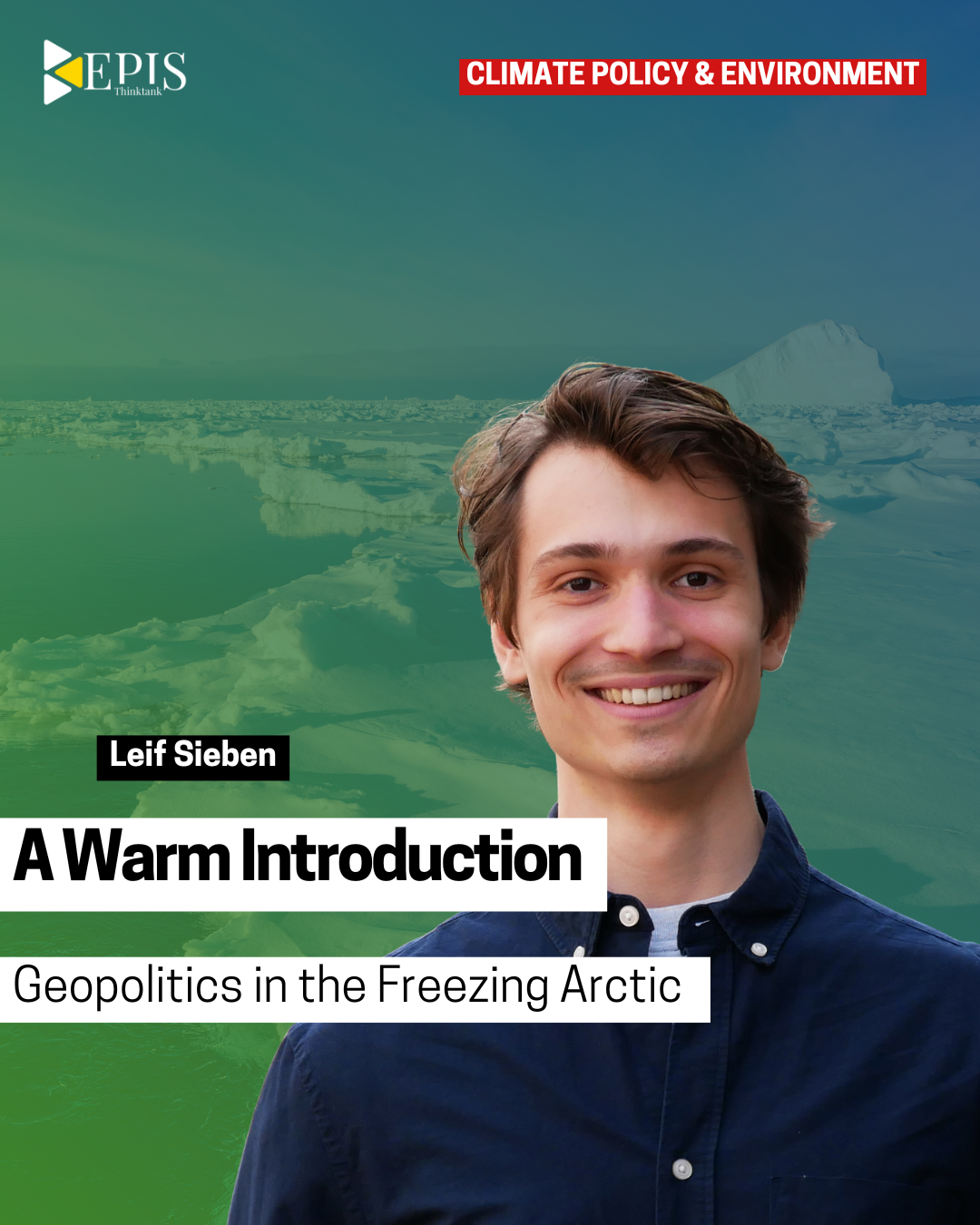
A Warm Introduction
How is a thawing Arctic reshaping global geopolitics? Climate change is unlocking new strategic and economic opportunities in the Arctic, intensifying great power competition among NATO, Russia, and China. Without stronger international cooperation, the Arctic risks becoming a militarized zone of rivalry rather than peaceful development.
-
The Concept of Environmental Security
– What are the main merits and pitfalls of treating climante change as a security issue? – As stated by the Copenhagen School’s theory of securitisation, while securitizing climate change may bring urgency, it also risks undemocratic responses. Conversely, the environmental conflict theory claims that there is a link between environmental scarcity and conflict -Environmental…
-
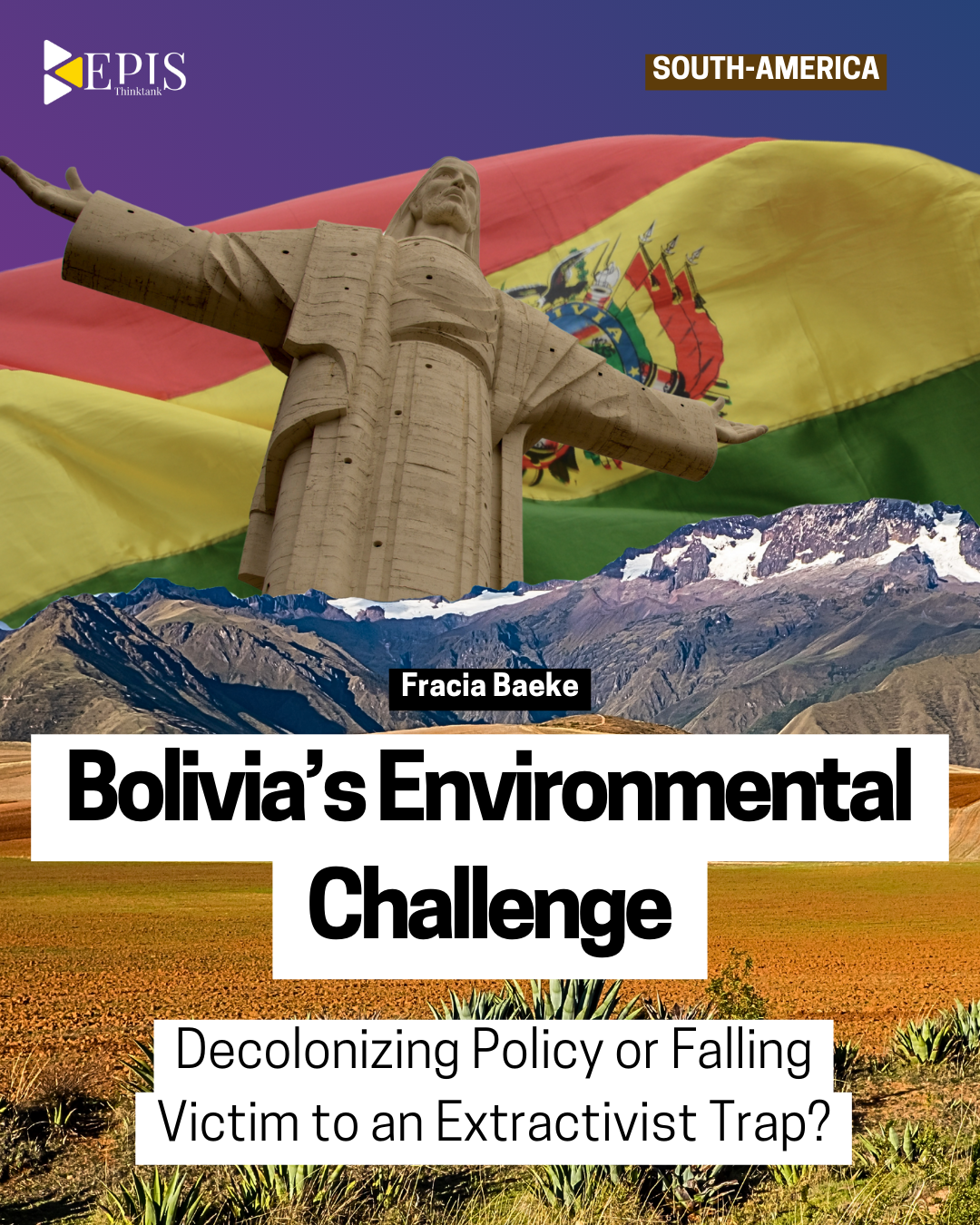
Bolivia’s Environmental Challenge
– Will it ever be possible for Bolivia to promote an environmental-forward political agenda while reproducing the structures of a neoliberal-capitalisit world system? – Indigenous principles and worldviews prioritising harmony with nature were centered in Morales’ political agenda, proving to be contradictory with the historical extractive model which reinforced dependency on this economic model to…
-
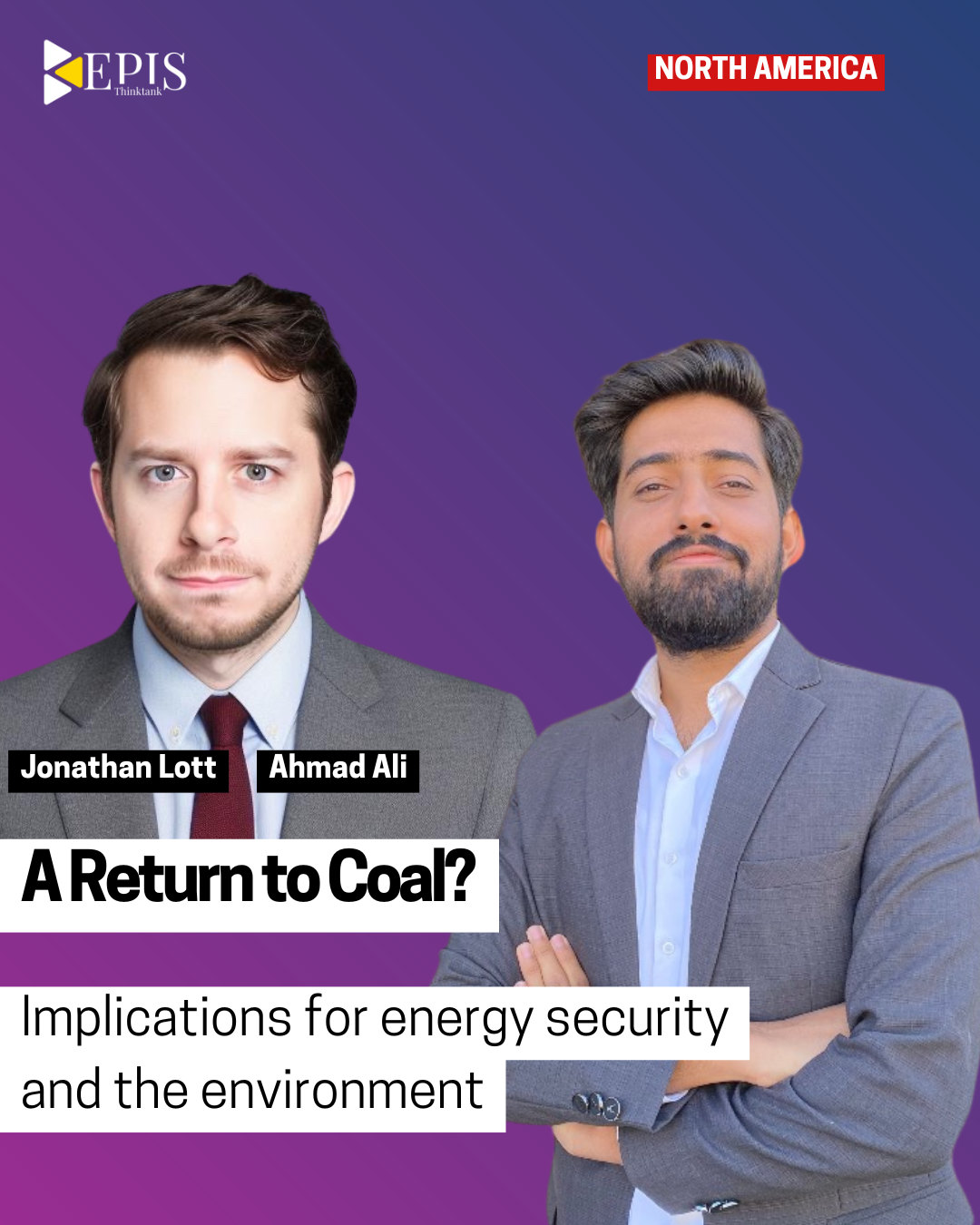
A Return to Coal?
1. Trump is trying to reinvigorate American coal production; what are the security implications? 2. Coal (and energy production generally) has realist dimensions, is necessary for mass-producing steel, and plays into politics domestic & international. 3. Dirty energy, and diverse energy sources, are a hedge against a liberal, trust-based order in favor of more immediate…
-
Natural Disasters and National Security:
Does the increase in natural disasters pose a military or security threat, especially in regions with delicate political climates? I write about the case of North and South Korea, examining how increasing weather events are affecting their respective political and military strategies. In my opinion, the increase in extreme weather events poses an interesting, albeit…
-
Ripple Effects
How do natural disasters impact Asia’s trade, industry, and regional stability? Disasters disrupt supply chains, manufacturing, and agriculture, affecting economies and international relations. These disruptions expose vulnerabilities, increase dependencies, and reshape power dynamics. Investing in resilient infrastructure and cooperation transforms challenges into opportunities, enhancing stability.