Category: Climate Policy & Environment
-
EPIS Report on Climate Policy & Environment Issue I
Theodor Himmel Timeframe: 01/01/1930 – 01/01/2025 Taiwan (Republic of China) · Climate Protection · Issue I Definition NatCat: These events strike mostly without warning, their impact rippling through communities, shattering lives, infrastructure, and ecosystems. NatCats aren’t just geological and climatological formations; they are catalysts for change, influencing everything from global security to politics and diplomacy.…
-
The Role of Social Networks in Disaster Response
How do social networks enhance disaster response and resilience? Social networks facilitate rapid communication, resource sharing, and coordination between communities and institutions. Social Network Analysis (SNA) identifies key actors and optimizes disaster management. Addressing misinformation, the digital divide, and trust issues is vital to fully leveraging social networks for resilient and equitable communities.
-
Natural Disasters and the Future of Foreign Policy in East Asia:
How can theoretical frameworks address the complexities of state responses to climate change? Liberalism highlights cooperation through interdependence, Realism emphasizes resource competition and security, Constructivism focuses on norms and historical contexts, and Public Choice reveals how political incentives shape disaster responses.These framworks can help explain East Asia’s climate strategies and informs resilient policymaking.
-
Natural Disasters and Conflict: An Uneasy Relationship
How do international relations influence the aftermath of natural disasters in South and East Asia, especially migration and conflict? Climate change intensifies natural disasters, leading to displacement and resource competition, which can escalate conflicts. A holistic approach combining disaster prevention, conflict resolution, and policy reform is critical for resilience.
-

Drones as a Two-Edged Sword in Disaster Management
What role do Drones play in India’s Disaster Management and why could this be considered problematic? The same data-gathering capabilities that make drones such an effective tool in disaster management also pose significant privacy and security risks. The challenge lies not in rejecting new technologies but in learning to use them responsibly.
-
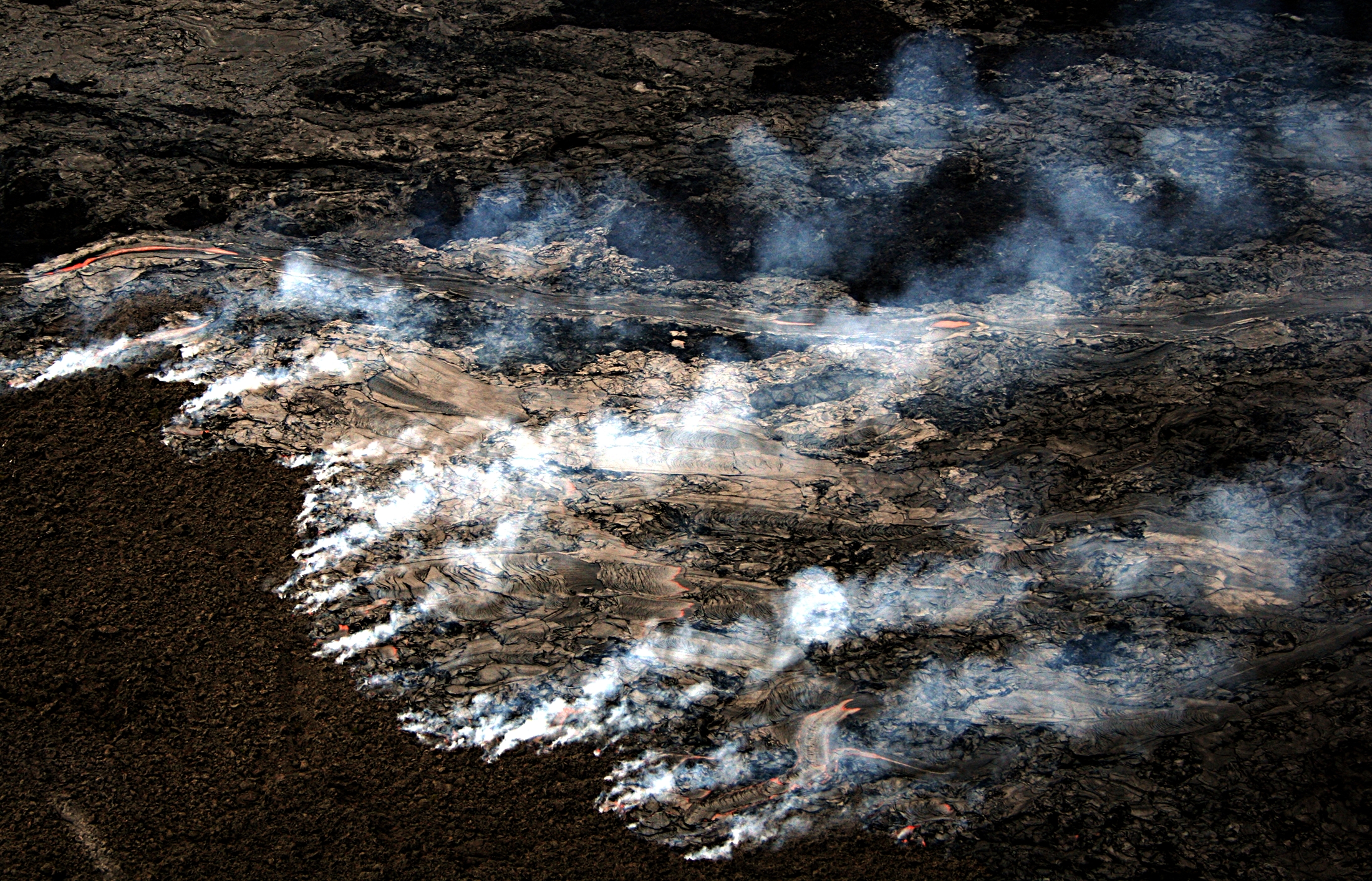
Conclusion: EPIS Report on Climate Policy & Environment
Natural disasters act as both disruptors and catalysts for cooperation, particularly in regions with political tensions or fragile economies. They highlight the importance of conflict management, regional cooperation (like ASEAN), and strengthening global supply chains. Disaster diplomacy and social networks offer opportunities for trust-building and cooperation, but their effectiveness depends on existing relationships and must…
-

Green Theory in International Relations
Green Theory in International Relations (IR) examines the intersection of environmental issues and global politics, emphasizing sustainability, ecological justice, and the impact of climate change on security. It challenges traditional state-centric security frameworks by highlighting environmental degradation as a key driver of conflict and instability. Green Theory continues to evolve, advocating for systemic change and…
-

Chinese Positioning in the Melting Arctic
This article emphasizes the duality of China’s position—as both an economic partner and a potential disruptor to the status quo—while addressing the underlying uncertainties about its long-term intentions in the Arctic.
-

Greetings from Eurodefense: Climate Change Report Issue I
Climate change is now globally recognized as a proven fact, marked by rising temperatures and increasing frequency and intensity of extreme weather events. Climate change creates interconnected environmental, social, economic, and political challenges, such as threats to ecosystems, climate-induced migration (climate refugees), and the need for new production, energy, and governance models. Global responses involve…
-
Disaster Diplomacy
How and why do disaster-related activities succeed or fail to foster peace and reduce conflict? China’s disaster diplomacy can build bridges through relief efforts, but pre-existing tensions, poorly managed aid, and strategic interests may turn such activities into sources of conflict. While China’s disaster diplomacy holds potential for cooperation, its success depends on addressing geopolitical…