Category: EPIS Basics
-
Rational Actor Model
The rational actor model assumes states assess policy options based on their predicted payoff. The policy with the highest payoff concerning an overarching goal is chosen. Specifically, comprehensive rationality assumes states are fully informed of payoffs. In contrast, bounded rationality believes states may not be fully informed of payoffs and may be influenced by historical…
-
Arctic Council
The Arctic Council was first convened in 1996 and features eight permanent member states: the US, Denmark, Norway, Iceland, Canada, Russia, Finland, and Sweden. The Arctic Council is devoted to protecting indigenous peoples, combatting climate change and pollution, and coordinating economic activities in the Arctic region. As part of its ambition to establish an “Arctic…
-
Post-Colonialism
Post-colonialism investigates how colonial history and narratives continue to influence international relations. Rather than anarchy, hierarchies reminiscent of colonialism are believed to dominate international relations. These hierarchies are reinforced by narratives that portray non-Western countries as fragile, incompetent, and in need of help. Western humanitarian aid often builds upon these narratives, subsequently reinforcing colonial hierarchies.
-
Belt and Road Initiative
Launched in 2013, the Belt and Road Initiative is central to Xi Jinping’s foreign policy. Under the Belt and Road Initiative, China provides loans to countries to develop infrastructure. These infrastructure projects combine into a network of five land corridors and a maritime Silk Road. China portrays the Belt and Road initiative as a win-win…
-
International Criminal Court
In The Hague, the Netherlands, the International Criminal Court prosecutes individuals based on the 2002 Rome Statute. The Rome Statute allows for the prosecution of individuals who committed genocide, crimes of aggression, war crimes, and crimes against humanity. In contrast to the International Court of Justice, the ICC is not a UN organ and does…
-
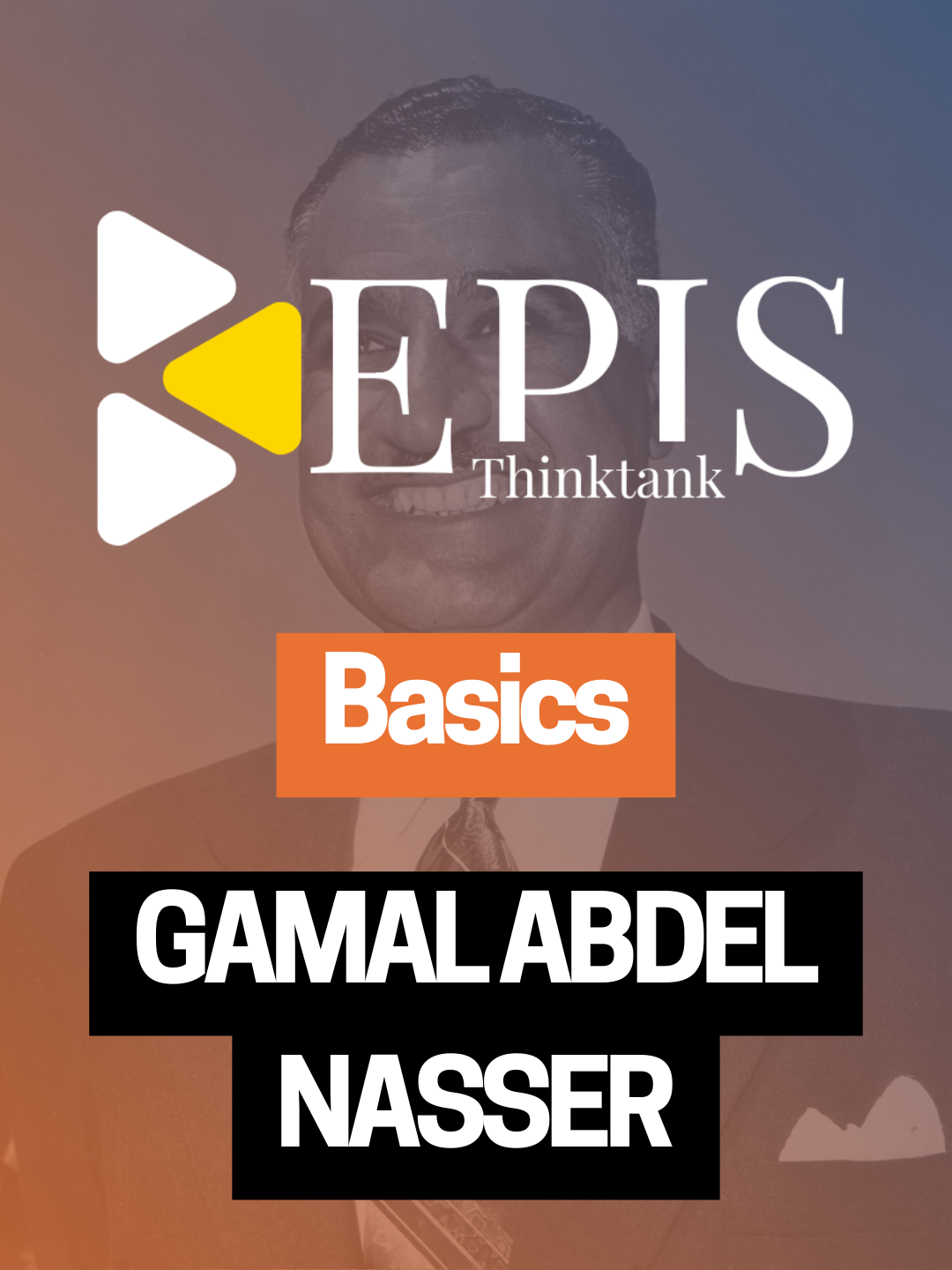
Gamal Abdel Nasser
Nasser’s presidency (1956-1970) established Egypt as a significant player in the Middle East and saw the rise of Nasserism. A variant of Arab Socialism tailored to Nasser, Nasserism advocated anti-colonialism, socialist policies, and the unity of Arab nations. Nasserism won popularity throughout the Arab world when Egypt nationalised the British-held Suez Canal in 1956. Nasserism…
-

Hugo Grotius
Mare Liberum: Pioneered “freedom of the seas,” arguing that oceans are international territory, a core principle of modern maritime law. Just War Theory: Defined legal and moral limits for conflict, asserting that war must have a legitimate cause and follow specific rules. Secular Natural Law: Argued that law derives from human reason rather than just…
-
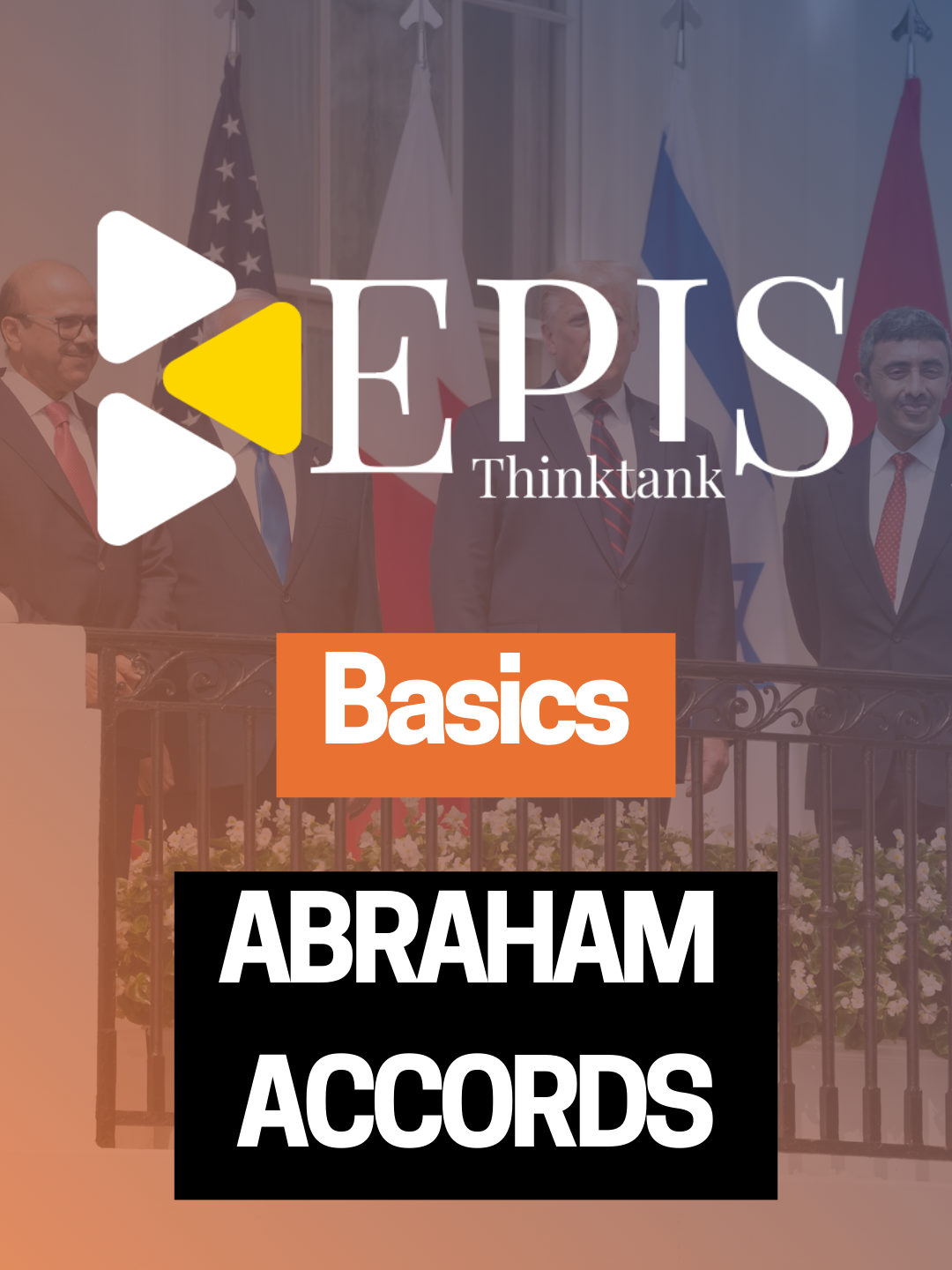
Augusto Pinochet
A general in the Chilean army, Pinochet took power in a military coup in 1973. Under Pinochet, approximately 40,000 critics and suspected communists were imprisoned, tortured or killed. Besides political oppression, Pinochet introduced free-market reforms influenced by Milton Friedman. Facing international pressure and a lost referendum, Pinochet handed over power to his democratically elected successor…
-
Political Warfare
The term political warfare has been used differently throughout history. In the West, US Diplomat George Kennan significantly influenced the understanding of political warfare. In his 1948 memorandum “Organizing Political Warfare,” Kennan described political warfare as the hostile employment of all means at a nation’s disposal short of war.
-
Anwar Sadat
Sadat became Egyptian president in 1970 following Nasser’s death. Despite launching the Yom Kippur War to alleviate the trauma of Egypt’s defeat during the Six-Day War, Sadat sought closer ties to the US. Hence, Sadat was open to US-mediated peace efforts when the tide turned against Egypt during the Yom Kippur War. These mediations ultimately…