Category: EPIS Basics
-
Paris Climate Accords
In 2015, 196 states adopted the Paris Climate Accords. Signatory states pledge to keep temperatures below 2, preferably 1.5 degrees Celsius, compared to pre-industrial times. To achieve these goals, states communicate increasingly ambitious five-year “Nationally Determined Contributions” to limit greenhouse gas emissions. Moreover, the accords encourage financial support and capacity building to reduce emissions and…
-
Powell Doctrine
The Powell Doctrine owes its name to the former US Joint Chiefs of Staff chairman, Collin Powell. Drawing upon the 1990-91 Gulf War, Powell created a list of eight questions on whether the US should go to war. These questions included whether all peaceful alternatives had been exhausted and whether the US had a clear…
-
Realism
Realism is one of the dominant theories in international relations and it emphasises national interest as well as the role of power. It is based on the idea that the world order is anarchic, meaning there is no central authority. In this anarchy, the supreme goal of the state is to survive, so states prioritise…
-
Regionalism
Regionalism in international relations refers to the process of states forming alliances, institutions, or cooperative initiatives within a specific geographic area. This approach can serve various purposes, such as promoting trade, enhancing security, and addressing shared challenges. This theory posits that regional dynamics can influence global politics by creating alternative centres of influence and thus…
-
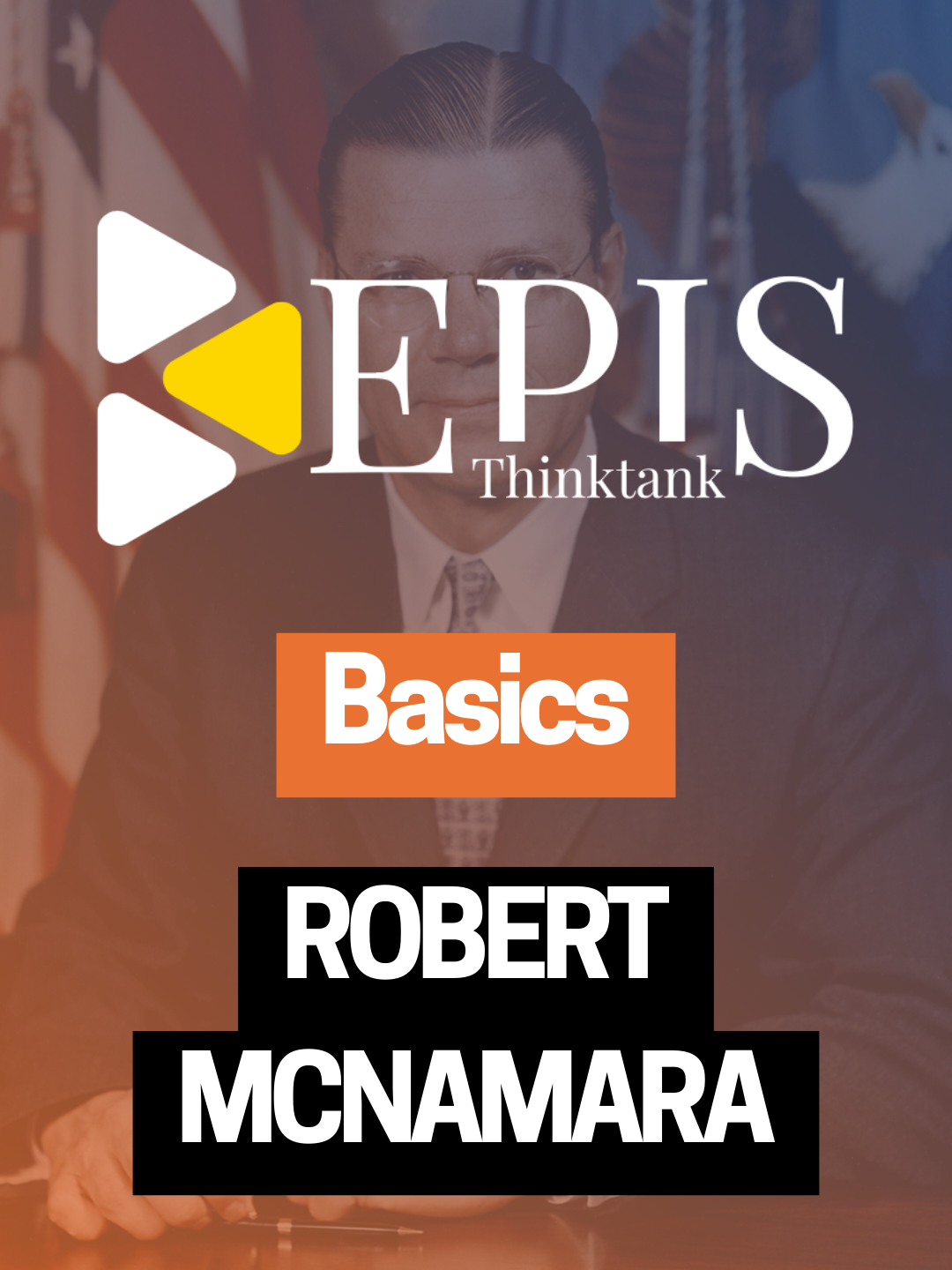
Robert McNamara
Under Kennedy and Johnson, McNamara was US Secretary of Defense. During the Cuban Missile Crisis, McNamara was part of the US Executive Committee, which governed US decision-making. Supporting the Domino Theory, McNamara later oversaw the US engagement in the Vietnam War. Despite being labelled the architect of the Vietnam War, McNamara later expressed regret for…
-
Security Dilemma
According to the Security Dilemma, if one state increases its security capabilities, this simulataneously reduces the security of another. Consequently, security-increasing measures lead to a cycle of increased tensions, escalations, or conflicts. This occurs because it is hard to know about other states’ intentions: Do they simple gear up their defence capabilities or are they…
-
Shanghai Cooperation Organisation
The Shanghai Cooperation Organization (SCO) is a regional intergovernmental alliance consisting of China, Russia, and several Central Asian nations. It is the world’s largest regional organization in terms of geographic scope and population. It promotes economic, political, and security cooperation among its members, focusing on issues like counterterrorism and regional stability. The SCO serves as…
-
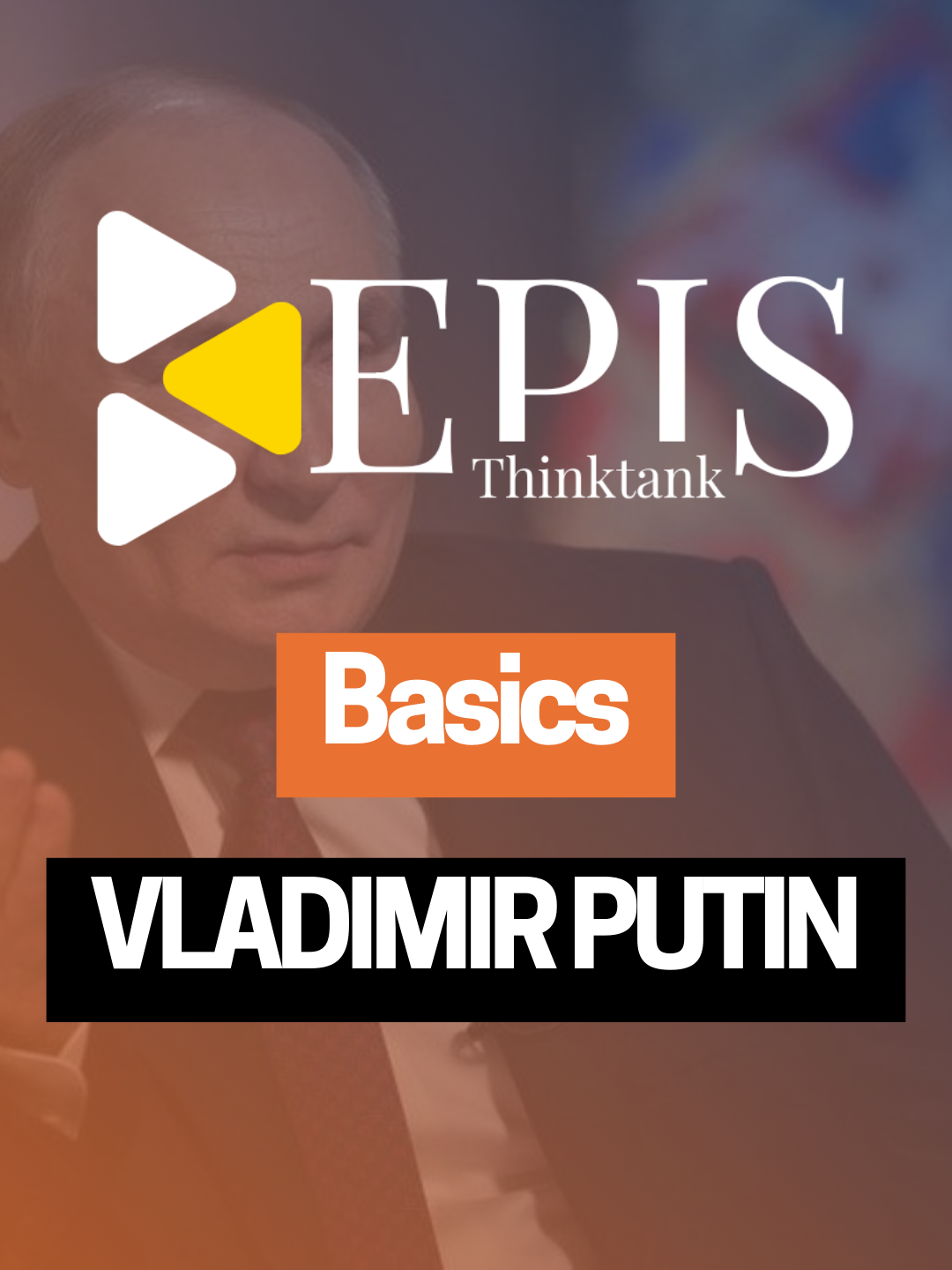
World Food Programme
The World Food Programme (WFP) is the food assistance branch of the UN. It addresses hunger and food insecurity globally by providing aid and supporting development projects to improve food access and nutrition in vulnerable populations. The WFP’s efforts encompass food distribution, cash transfers, and medical supports, often in conflict zones and disaster-stricken areas. The…
-
Organization of the Petroleum Exporting Countries
The Organization of the Petroleum Exporting Countries (OPEC) is an international organization founded by oil-producing nations. Its primary objective is to coordinate and regulate the production and pricing of petroleum to collectively influence the global oil market and maximize profit. OPEC seeks to balance the interests of both producers and consumers by managing oil supply…
-
Amnesty International
Amnesty International is an international non-governmental organization focused on human rights. It advocates for the protection of human rights, including civil liberties, political freedoms, and social justice. The organisation operates independently and strives to mobilise public support to pressure governments and other entities to uphold human rights standards.