Category: International Economic Relations
-

European Union–India Agreement
How a large-scale trade deal will reshape global commerce? Reducing tariffs and expanding cooperation in goods, services, and mobility will strengthen market access and economic integration. Success depends on ratification and effective handling of regulatory, environmental, and sector-specific concerns.
-

Missing: The Institutional Pillars of the SIU
Europe’s Savings and Investment Union will remain incomplete under the current Commission proposals because key institutional pillars are missing. The lack of a coherent European securities supervision and the absence of a common safe asset continue to hinder the integration of EU capital markets. Strengthening these foundations through a genuinely European approach is essential to…
-

Uniting technology partnerships with outer space
1. Can economic partnerships between the US and Gulf states based on technological exchange be broadened to incorporate space technologies and joint strategy? 2. There are already several joint partnerships and ventures between the parties emphasising space defence, technological interoperability, etc. 3. The main challenge remains in terms of ensuring national security interests are met…
-
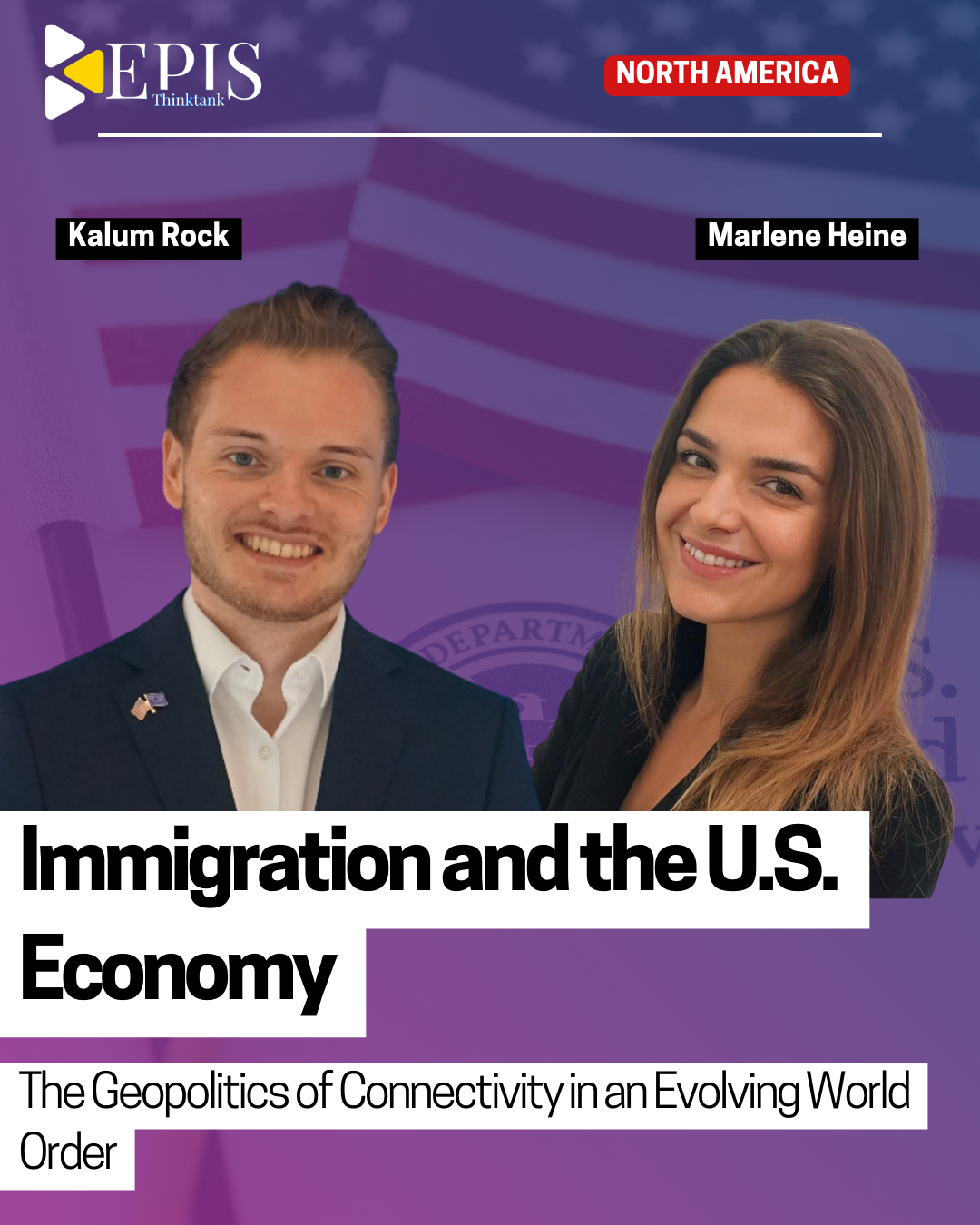
Immigration and the U.S. Economy
Main question: How does intensified immigration enforcement under Trump affect the U.S. economy and corporate behaviour? Argument: Expanded detention, infrastructure growth, and public enforcement generate political gains but create economic friction for labour-dependent industries. Conclusion: The administration governs through the tension between sovereignty and market dependence, shifting costs onto migrants and mobility-reliant sectors.
-
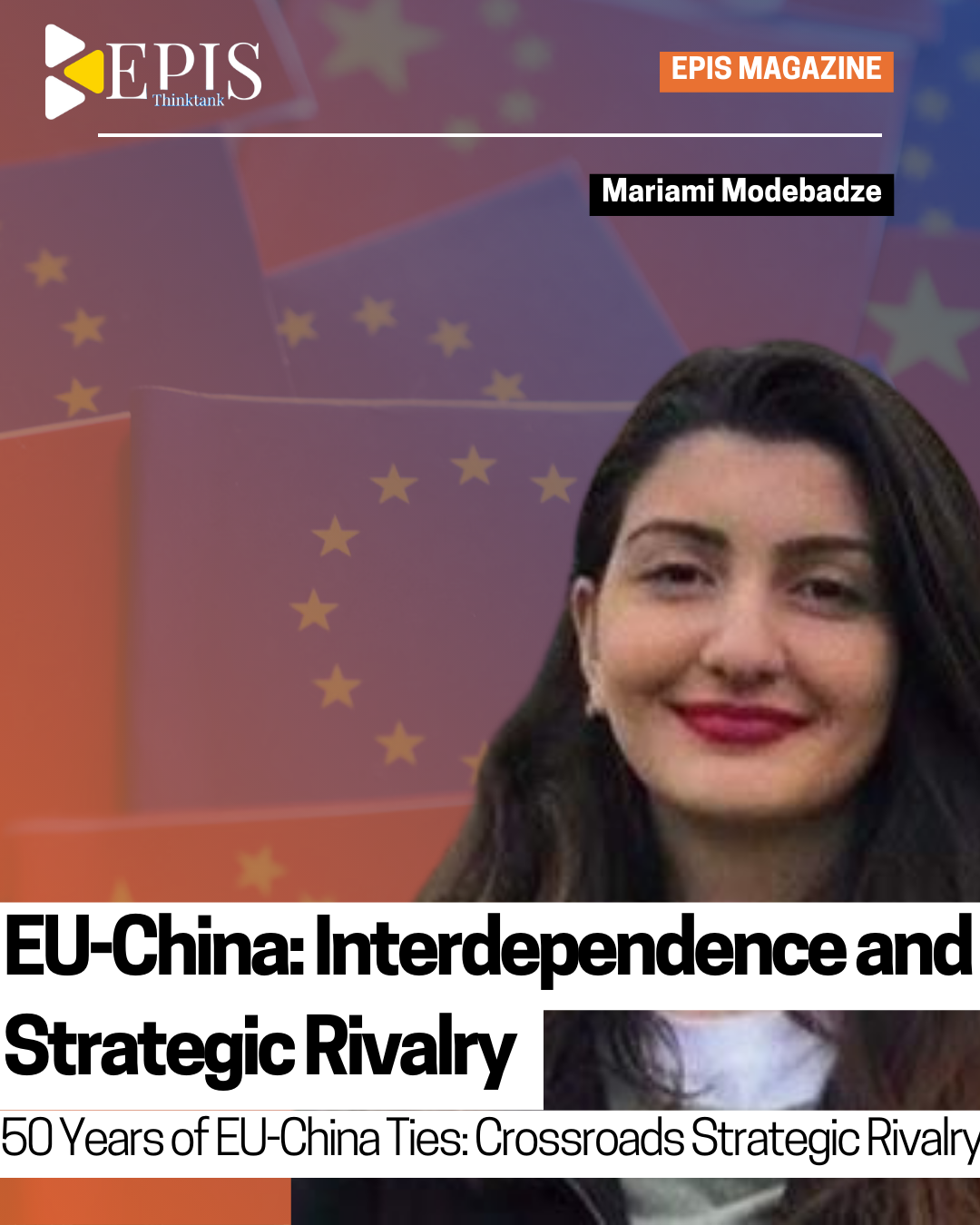
EU-China: Interdependence and Strategic Rivalry
Main Question: How have 50 years of EU-China relations evolved amid economic interdependence and strategic competition? Argument: While the EU and China remain economically interdependent, China’s growing power and geopolitical ambitions have shifted the relationship toward rivalry, creating imbalances and risks. Conclusion: The EU must adopt a comprehensive de-risking strategy to safeguard economic security while…
-
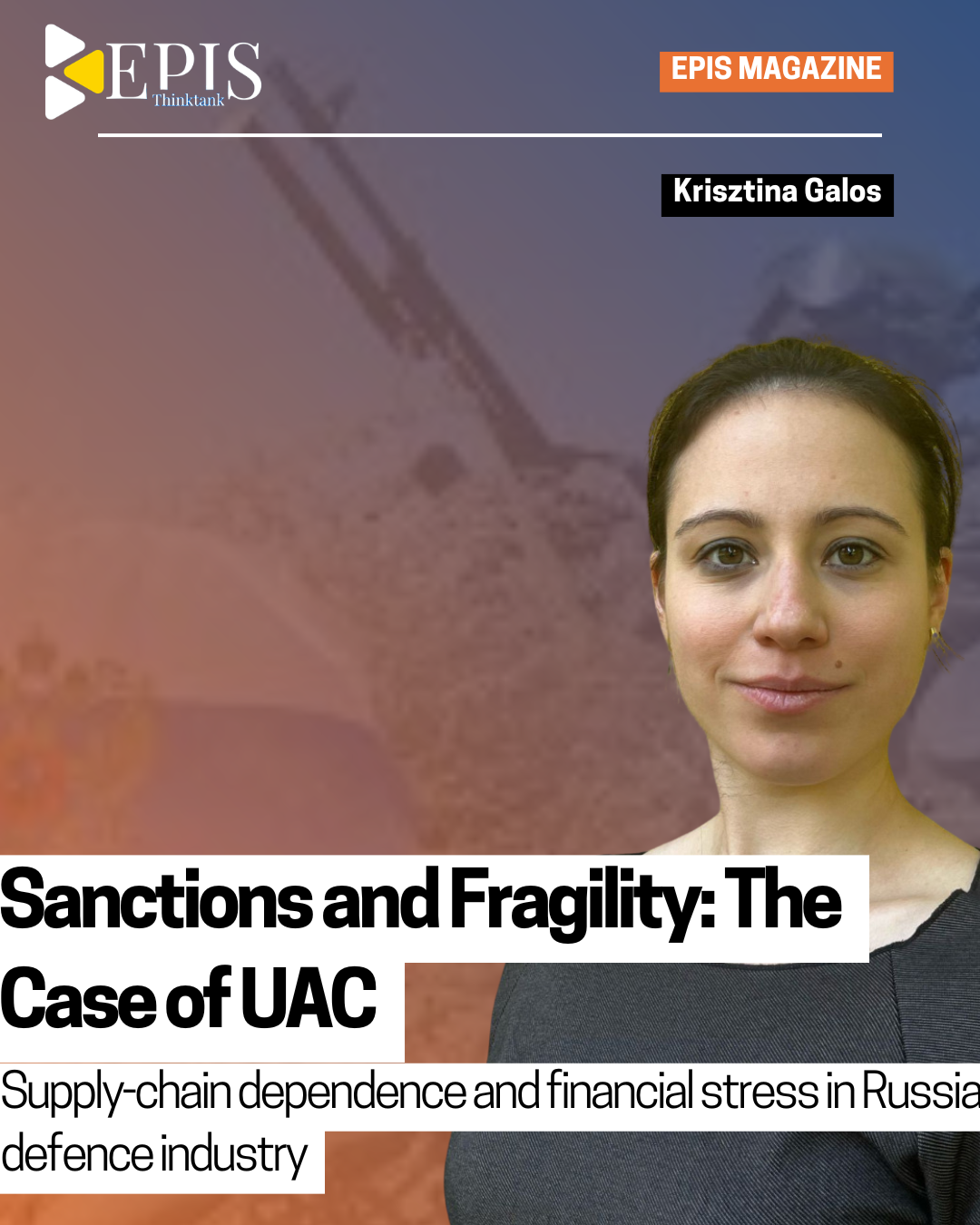
Sanctions and Fragility: The Case of UAC
Main question: Has UAC reduced foreign dependence and achieved financial sustainability after 2022? Argument: Despite sanctions and redomiciliation efforts, UAC remains structurally dependent on foreign technological inputs while its financial indicators deteriorate. Conclusion: UAC’s continued operation reflects state-engineered survival rather than market-based resilience, suggesting limited long-term sanction circumvention success.
-

A Starter’s Guide to the “Chip” Industry
Chips have proven that geography, cutting-edge expertise and power matter in a globalised world. They have been a key ingredient in great power competition and revolutionised warfare, play a key role in the AI revolution, and have a value chain that is global but fraught with weaponised bottlenecks and interdependencies. Yet, in an increasingly competitive…
-

Davos Diaries
what was this years world economic forum about? what was Epis’s impression and what are our future ambitions?
-
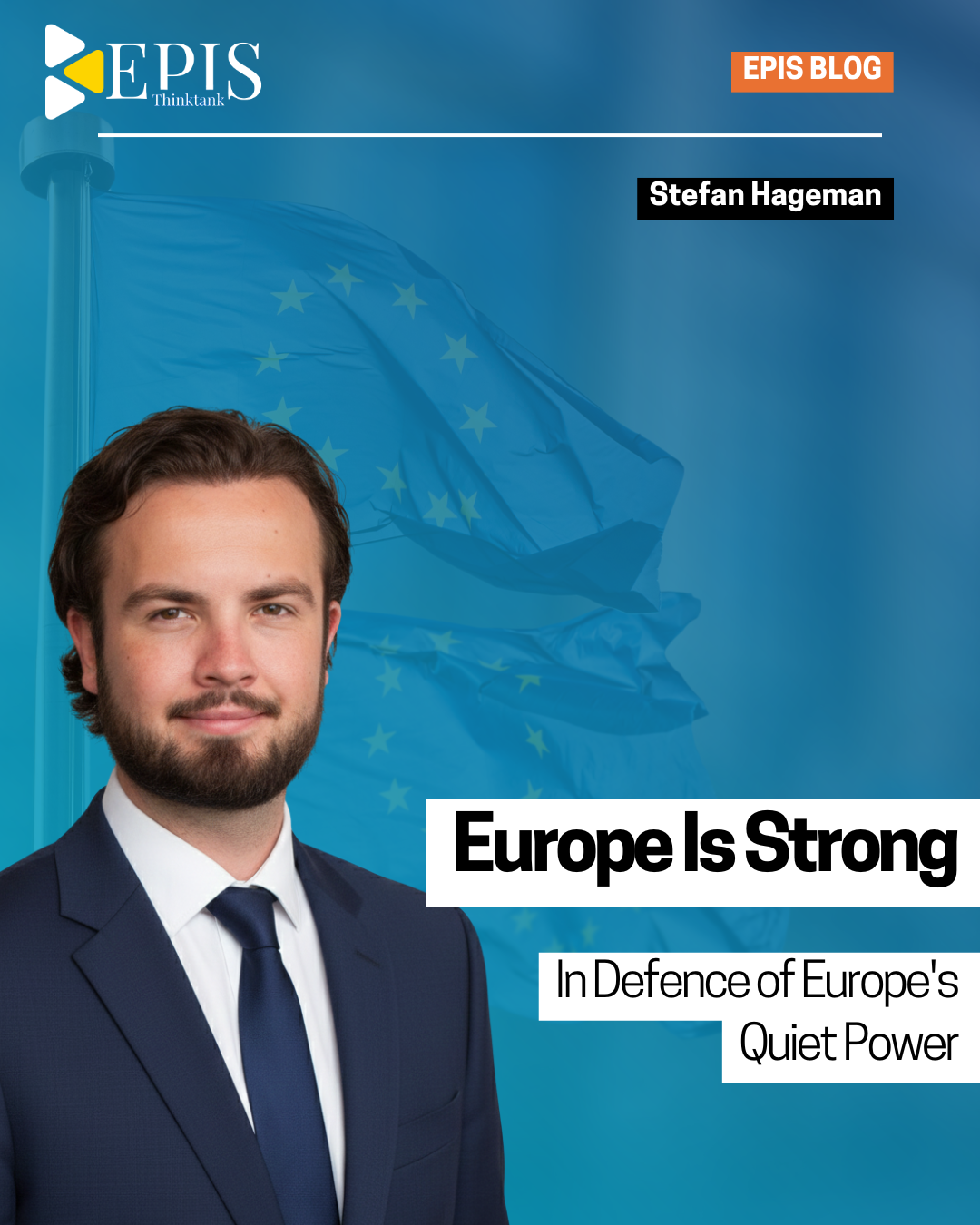
Europe Is Strong
What are Europe’s Strengths in this New World? despite widespread pessimism, Europe remains a major global power whose true strength lies not primarily in military force but in its vast economic weight, deep interdependence, and commitment to a rules-based international order that underpins prosperity and stability. If Europe preserves its values of cooperation, economic interdependence,…
-
When the EU Tests the Limits of the EEA
What does the EU’s first-ever use of Article 112 against Norway reveal about the limits of the EEA model? The tariffs reflect a broader shift towards a more interventionist EU trade policy, exposing how EEA market access can become conditional in times of economic pressure. As the EU increasingly uses safeguard measures to protect strategic…