Category: International Economic Relations
-

The Future of the Petrodollar
Main question: How might the energy transition affect the role and underlying strengths of the USD as the world’s reserve currency. Argument: one of the main pillars of USD dominance in global reserves is the ‘petrodollar’ system in which oil sales are denominated in dollars, requiring central banks to hold them in reserve. With the…
-
The Weak Yen Trap
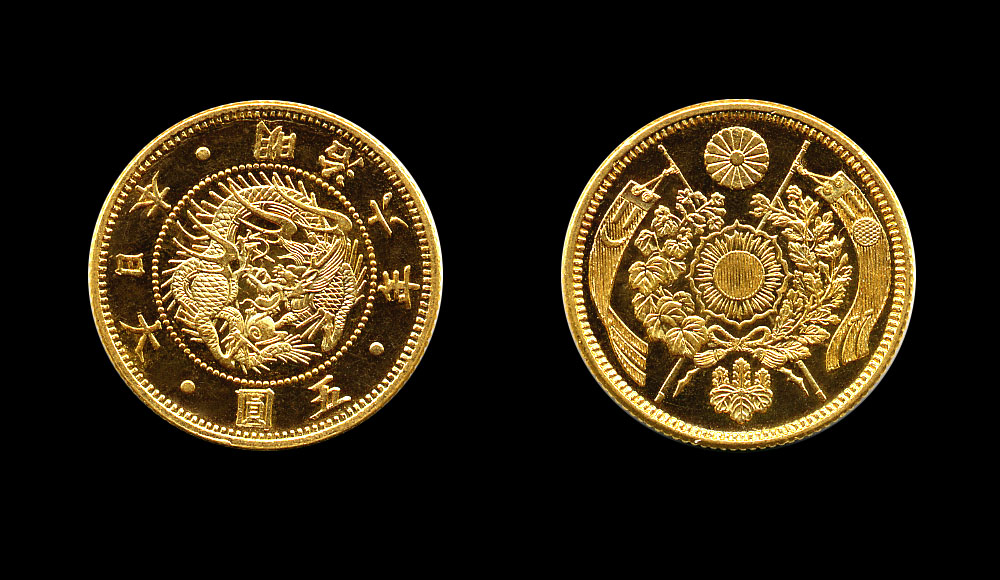
Q: Does Japan’s dollar exposure prevent the BoJ from raising rates? Arg: Low rates fuel carry trades that weaken the yen, while $1T+ in U.S. Treasuries ties Japan to U.S. monetary cycles — a self-reinforcing trap. Concl: Gradual normalisation is the best exit, but political pressures keep the status quo attractive.
-

The Euro as an international currency
– Should the ECB push the Euro internationally to incentivise smaller economies to take the Euro on as their anchor currency? – The general trend point towards a de-risking internationally with countries increasingly preferring baskets over a single currency, and the most attractive policy remains domestic stability. – The ECB should not let itself be…
-

-

-

Monetary Blocs and International Currency
As in the past, the fragmentation of the global economy and the formation of geopolitical blocs inevitably lead to the emergence of monetary blocs and changes in the system of international payments and international currency. In this text, we will attempt to outline some key elements of the dynamics of these changes and the possible…
-

Who Controls Money?
How do cryptocurrencies affect financial stability and security compared to gold? Both rely on scarcity but differ in relation to state power. Gold is embedded in state systems and supports stability, while cryptocurrencies enable decentralized transfers outside institutions. This weakens sanctions and oversight, increases volatility, and shifts financial authority away from states.
-

The Euro: Power without Autonomy?
Main question: Why has the euro’s monetary power not translated into full EU strategic autonomy? Argument: While the euro functions as a growing geoeconomic tool (sanctions, trade, finance), its impact is constrained by EMU’s incomplete architecture, dollar dominance, and fragmented political and financial integration. Conclusion: Without deeper fiscal, financial, and political union, the euro cannot…
-

Digital Currencies and their Implications
1. Asks how the introduction of the digital euro could impact International Relations, through changes in monetary power. 2. The digital euro could strengthen the European Union by increasing monetary sovereignty, reducing reliance on U.S.-based payment systems, and expanding the EU’s regulatory influence globally. 3. The paper concludes that the digital euro could enhance the…
-

Dollar Dominance and Competing Currencies
What is the future of dollar dominance? This report argues the dollar will not be displaced despite geopolitical tensions and digital innovation, due to its structural and infrastructural advantages. Instead, the system is becoming more fragmented and multipolar. By 2050, the dollar remains central but but no longer uncontested.