Category: International Economic Relations
-

Is the world moving beyond SWIFT?
Can CIPS, SPFS, and mBridge realistically replace SWIFT as the backbone of global financial messaging and settlement? Each alternative serves a distinct purpose: RMB internationalisation, sanctions resilience, or CBDC-based settlement, but none replicates SWIFT’s scale, and most still depend on it. The payment infrastructure is evolving toward multipolarity, not replacement — parallel systems are emerging,…
-

Patriotism and Policy-Making in China
How does patriotism influence China’s policy-making in a fragmented global order? Patriotism acts as a source of national cohesion that supports long-term policies, especially in technological self-reliance. While effective for coordination, this model raises questions about debate, flexibility, and global implications.
-
Designing Sanctions
To what extent does international law constrain the EU’s use of Russian central bank reserves? This article argues that sovereign immunity and the limits of countermeasures not only restrict the EU’s action but directly shape its sanctions design. It concludes that outright seizure of assets would likely be unlawful, and that any financial sanctions must…
-

Dollar Dominance: The Fed’s Geopolitical Shadow
Main Question: How does Fed monetary policy shape US geopolitical power, and what does the Powell-to-Warsh transition mean for dollar dominance? Argument: The dollar’s reserve status turns every Fed decision into a geopolitical event, enabling financial sanctions while keeping BRICS alternatives marginal. Conclusion: Warsh’s hawkish instincts can reinforce dollar credibility, but ultimately, his goal is…
-
Asian Energy Crisis: Who Lost the Most?
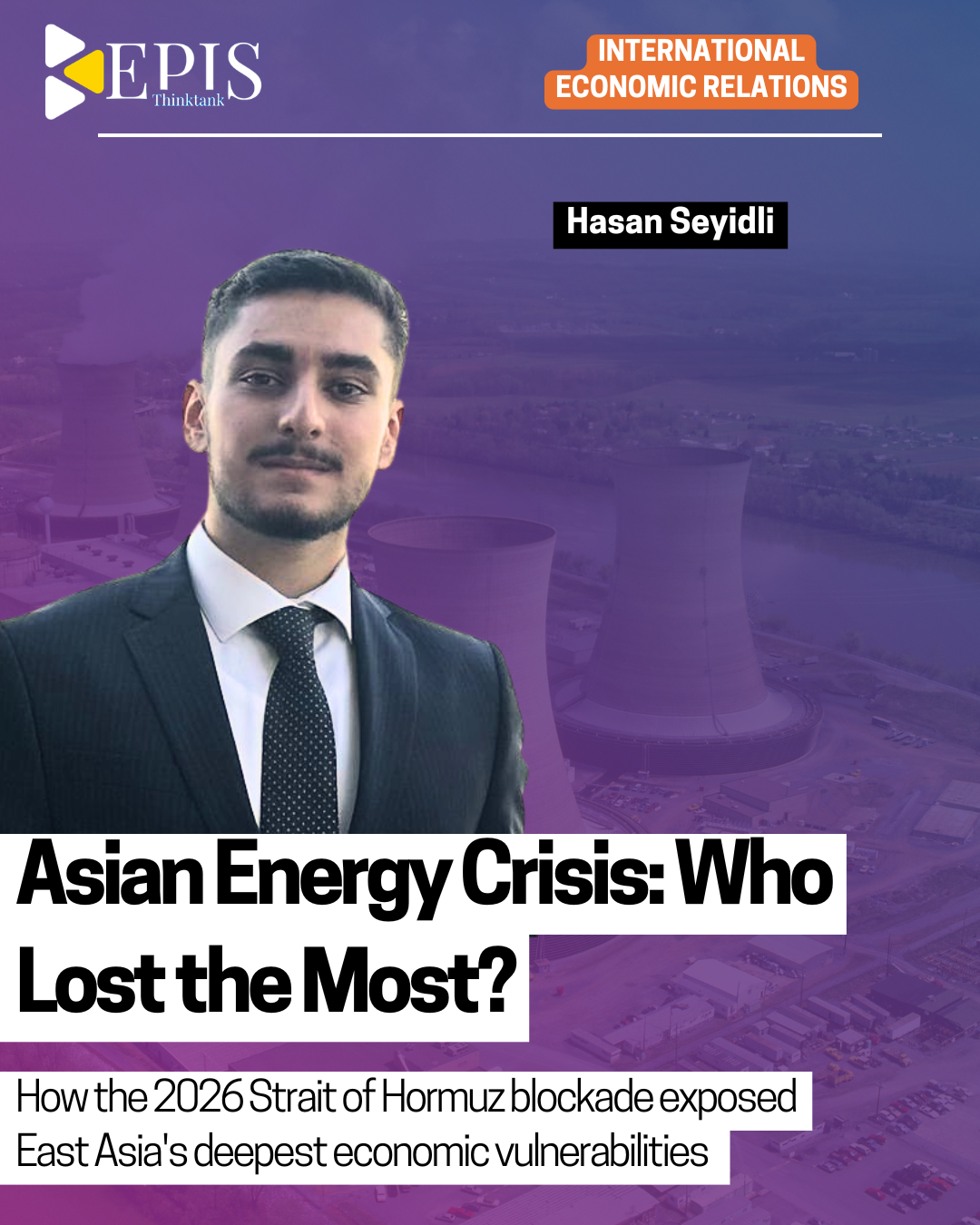
-How did the Hormuz blockade expose the vulnerabilities of China, Japan, and South Korea in international economic relations? -Their vulnerabilities were unequal, and their diplomatic responses diverged sharply along geopolitical lines, with the crisis threatening to permanently reshape Asian energy politics. -Diversifying suppliers means nothing if all of them ship through the same chokepoint -…
-

Supply Shock: Why is Gas so Expensive?
1) Why does a supply shock impact gas prices? 2) Changes to oil production capabilities affect the oil supply and its prices. 3) A supply shock creates short-term or long-term changes to oil supply and prices that affect consumer spending and activity.
-
Petrodollar
Petrodollar describes how Gulf oil is exchanged for US Security. The Petrodollar has helped establish the USD as a global reserve currency. Iranian retaliatory strikes against the Gulf states threaten the petrodollar.
-
Discussing Consultancy in a Shifting Landscape
Main Question: How can businesses navigate an increasingly fragmented and uncertain geopolitical landscape? Argument: Companies must integrate geopolitical analysis into their core business strategy rather than treating it as an external factor. Conclusion: As global dynamics grow more complex, the demand for experts who can translate political trends into strategic business decisions will continue to…
-
A Promise Made Too Soon:
After capturing Maduro, the White House made one thing clear: They aim to revive the Venezuelan oil industry. Though an exciting project to some, it might just be too challenging for many others. Even though Venezuela is extremely oil-rich, internal and external factors might just showcase it as a bad investment.
-
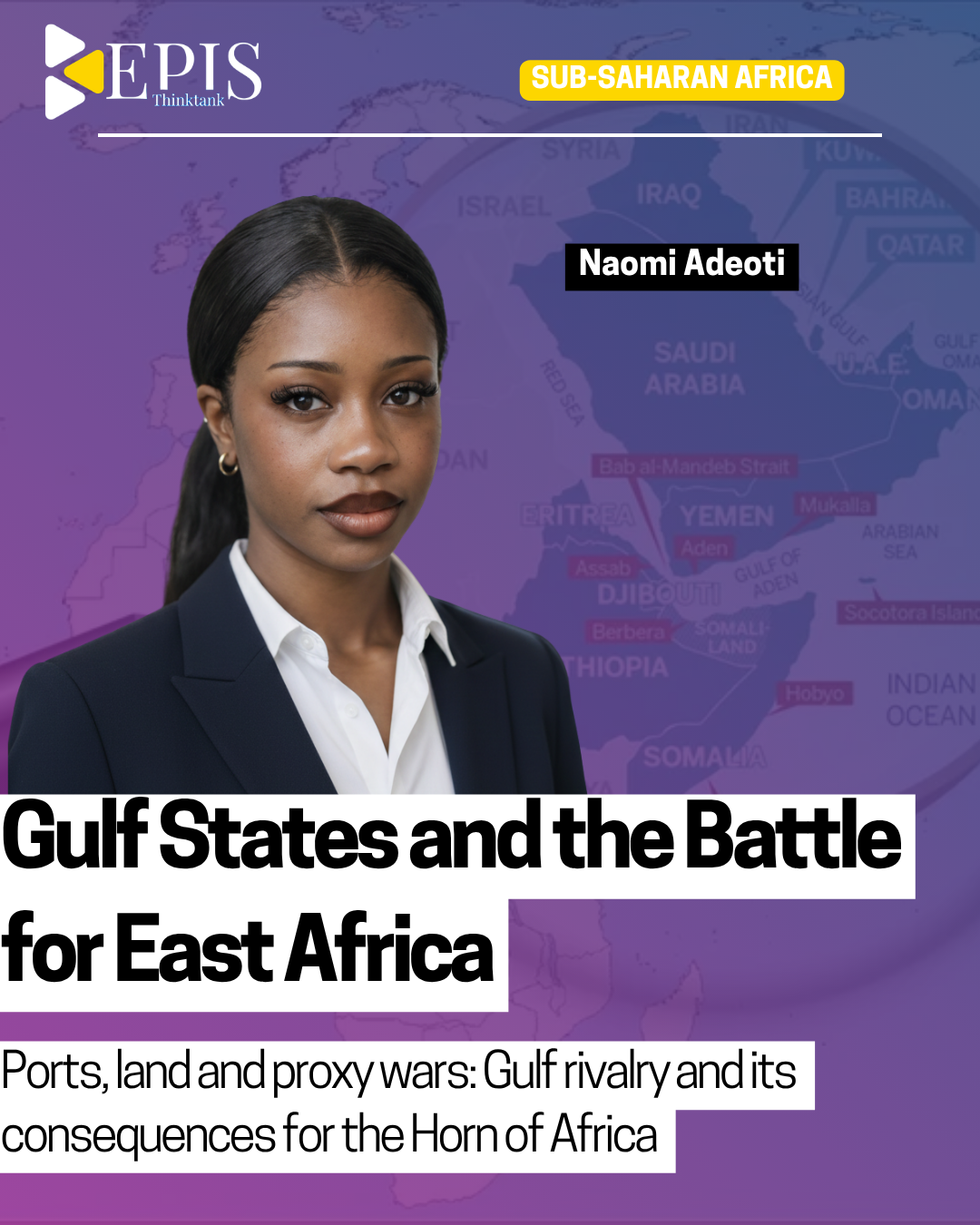
Gulf States and the Battle for East Africa
Gulf states have become the Horn of Africa’s most consequential external actors — but how is their influence actually operating? Infrastructure development, farmland acquisition, and security partnerships combine into a model of embedded influence that accumulates leverage over time while bypassing formal institutions. As the Saudi-UAE rivalry hardens into competing blocs, the Horn is increasingly…