Category: International Economic Relations
-
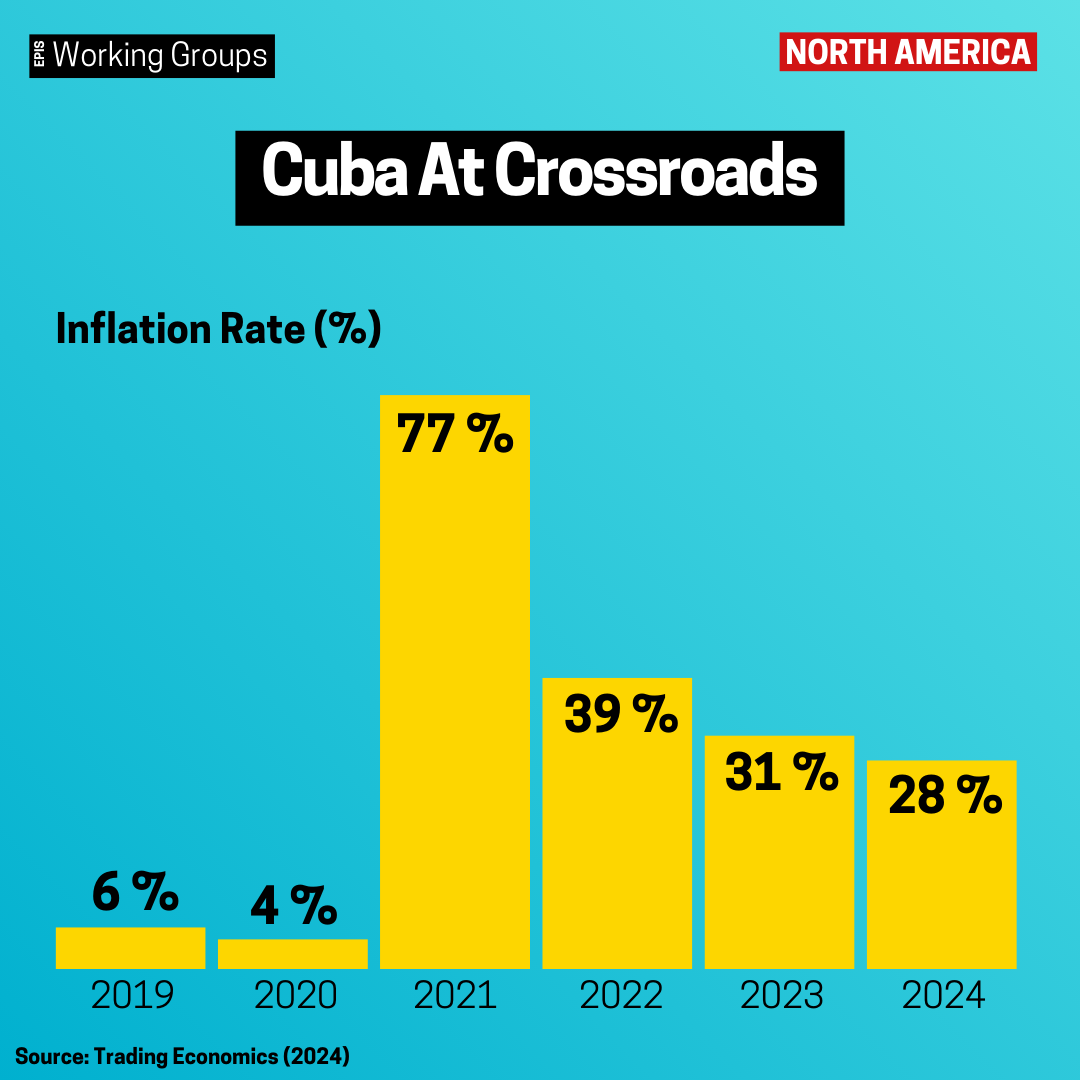
Cuba at Crossroads
1. How the current economic crisis affects the international relations of Cuba. 2. The Cuban regime is facing a major crisis that could potentially undermine its grip on the island. 3. Cuba needs to rely on foreign powers such as Russia to maintain the status quo.
-
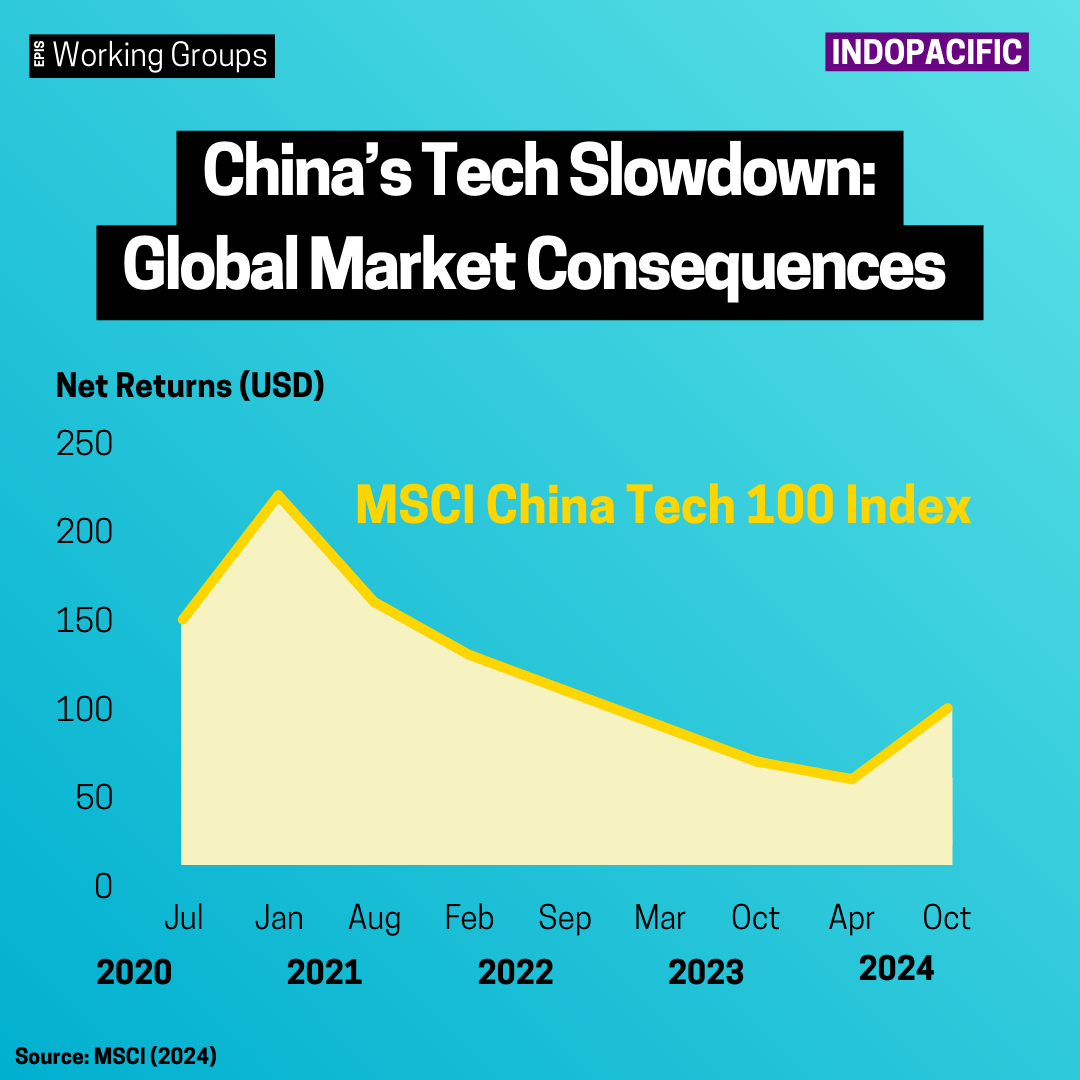
China’s Tech Slowdown Has Widespread Consequences for the Global Market
China’s tech sector faces slowing growth, falling profits, and increased uncertainty, worsened by U.S. tariffs and geopolitical tensions.
-
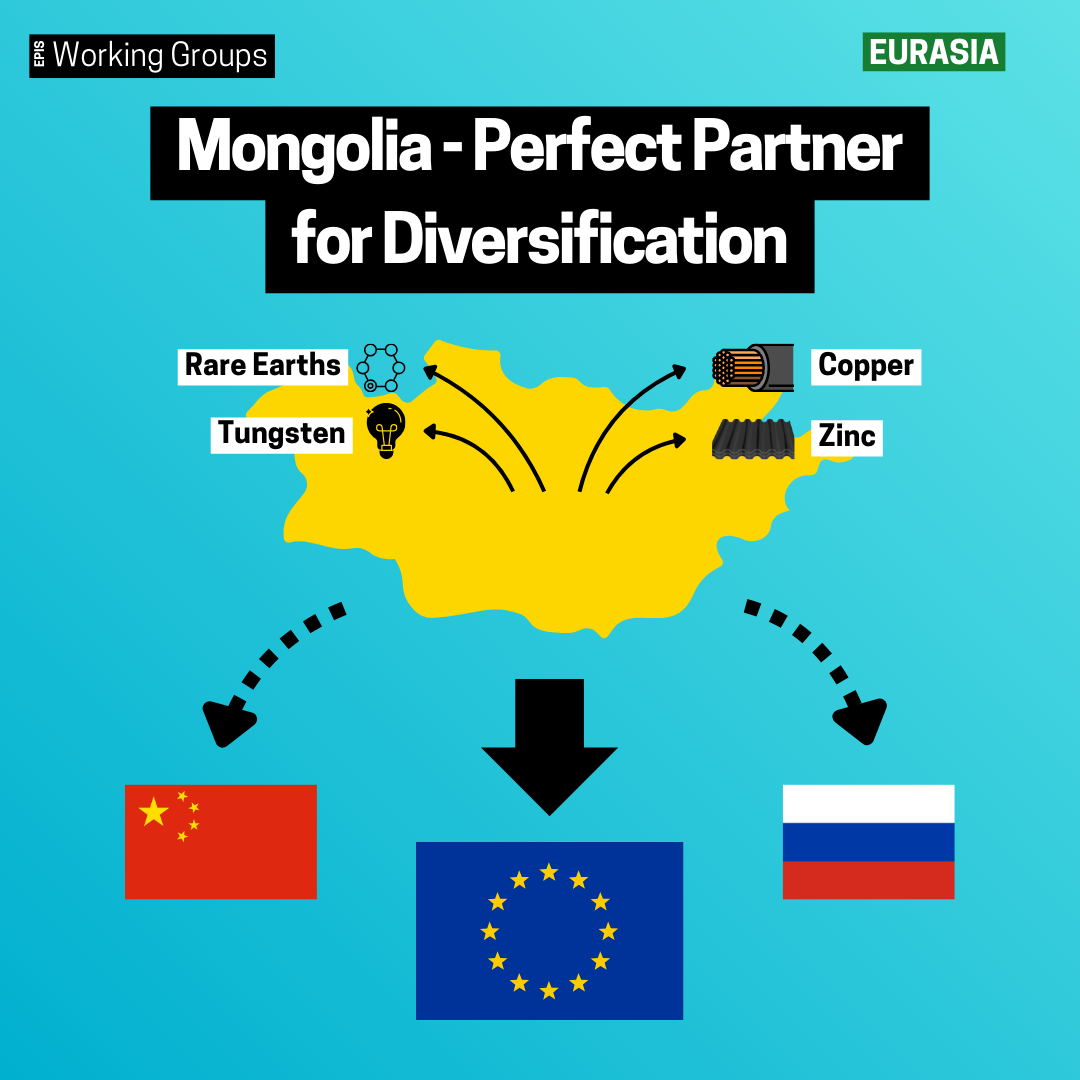
Mongolia’s Strategic Relevance for European Diversification Efforts
Mongolia is an attractive partner to diversify partnerships of European countries. Its raw materials and strategic location make it valuable.
-

The European Chips Act
Amidst the semiconductor shortage, the EU aims to step up and become a chip leader using the Chips Act.
-
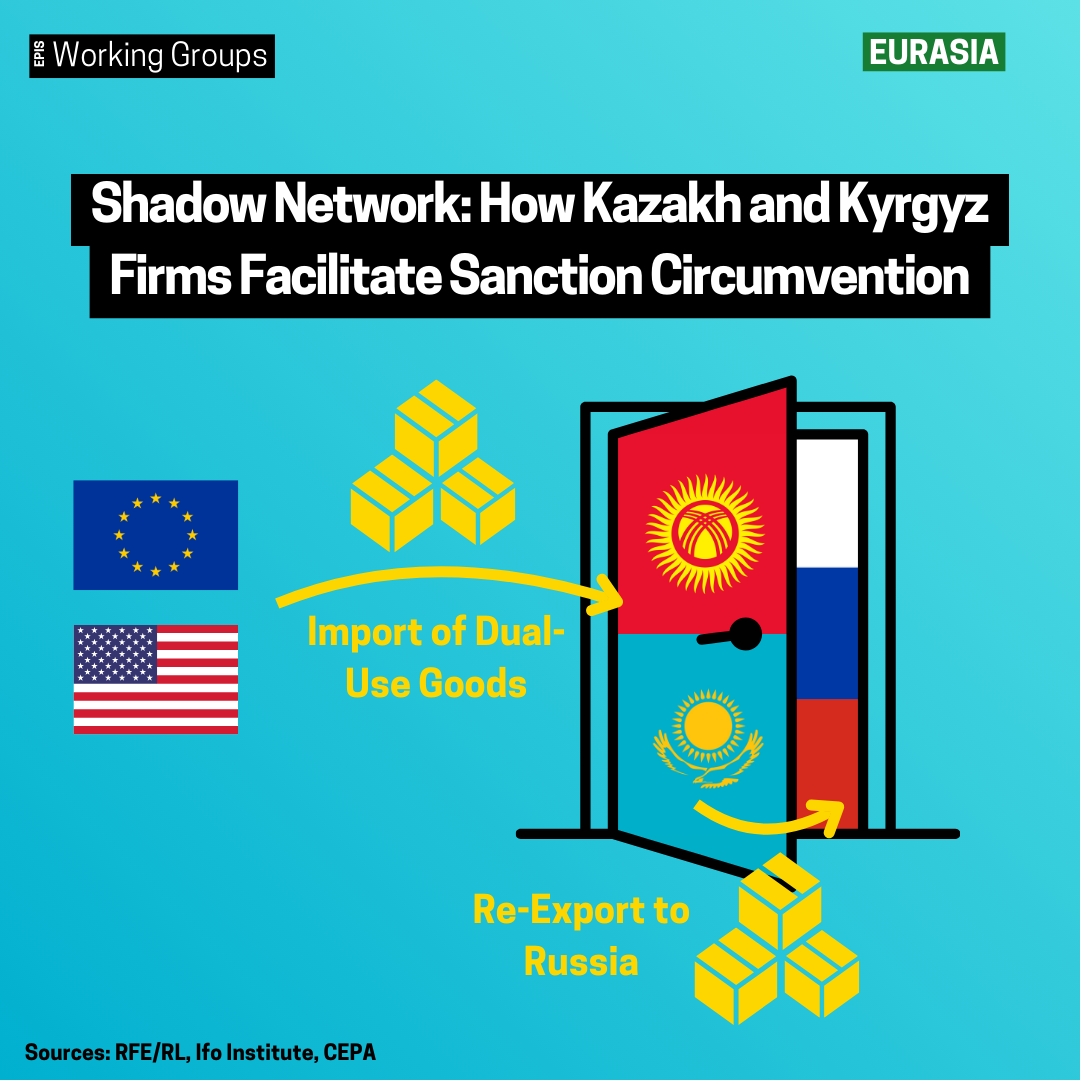
The Shadow Network
Following 2022 sanctions, Kazakhstan and Kyrgyzstan helped Russia bypass restrictions on dual-use goods, leading to tighter US and EU countermeasures.
-
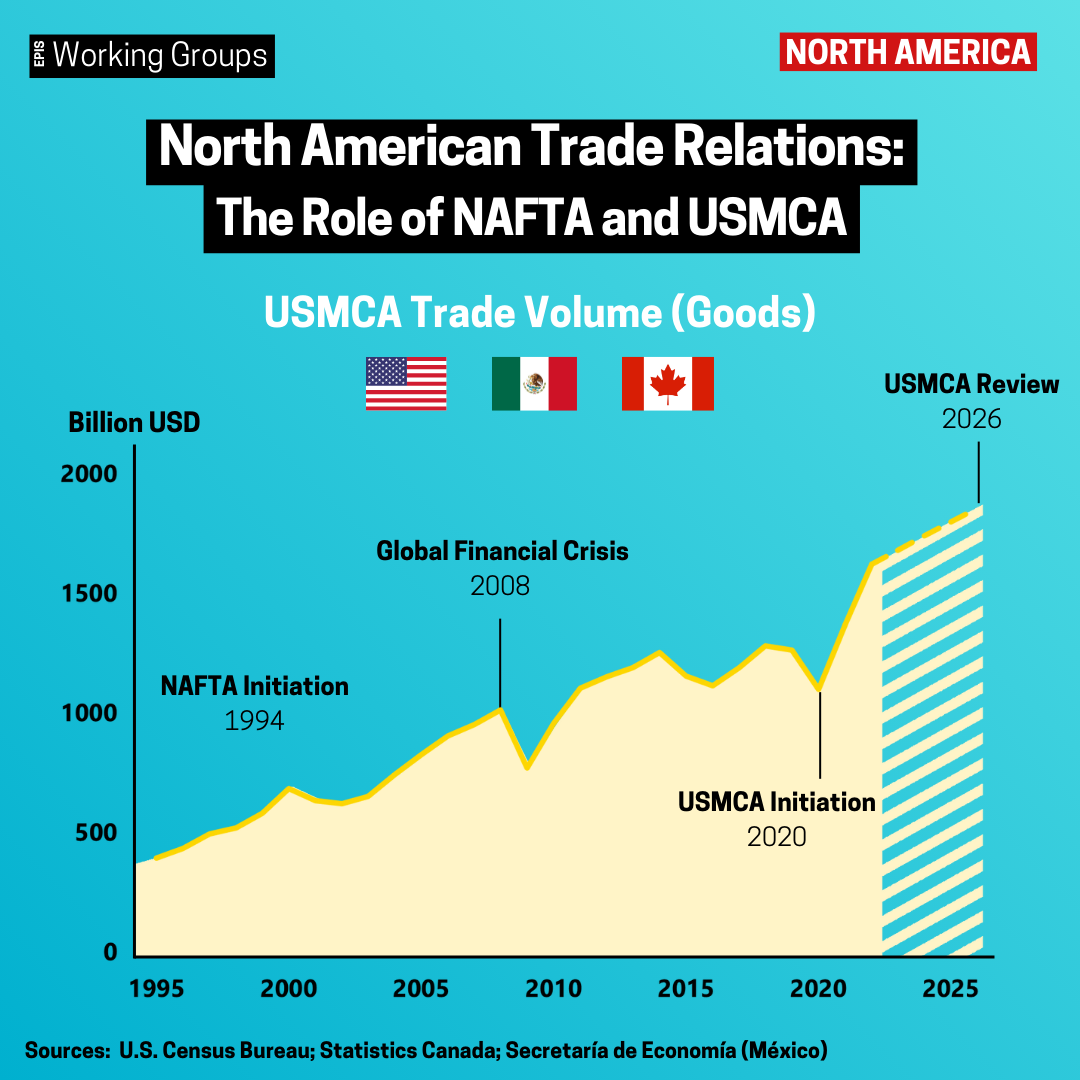
North American Trade Relations
The free trade agreements NAFTA and USMCA played relevant but overexaggerated roles in shaping North American economies.
-
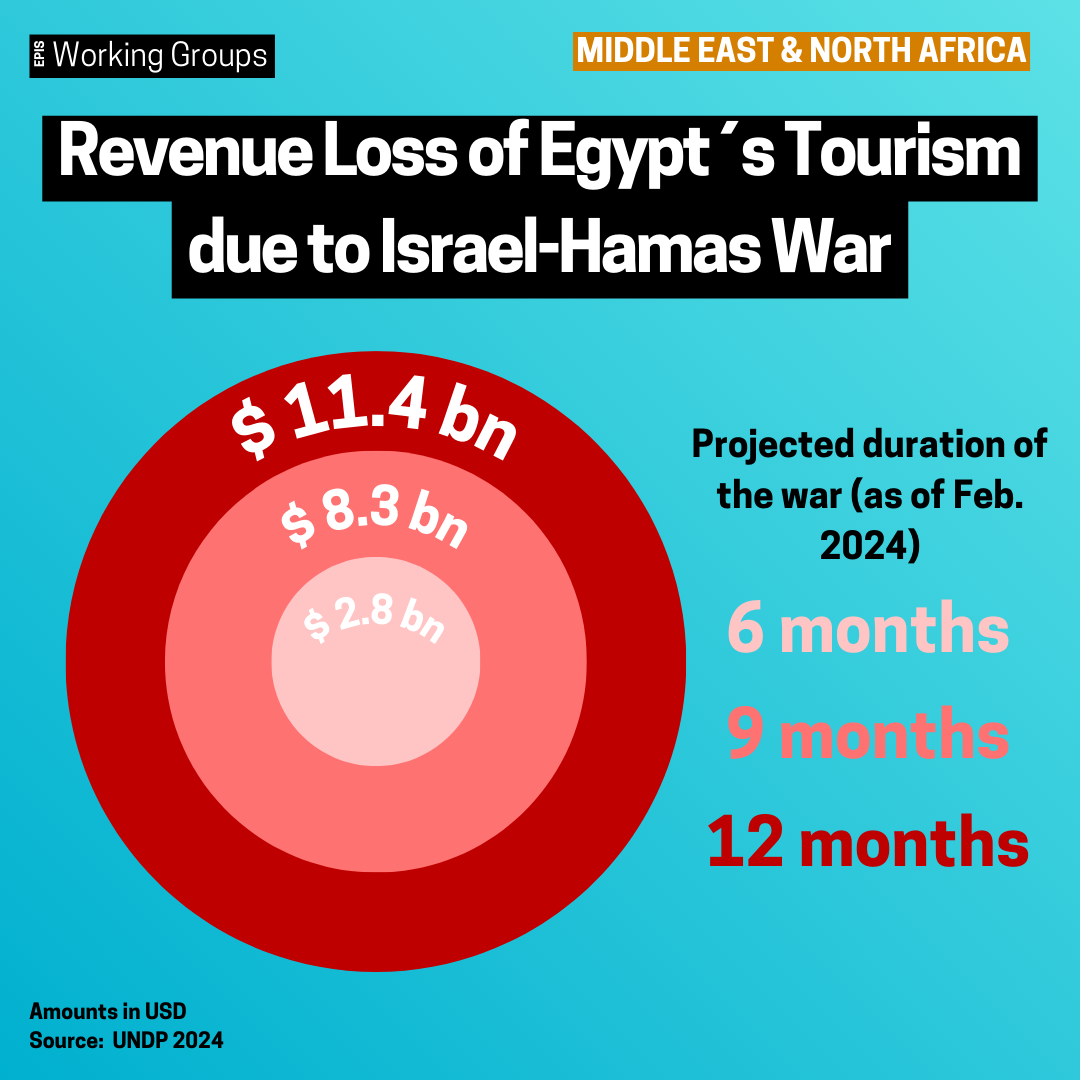
The Impact of the Israel-Hamas War on Egypt’s Tourist Industry
The Hamas-Israel war has affected Egypt’s vulnerable economy in various ways. Quantifying the exact impact remains challenging due to the complex and multifaceted nature of its influence on Egypt and the region.
-

Navigating Global Development
China’s hands-off approach and debt concerns highlight PGII’s dilemma in prioritising sustainable, community-centric projects.
-
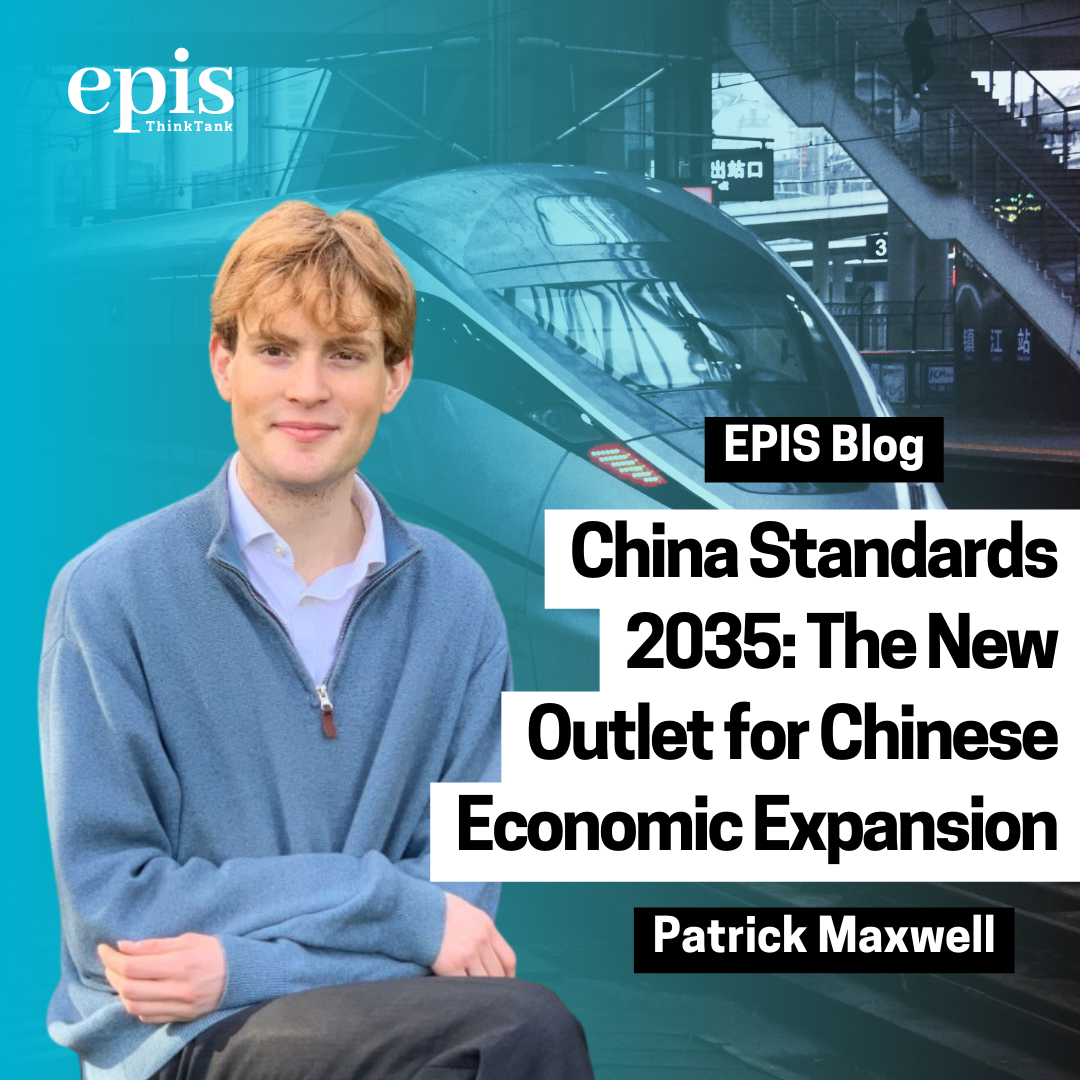
Chinese Standards 2035
China Standards 2035′ shapes the PRC’s futures fostering economic isolationism and political assertiveness.
-
The Effect of Double Tax Treaties On Foreign Relations
Double Tax Treaties influence the participating states’ tax revenue. In the past, they have been accompanying the rise and fall of diplomatic contact. The article highlights the role of such treaties as a bargaining chip, even in times in which the international tax regime moves away from influential countries to influential international institutions.