Category: Security Policy & Defence
-
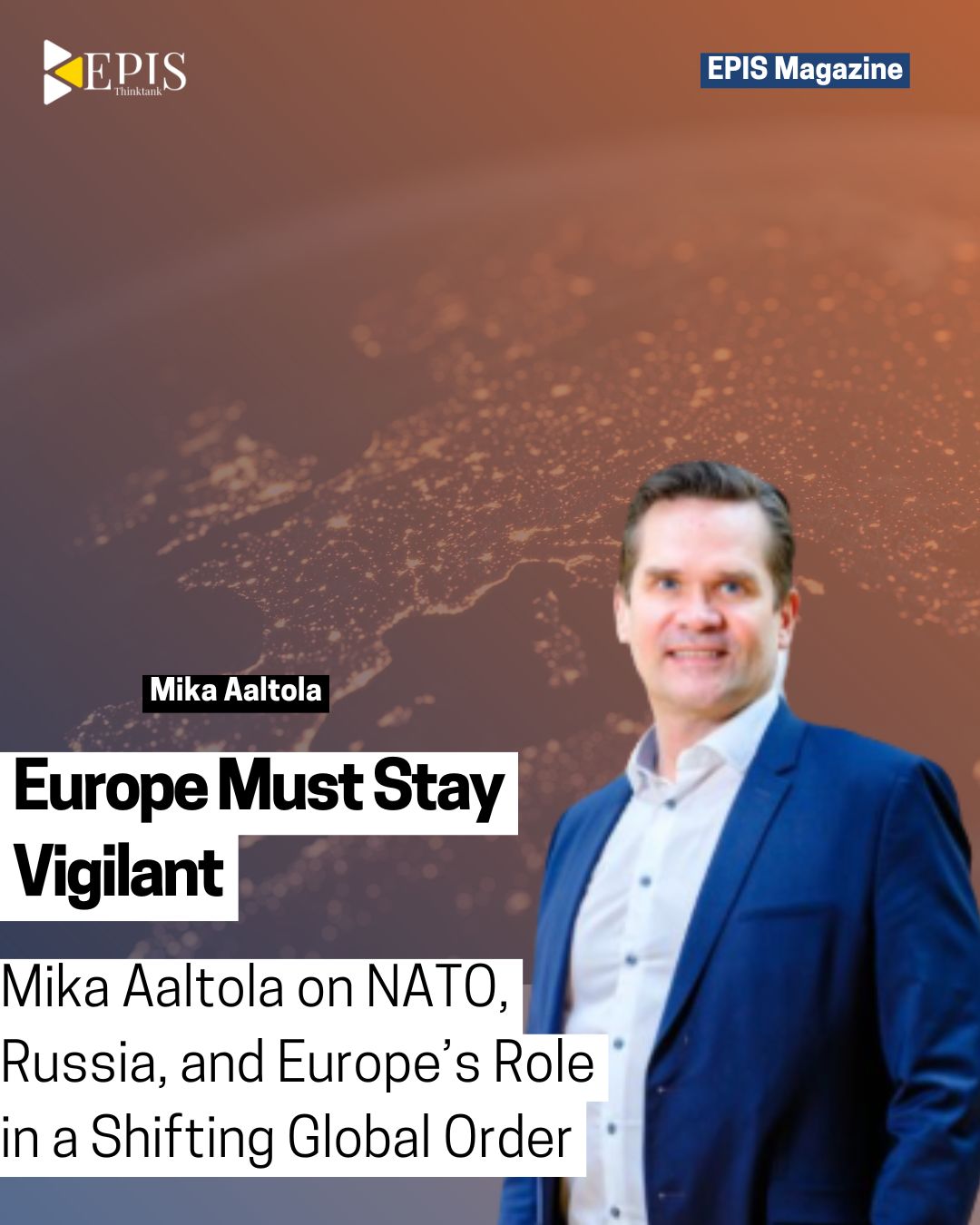
Europe Must Stay Vigilant
Mika Aaltola explains how Russia’s war in Ukraine transformed Finnish public opinion and pushed Finland into NATO. He argues that Finland’s defense posture and trust-based society enable it to lead by example. For Europe to remain relevant, Aaltola urges stronger, more coordinated defense and renewed trust in institutions. Investing in security is not a threat…
-
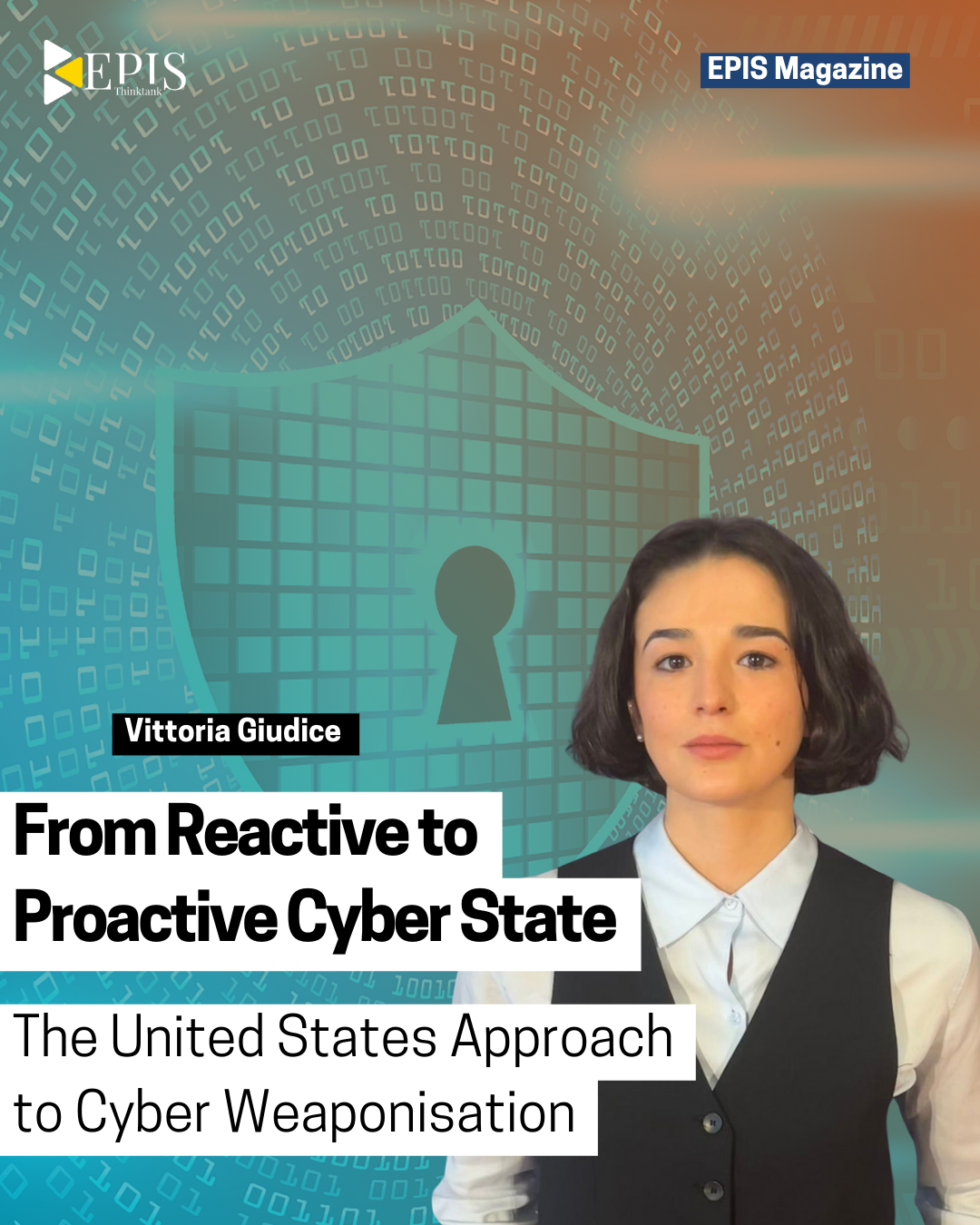
From Reactive to Proactive Cyber State
1. How has the United States’ approach to offensive cyber operations evolved after Trump’s first administration? 2. The U.S. moved from deterrence to persistent engagement, under the “Defend Forward” strategy introduced by Trump and institutionalised under Biden 3. Expanding offensive cyber operations could improve security, but it also carries the risk of escalation and instability.
-
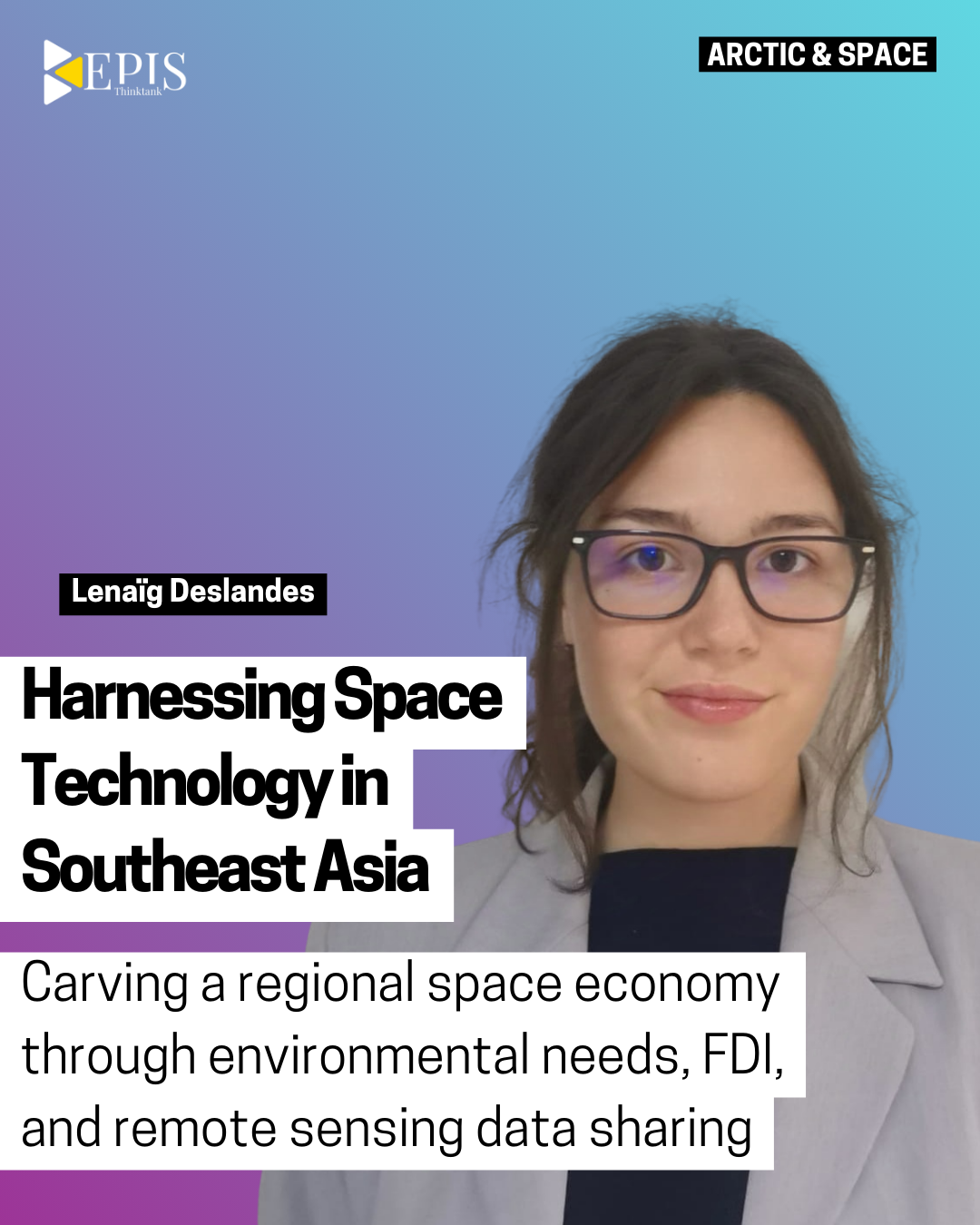
Harnessing space technology in Southeast Asia
Southeast Asia has a burgeoning space industry that is increasingly mentioned in space policy media. This brief will initiate a conversation on how Southeast Asia’s space policy presents itself. It discusses the elements that have pushed space program development and how ASEAN member states have used FDI and remote sensing data sharing to generate collaboration…
-
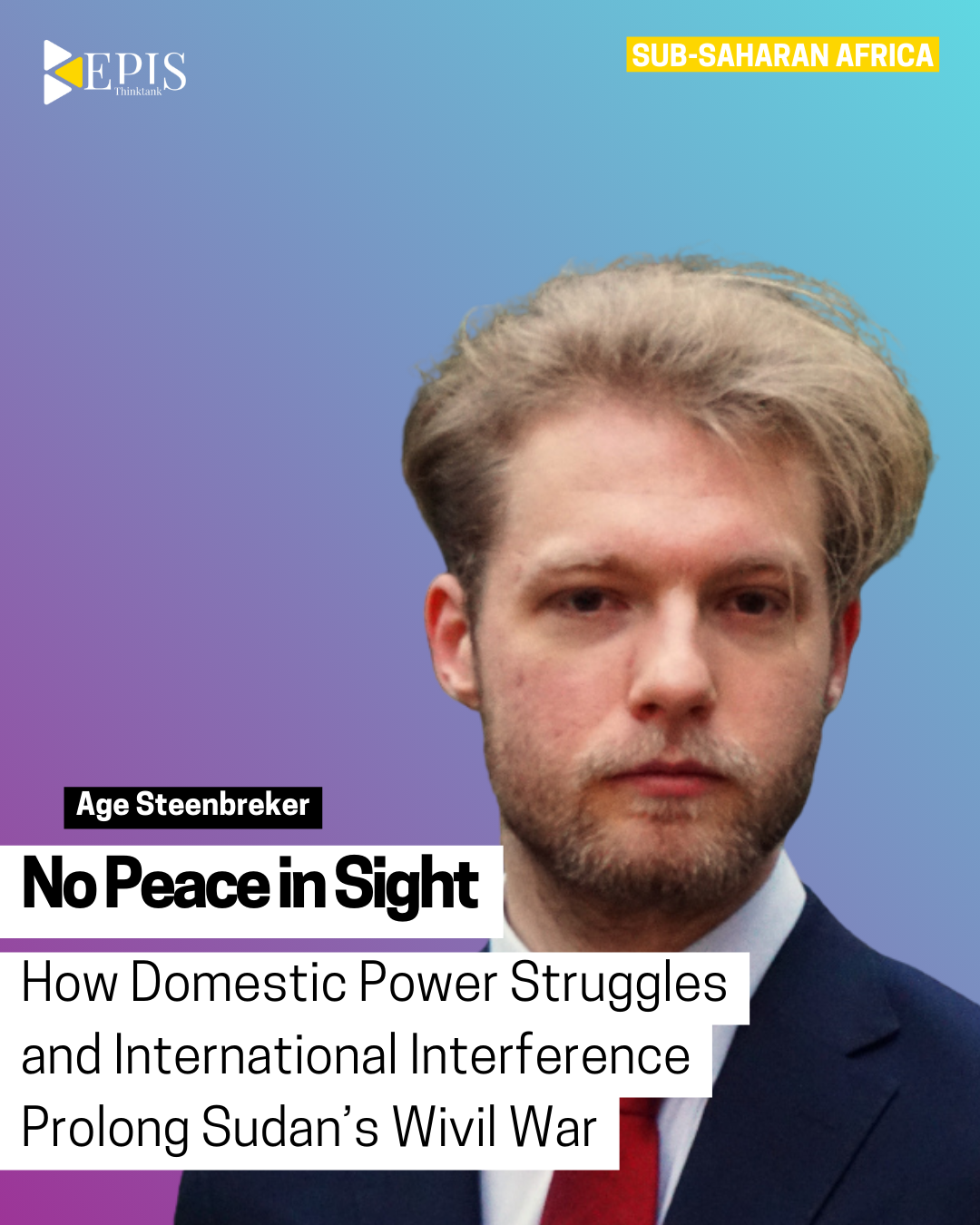
No Peace in Sight
The School for ThinkTankers 2025, organized by ‘On Think Tanks,’ was a five-day workshop designed to equip young professionals with skills for think tank leadership. The program covered governance, fundraising, policy influence, and communications, with insights from experts. Key lessons included the importance of adaptability, strategic foresight, and informal exchanges in strengthening think tank impact,…
-
The Role of Foreign Powers in Lebanon’s Security Landscape
How do foreign powers shape Lebanon’s security landscape? From Iran’s military entrenchment to Western and Gulf states’ strategic maneuvers, foreign actors have long influenced the country’s fragile equilibrium. As regional dynamics shift, Lebanon’s trajectory remains uncertain. Without a unified international strategy and a commitment to long-term stability, Lebanon risks remaining a proxy battleground for geopolitical…
-
The EU Should not Wait for Trump’s Green Light to Block TikTok
Should the EU ban TikTok without waiting for Trump? Romania’s case proves the platform’s danger to elections when a candidate with no party or funds rose to prominence via fake accounts and algorithm manipulation. By implementing an EU-wide ban, the Union would protect electoral integrity and demonstrate digital strategic autonomy.
-
Germany’s Feminist Foreign Policy in Crisis
Can Germany, as a capitalist and imperialist state, implement a transformative Feminist Foreign Policy? Despite advocating for human security and disarmament, Germany’s rising arms exports and support for military interventions contradict these principles. The policy follows a liberal-feminist approach, failing to address deeper postcolonial and patriarchal structures. Conclusion: Germany’s Feminist Foreign Policy remains rhetorical, unable…
-
A Fading Alliance?
1. Will the CSTO have a future as a relevant organization? 2. We see a history of inaction, Russia maintains a leadership role within the organization and its current priorities are elsewhere, we have seen member states question the organization. 3. Although the organization is unlikely to disappear, its fragmentation and decline will create room…
-
The Militarization of Space
Why is space becoming a military domain? Western nations are shifting from scientific exploration to defense, investing in satellites for communication, GPS, and missile warning systems. The U.S. Space Force now surpasses NASA in funding, with bipartisan support. NATO allies like Italy, the UK, and Sweden are expanding military space programs. This trend reflects a…
-
Working in Darkness
1. How vulnerable are undersea cables, and what are the implications of their sabotage for security and global stability? 2.Undersea cables, carrying 95% of global data, are critical to communication, defense, and finance but are increasingly targeted. Attacks expose risks like physical damage and tapping, threatening economic and energy stability. 3.With 1.4 million km of…