Category: Security Policy & Defence
-
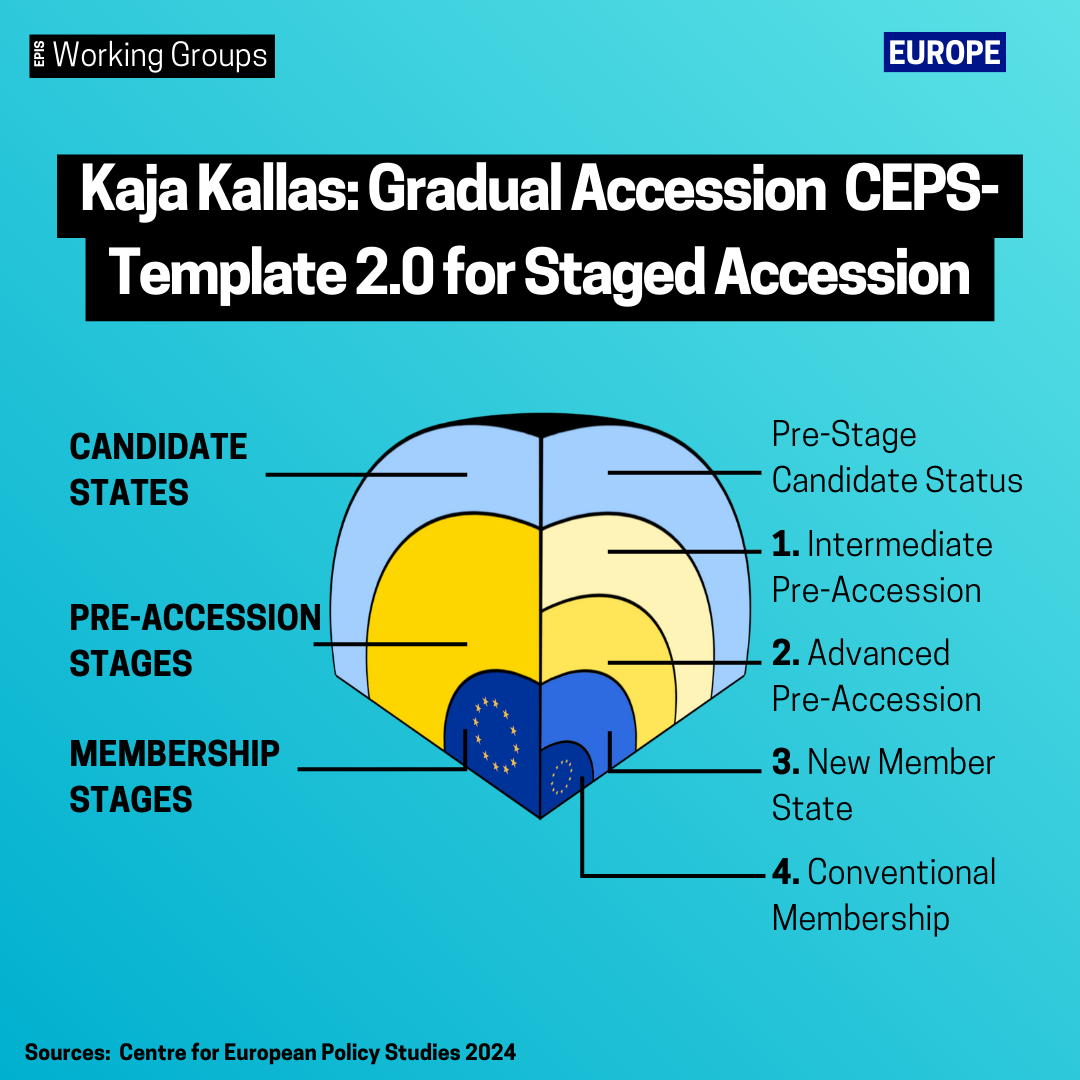
Kaja Kallas
The EU’s new High Representative for CFSP Kaja Kallas is a strong advocate for EU enlargement by “staged accession”. This Brief takes a closer look at the CEPS model for staged accession.a
-
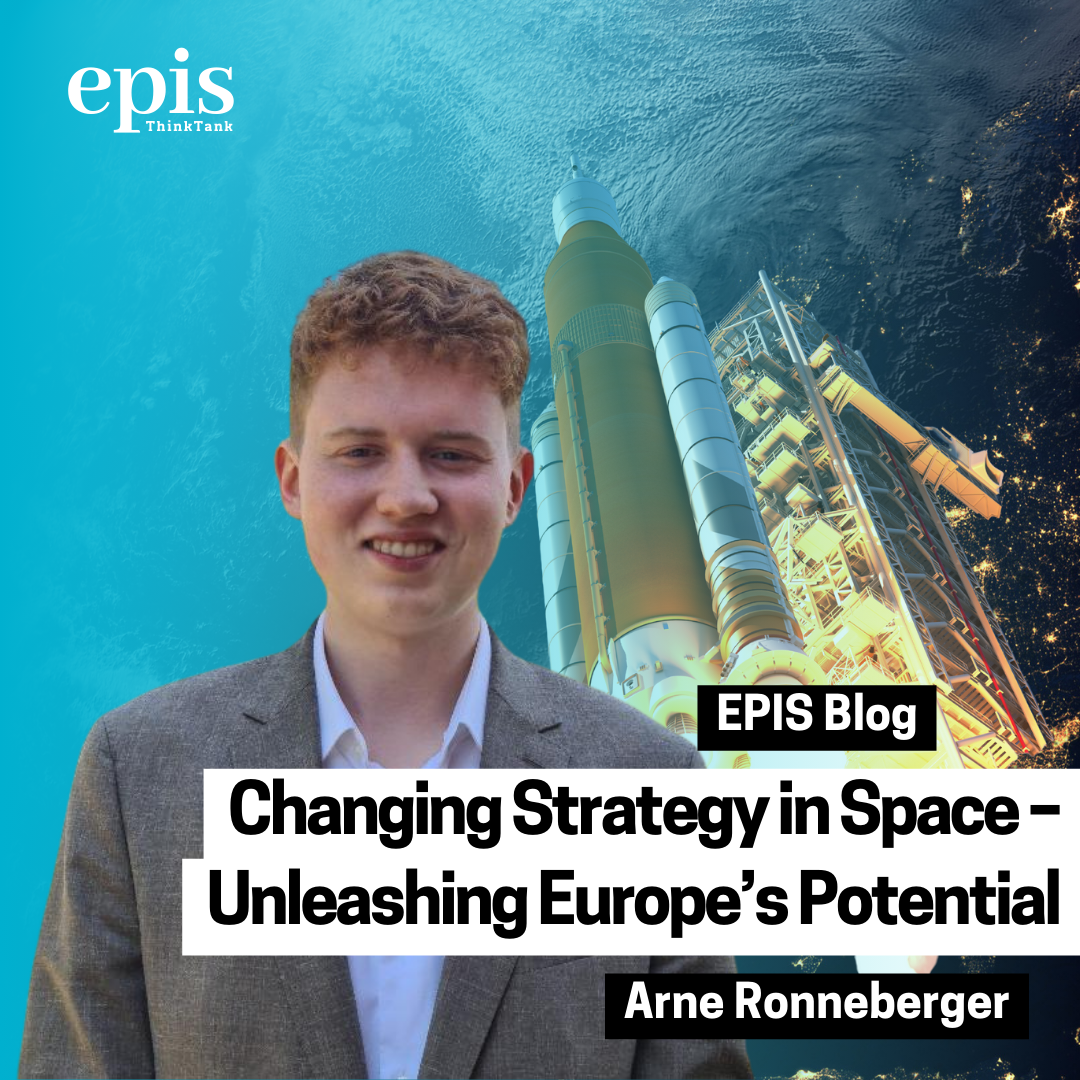
Changing Strategy in Space
With the renewal of European space cooperation, private investment in space will accelerate economic growth and bring security advantages.
-

Facing Russia’s War Economy
Russia’s war economy has defied initial predictions of collapse following Western sanctions. Instead, Russia’s GDP has grown, and its military spending has increased to 6% of GDP. However, the economy faces challenges, including human capital flight, reliance on fluctuating energy prices, and possibly capital depreciation. The limits of sanctions highlight the need for the West…
-

The Role of AI in Supporting Women, Peace and Security Agenda
This article investigates how artificial intelligence (AI) technologies can support the Women, Peace, and Security Agenda (WPS). Through the introduction of the following technologies: automated behavioural analysis, AI consultation, predictive analytics, AI-generated event maps and machine-learning disaster robots applied to the five principles of the WPS agenda: prevention, participation, protection, relief, and recovery. The article…
-

The Time has Come to “Europeanise” NATO
The relationship between the United States (US) and the North Atlantic Treaty Organisation (NATO) is often fantasised about by Europeans, who are quick to confound US defence with NATO. However, we should consider NATO in the same way as the Americans – a European regional organisation in which the United States participate.
-

The European Army
The European Army regularly appears in European defence discourse as a solution that would solve the troubles that the EU has had in it´s defence sector. This article aims to discuss the challenges that a European army would create and aims to answer the question if the idea of a European Army would be able…
-

What will Biological Warfare look like in the 21st Century
From the perspective of a natural scientist, how will today’s technology change biological warfare in the 21st century? Over the last two decades, breakthroughs in synthetic biology, biological engineering and biological AI have radically changed what is possible in terms of biological weapons research. But despite potentially gaining new capabilities, the deployment of biological weapons…
-

EPIS Basics: the US Grand Strategy Spectrum
America has the luxury of choosing along a spectrum of four broad grand strategy choices: isolationism, offshore balancing, selective engagement, and hegemony.
-

Shifting Priorities
Civil-military cooperation involves military forces working with civilian entities and populations to achieve shared goals in conflict, disaster, or peacetime. However, the concept is debated among scholars, with varying definitions, depending on who defines it. Nevertheless, civil-military cooperation remains essential for addressing modern conflicts and hybrid threats. For NATO, the Civil-Military Cooperation Centre of Excellence…
-
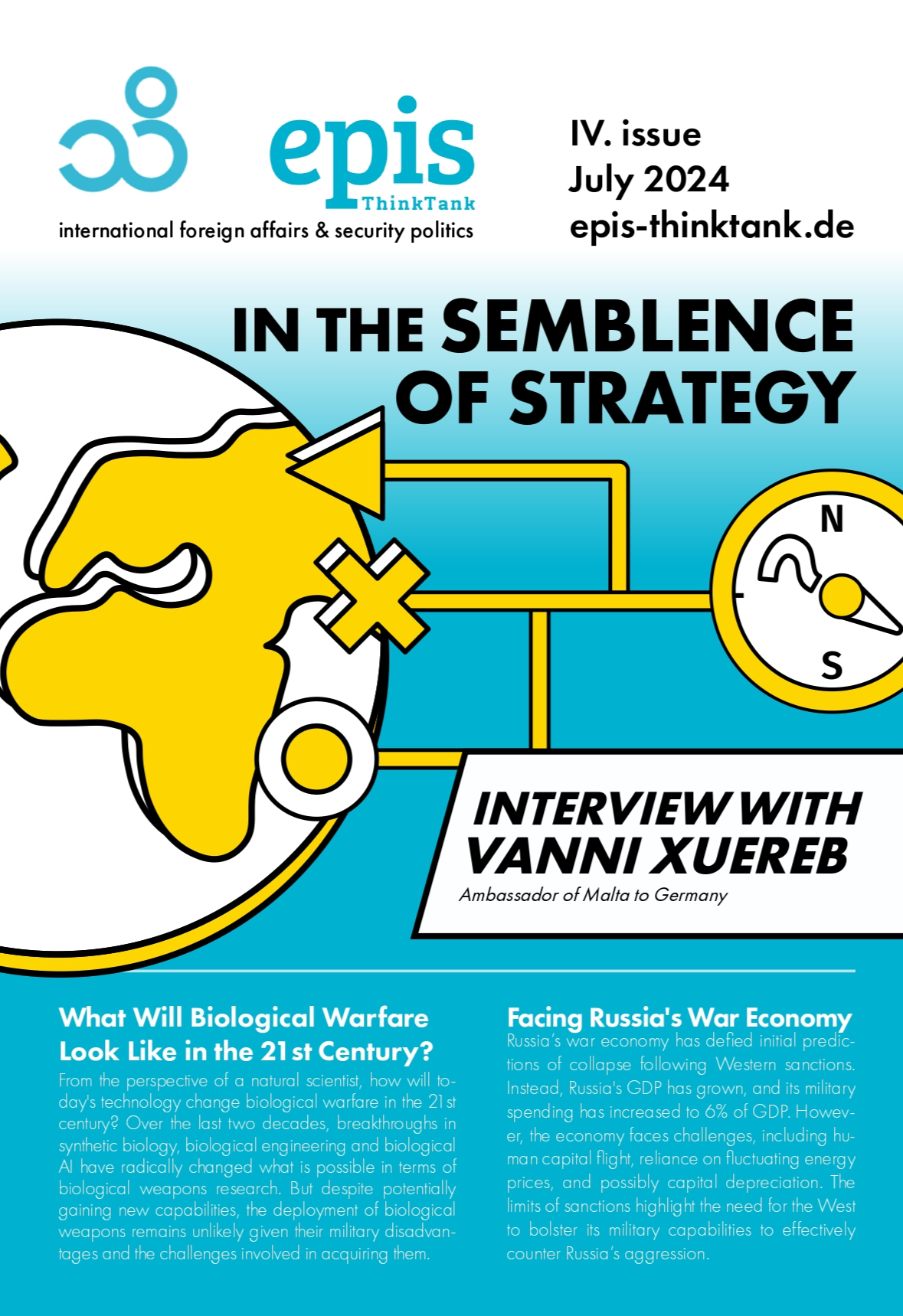
Editorial EPIS Magazine Issue IV
In our issue of EPIS Magazine, we are therefore devoting ourselves not only to the big issues, but also to the issues on the conflicts that are rarely given any fora.