Category: Security Policy & Defence
-
ISIS 2.0
This brief addresses which counter-terrorism adaptations are necessary for European Union policymakers to address threats from ISIS 2.0, which has transitioned to a digital front, revealing gaps in the EU’s existing response. Recommendations include enhanced collaboration among Member States, improved protection against terrorism financing, and the implementation of cognitive defence strategies.
-

Screening Tourists Through Social Media
1. Should the U.S. CBP’s proposed revision of ESTA data collection make 5 years of social media disclosure mandatory for short term tourists? 2. The notion of threat to security is vague, social media activity lacks context and ultimately leads to self censorship. At scale, CBP will likely rely on automated systems increasing risks of…
-
Spheres of Influence Reborn
Main question: Does the capture of Maduro reflect justice, or a broader shift toward unilateral U.S. power politics? Argument: The intervention serves economic and strategic interests, signaling a move toward spheres of influence and away from international norms. Conclusion: The operation marks a break with multilateralism, weakening sovereignty and setting dangerous global precedents.
-
Countering Orwellian Foreign Policy
The article asks how democractic states can preserve the integrity of foreign-policy making as authoritarian actors weaponize information and blur shared truth. It argues that contested narratives pull foreing policy into mass politics, shrinking strategic room for action and enabling Orwellian practices. It concludes that democracies must reinforce factuality, complexity, and open judgement to remain…
-
Sino-Japanese Diplomatic Clash
– Does Takaichi’s remarks on Taiwan cause a new arms race between China and Japan – No acceleration of military build up has been observed – the fear of a new arms race did not come into reality
-
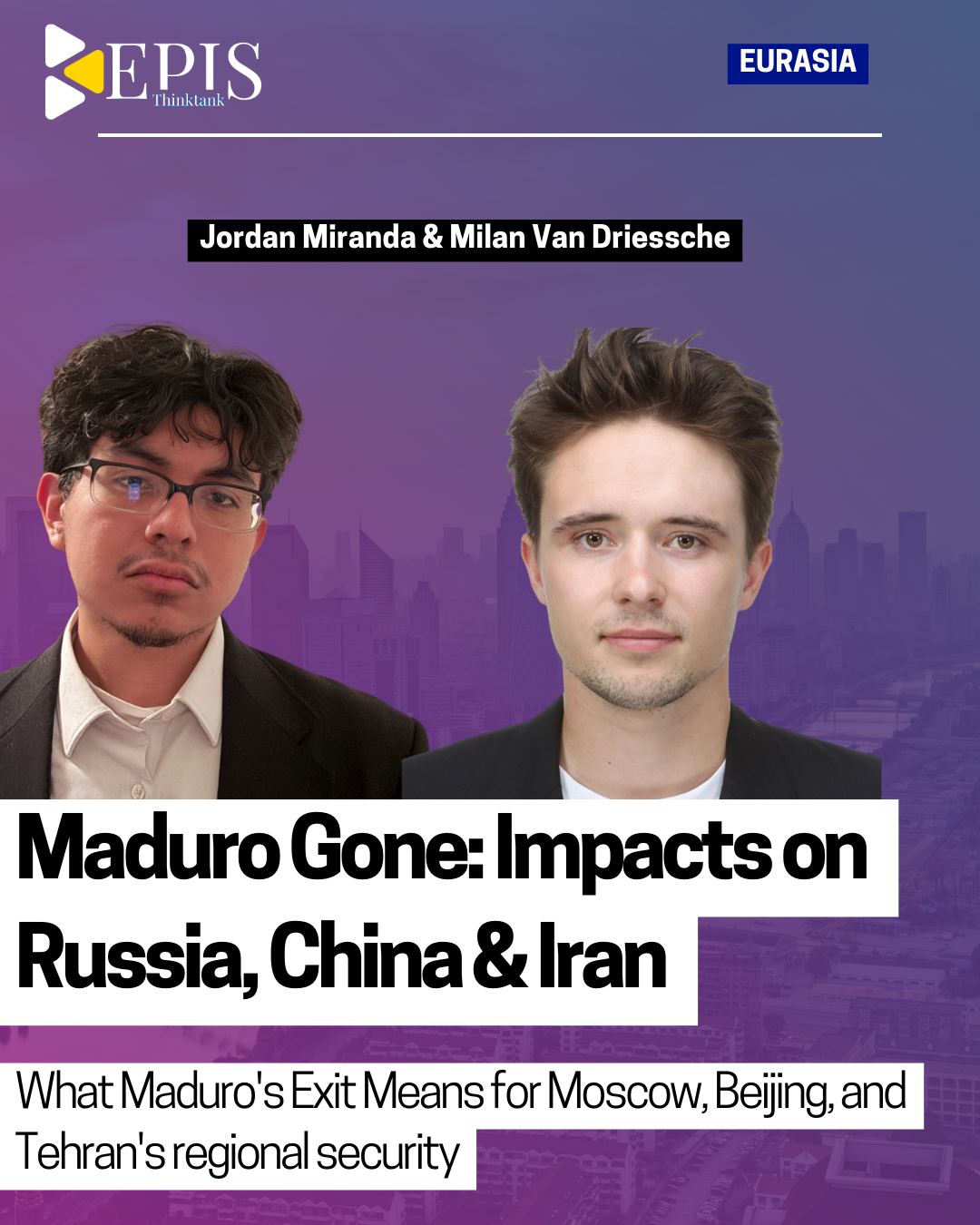
Maduro Gone: Impacts on Russia, China & Iran
How does Maduro’s removal reshape the strategic positions of Russia, China, and Iran in their respective regions? Each nation faces the threat of American resources being allocated to the Indo-Pacific, Middle East, and Eastern Europe as Russia, Iran, and China face military and diplomatic losses. While none lose complete leverage, all three must recalibrate strategies…
-
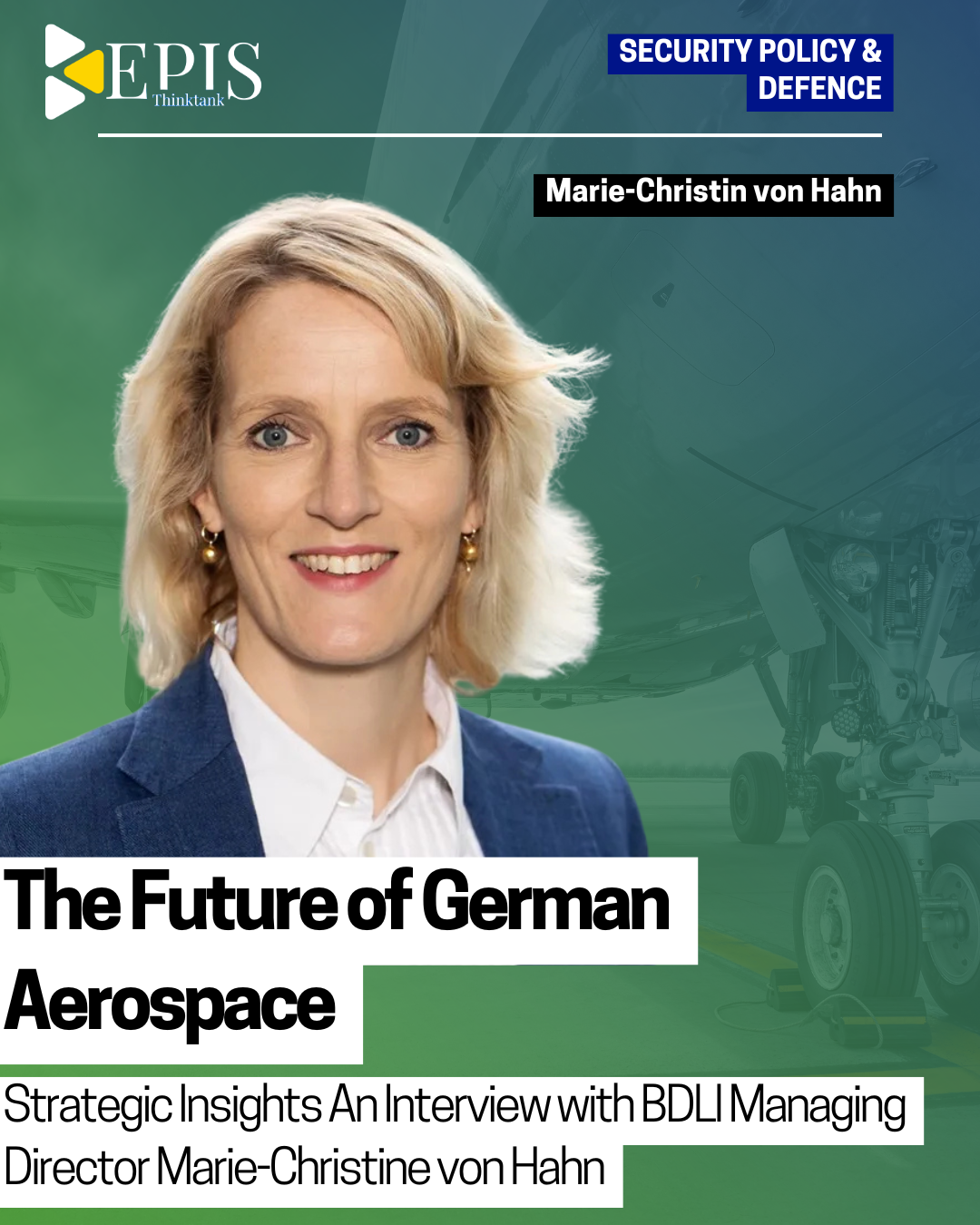
The Future of German Aerospace
Role and Impact: As BDLI’s Managing Director, she represents 260+ companies in the German aerospace sector, which employs 115,000 people and generates €46 billion annually. Strategic Pillars: BDLI focuses on civil aviation, military aviation, and space, driving innovation in climate-neutral tech and defense. Future Growth: The industry faces high demand due to defense backlogs and…
-
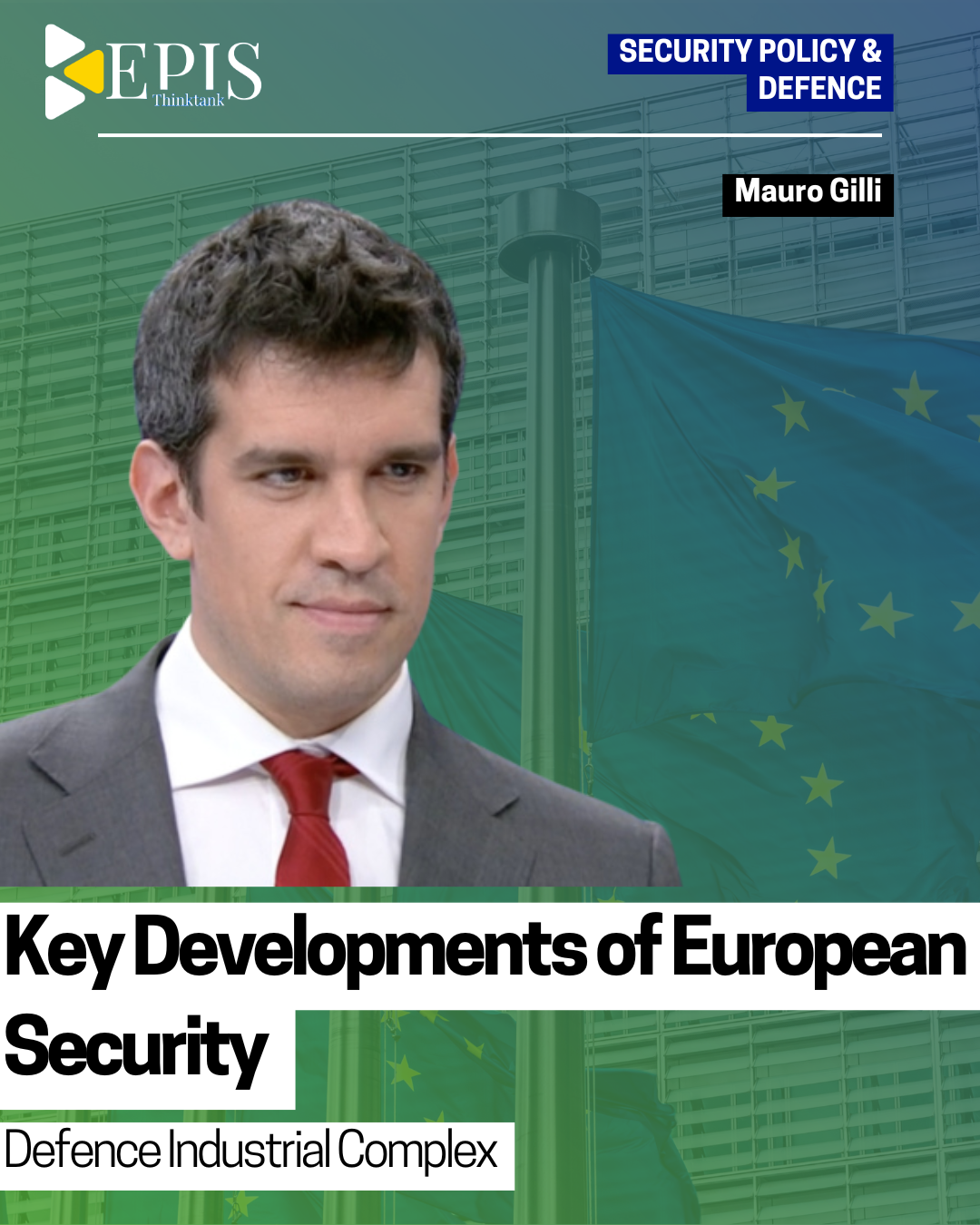
Key developments of European Security
The tacit knowledge involved in the defence sector makes it difficult to simply convert civilian facilities and personnel into assets of the defence sector. States need to be strongly engaged in defence-related R&D. We should have a more sober and fact-based discussion about autonomous weapons systems. Autonomous or semi-autonomous weapons have been
-

Editorial: EPIS Report on Security Policy & Defence II
The Importance of the Military Industrial Complex for the Security of Europe
-
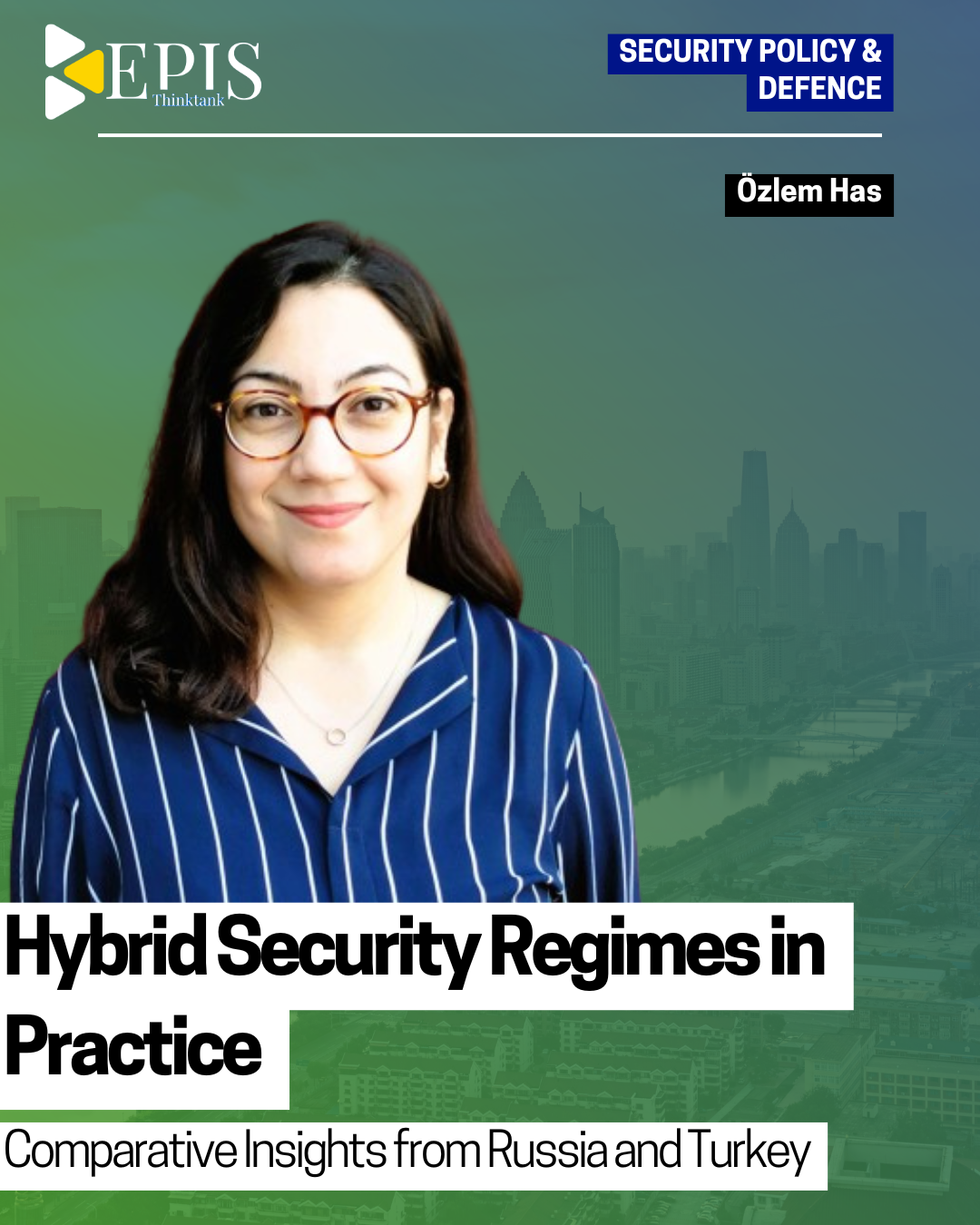
Hybrid Security Regimes in Practice
Hybrid security regimes are not symptoms of institutional weakness but deliberate political strategies. Hybrid security regimes are used to enhance flexibility and extend the reach of state-aligned coercive practices. In hybrid security regimes, sovereignty is seemingly exercised not only through formal hierarchies but through shifting, relational, and often opaque networks of authority.