Author: Felix Heuner
-

Editorial: EPIS Report on Security Policy & Defence II
The Importance of the Military Industrial Complex for the Security of Europe
-

Editorial: EPIS Report on Security Policy & Defence I
European states have long deprioritised national defence, reducing budgets and neglecting credible deterrence capacities. The war in Ukraine and the unreliability of the U.S. as a security guarantor have exposed Europe’s geopolitical vulnerability. This crisis offers Europe a chance to strengthen its security architecture and become a more integrated, independent security actor.
-

Accelerating Innovation Through Defence Spending
How can we maximise the societal benefit of increasing defence expenditure? There is a positive correlation between higher defence expenditure and overall public R&D expenditure. The EU needs to strengthen the interconnectedness of the defence and civilian sectors to maximise innovative spillover effects that result from an increase in defence.
-
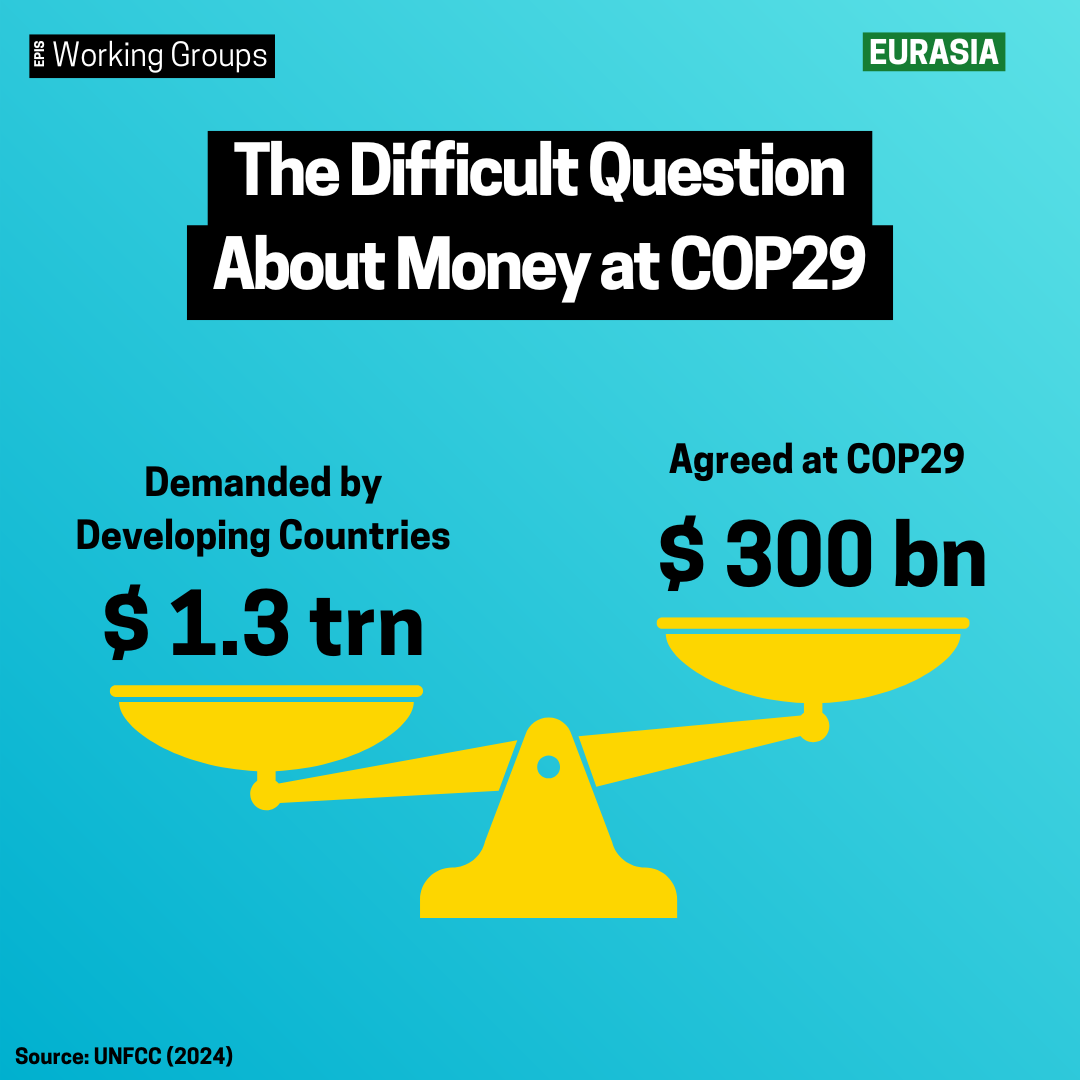
The Difficult Question About Money at COP29
1. What is the current state of international climate negotiations? 2. The increasing tensions between western states and other actors, such as Russia, China and the Oil States, make climate negotations more and more difficult. It becomes more and more unlikely that states will be able to agree on substantial future achievements at COP negotiations.
-
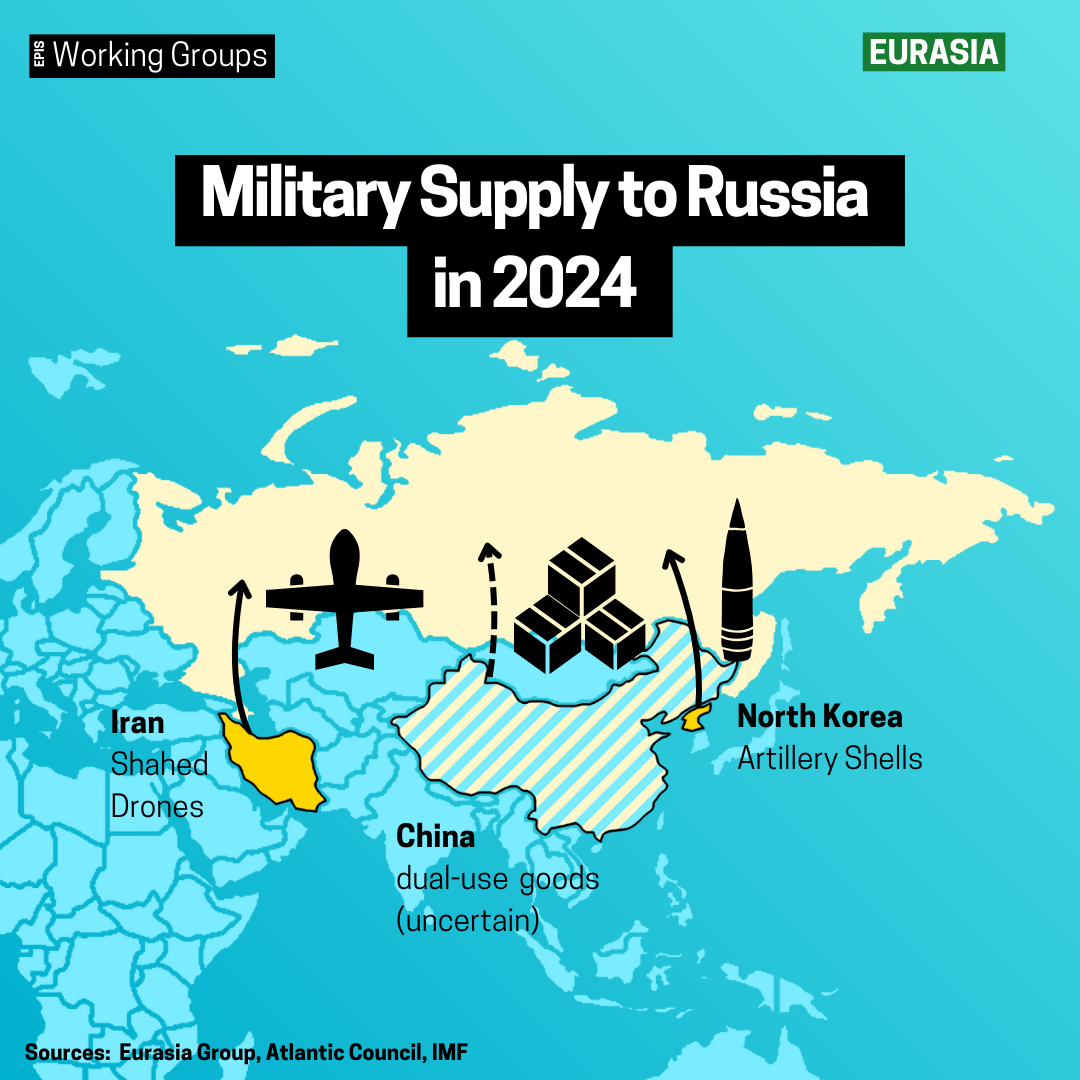
The Axis of Rogues
The Axis of Rogues undermines the Western-led order. Iran and North Korea arm Russia in its Ukraine invasion, while China strengthens ties with Russia.
-
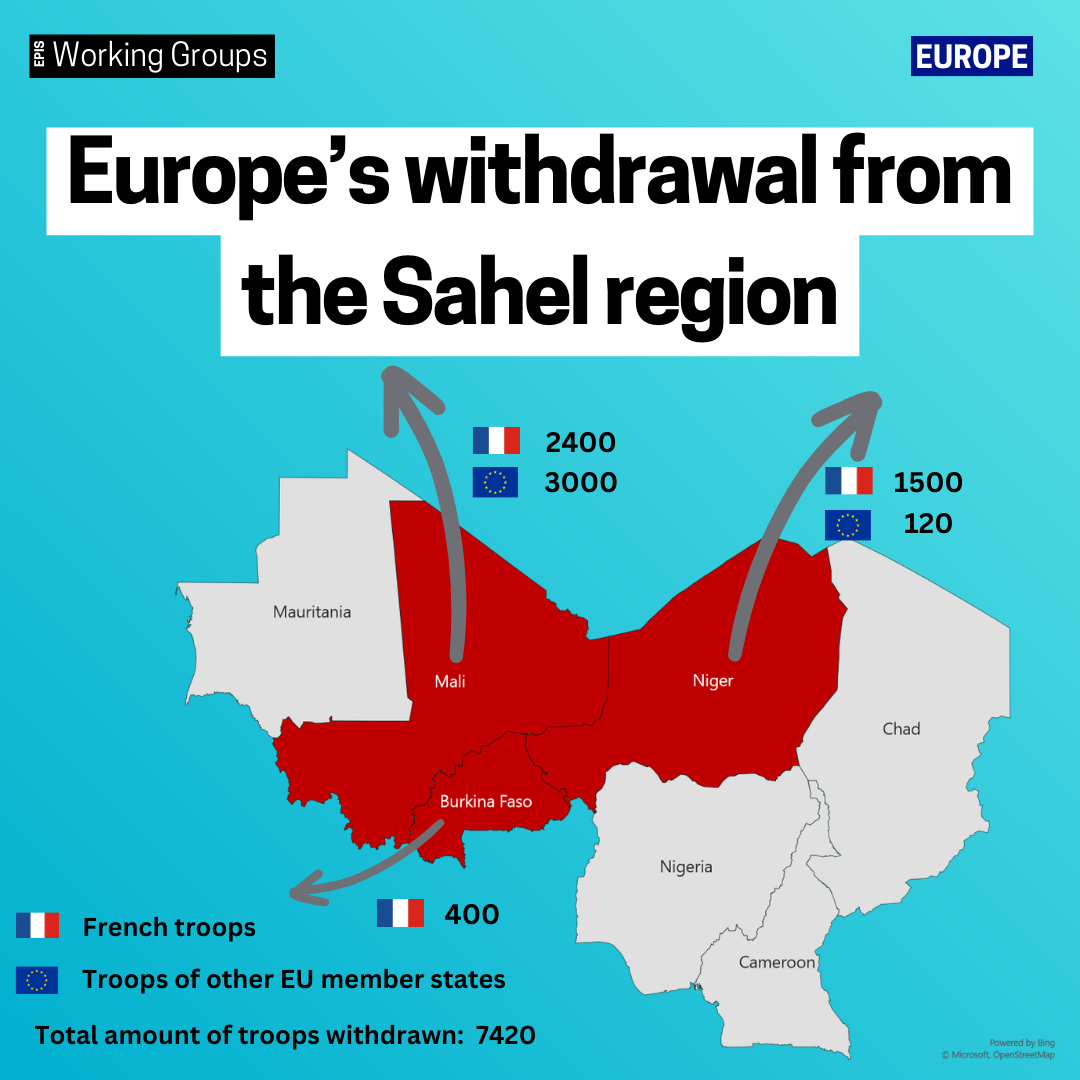
The Impact of Europe’s Withdrawal from the Sahel Region
After a wave of military coup d’états in the Sahel region, EU member states had to withdraw around 7400 troops. This security vacuum now leads to increasing instability in the region.
-
The Impact of Private Tech Companies on Cyberwar
The significance of the digital realm has increased in international conflicts – and with it, too, the impact of private tech companies.