Tag: Bilateralism & Multilateralism
-
The Eastern Mediterranean as Transmission Belt
Main question: Why is a region linking multiple geopolitical systems persistently underdiscussed? Argument: The Eastern Mediterranean functions as a systemic transmission belt structured by a maritime–energy nexus across sub-, system-, and supra-levels. Conclusion: Neglecting its connective structure increases the risk of cross-regional spillover and strategic surprise.
-
The Donroe Doctrine: A New Era for Cuba?
Question: Focused on the “Donroe Doctrine” vs regional stability. Argument: Centred on the use of Venezuelan energy as a coercive tool. Conclusion: Highlighted the EU’s “middleman” role via the PDCA framework.
-
Spheres of Influence Reborn
Main question: Does the capture of Maduro reflect justice, or a broader shift toward unilateral U.S. power politics? Argument: The intervention serves economic and strategic interests, signaling a move toward spheres of influence and away from international norms. Conclusion: The operation marks a break with multilateralism, weakening sovereignty and setting dangerous global precedents.
-

Breaking Diplomatic Norms
Israel’s recognition of Somaliland at the end of 2025, Somalia’s territorial integrity, and decades of international consensus. This unilateral move reframes Somaliland’s three-decade independence as legitimate dissolution rather than illegal secession. The brief argues that state recognition is primarily driven by geopolitical interests, rather than objective legal criteria.
-

Rethinking EU Strategic Autonomy
How can the EU build strategic autonomy and relevance in a multipolar world without isolationism? Strategic autonomy must shift from self-reliance to mutual resilience through inclusive, horizontal partnerships with the Global South. An inclusive approach strengthens EU competitiveness, legitimacy, and long-term influence in a reformed multilateral order.
-
Jamal Khashoggi and US–Saudi Relations
How has Jamal Khashoggi’s murder affected US–Saudi relations? Despite intelligence linking the killing to Crown Prince Mohammed bin Salman and subsequent sanctions, both the Trump and Biden administrations largely prioritized strategic interests over accountability, emphasizing security cooperation, energy interdependence, and countering Iran. The case altered rhetoric but not the structure of US–Saudi relations, which ultimately…
-

The End of an Era
How does the new U.S. National Security Strategy reshape American global engagement and regional priorities under an “America First” framework? The NSS limits global leadership, revives the Monroe Doctrine in the Western Hemisphere, makes European security conditional, favors deterrence in Asia, and focuses on resources and trade in Africa. Overall, it marks a return to…
-
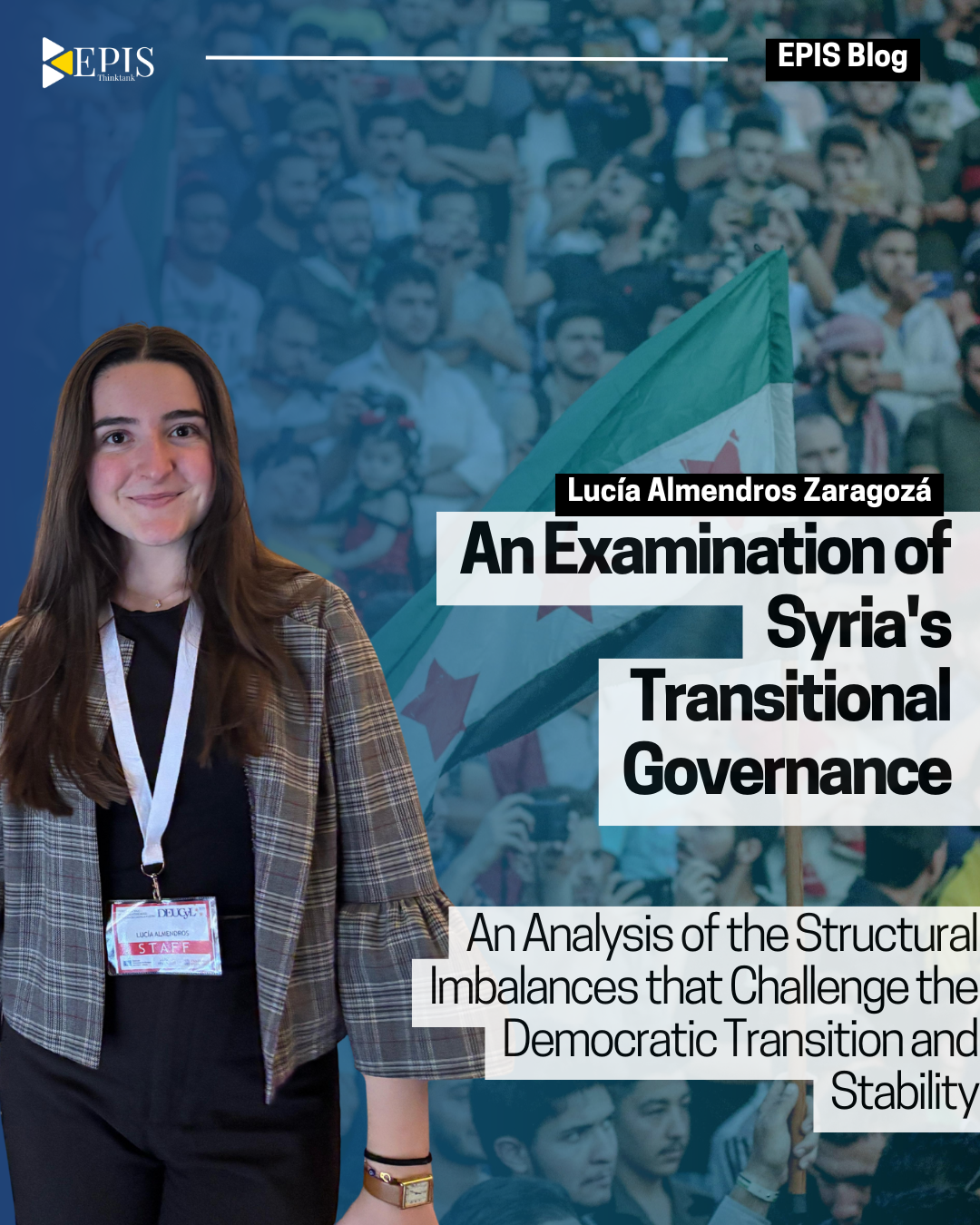
An Examination of Syria’s Transitional Governance
Since December 2024, Syria’s political regime has undergone significant changes. Although some democratic aspects may remain unmet, the actual regime strives to appear as a strong democratic regime. This article analyses the structural flaws and crises threatening the transition’s democratic prospects. Through this brief, various points will be analyzed, such as the parliamentary elections, sectarian…
-
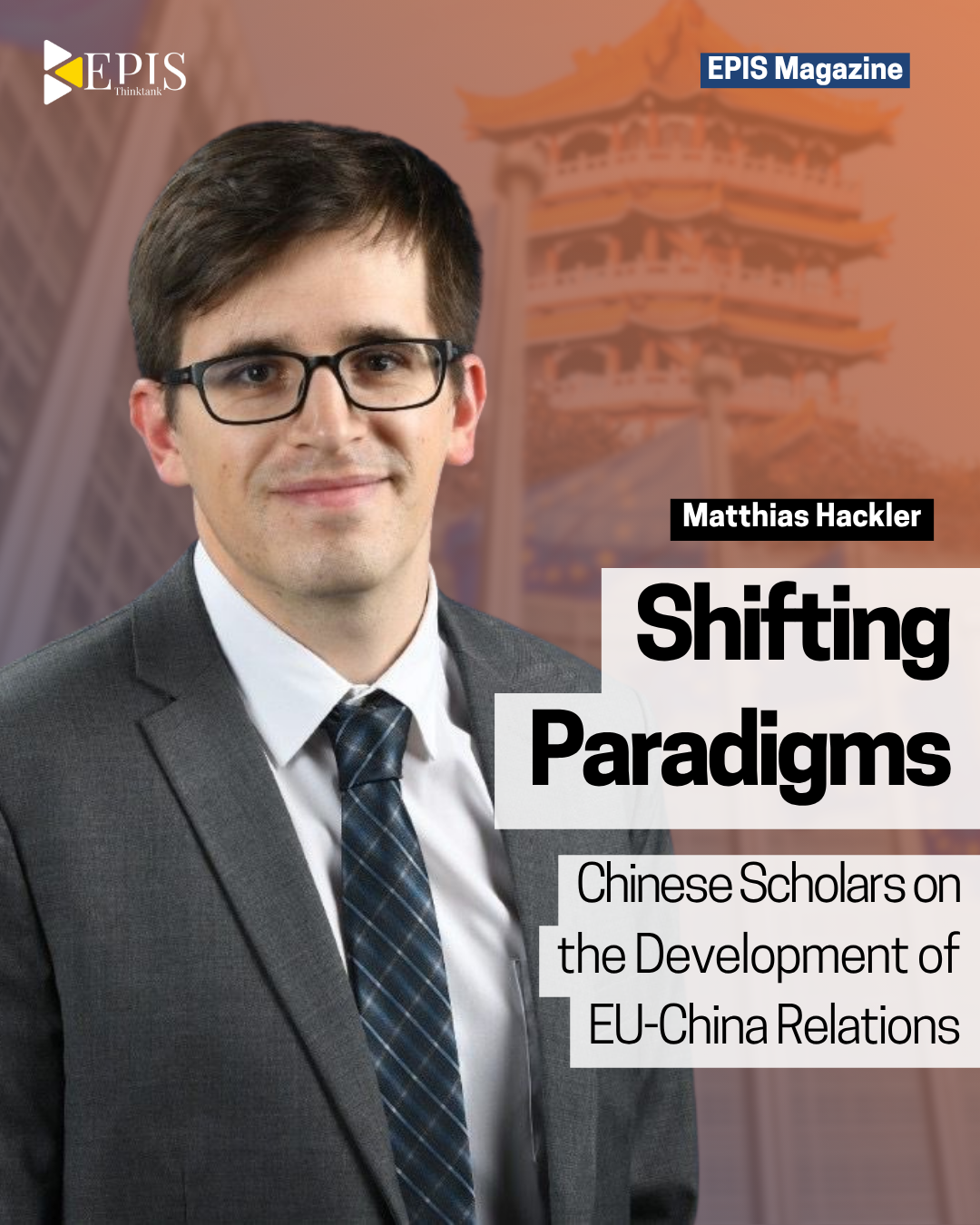
Shifting Paradigms
The text asks whether Chinese experts’ long-held views of the EU as an economic stabilizer and nonrival are shifting. It argues that while most still see Europe as weak yet useful, growing protectionism, US dependence, and the Ukraine war challenge this view. Experts blame Europe’s anxiety and misjudgment for tensions, urging it to make the…
-
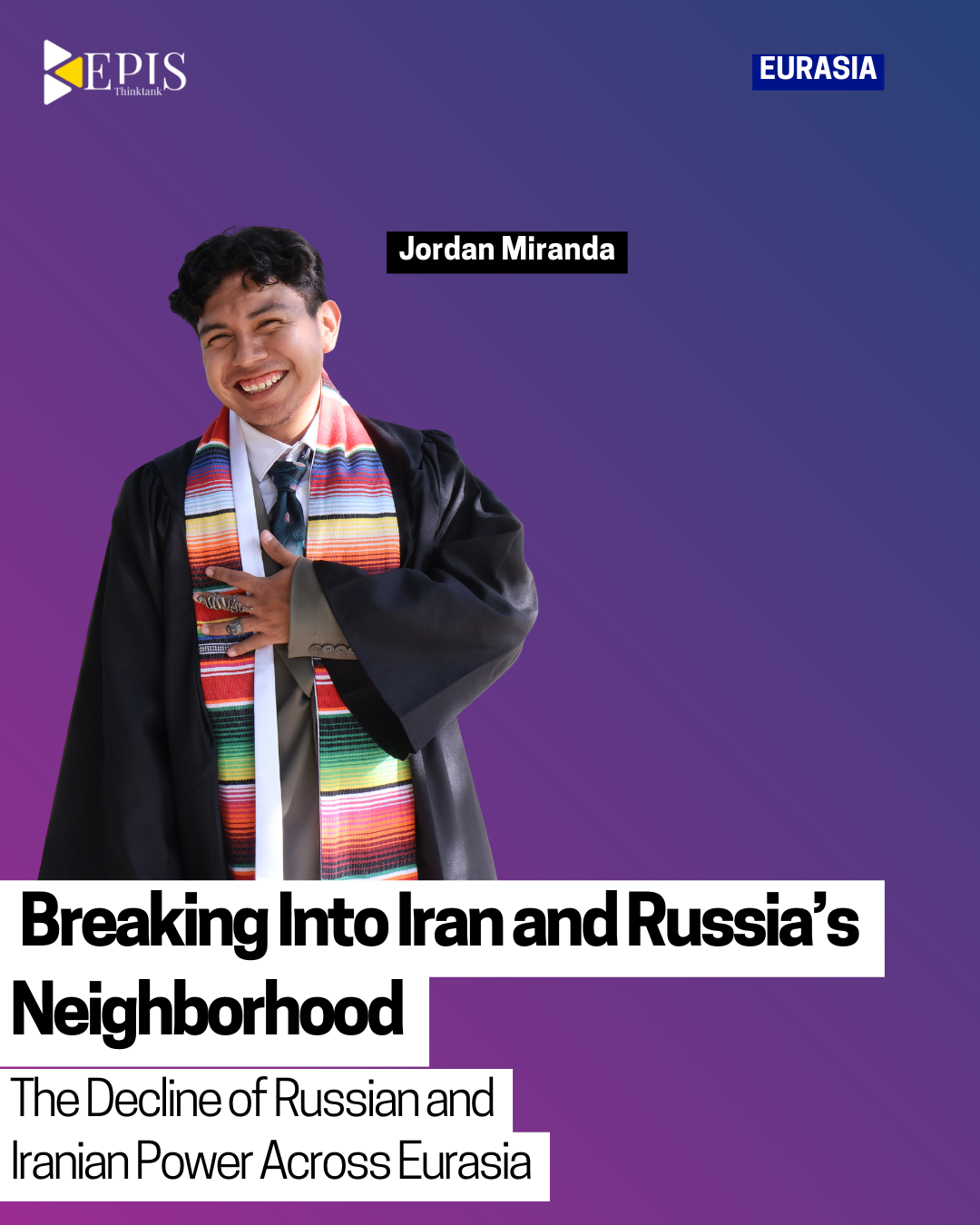
Breaking Into Iran and Russia’s Neighborhood
In what ways does increased American diplomacy in the Caucasus demonstrate deteriorating Iranian and Russian influence abroad? Increased American diplomacy in the Caucasus shows that the Caucasian countries cannot rely on Russia or Iran for economic, security, and technological support in recent years. American influence in Caucasia is an example of how Russia and Iran…