Tag: Conflict Prevention
-
What It Takes to Build Peace Today
-In an era of escalating global instability, what does it truly take to move beyond short-term deterrence and build lasting, sustainable peace? -True security requires shifting from military-first policies to long-term processes that prioritize local ownership, multipartiality, and the meaningful participation of women at all levels. -Sustainable peace is achievable if we embrace complexity, build…
-
Ignored Warnings, Repeated Shortcomings
The EU’s inaction during the 2008 Russo-Georgian War institutionalised the failure of conflict prevention, creating the conditions for the 2022 invasion of Ukraine. Driven by path-dependent reliance on Moscow for energy security and incoherent foreign policy among its member states, the EU pursued appeasement politics towards Russia. Deep economic integration with an autocratic state compromised…
-
Ignored Warnings, Repeated Shortcomings
The EU’s inaction during the 2008 Russo-Georgian War institutionalised the failure of conflict prevention, creating the conditions for the 2022 invasion of Ukraine. Driven by path-dependent reliance on Moscow for energy security and incoherent foreign policy among its member states, the EU pursued appeasement politics towards Russia. Deep economic integration with an autocratic state compromised…
-
A Sectoral Roadmap to EU Integration
Main question: How can the EU advance cooperation and prevent loss of influence in Georgia, given structural incompatibility, political ambiguity, and dependence on Russia? Argument: The EU should apply gradual sectoral integration, prioritising energy independence, cultural networking, and regulatory alignment before political convergence. Conclusion: This pragmatic sequencing bypasses political deadlock and accelerates Georgia’s structured pathway…
-
The Left’s Failed North Korea Fantasy
Can economic engagement change a hostile authoritarian regime? This article is arguing that South Korea’s left-wing policies toward North Korea failed to reduce tensions but instead enabled Pyongyang’s military expansion. By prioritizing symbolic reconciliation over deterrence, progressive administrations underestimated North Korea’s intentions, eventually strengthening a nuclear adversary than promoting peace.
-
The Global Disorder Cycle
Main question: Is the world really oscillating between eras of recession and expansion, or is this logic purely linear and the result of chance? Argument: The various periods of recession across history are not the result of some events, but the reflection of a cycling logic throughout times. Conclusion: This logic will never stop :…
-
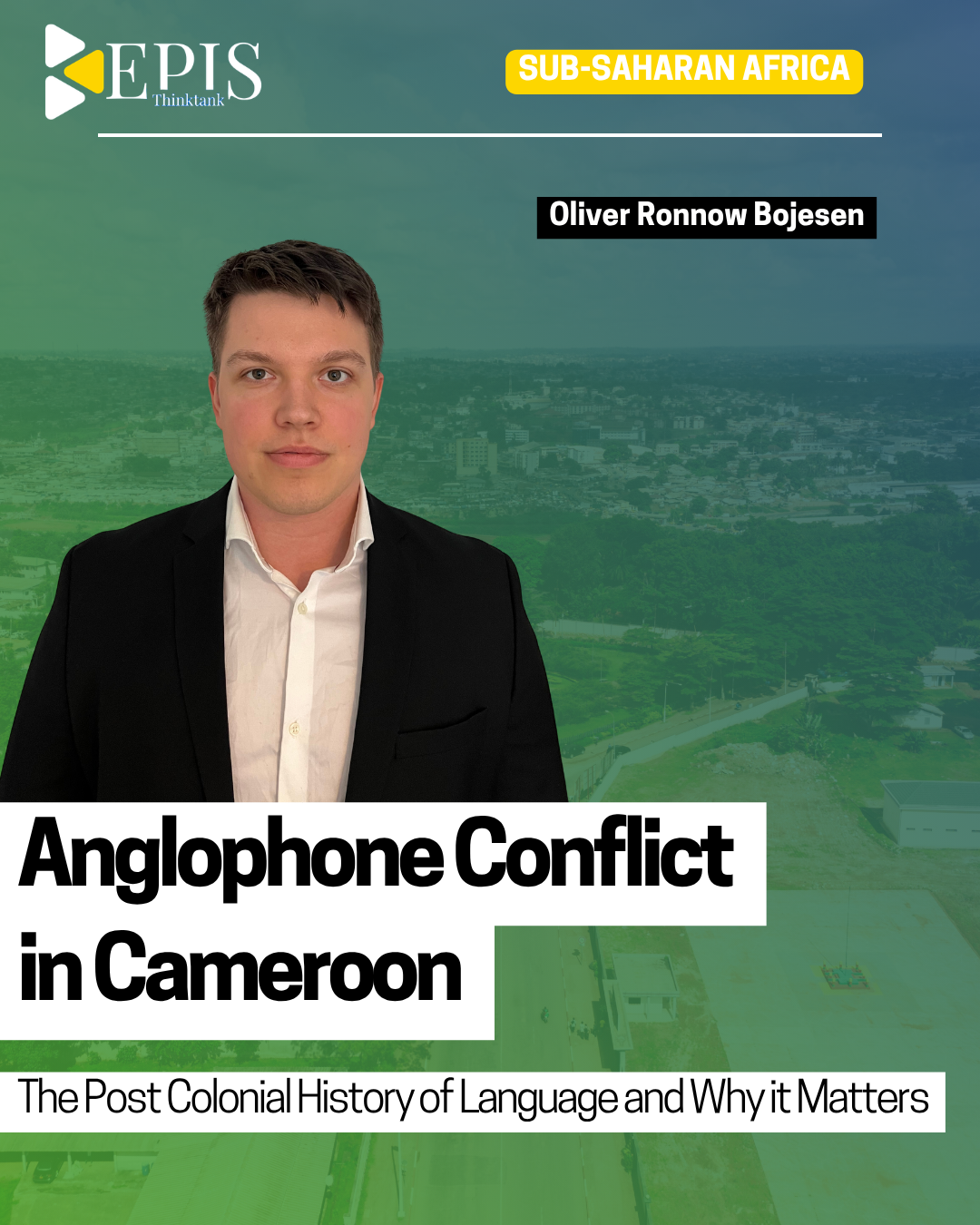
Anglophone Conflict in Cameroon
Historical roots driving a neglected conflict Structural silencing keeps the crisis hidden International complicity dims the spotlight further
-
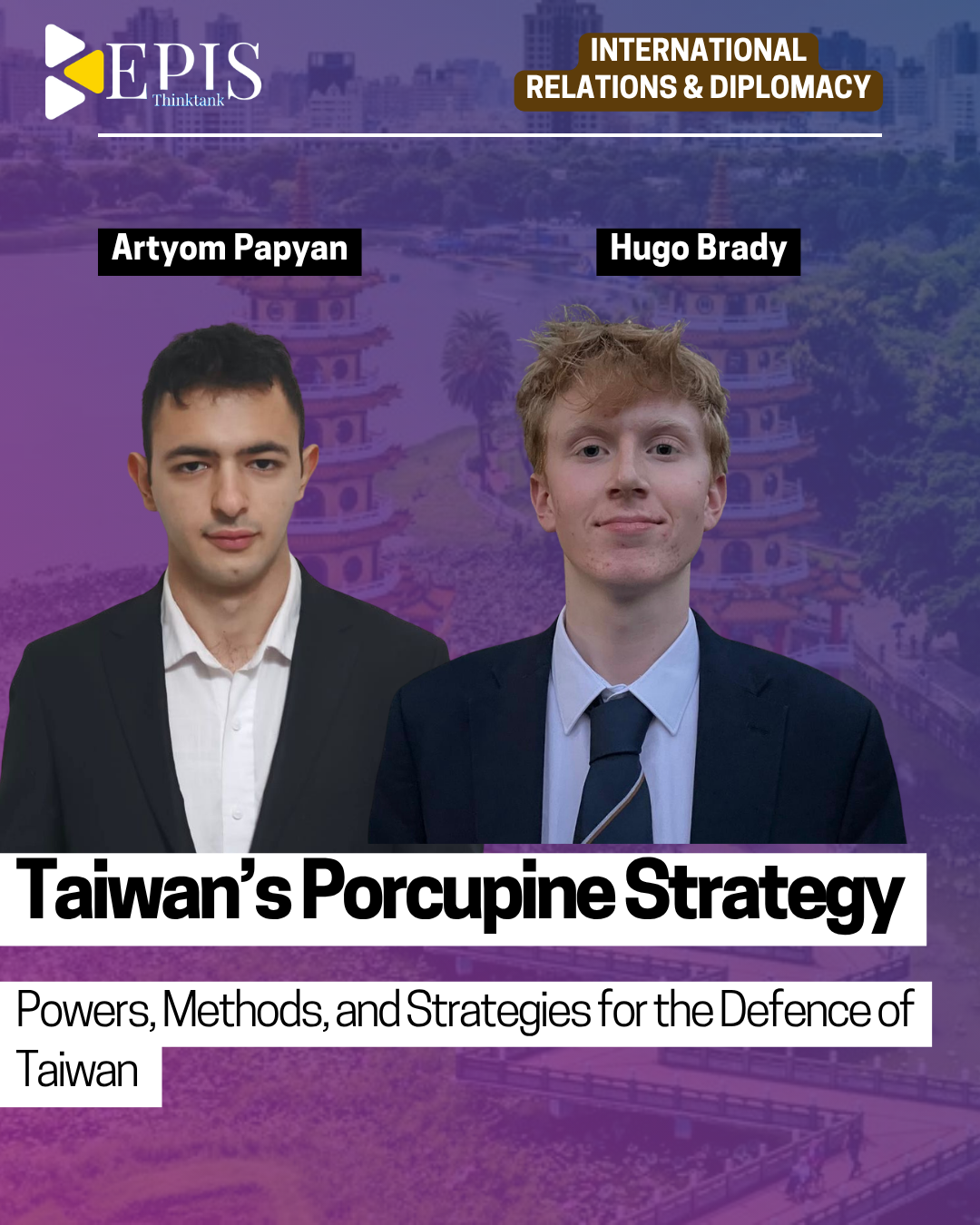
Taiwan’s Porcupine Strategy
To what extent does Taiwan’s defence production and external security cooperation enhance the effectiveness of its porcupine strategy in response to escalating Chinese PLA pressure? Both are mutually reinforcing and have produced success, implementation issues mean that the strategy remains a work in progress. Whether Taiwan will be able to effectively respond will depend on…
-

The advance of the Hydra
How and why jihadist violence spread to Benin and Togo — Structural weaknesses across the Sahel created power vacuums that terrorist groups like JNIM exploited. Why local populations are vulnerable to recruitment. As the state is largely absent, Jihadist groups fill this gap by acting as alternative governance providers and offering economic incentives. The geopolitical…
-
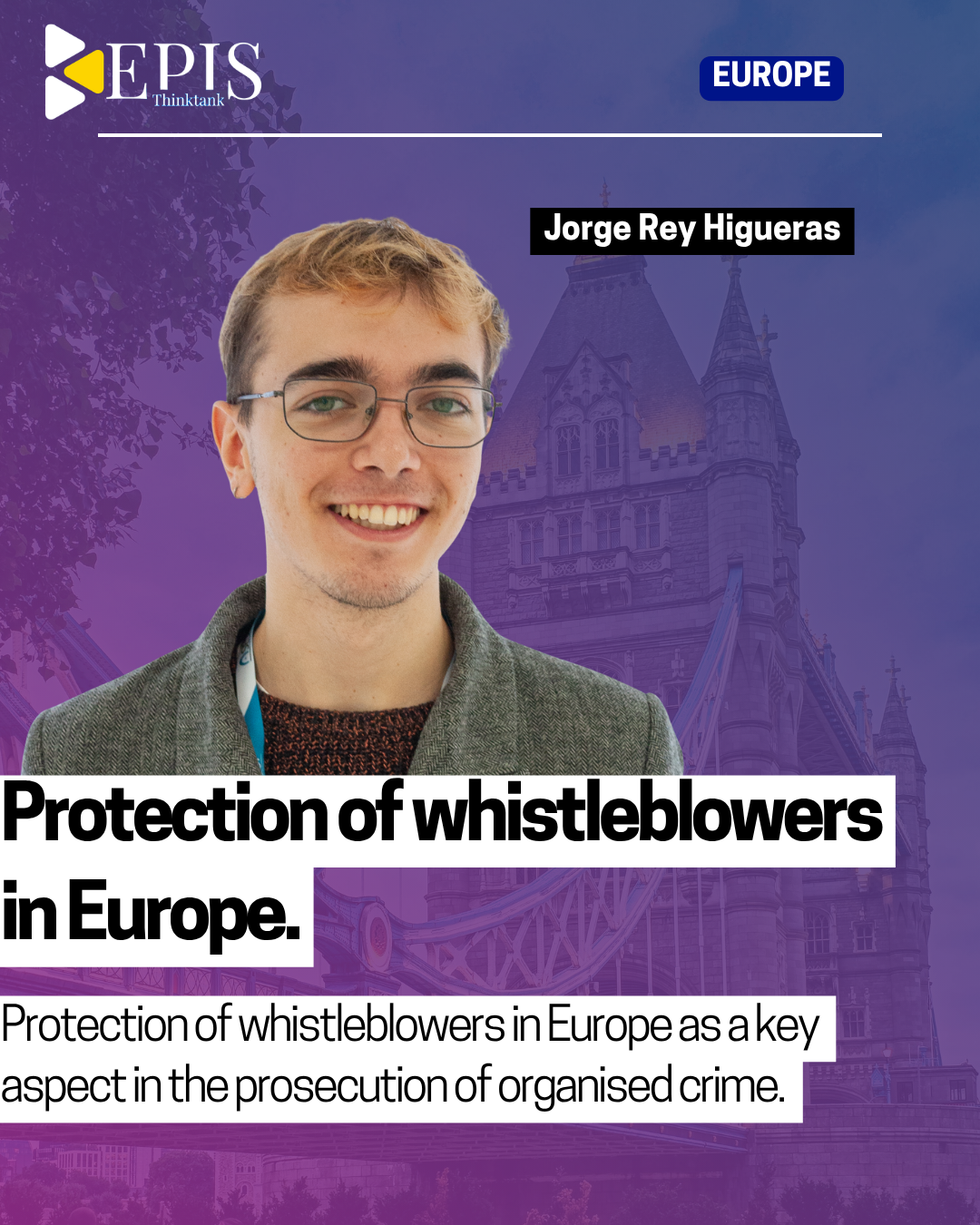
Protection of whistleblowers in Europe.
– Protecting whistleblowers is essential for ensuring a correct prosecution of organised crime. Prohibition of retaliation is lets hidden crimes to be unhidden. – How is whistleblowers’ protection reinforced in Europe? – European countries need to improve their efforts in guaranteeing that reporters can done it under proper conditions.