Tag: Conflict Prevention
-
-
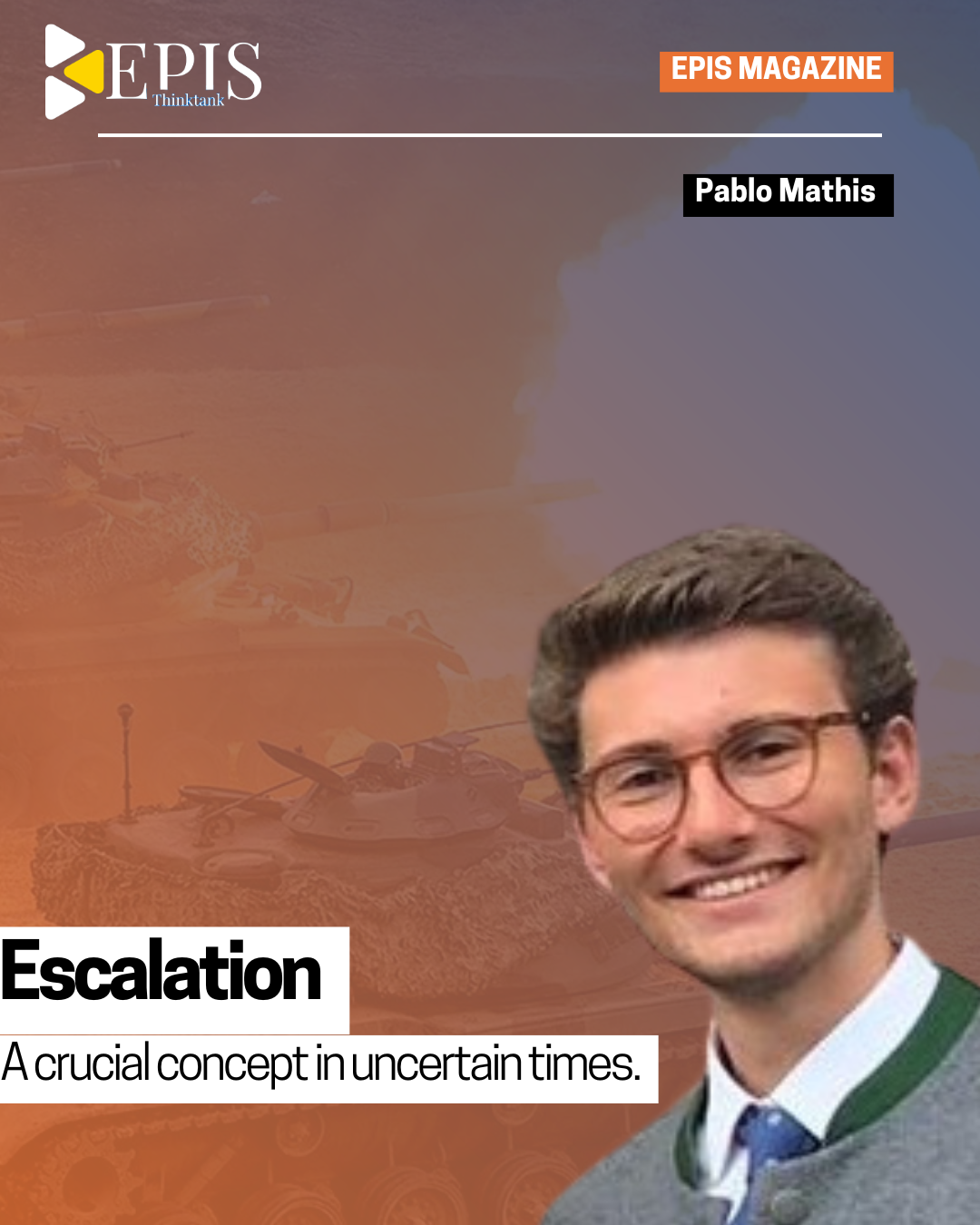
Escalation
The article explains what military escalation is and how it can help us understand events. In doing so, the contribution presents the dimensions of vertical, horizontal, and political escalation. The concept of escalation cna help evaluate military options and assess their consequences.
-
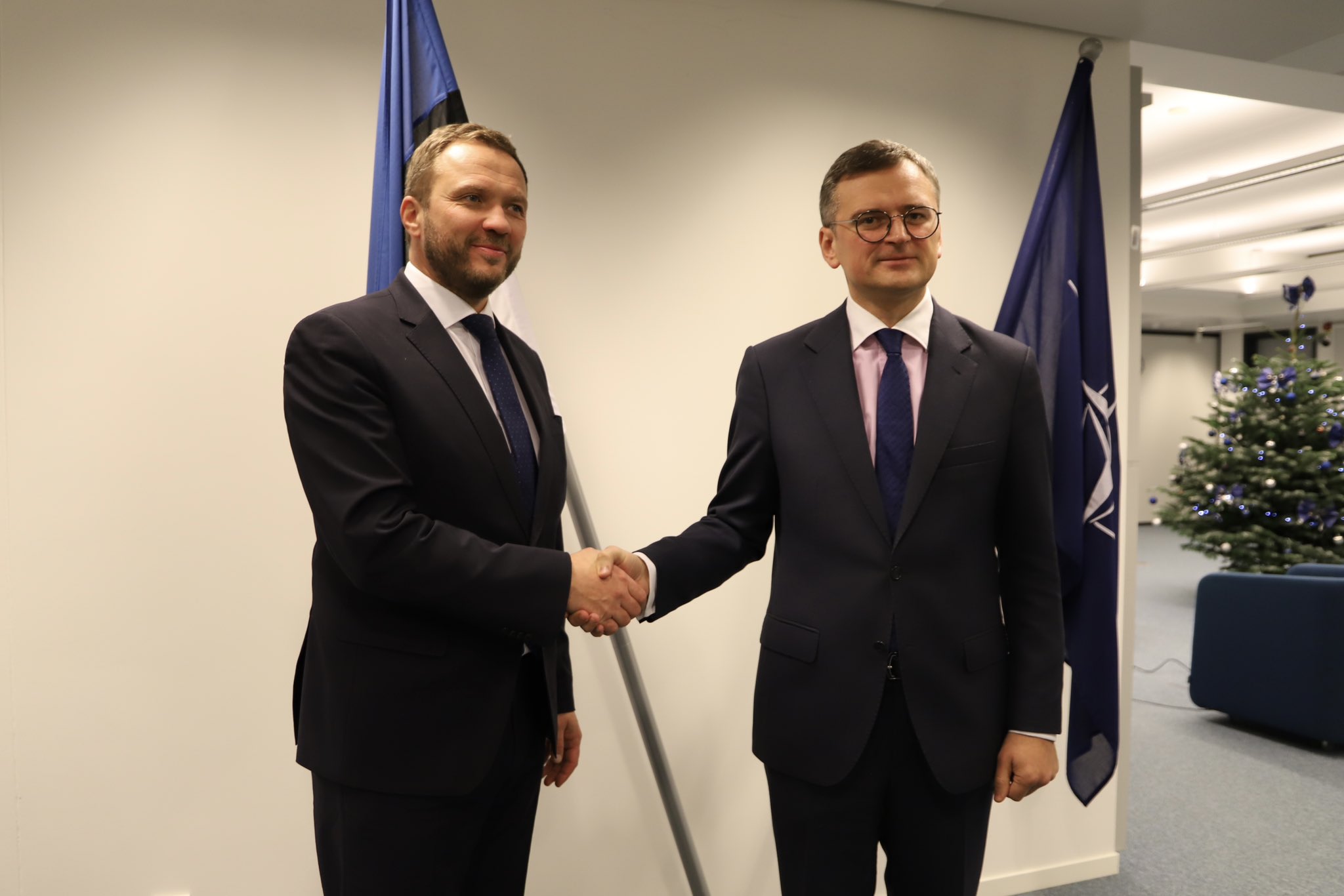
NATO-KFOR’s Deterrence in Northern Kosovo
Is NATO-KFOR effective enough in addressing the security threats Kosovo faces? KFOR either needs reform to better address the ongoing threats facing Kosovo and its institutions, or it should begin a transition to the Kosovo Security Forces (KSF). Urgent need for Kosovo’s Security Framework to evolve and become self-sufficient, ideally through modernising and transforming the…
-
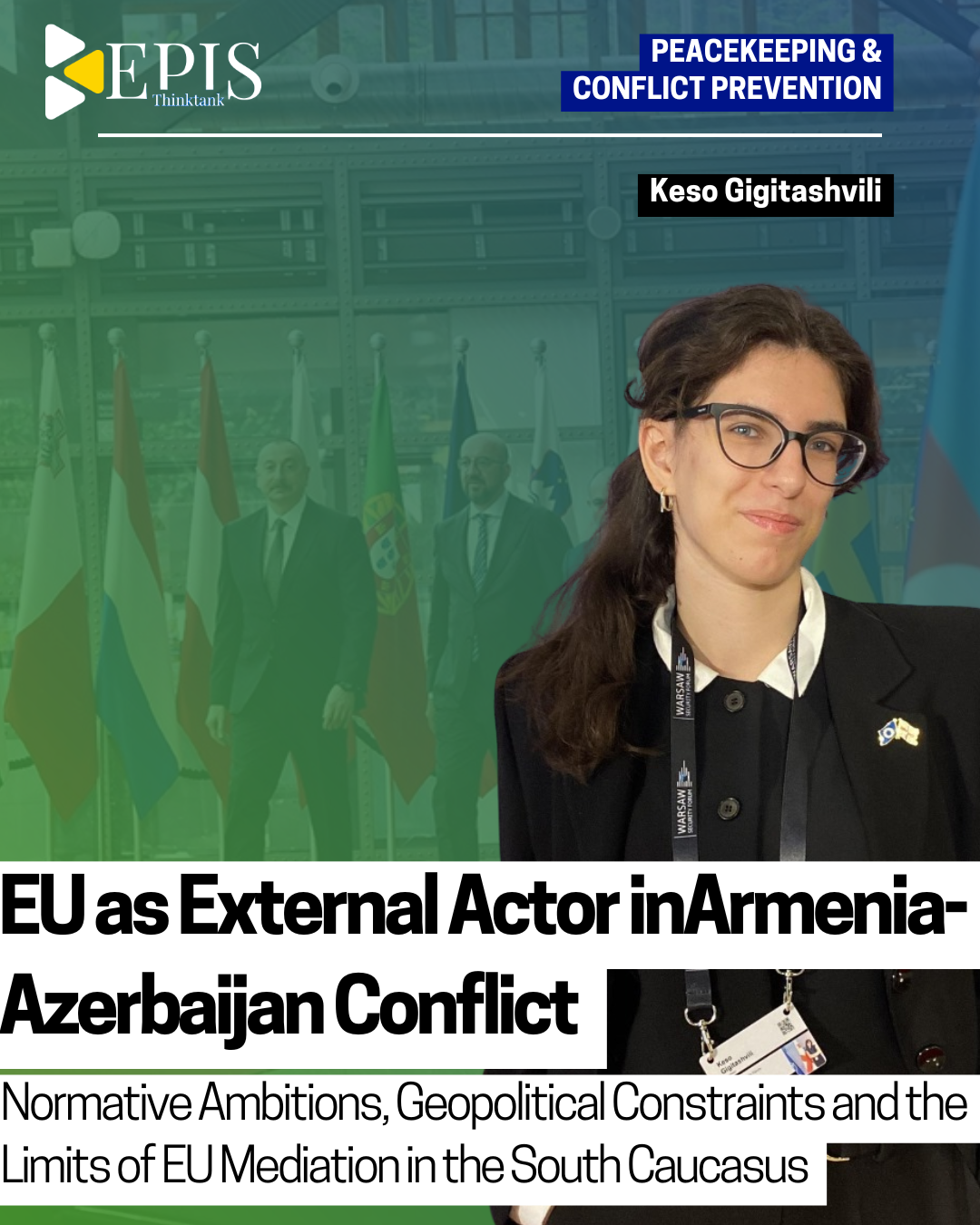
The EU as an External Actor in the Armenia-Azerbaijan Conflict
– How effective is the EU as an external actor in the Armenia-Azerbaijan conflict? -The EU’s normative ambitions and soft power engagement are constrained by political divisions, lack of hard security tools, and competition from Russia, Turkey, and the US. -While politically meaningful, EU efforts remain strategically limited; its credibility depends on unity, stronger security…
-

THE WAR IN SUDAN
The article examines how authoritarian collapse, elite division, and foreign proxies shape Sudan’s war. Using neo-realist and political marketplace theories, it argues that state breakdown allowed external actors to transform internal struggles into a regionalized conflict fueled by resource networks. Lasting peace depends on dismantling the transnational economic networks sustaining violence, not just elite power-sharing.
-
What Is Deterrence? Core Concepts and Distinctions
Prevention via Cost-Benefit Calculus: Deterrence aims to persuade an adversary that the costs and risks of an offensive action far outweigh any potential gains, thereby maintaining the status quo. Credibility and Capability: Success requires both the actual military capacity to act and the perceived resolve to follow through. Without clear communication and credibility, even the…
-
Norway’s Most Important Peace Project
– How does Norway’s new Arctic Strategy transform what was once “Norway’s most important peace project” into a cornerstone of national and European security? – The strategy marks a clear shift from cooperation with Russia and environmental focus toward a “total defence” model that integrates military, civilian, and infrastructural preparedness across society. – Norway’s Arctic…
-
Taiwan Is Not Ukraine
Is Taiwan really the next Ukraine? Amid rising tensions in the Indo-Pacific, Lenaïg Deslandes challenges the increasingly common comparison between China’s ambitions toward Taiwan and Russia’s invasion of Ukraine. She argues that despite superficial similarities, the two powers’ expansionist strategies diverge sharply—Russia favouring military revisionism, China pursuing gradual, grey-zone statecraft. By unpacking these differences, Deslandes…
-
Caribbean Flashpoint
1. The article explores how recent U.S. military actions in the southern Caribbean challenge international law and regional sovereignty. 2.The U.S. crackdown on “narco-terrorists” expands military powers, provoking Venezuelan resistance and deeper Russian and Chinese support for Caracas. 3.These moves heighten Caribbean tensions, making diplomacy and respect for international norms crucial to avoid escalation.
-
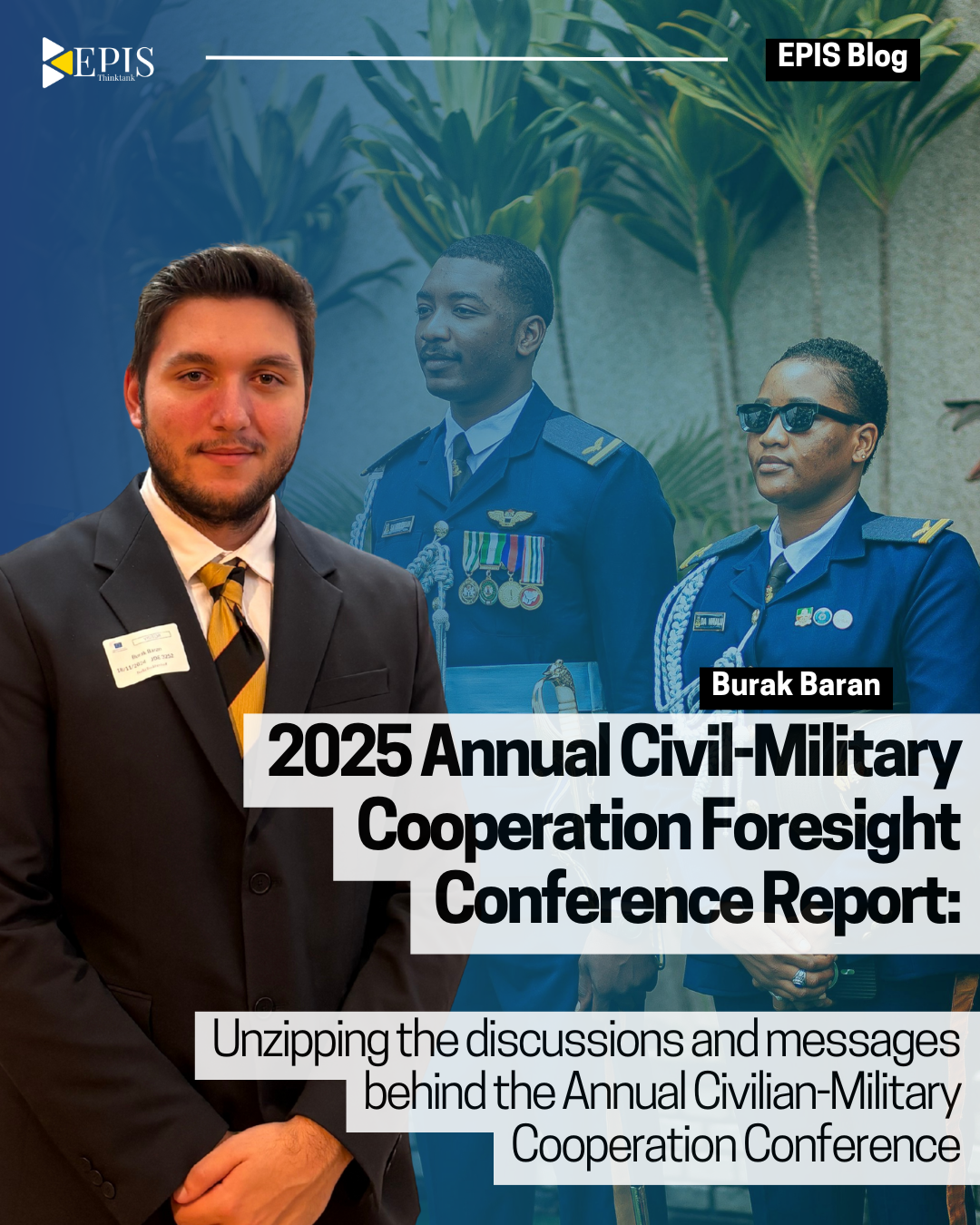
2025 Annual Civil-Military Cooperation Foresight Conference Report
– How can CIMIC adapt to modern unconventional methods like humanitarian crises, political instability and evolving security threats. – CIMIC should evolve by taking in account both civilian and military opinions and integrating new doctrines. – Adaptation is urgent. CIMIC must act as a bridge between military logistics and humanitarian needs to navigate unconventional political…