Tag: Conflict Prevention
-
AI as the space race of the 21st century
– Does AI pose a threat to security and foreign policy due to the possibility of disinformation campaigns against the backdrop of technological advantages other nations? – The targeted dissemination of false information can influence the sentiment of the respective population or politicians themselves and can be part of hybrid warfare. – It is therefore…
-
Israel’s Use of Force: Legal or Dangerous Shift?
Is Israel redrawing the boundaries of international law by force? This article examines Israel’s justification of pre-emptive self-defence against Iran and argues it lacks legal basis under Article 51 of the UN Charter. Without evidence of an actual or imminent armed attack, such actions violate international law and risk eroding global legal norms, setting a…
-
China’s New Balancing Act: India-Pakistan
How can China maintain its alliance with Pakistan without worsening tensions with India or risking conflict? Deep ties between China and Pakistan fuel Indian perceptions of mistrust thus risking regional or proxy conflict, especially in light of Indian rise to global power. China should pursue a strategy of equidistance by balancing Pakistani ties while building…
-

Editorial: EPIS Report on Peacekeeping & Conflict Prevention Issue I
The global order is destabilizing as alliances weaken, conflicts rise, and multilateralism erodes. Peace and security are increasingly intertwined but must be treated as distinct yet interdependent goals. Despite global upheaval, new actors, technologies, and ideas offer promising paths to sustainable peace.
-
AI in Conflict Prevention
What are the potentials and challenges of the use of AI in conflict prevention? The integration of AI demands inclusive governance frameworks, ethical reflection, and sustained interdisciplinary collaboration. To ensure that AI serves as a force for peace rather than an instrument of surveillance or control, future efforts must center on transparent, participatory, and context-sensitive…
-
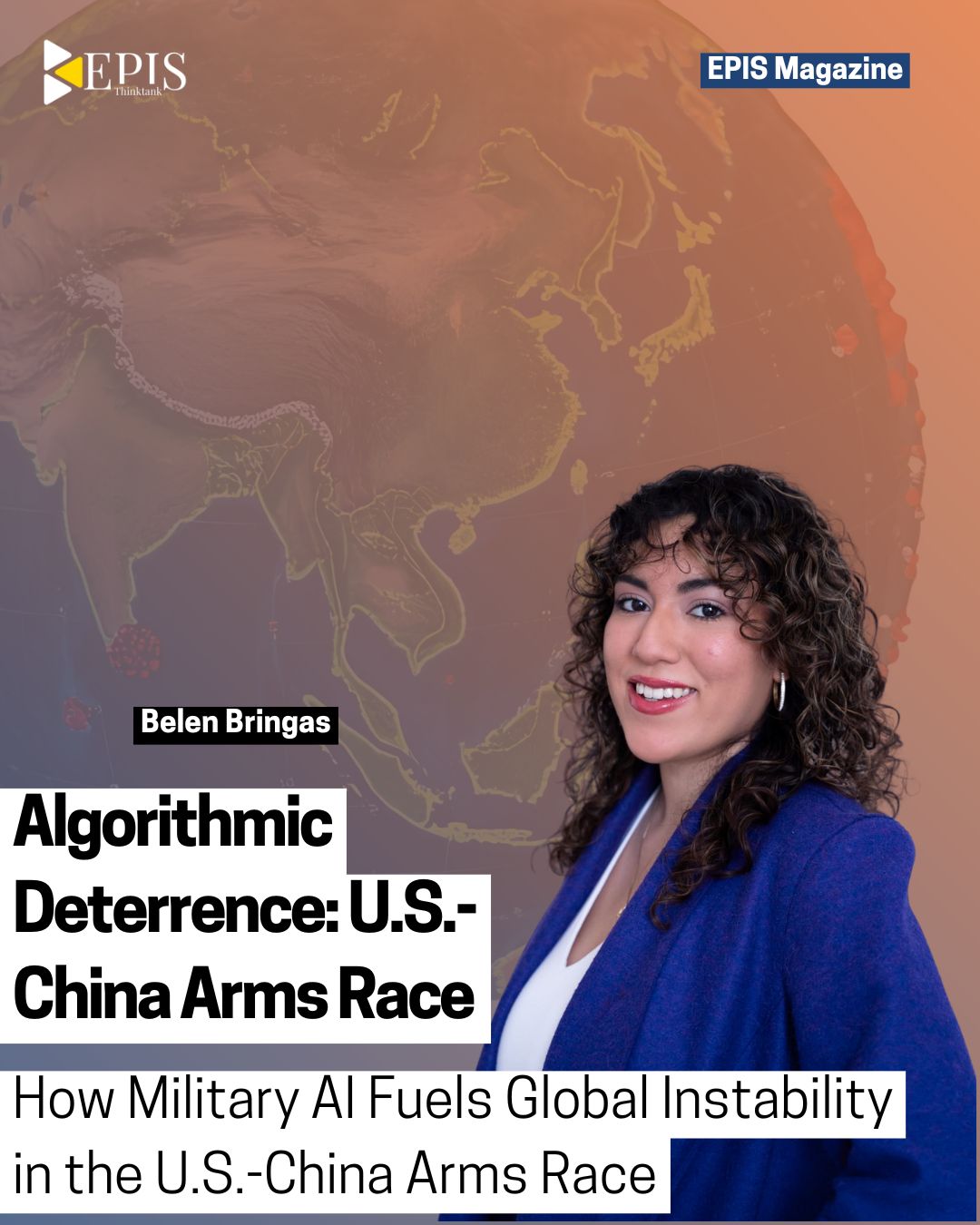
Algorithmic Deterrence: U.S.-China Arms Race
Main Question: How does the militarization of AI by the U.S. and China contribute to global instability? Argument: The AI arms race between the U.S. and China, especially in autonomous weapon systems (AWS), increases the risk of conflict escalation due to unpredictability, biased data, and reduced human oversight. Conclusion: International governance and responsible AI principles…
-
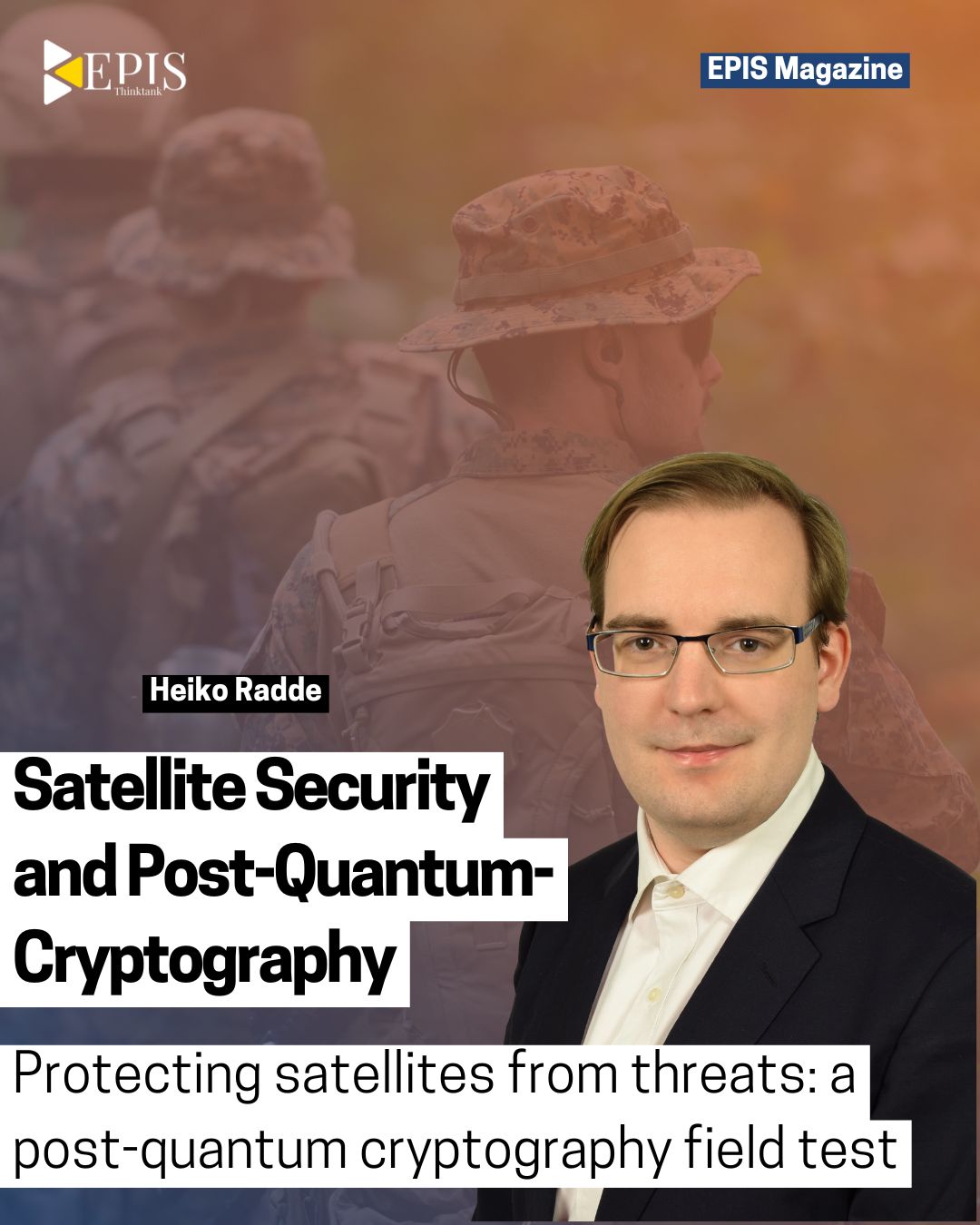
Satellite Security and Post-Quantum-Cryptography
Is current satellite cybersecurity sufficient to address emerging threats, especially with rising space reliance? Most commercial satellites still rely on outdated or minimal cybersecurity measures. Many use “security by obscurity,” and standard communication protocols either lack security or use weak static keys. Meanwhile, satellites are becoming critical infrastructure and increasingly targeted in cyber conflicts. Current…
-
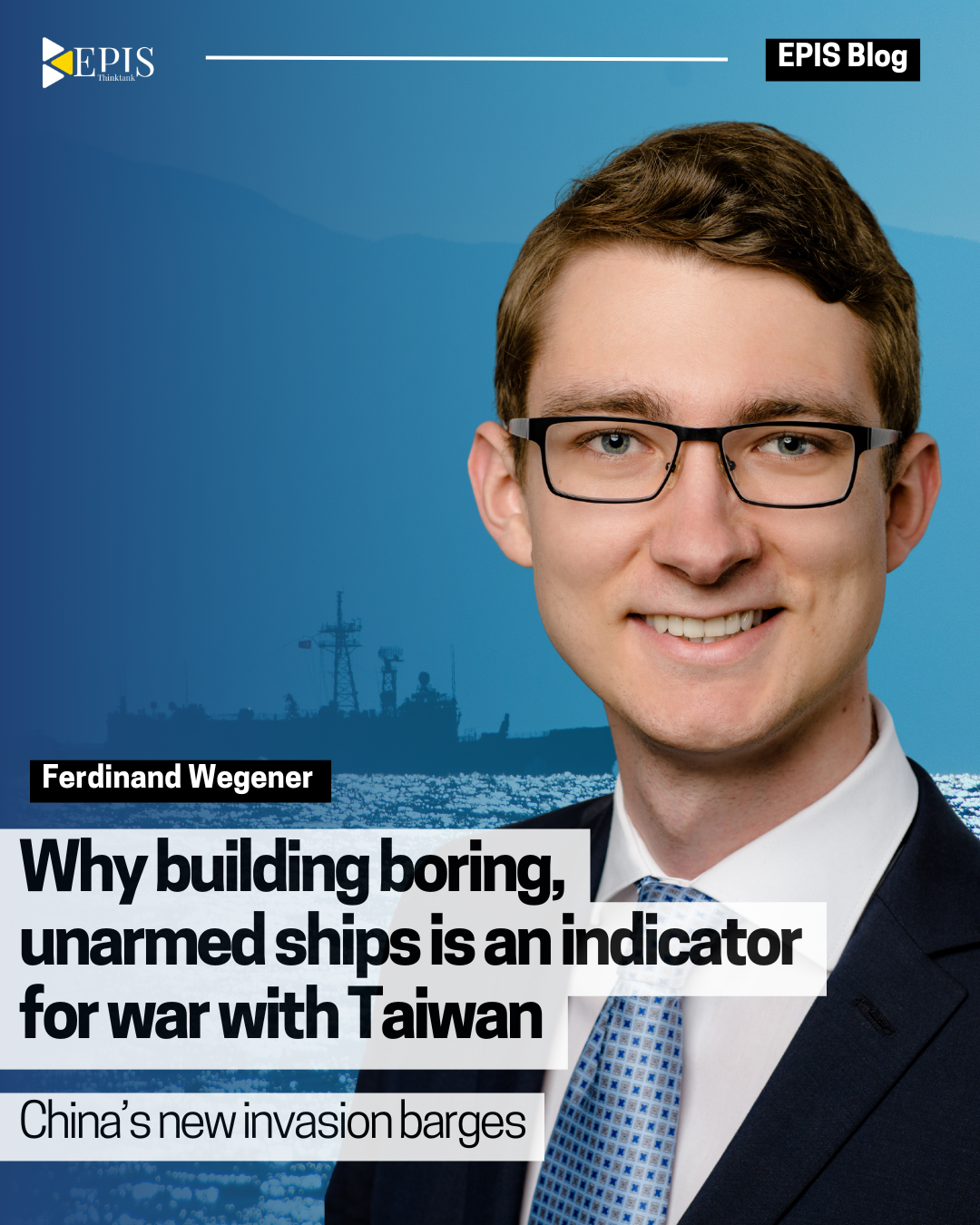
Why building boring, unarmed ships is an indicator for war with Taiwan
China is building a new type of landing ship, unarmed but the opposite of harmless. Constructing these ships seems to have only one explanation: concrete Chinese plans for an invasion of Taiwan. Or are these ships just part of a faint to divert resources into the defense of an attack that never comes? EPIS Senior…
-

17ᵗʰ Kyiv Security Forum
1. Ukraine has become a fast, self-reliant defense innovator, urging frozen Russian assets to fund its tech sector. 2. With U.S. security guarantees less certain, Europe must back Ukraine directly—not just in solidarity, but because it now serves as the continent’s key bulwark against aggression. 3. A “Reverse Kissinger” approach to Russia won’t work; lasting…
-
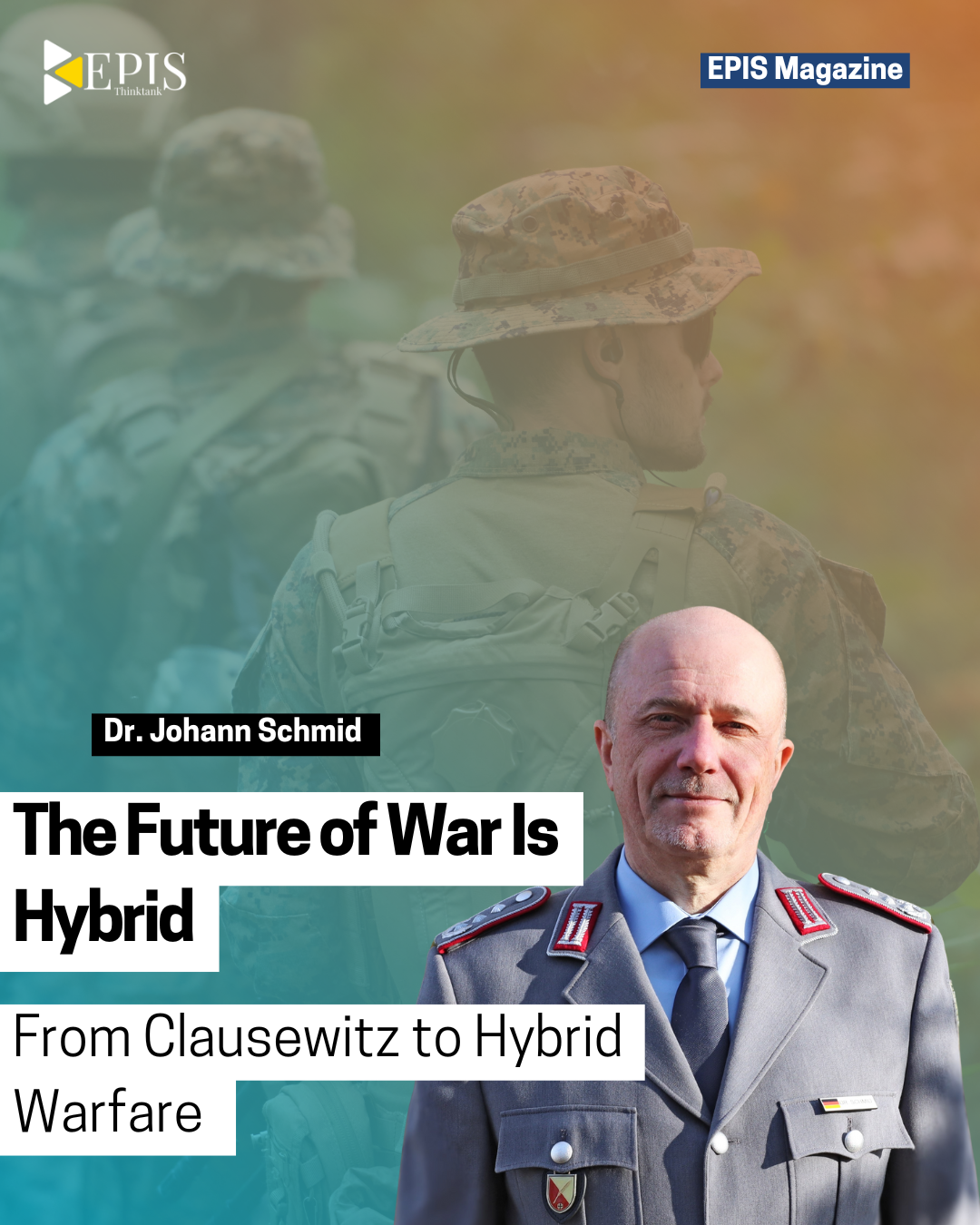
The Future of War Is Hybrid
Hybrid warfare is shaping the future of conflict by expanding battlefields beyond the military domain, leveraging political, economic, and societal pressures. Drawing from Clausewitz, Johann Schmid argues that defense remains stronger than offense, but hybrid strategies exploit grey areas and strategic ambiguity to circumvent strong defenses. As warfare blurs the lines between war and peace,…