Tag: Conflict Resolution
-
Are Embassies Still Spy Bases?
This paper examines the structural relationship between diplomacy and espionage, arguing that intelligence gathering has always been embedded within diplomatic practice, from ancient statecraft to contemporary hybrid warfare. While the Vienna Convention formalised diplomatic protections, these same protections enabled intelligence operations under diplomatic cover. Modern Russian espionage in Europe demonstrates that embassies continue to function…
-
Building a Resilient Europe
Main question: How can the EU evolve its enlargement framework from a slow political process into a security-driven integration model that actively incorporates wartime innovation? Argument: Integrating the defence, civil protection, and preparedness systems of member states and candidate countries like Ukraine enhances collective resilience without raising overall spending Conclusion: Merging Ukraine into the EU’s…
-

Policy Paper: The Cost of Unpredictability
Main question: how can policymakers address and navigate current geopolitical situation? Argument: Due to the absence of a central authority in the international system, states must rely on self-help. Conclusion: Policymakers should therefore adopt a hedging strategy by diversifying sector-specific partnerships in critical domains such as energy security, supply chains, and digital infrastructure, as heavy…
-

China’s Reactions to US Belligerence under Trump
Main question: How has China reacted, both “on paper” (diplomatically) and in practice (strategically), to recent US belligerence in Greenland, Venezuela and Iran? Argument: The recent international political upheaval many might have thought would benefit China’s own ambitions, but this has not been as clear-cut as it seemed. Conclusion: Instead of expanding its own hard…
-
The Ineffective Diplomacy of the Middle East War
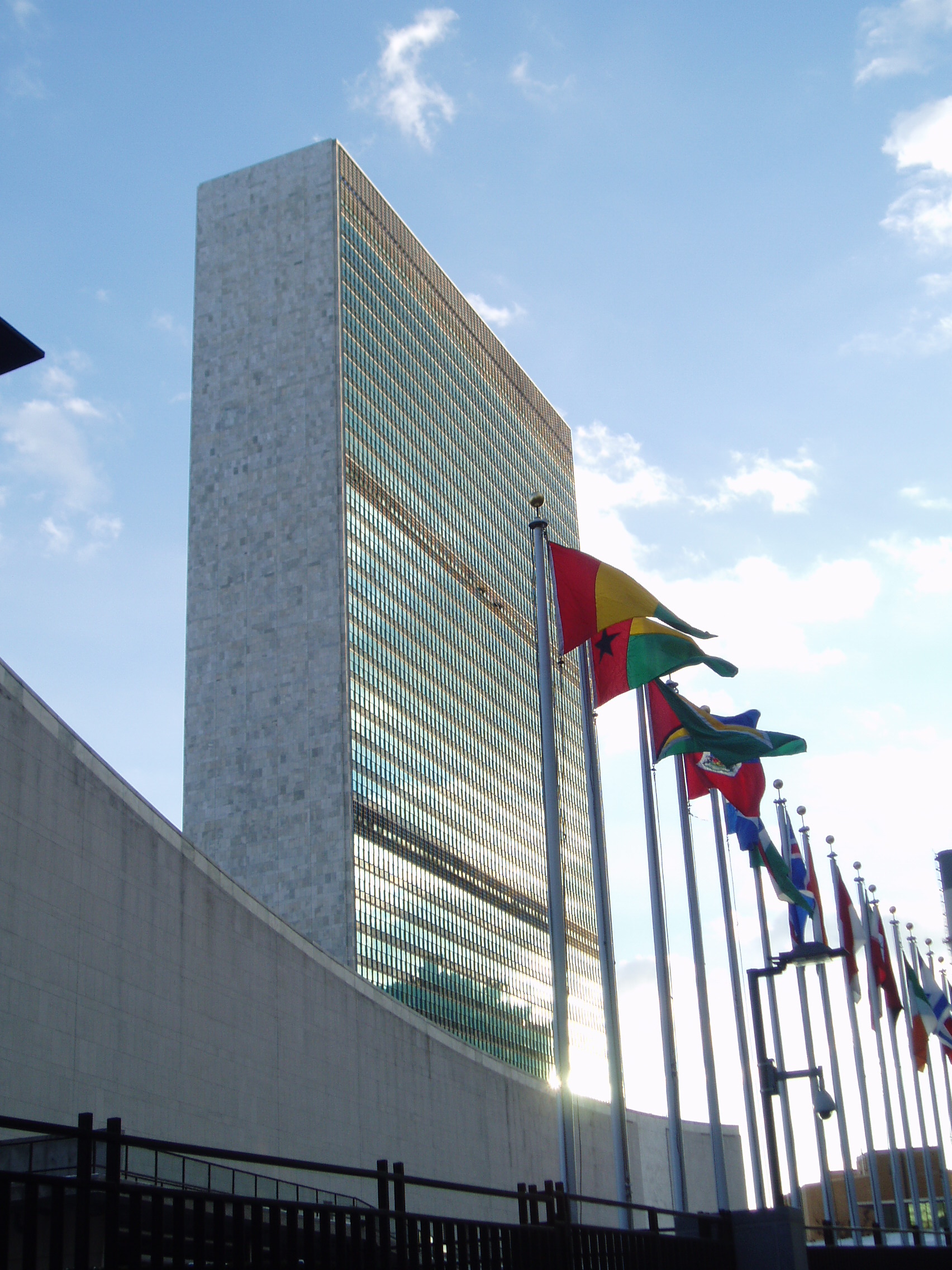
This article explores the failures of current diplomacy of the Middle East War, arguing that the opportunistic use of mediation rather than genuine peace negotiations complicate any progress towards de-escalation substantially. It examines a string of diplomatic failures and reasons behind them, covering Lebanon and the Strait of Hormuz, while examining the roles of actors.…
-

The Paradox of Tunisia’s Arab Spring
Main Question: What is the legacy and lasting consequences of the Jasmine Revolution? Argument: Democratization was undermined by socioeconomic decline and weak institutions, enabling an authoritarian setback. Conclusion: Sustainable governance relies on positive socioeconomic outcomes and accountability, not just constitutional design.
-

Managing Instability in Senegal
Why the Casamance conflict began — Deep-rooted colonial history created ethnic, religious, and cultural divisions between the Joola-majority Casamance region and the rest of Senegal. Why the conflict has neither escalated nor resolved over 40+ years . What needs to happen for resolution — The article argues that lasting peace requires addressing the conflict’s roots…
-

El Super Tazón: Bad Bunny’s Soft Power Moment
The briefing assesses how Bad Bunny’s 2026 Super Bowl performance operates as an intervention in hemispheric power relations. It contends that his deployment of Spanish language, decolonial aesthetics and pan‑Latino symbolism constitutes a form of counter‑hegemonic soft power. It concludes that the performance reconfigures soft power as resistance from subaltern positions and reasserts Latin American…
-
Europe’s Post-War Coexistence with Russia
How can Europe find stability and security post Russia’s war on Ukraine? Unity is under strain, but it is necessary to maintain a collective European strategy as it is essential for strengthening joint military power. Europe must build up its defence capabilities before seeking negotiations with Russia, as it provides leverage. For long-term stability, Europe…
-
When Mediation Becomes Power Politics
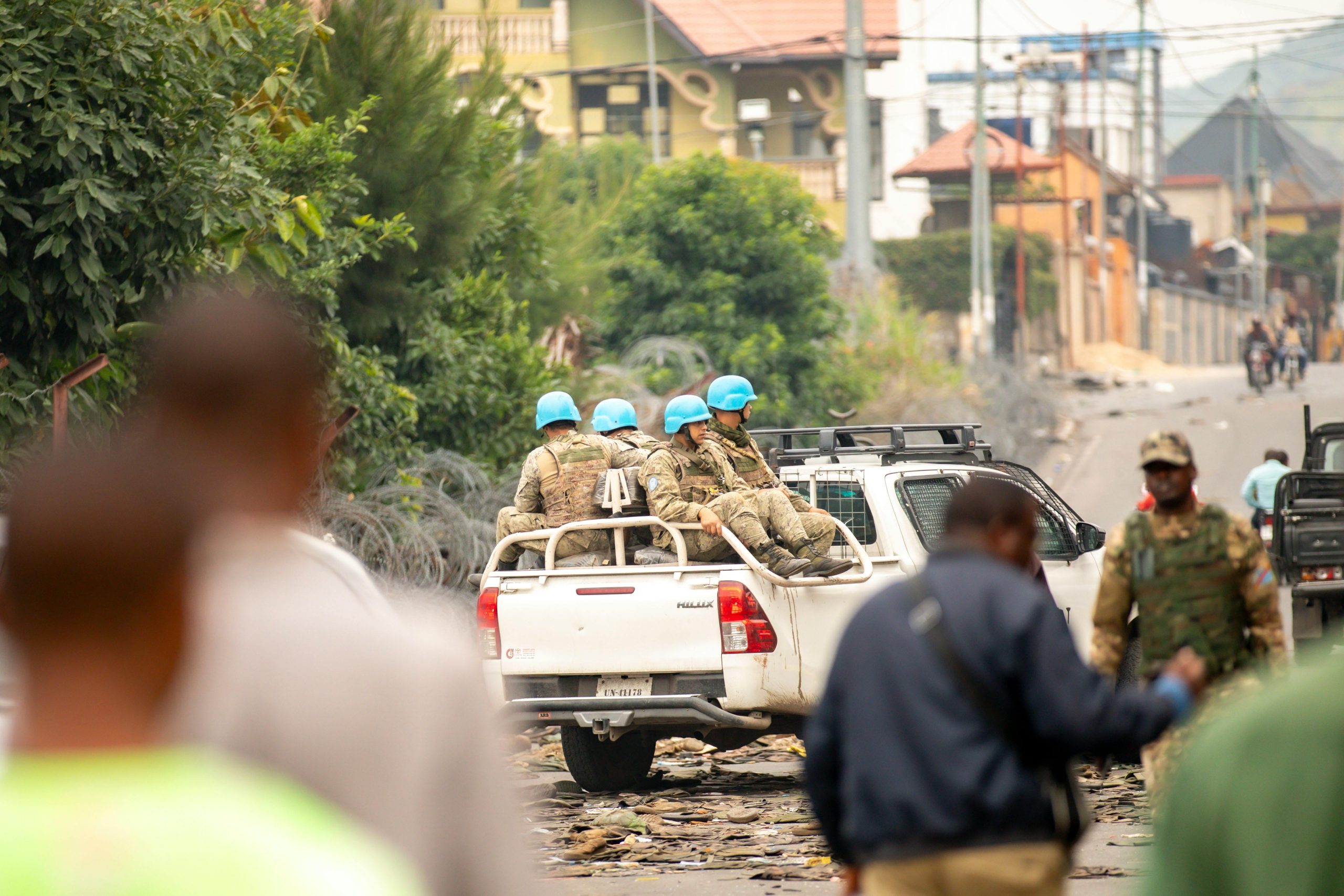
Under what political conditions does peace mediation contribute to genuine conflict transformation? The article argues that peace mediation loses its normative core and political effectiveness when it is instrumentalized as coercive, interest-driven diplomacy. Sustainable peace mediation requires clearly drawn normative boundaries that strictly separate facilitative process support from political control.