Tag: Sanctions Policy
-
Sanctions on Cuba: Is it collective Punishment?
Are the sanctions a form of collective punishment? Can IHL paradigms be transferred to IHRL during ‘peacetime’? This essay argues how sanctions and their extraterritoriality violate leading tenets of International Human Rights Law. It goes through three fundamental rights sectors in Cuba showing how they affect rights. It concludes by proposing an earnest following of…
-
Who Controls Money?
How do cryptocurrencies affect financial stability and security compared to gold? Both rely on scarcity but differ in relation to state power. Gold is embedded in state systems and supports stability, while cryptocurrencies enable decentralized transfers outside institutions. This weakens sanctions and oversight, increases volatility, and shifts financial authority away from states.
-
Designing Sanctions
To what extent does international law constrain the EU’s use of Russian central bank reserves? This article argues that sovereign immunity and the limits of countermeasures not only restrict the EU’s action but directly shape its sanctions design. It concludes that outright seizure of assets would likely be unlawful, and that any financial sanctions must…
-
Sanctions and Fragility: The Case of UAC
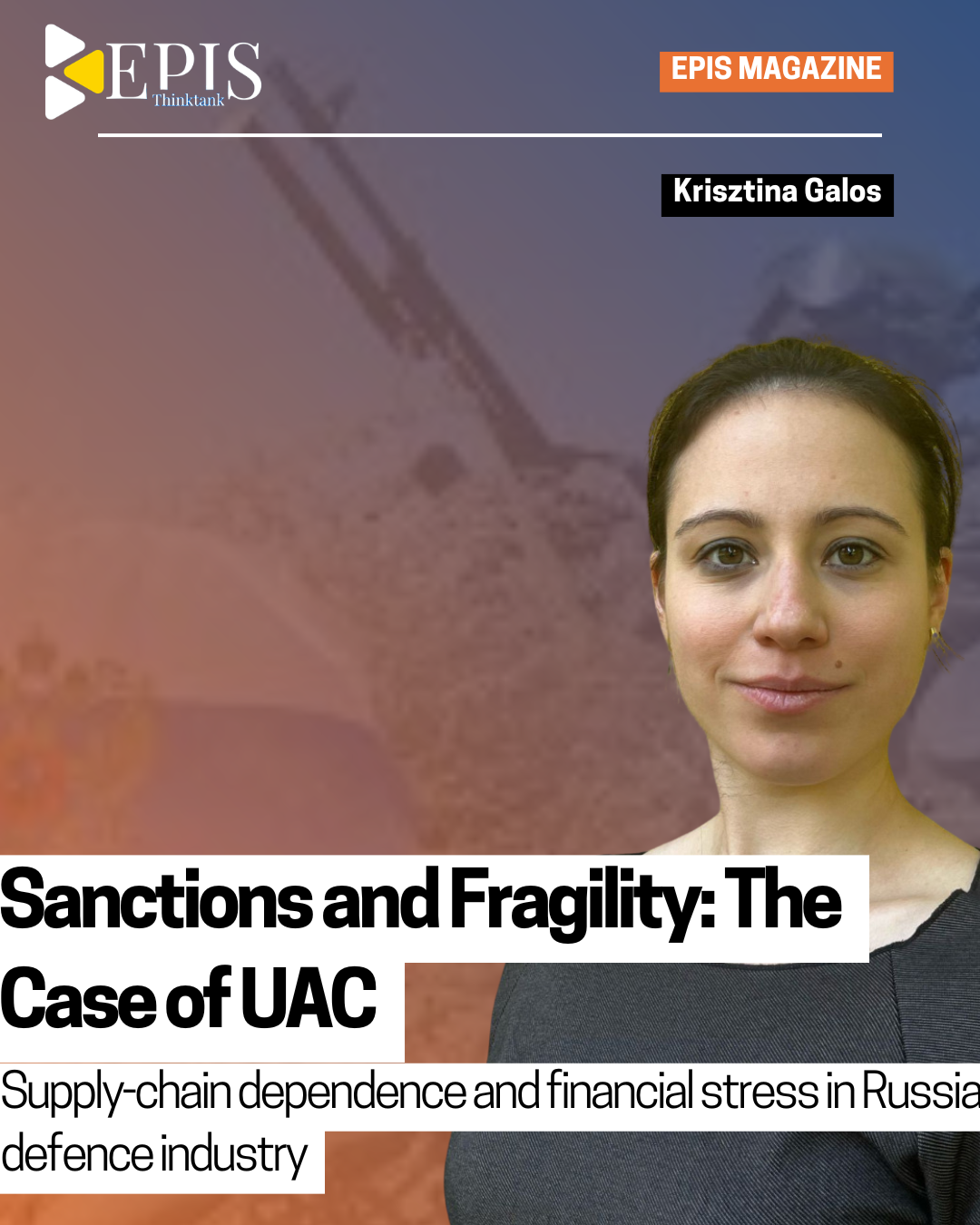
Main question: Has UAC reduced foreign dependence and achieved financial sustainability after 2022? Argument: Despite sanctions and redomiciliation efforts, UAC remains structurally dependent on foreign technological inputs while its financial indicators deteriorate. Conclusion: UAC’s continued operation reflects state-engineered survival rather than market-based resilience, suggesting limited long-term sanction circumvention success.
-
The EU’s sanctions regime vis-à-vis Russia
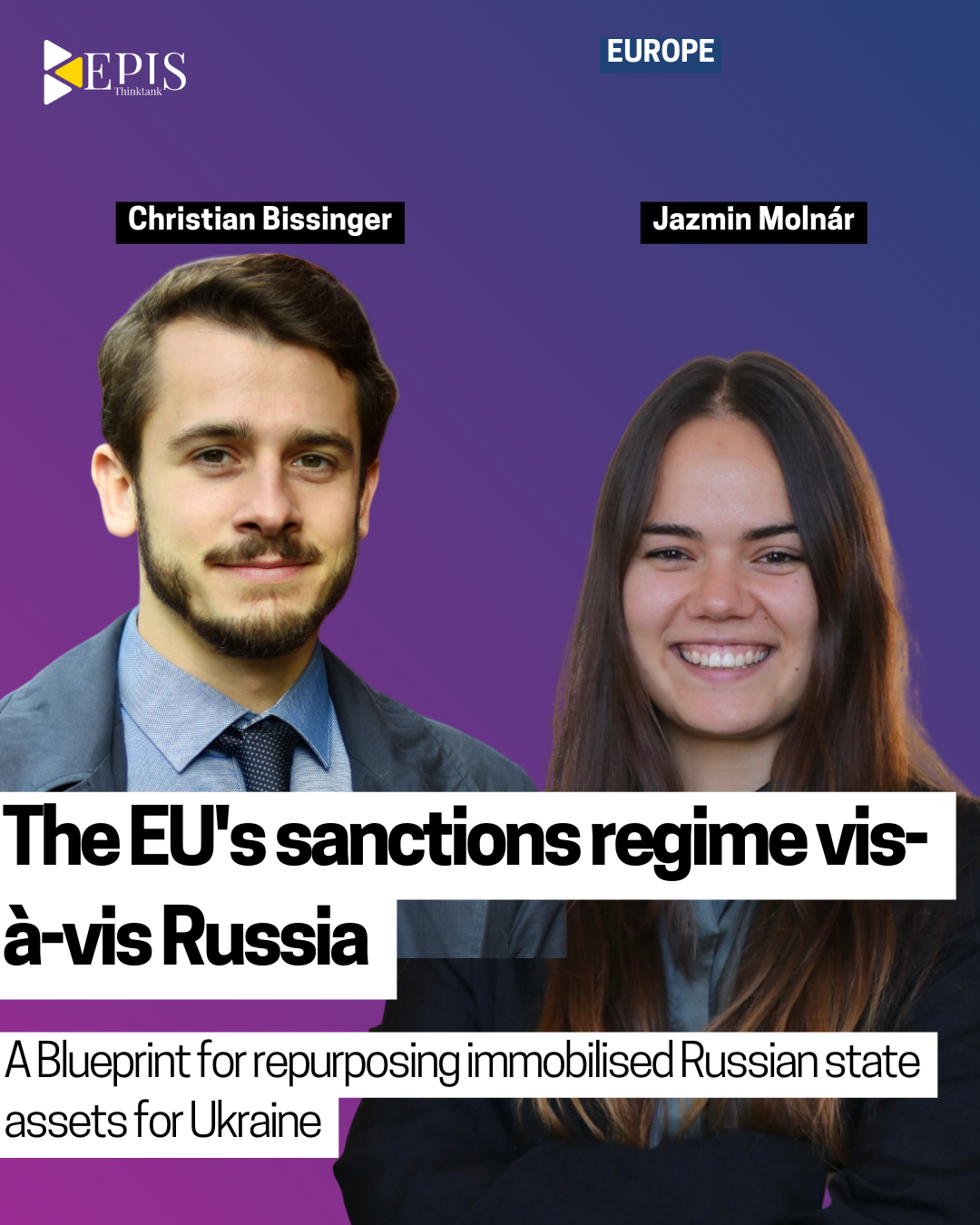
Based on a “Coalition of the Willing” approach, this brief considers legal and institutional avenues that enable to bypass the unanimity trap within the Council of the EU to ultimately ensure the long-term support for Ukraine. By elaborating on the repurposing the immobilised Russian State assets for Ukraine’s support, this article advocates for innovative legal-financial…
-
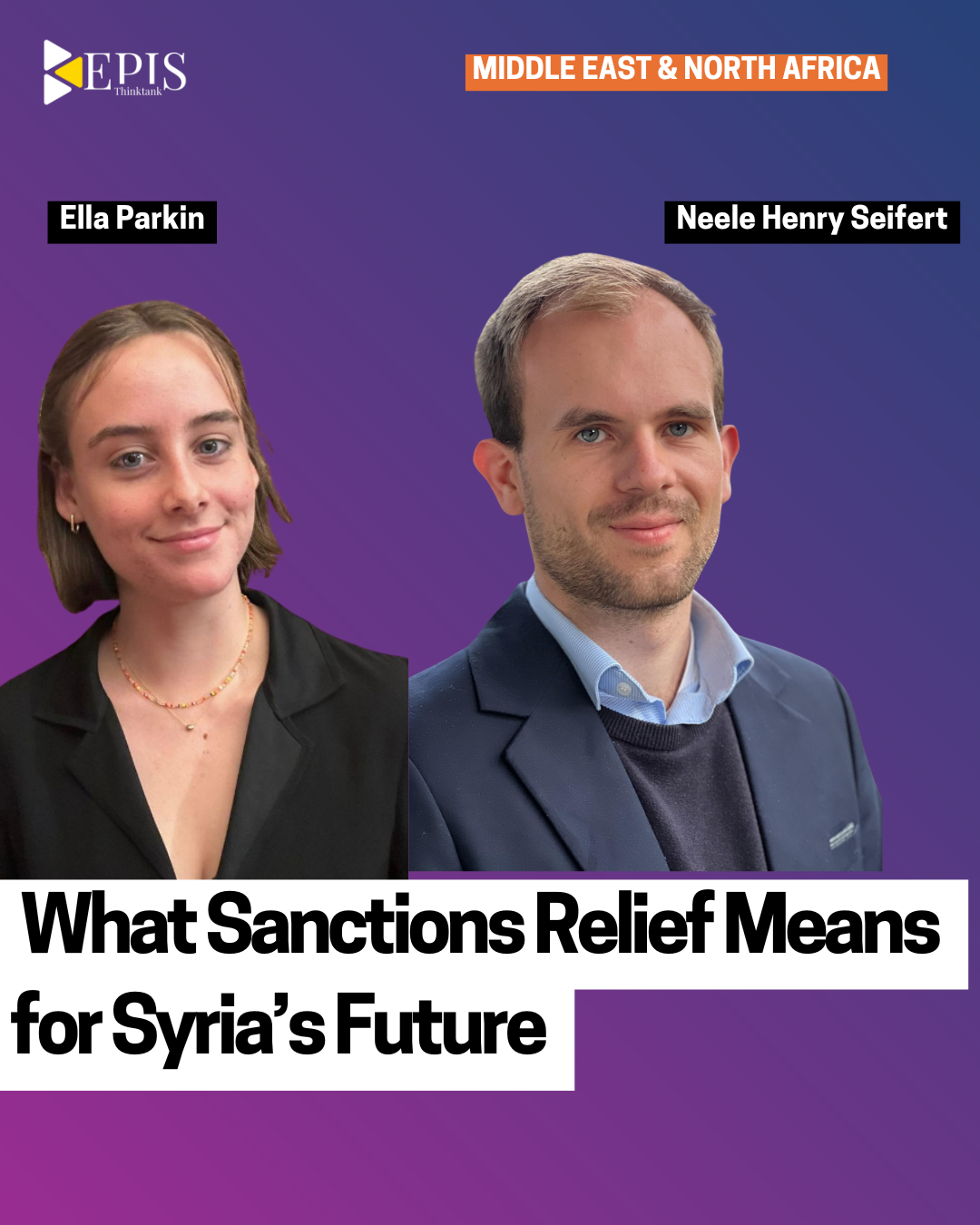
What Sanctions Relief Means for Syria’s Future
The easing of sanctions in 2025 offers Syria something it hasn’t had in over a decade: a genuine opening. Financial systems are reconnecting, investors are circling, and humanitarian groups finally have fewer bureaucratic barriers to work around. Yet this opportunity is fragile. Sanctions relief is a tool – not a guarantee. If Syria’s new rulers…
-
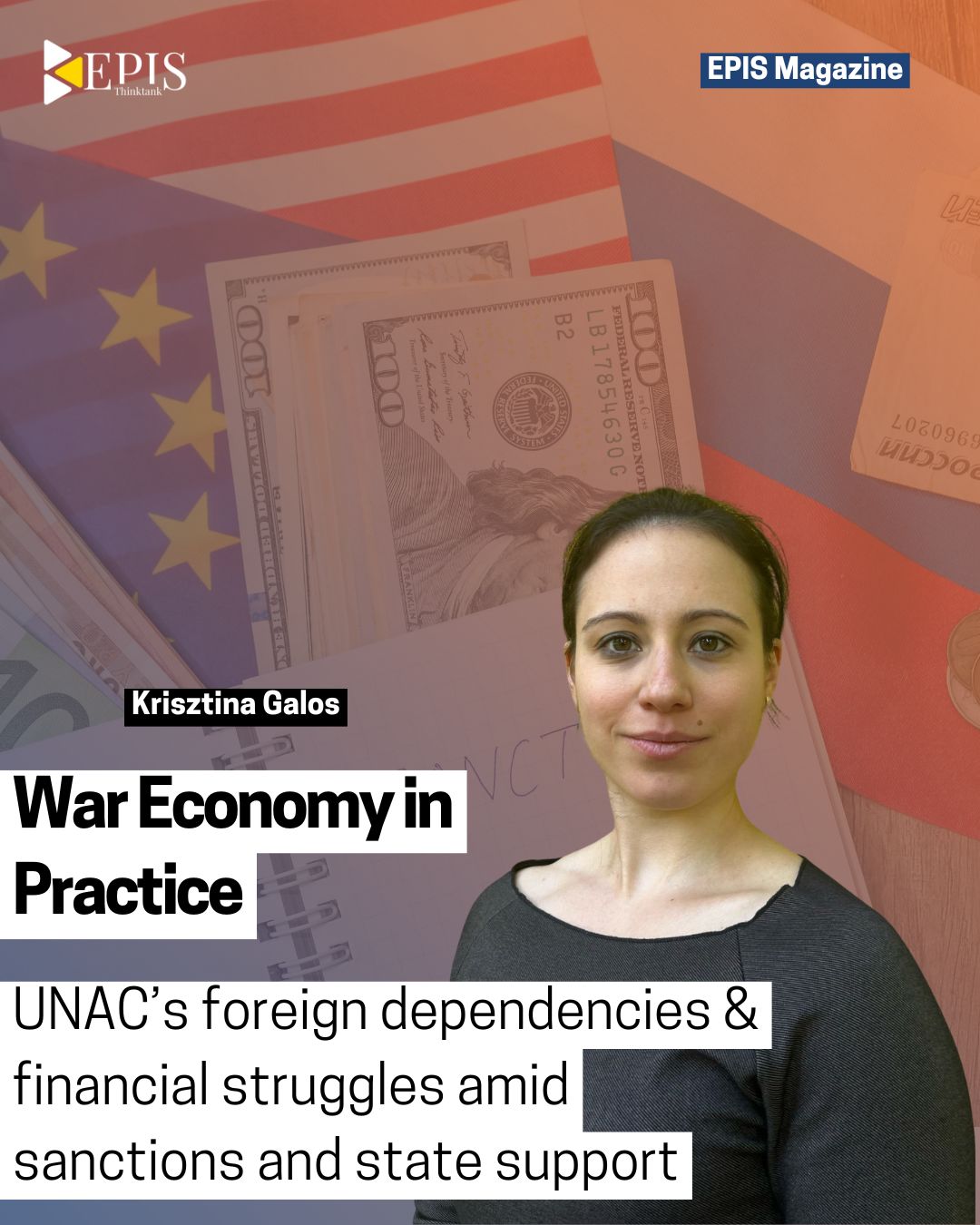
War Economy in Practice
Main question: How has UNAC’s international supply-chain exposure changed over the past five years amid sanctions? Argument: Despite state efforts, UNAC remains reliant on foreign suppliers, especially for high-tech components. Conclusion The 2022 invasion triggered financial strain, with UNAC divesting assets and relying heavily on government support to sustain operations.
-
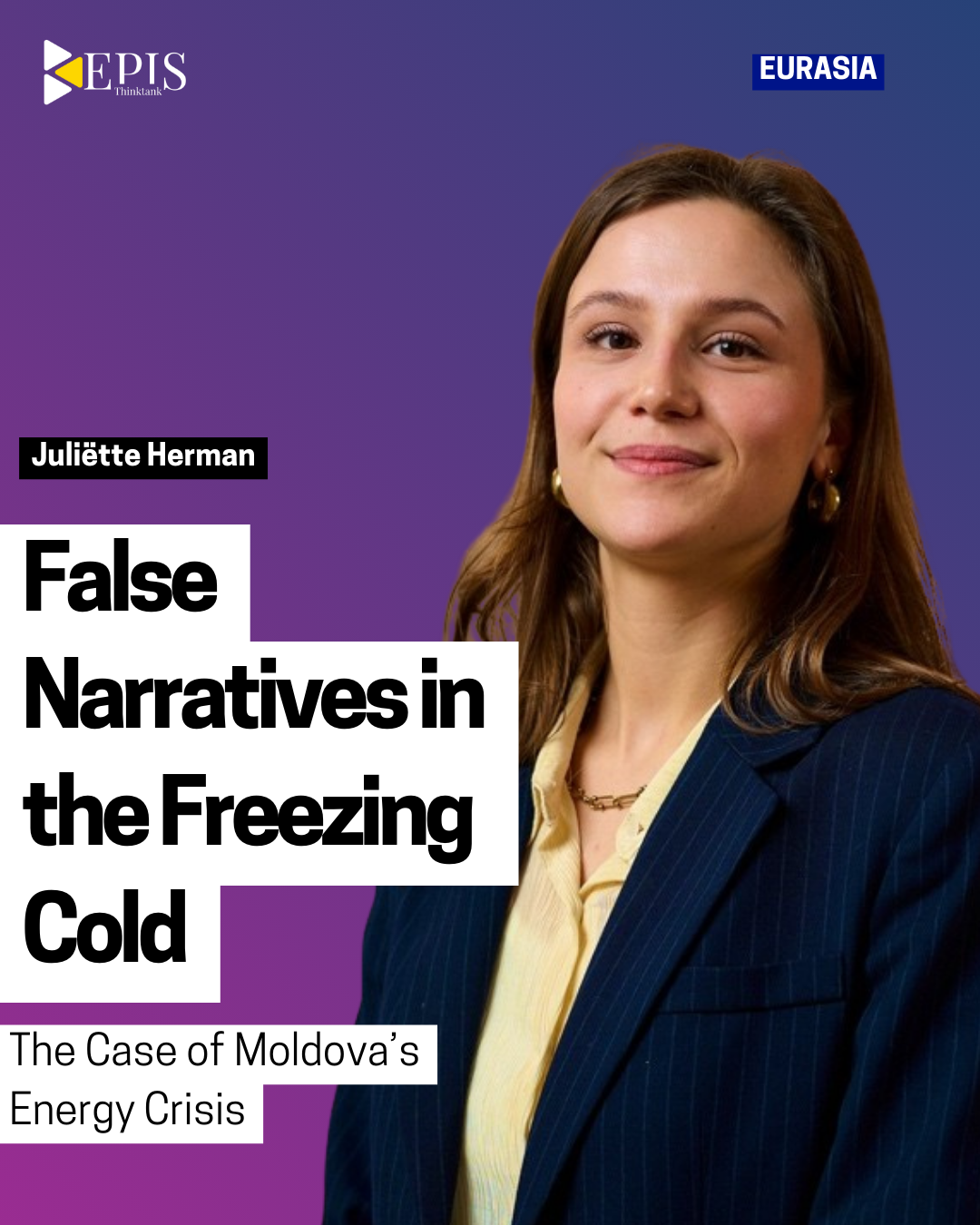
False Narratives in the Freezing Cold
1. what does the current energy crisis in Moldova reveal about the role of Russian hybrid warfare in its EU accession path? 2. Russian hybrid warfare plays a significant role in hindering the EU accession process, for which the energy crisis reveals tactics such as the weaponization of energy and false narratives. 3. the current…
-
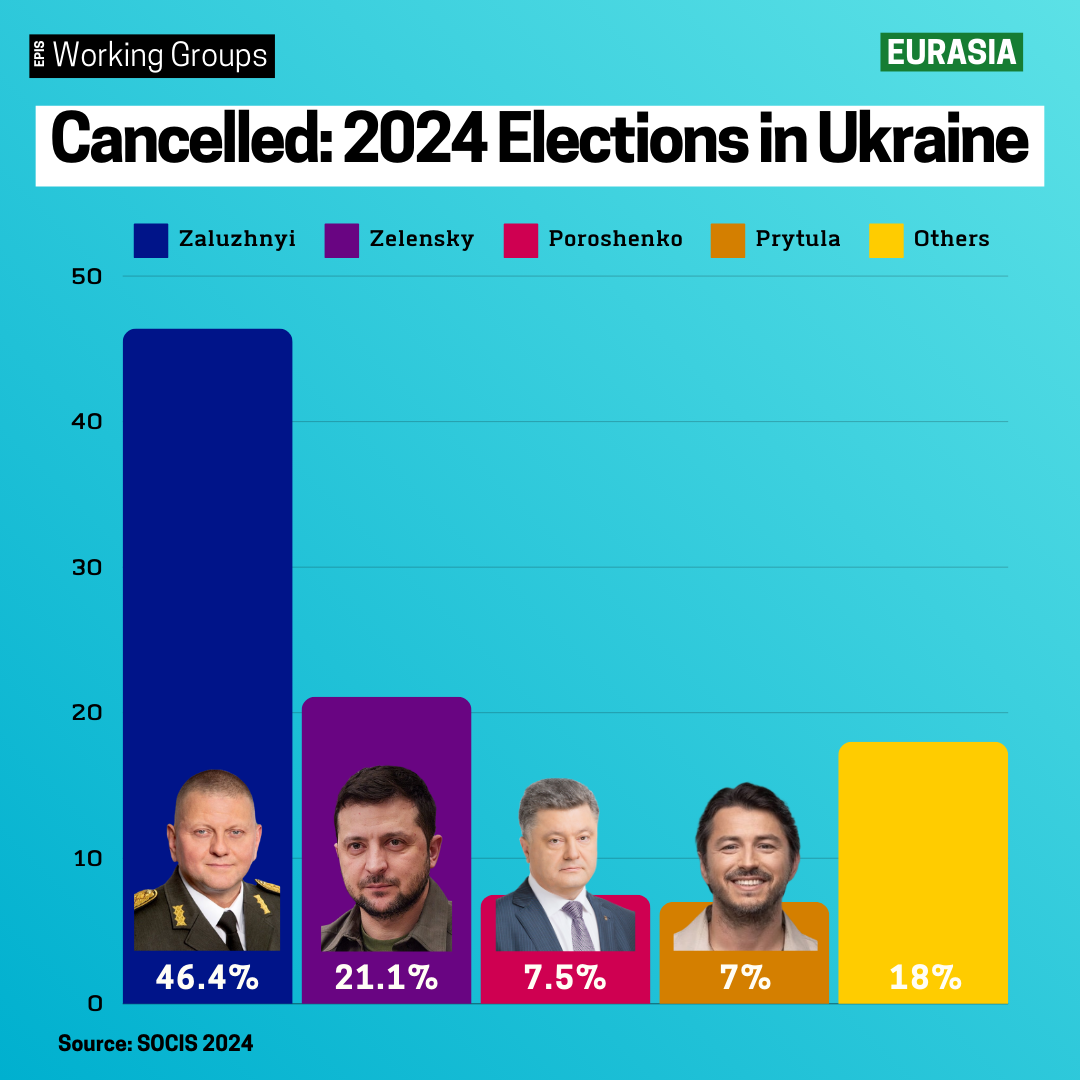
Ukraine’s Presidential Elections
EU must increase internal support, as well as forge international alliances if the isolationist against Russia is to succeed.