Category: Security Policy & Defence
-
Beyond the Survivability Myth
Many misunderstand military obsolescence, assuming battlefield survivability dictates a system’s relevance. Dmytro Sochnyev attacks that myth, arguing that obsolescence stems from the emergence and availability of superior alternatives, not mere vulnerability. Through historical and modern examples, the author reveals why even “outdated” weapons persist—proving that survivability alone is not the key determinant of military evolution,…
-
EPIS Basics: The Military-Industrial Complex
This short article explains the basics of the military-industrial complex (MIC) and its impact on defence spending. Dominic Perfetti outlines how MIC refers to the close relationship between governments and defence industries, where lobbying influences policy and creates a ratchet effect—once spending rises, it’s hard to reduce. He highlights the risks of escalating budgets, political…
-
Germany’s Cybersecurity Under Stress Test
Germany faces escalating cyber threats from state and non-state actors, targeting businesses and critical infrastructure. Ferdinand Gehringer argues that Germany’s cybersecurity framework is outdated and inefficient, requiring urgent reforms. He advocates for a stronger, independent BSI, enhanced public-private partnerships, streamlined cyber defense structures, and better legal frameworks for digital forensics. Strengthening education and training is…
-
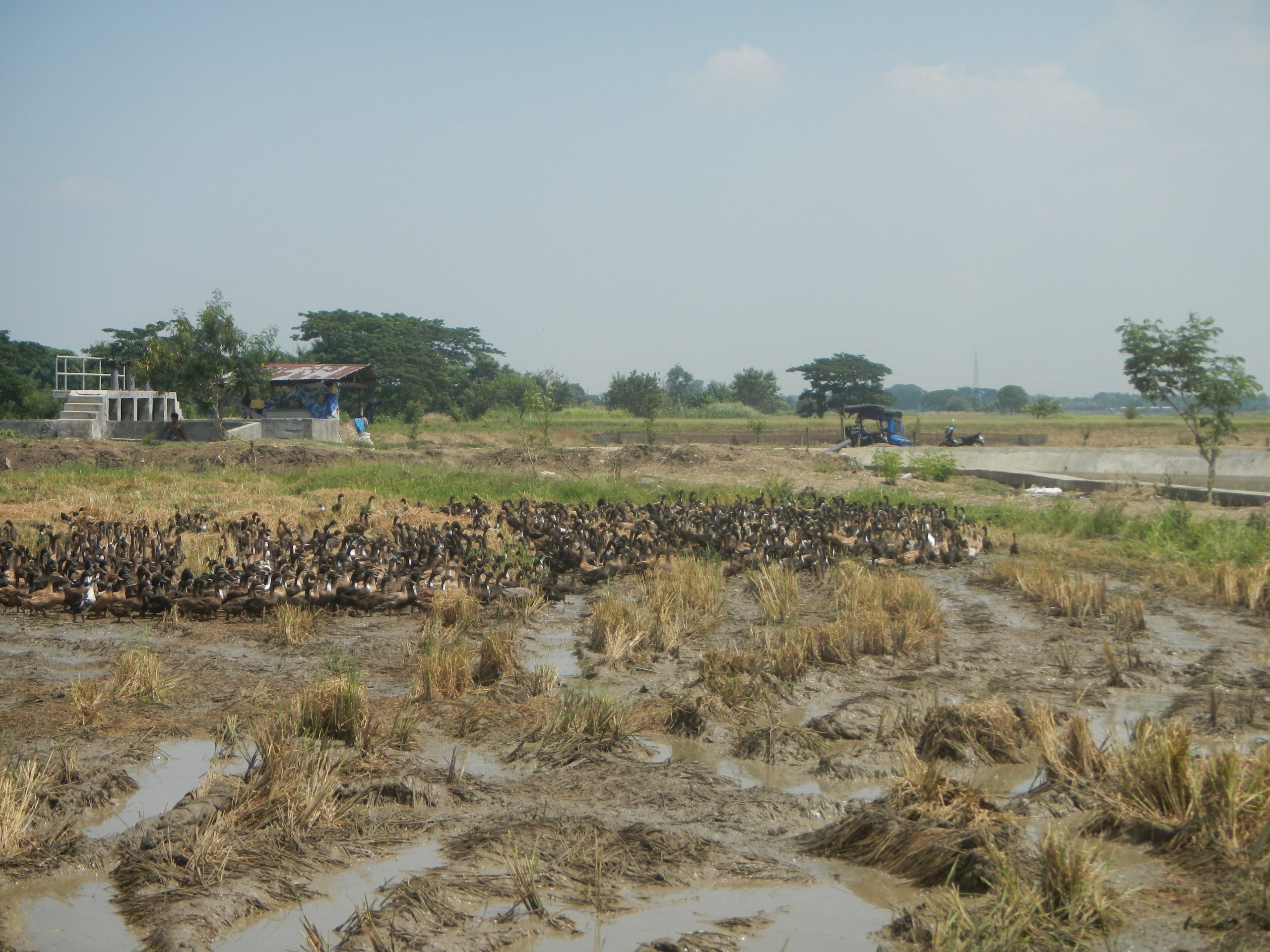
Resilient Agriculture for Europe’s Future
Dorfmann reflects on agriculture, food security, and their connection to geopolitics. He calls for a resilient EU agricultural strategy that addresses both internal market stability and external shocks. His views underscore how rural policy must adapt to climate, conflict, and global supply chain disruptions.
-
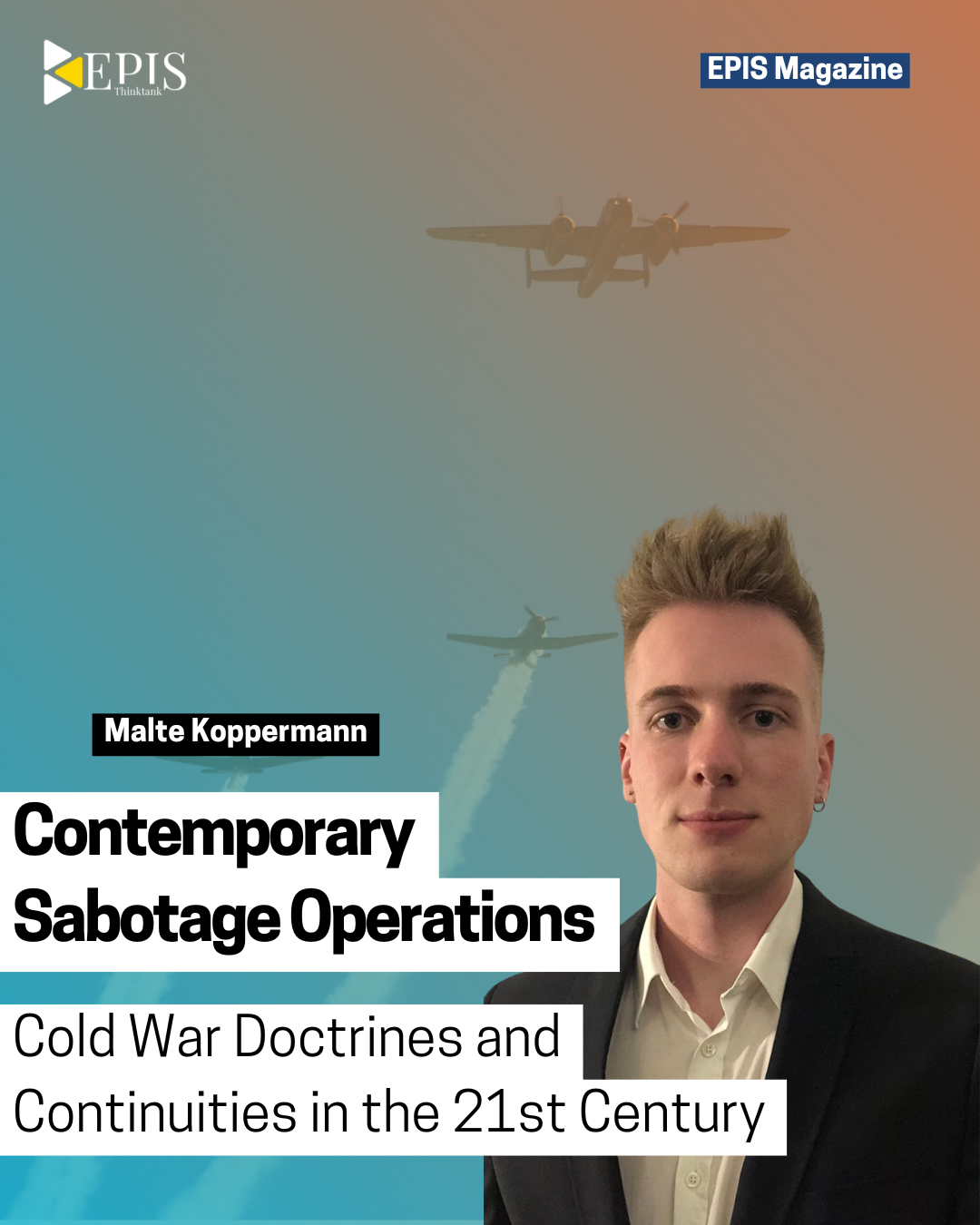
Contemporary Sabotage Operations
State-led sabotage remains a key tool of influence, mirroring Cold War doctrines despite shifting justifications. Malte Koppermann essay argues that while ideological motives have faded, the core objective—disrupting adversaries’ policies and capabilities—remains unchanged. Both the U.S. and Russia continue to use proxies, uphold plausible deniability, and adapt to new technologies, including cyber sabotage. The recent…
-
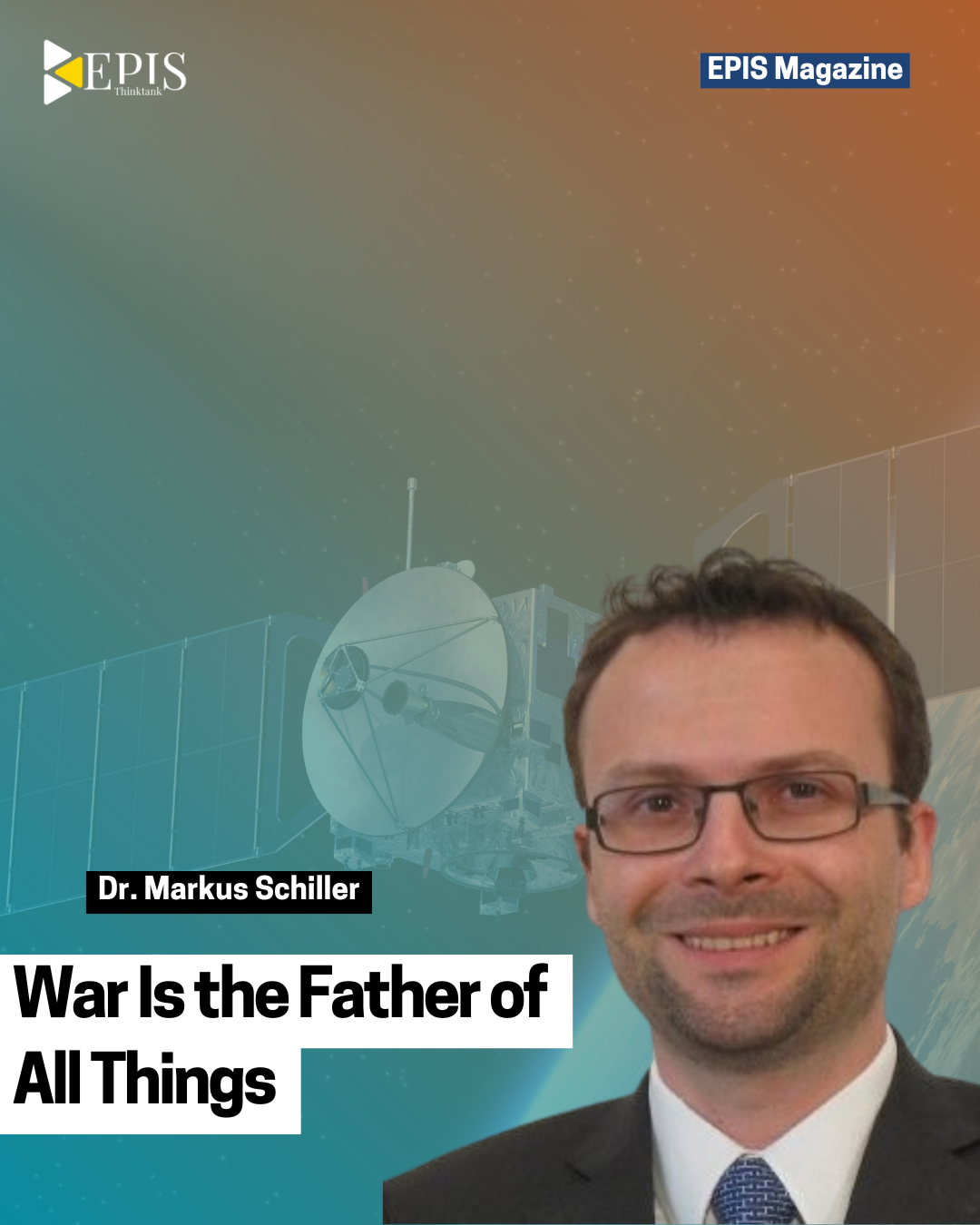
War Is the Father of All Things
Space exploration has always been driven by military interests. Markus Schiller examines how the arms race shaped spaceflight, from Cold War-era missile programs to modern satellite warfare. As China, Russia, and the U.S. expand military space capabilities, Europe lags behind. While commercial actors like SpaceX may reshape the landscape, Schiller argues that security concerns remain…
-
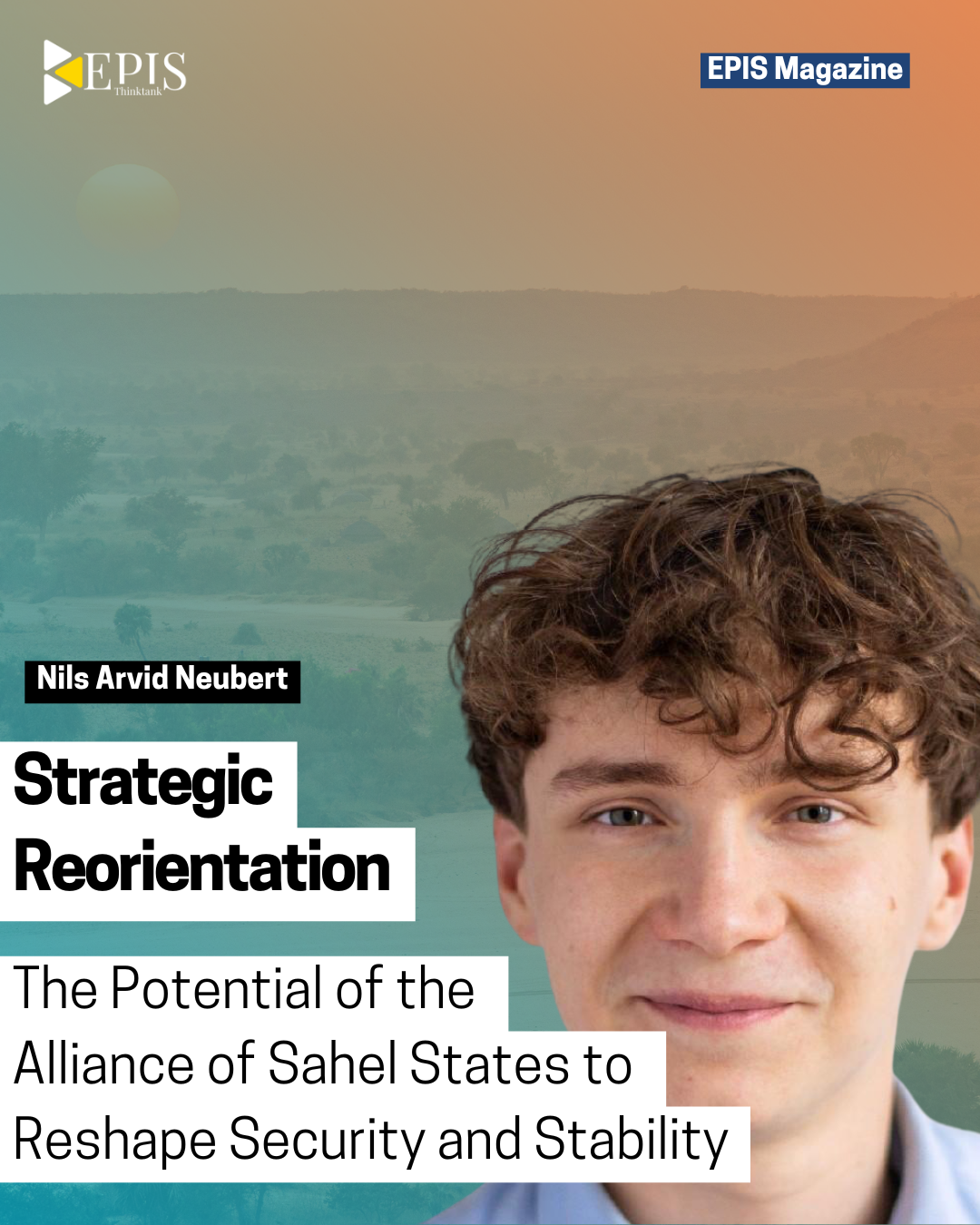
Strategic Reorientation
The Sahel is undergoing a profound geopolitical shift. Nils A. Neubert examines how the Alliance of Sahel States (AES)—Mali, Niger, and Burkina Faso—has broken from Western security partners, turning instead to Russia and Turkey. While AES’s joint military force improves operational flexibility, authoritarian counterterrorism and ethnic militias risk fueling jihadist recruitment. Without political inclusion and…
-
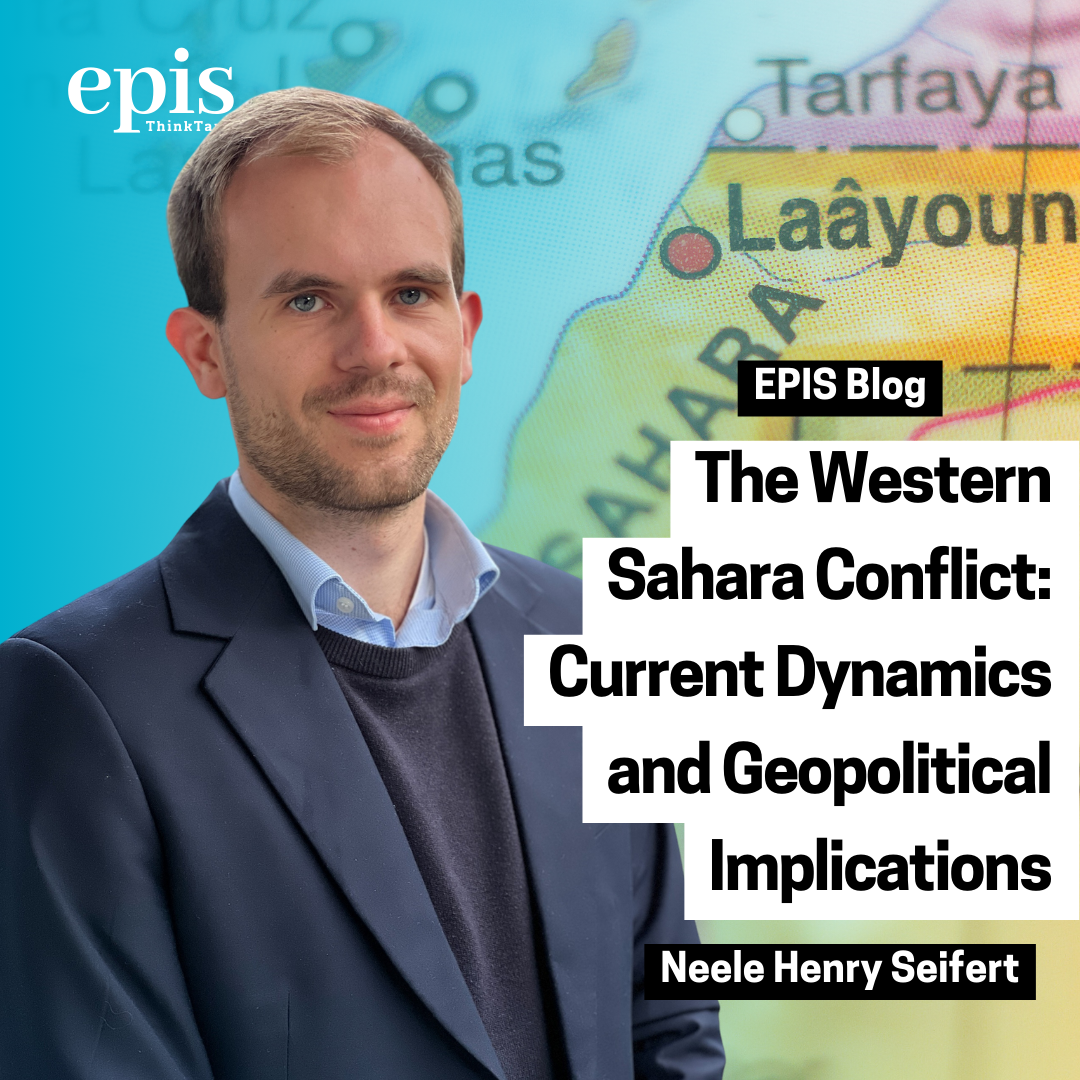
The Western Sahara Conflict
What do recent shifts in international support mean for the future of Western Sahara? Morocco has gained strong backing for its autonomy plan from key players like France, the U.S., and Spain, using diplomatic leverage (e.g. migration control) to advance its position, while Algeria, Russia, and Iran resist this growing consensus. Despite growing international support…
-
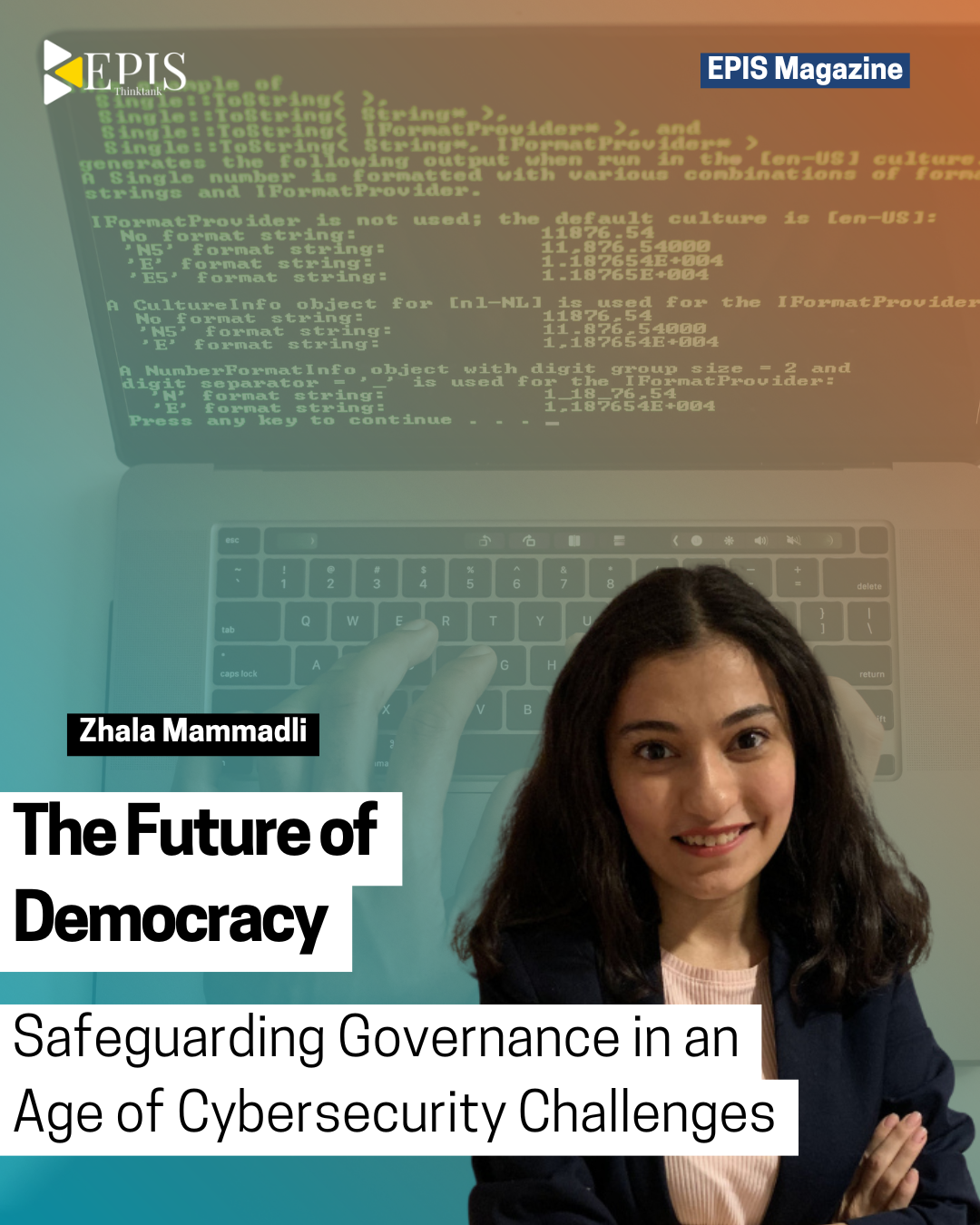
The Future of Democracy
Democracy faces growing cybersecurity threats in the digital age. Zhala Mammadli explores how cyberattacks, misinformation, and AI-driven manipulation undermine electoral integrity and public trust. While digital platforms expand political participation, they also expose democracies to hacking, disinformation, and algorithmic bias. Strengthening cyber defenses, digital literacy, and regulatory frameworks is crucial to safeguarding democratic governance in…