Tag: Alliance Building
-
Beyond Formal Diplomatic Relations
Main question: How does Taiwan stay internationally present despite diplomatic isolation? Argument: It relies on strong informal economic, political, and security ties. Conclusion: These ties help Taiwan engage globally but cannot replace formal recognition.
-

The Nordic-Baltic Eight
Main question: How does the NB8 navigate current international crises? Argument: Strong support to Kyiv + unity and integration due to external threats + cautious reaction from internal issues + integration and security management. Conclusion: NB8’s strength lies in its multi-layered integration + NB8 must find a good balance between accommodating US strategic concerns and…
-

Nordic-Baltic Eight
Main question: How Does the NB8 Navigate Current International Crises? Argument: Strong support to Kyiv + unity and integration from external threats + cautious reaction from internal issues + integration and security management. Conclusion: NB8’s strength lies in its multi-layered integration + NB8 must find a good balance between accommodating US strategic concerns and carefully…
-
Key developments of European Security
The tacit knowledge involved in the defence sector makes it difficult to simply convert civilian facilities and personnel into assets of the defence sector. States need to be strongly engaged in defence-related R&D. We should have a more sober and fact-based discussion about autonomous weapons systems. Autonomous or semi-autonomous weapons have been
-
Hybrid Security Regimes in Practice
Hybrid security regimes are not symptoms of institutional weakness but deliberate political strategies. Hybrid security regimes are used to enhance flexibility and extend the reach of state-aligned coercive practices. In hybrid security regimes, sovereignty is seemingly exercised not only through formal hierarchies but through shifting, relational, and often opaque networks of authority.
-

Between Washington and Berlin
While strategic autonomy remains a key ambition, Europe’s defence still largely depends on transatlantic cooperation, making full independence unlikely in the near future. Europe position itself between U.S pressure and strategic autonomy? 2. Europe is increasingly seeking to develop its own defense capabilities and reduce dependency. 3.While strategic autonomy remains a key ambition, Europe’s defence…
-
Trump in Asia
This article analyses Trump’s recent Asia trip and its potential impact on the broader regional dynamics. The article concludes that Trump’s transactional approach wins investments and a brief US–China pause but deepens uncertainty for allies. It recommends that the Indo-Pacific states must hedge, diversify, and prepare for long-term strategic competition.
-
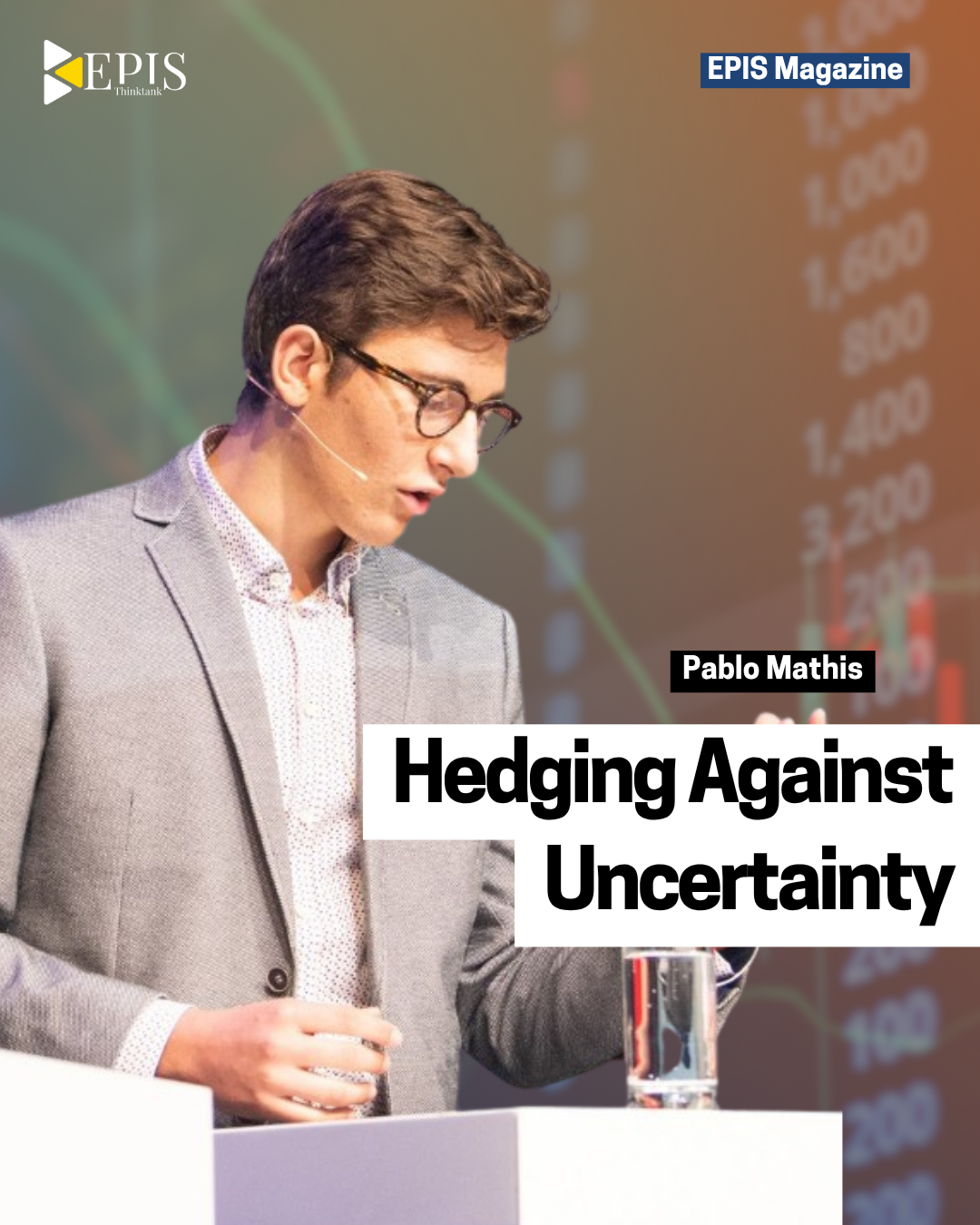
Hedging Against Uncertainty
What is Hedging? Hedging is a foreign policy strategy of states against uncertainty. Hedging, although a contested concept, can help observers make sense of international relations.
-
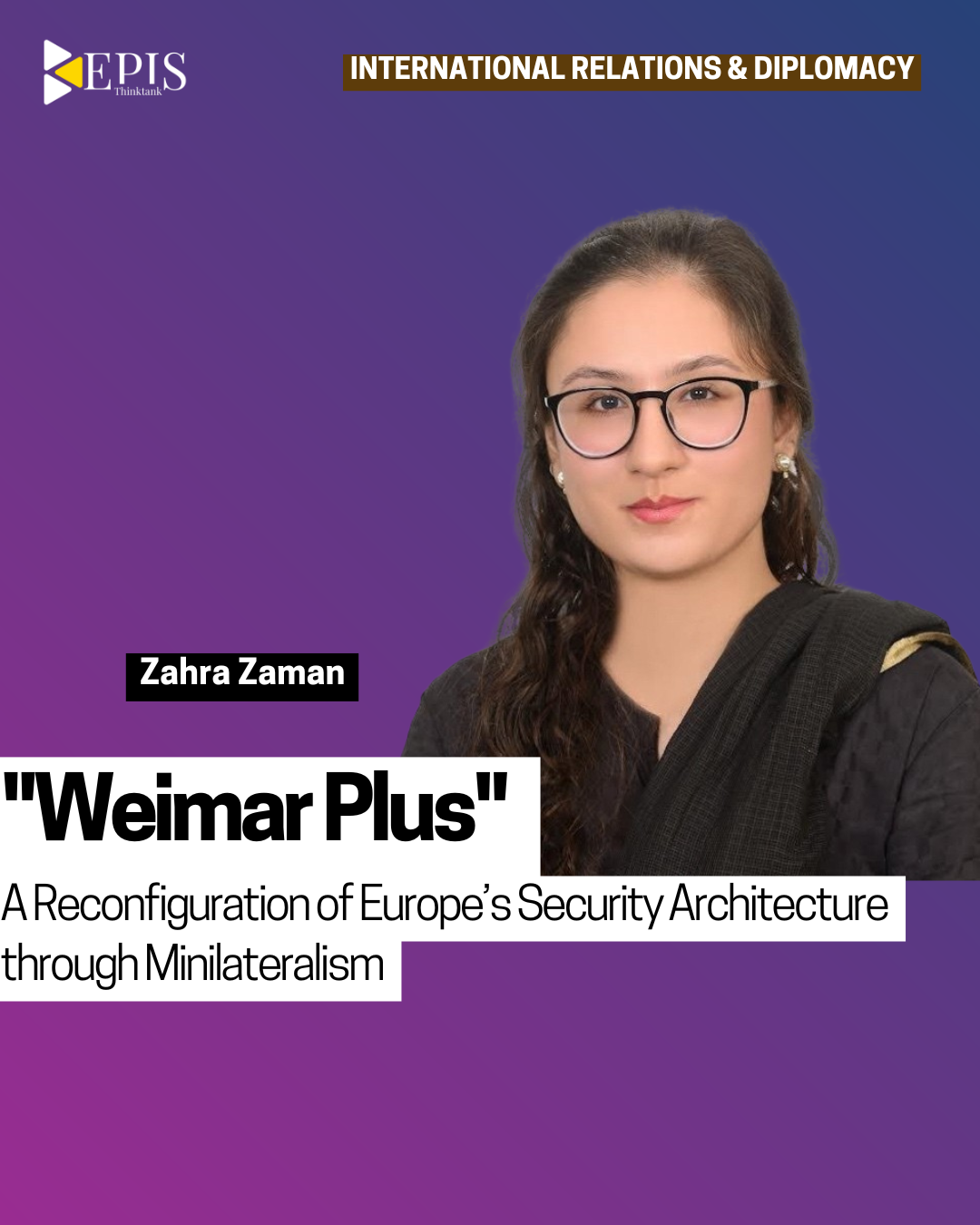
“Weimar Plus”
“Main question: Can Weimar Plus reshape Europe’s security through minilateralism amid U.S. ambiguity? Argument: The grouping offers agility and potential for defense cooperation, but diverging interests, weak institutionalization, and political rifts undermine effectiveness. Conclusion: Weimar Plus is promising yet premature; its success hinges on cohesion, tangible outcomes, and complementing EU and NATO rather than replacing…
-
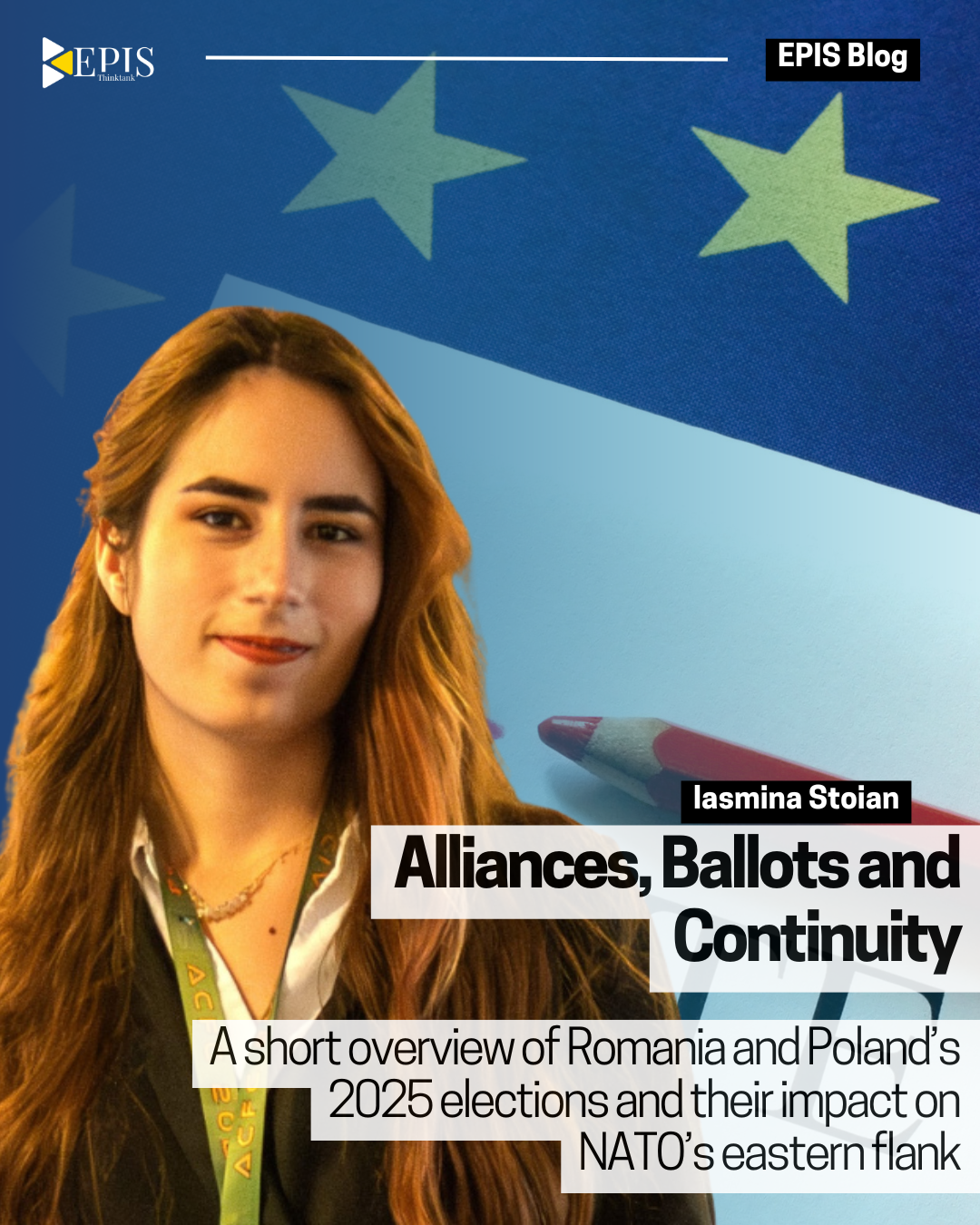
Alliances, Ballots and Continuity
The 2025 presidential elections in Romania and Poland marked a pivotal moment for NATO’s eastern flank and also the start of a new chapter.Romania’s pro-European outcome contrasts with Poland’s conservative shift, raising questions about regional cohesion. Thus, the future of NATO’s unity and its support for Ukraine now hinges on how both allies align with…