Tag: Climate Protection
-
European Integration and EU External Action
Main question: How do varying levels of European integration across climate policy, peacekeeping, and diplomacy affect the consistency of EU external action? Argument: The EU achieves advanced, binding integration in climate policy, but remains structurally weak and dependent on Member State consensus in peacekeeping and diplomacy. Conclusion: The EU should support states implementing climate laws,…
-

EPIS Report on Climate Policy & Environment Issue III
Alisa Grunert Timeframe: 13/02/2026 – 13/02/2026 Germany · Climate Protection · Issue III Definition – Dear reader, given the growing presence of international conflicts and militarization, climate change and environmental issues have stepped back in security-related discussions, especially in Europe. This is why the third issue of Climate Policy & Environment is dedicated to climate…
-
Policy Incompatibility in the European Union
Do the monetary costs expected to be saved by businesses through simplification initiatives outweigh the possibly detrimental costs for environmental regulation? The shifting of the Commission’s priorities is reflected in the policy overlap of the omnibus package on sustainability and the comprehensive sustainability regulation framework outlined in the European Green Deal. The current focus lies…
-
Climate Linked Instability in the Sahel and Horn
How does climate stress reshape patterns of authority and instability in high-risk African states? Using Burkina Faso and Somalia, the brief shows that climate shocks amplify existing governance weaknesses, alter mobility, and expand the space for non-state armed actors. Climate change is a multiplier: instability emerges not from climate stress alone, but from how it…
-
Ambition at Risk
“- How does the EU’s failure to submit a binding 2035 climate target affect its ability to agree on a 2040 target and maintain credibility in international climate negotiations? – Main argument: EU’s failure to submit a binding 2035 target weakens its credibility in climate diplomacy, complicates the 2040 goal, and risks its leadership at…
-

Critical Raw Materials in Argentina and Brazil
Main Question: How do Argentina and Brazil balance climate rhetoric with mining policy on critical raw materials? Argument: Despite opposite discourses (Lula’s pro-environment stance vs. Milei’s climate skepticism) both prioritize mining expansion over sustainability. Conclusion: Ideology matters less than material interests. Both governments converge on economic gains, risking the goals of the energy transition.
-
Editorial: EPIS Report on Climate Policy & Environment Issue II
The environment is a silent victim in conflict that is beaten and abused with long-term consequences, acting as a threat multiplier for the effects of the climate crisis. The destruction of dams is a common theme in the Russia-Ukraine conflict.
-
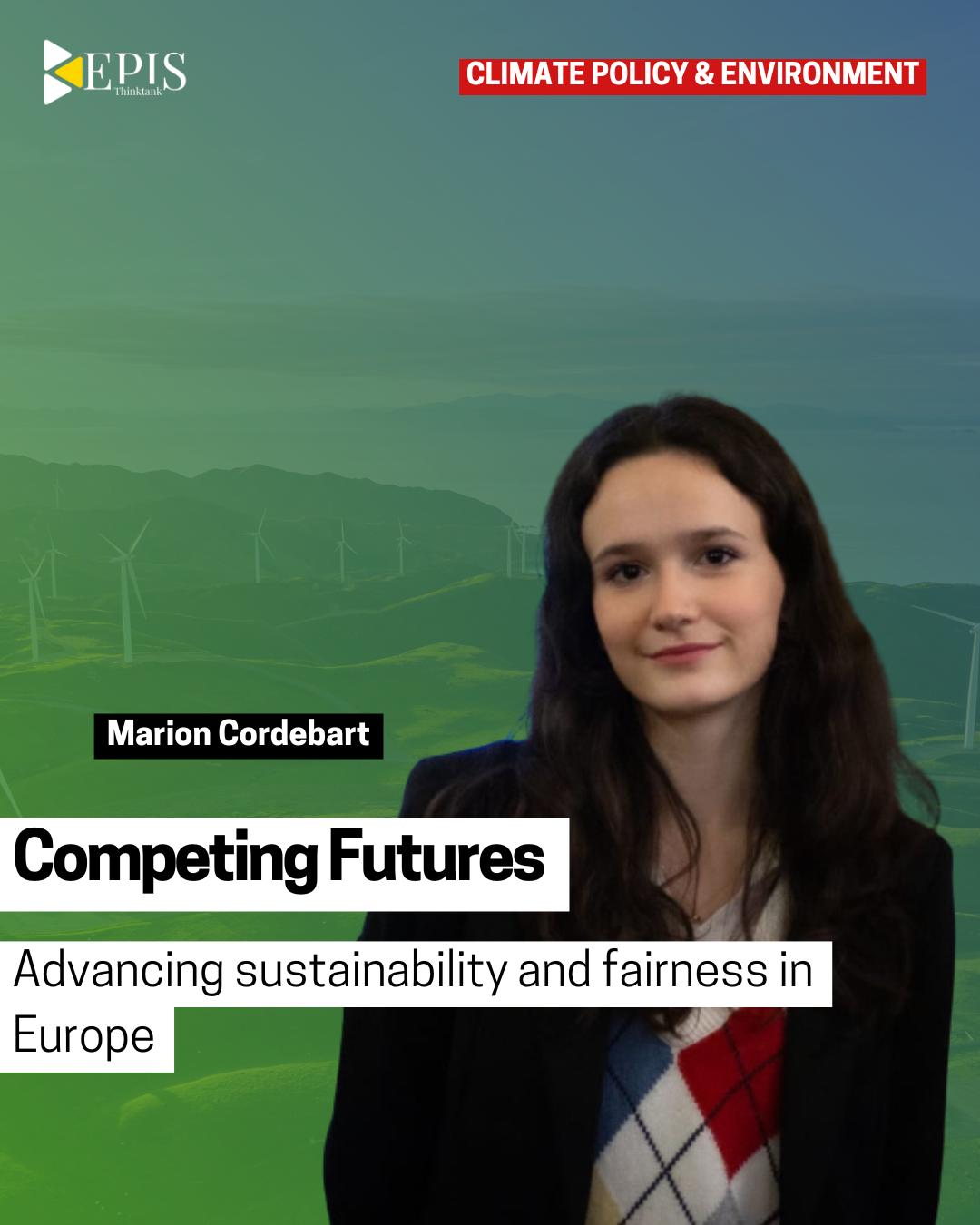
Competing Futures
International Criminal Lawis ineffective at protecting the environment in conflict, perhaps stronger solutionsshould be in place, should the environment have their own rights in conflict?
-
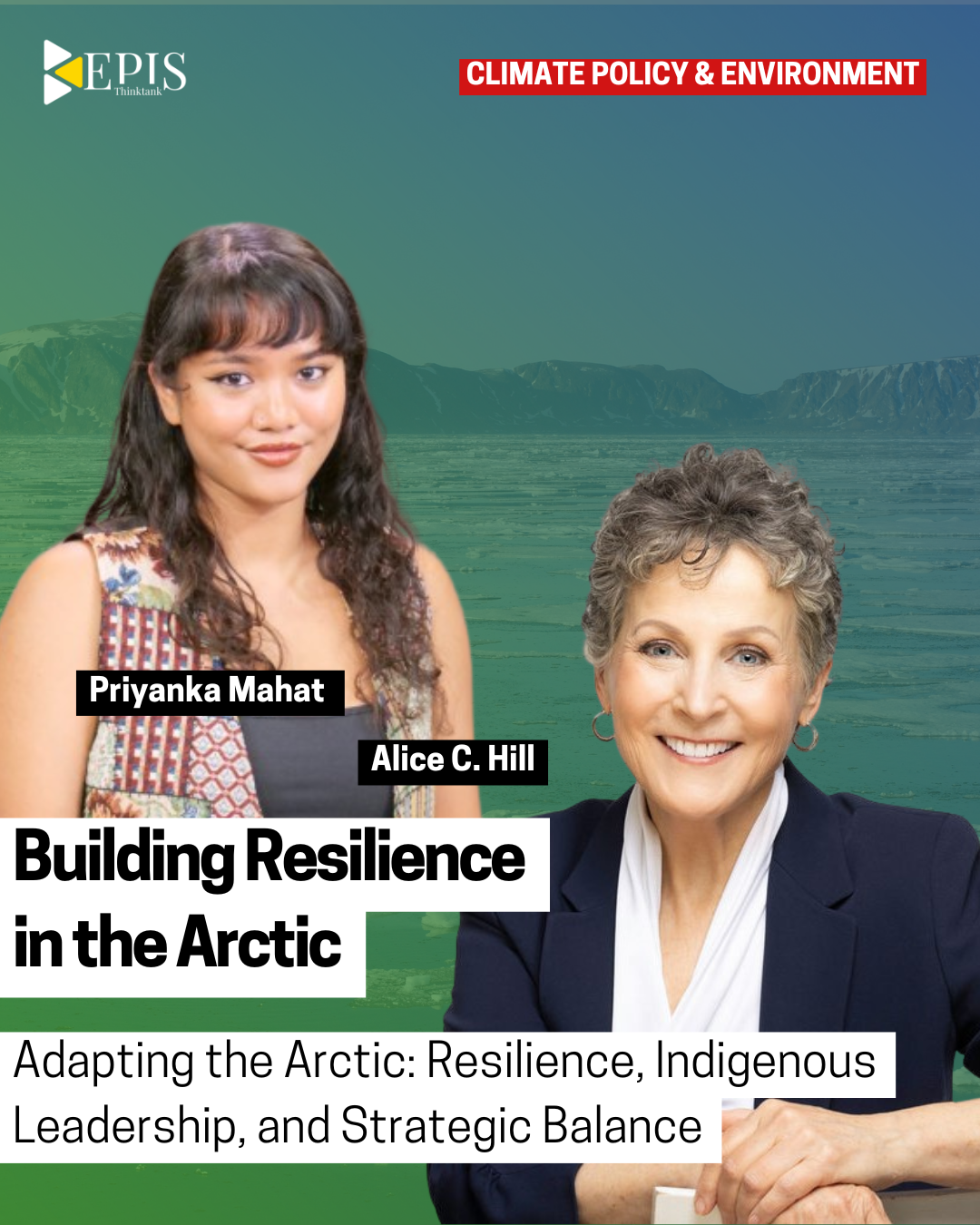
Building Resilience in the Arctic
How can Arctic communities adapt to rapid climate change and growing geopolitical pressure? The Arctic faces compounding threats—from permafrost thaw to militarization—that strain fragile infrastructure and ecosystems. Building resilience requires urgent adaptation, Indigenous leadership, and balancing strategic interests with long-term stability.
-
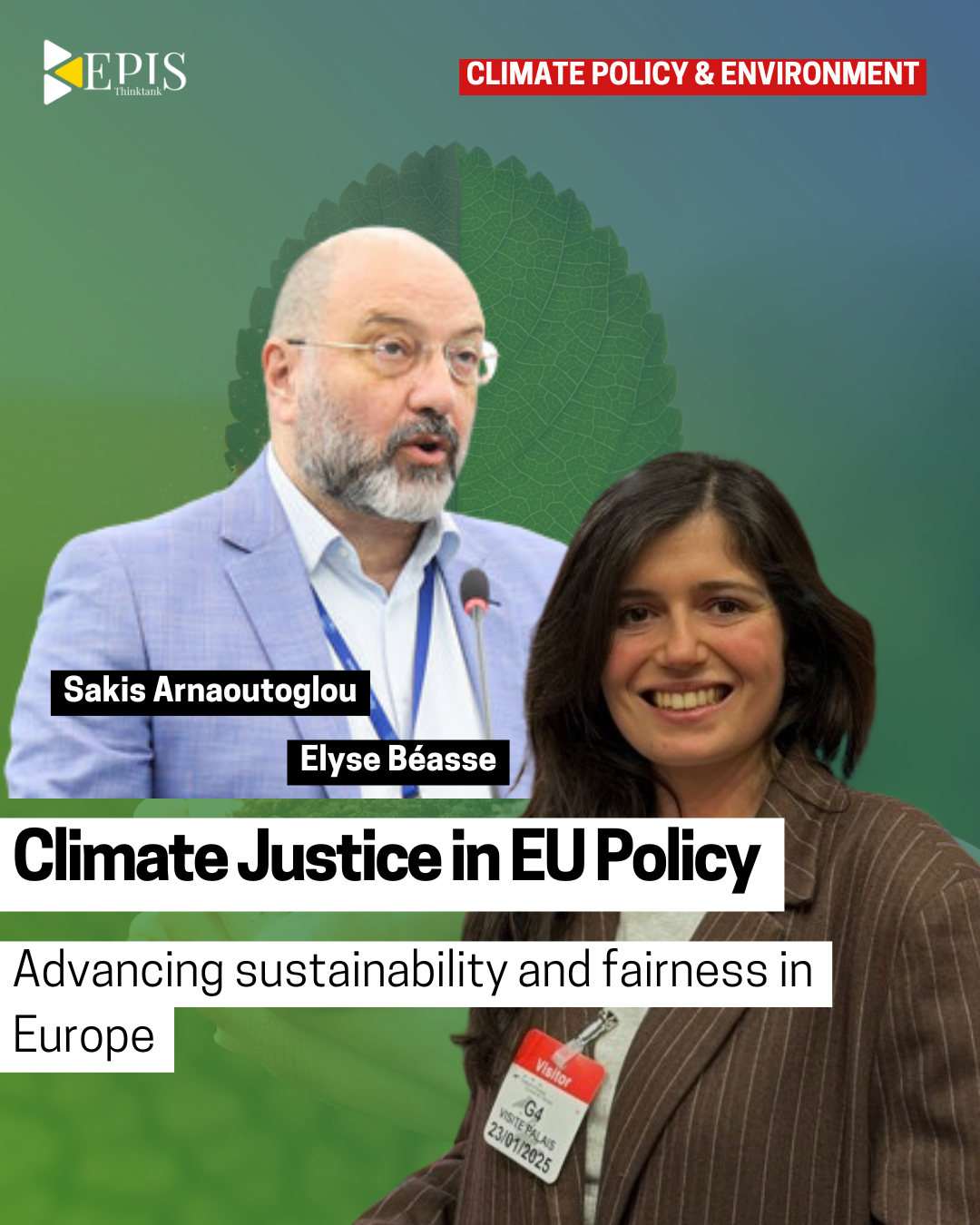
Climate Justice in EU Policy
How can the EU achieve climate goals while ensuring social equity? Climate action must be both environmentally ambitious and socially just. Stronger cooperation, fair funding, and marine protection are essential pillars.