Tag: Climate Protection
-
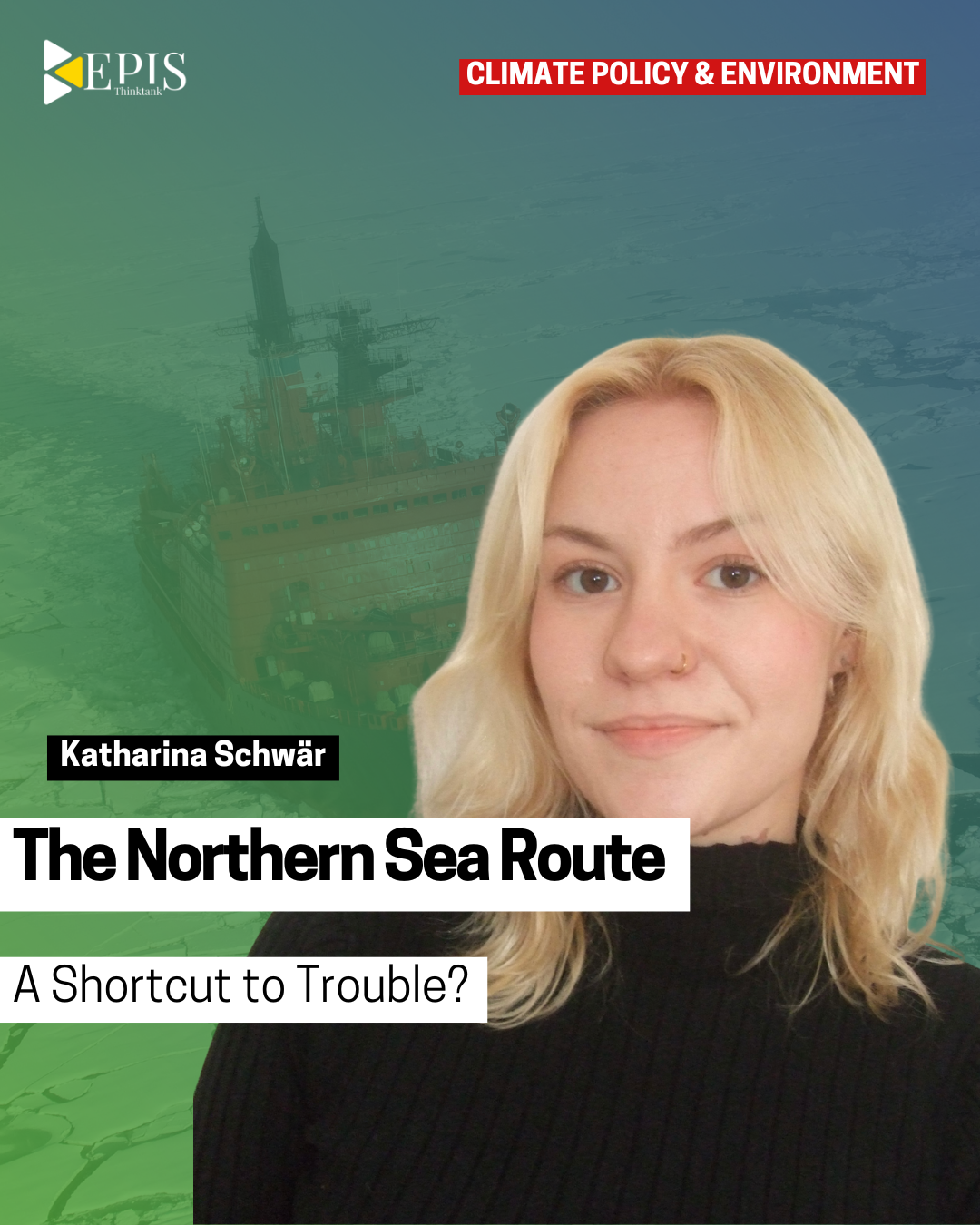
The Northern Sea Route
Is the Northern Sea Route a strategic asset or a climate risk? While the NSR offers economic and geopolitical benefits to Russia and China, it is driven by environmental degradation, undermines multilateral governance, and reinforces fossil fuel reliance. The NSR is not a neutral development—it risks deepening global divisions and worsening the climate crisis.
-
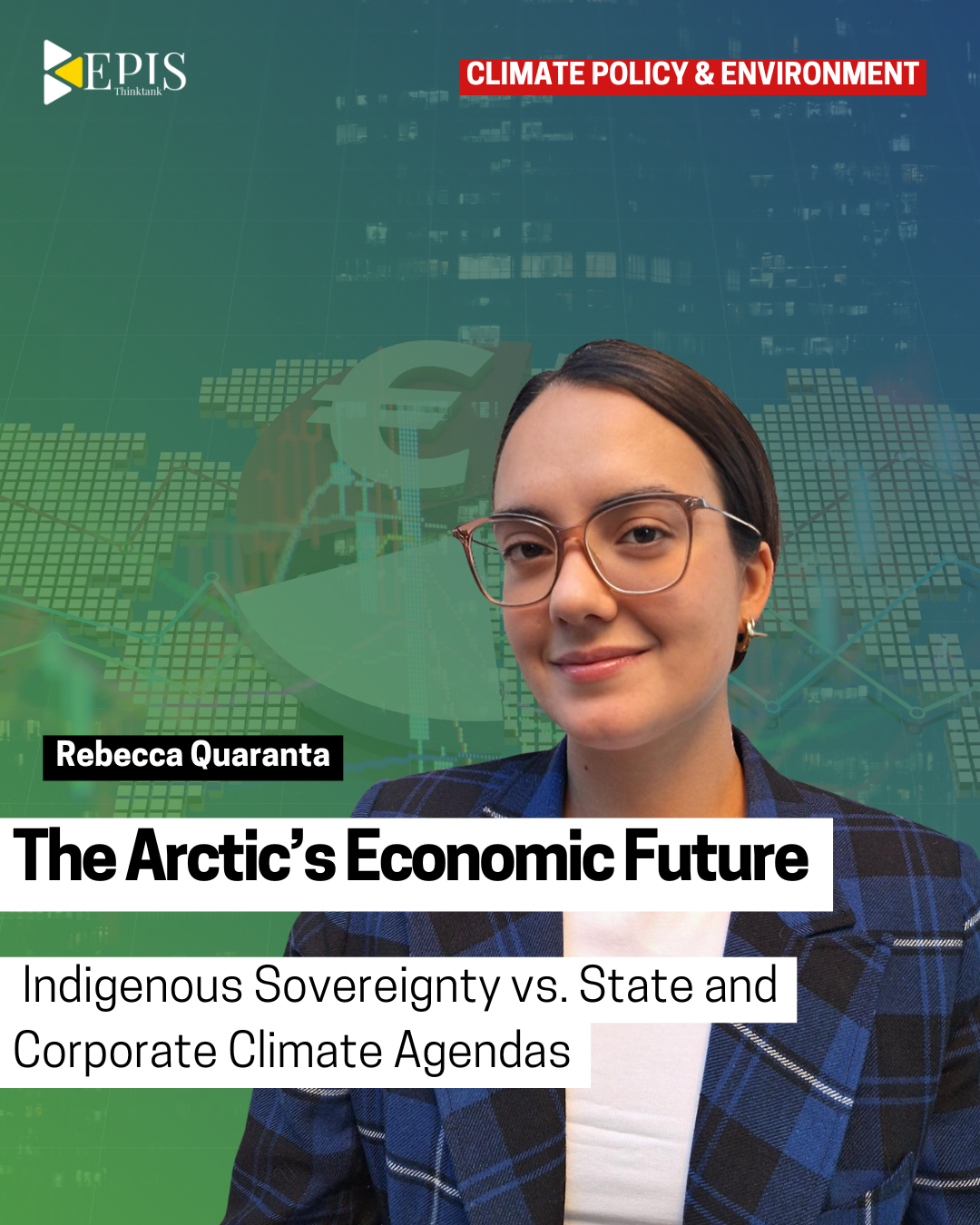
The Arctic’s Economic Future
Can the Arctic become a new economic frontier without sacrificing Indigenous rights and ecosystems? While economic interest in a thawing Arctic grows, Indigenous sovereignty and environmental stability remain under threat. Sustainable development in the Arctic must center Indigenous voices and protect fragile ecosystems from extractive ambitions.
-
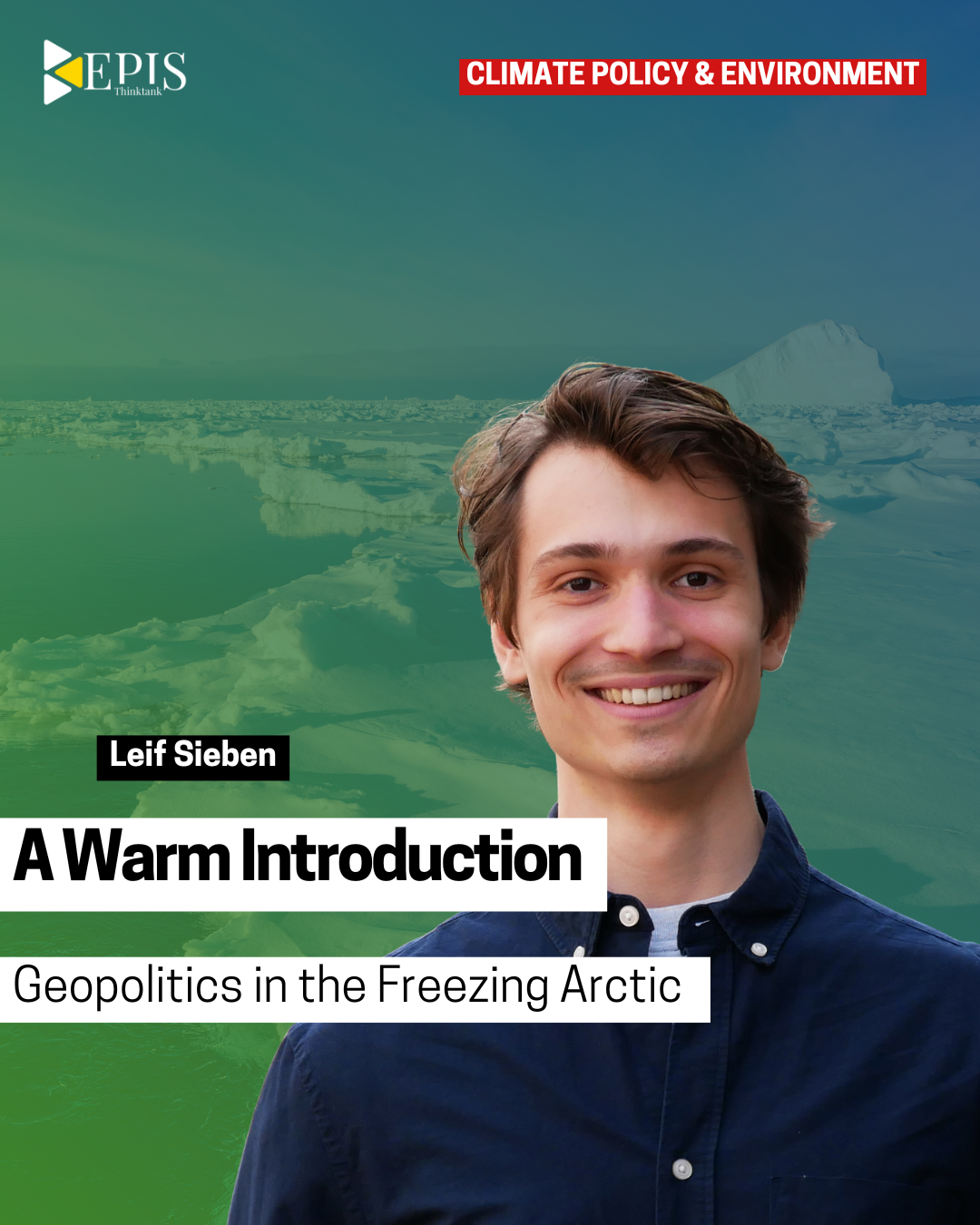
A Warm Introduction
How is a thawing Arctic reshaping global geopolitics? Climate change is unlocking new strategic and economic opportunities in the Arctic, intensifying great power competition among NATO, Russia, and China. Without stronger international cooperation, the Arctic risks becoming a militarized zone of rivalry rather than peaceful development.
-
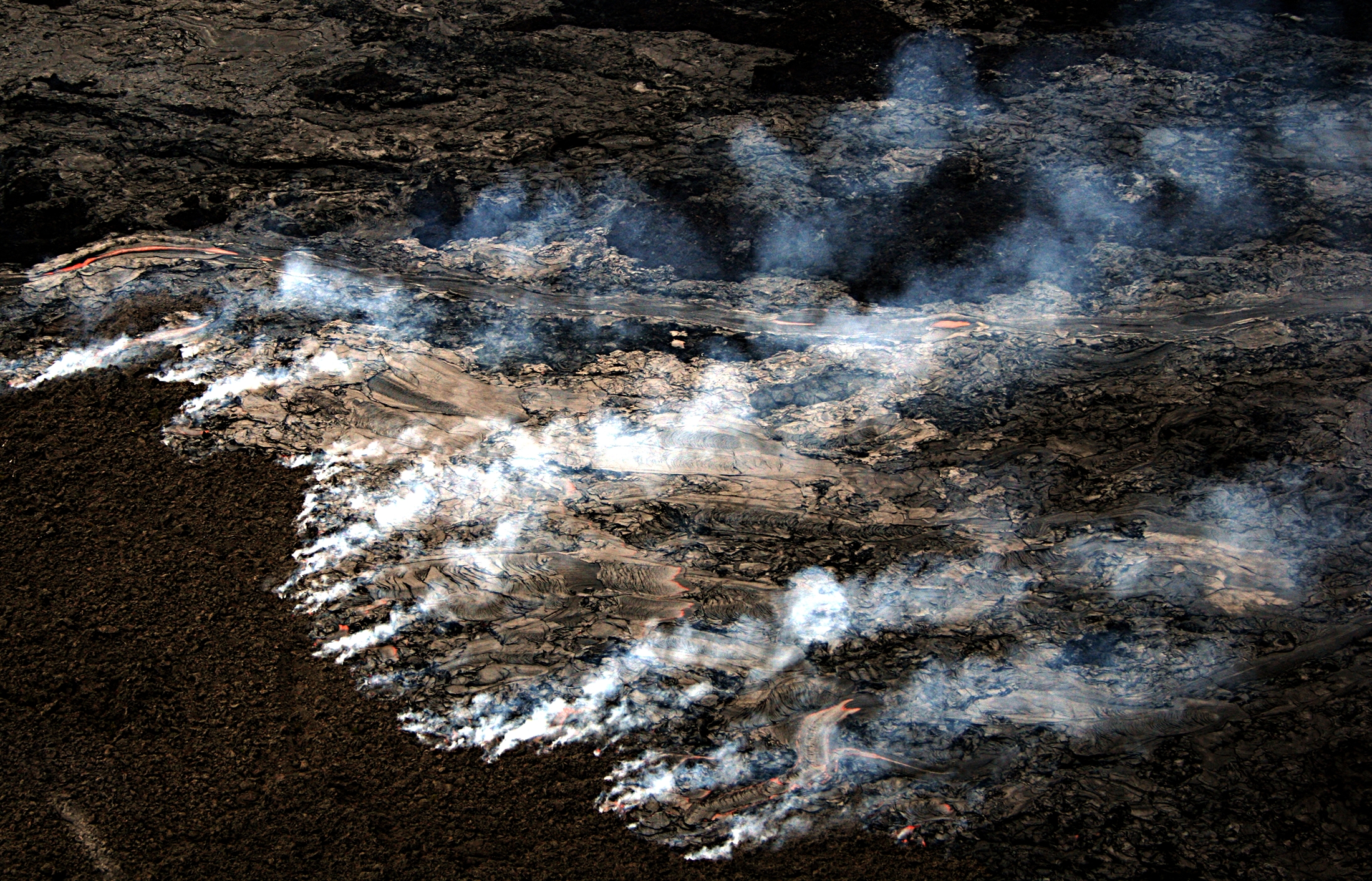
Climate Change and Global Power Shifts
The report outlines current climate challenges and the geopolitical consequences of environmental change. It highlights disparities in responsibility and vulnerability between the Global North and South. Finally, it explores new policy frameworks and technologies that offer scalable solutions for a more sustainable future.
-
Green Theory in International Relations
Green Theory in International Relations (IR) examines the intersection of environmental issues and global politics, emphasizing sustainability, ecological justice, and the impact of climate change on security. It challenges traditional state-centric security frameworks by highlighting environmental degradation as a key driver of conflict and instability. Green Theory continues to evolve, advocating for systemic change and…
-
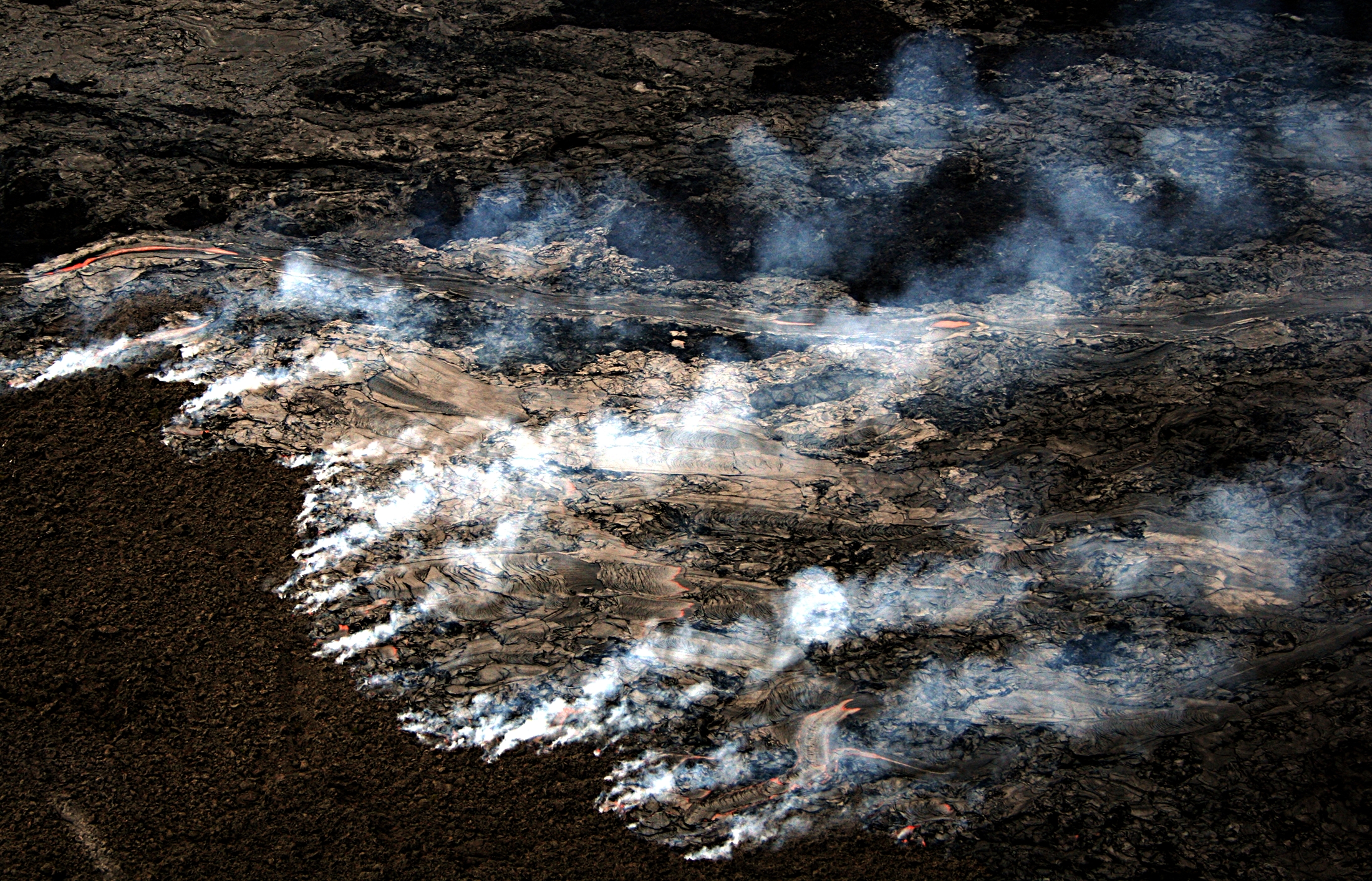
Conclusion: EPIS Report on Climate Policy & Environment
Natural disasters act as both disruptors and catalysts for cooperation, particularly in regions with political tensions or fragile economies. They highlight the importance of conflict management, regional cooperation (like ASEAN), and strengthening global supply chains. Disaster diplomacy and social networks offer opportunities for trust-building and cooperation, but their effectiveness depends on existing relationships and must…
-
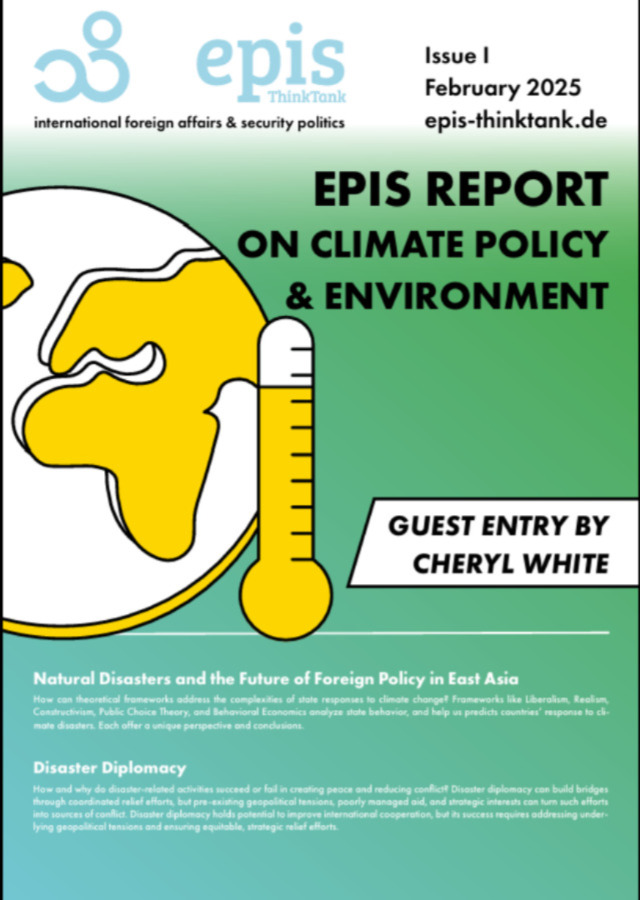
EPIS Report on Climate Policy & Environment Issue I
Theodor Himmel Timeframe: 01/01/1930 – 01/01/2025 Taiwan (Republic of China) · Climate Protection · Issue I Definition NatCat: These events strike mostly without warning, their impact rippling through communities, shattering lives, infrastructure, and ecosystems. NatCats aren’t just geological and climatological formations; they are catalysts for change, influencing everything from global security to politics and diplomacy.…
-
Climate COP Heading Towards Challenged Cooperation
In light of the credibility problem of #COP29 in Azerbaijan, our fellow Vincent Sipeer examines whether a new legitimacy crisis under the UN Framework Convention on Climate Change is starting to develop. Faced with strained cooperation, low recognition and calls for more inclusive instruments, revitalising global collaboration is key to preventing COPs from losing legitimacy.
-
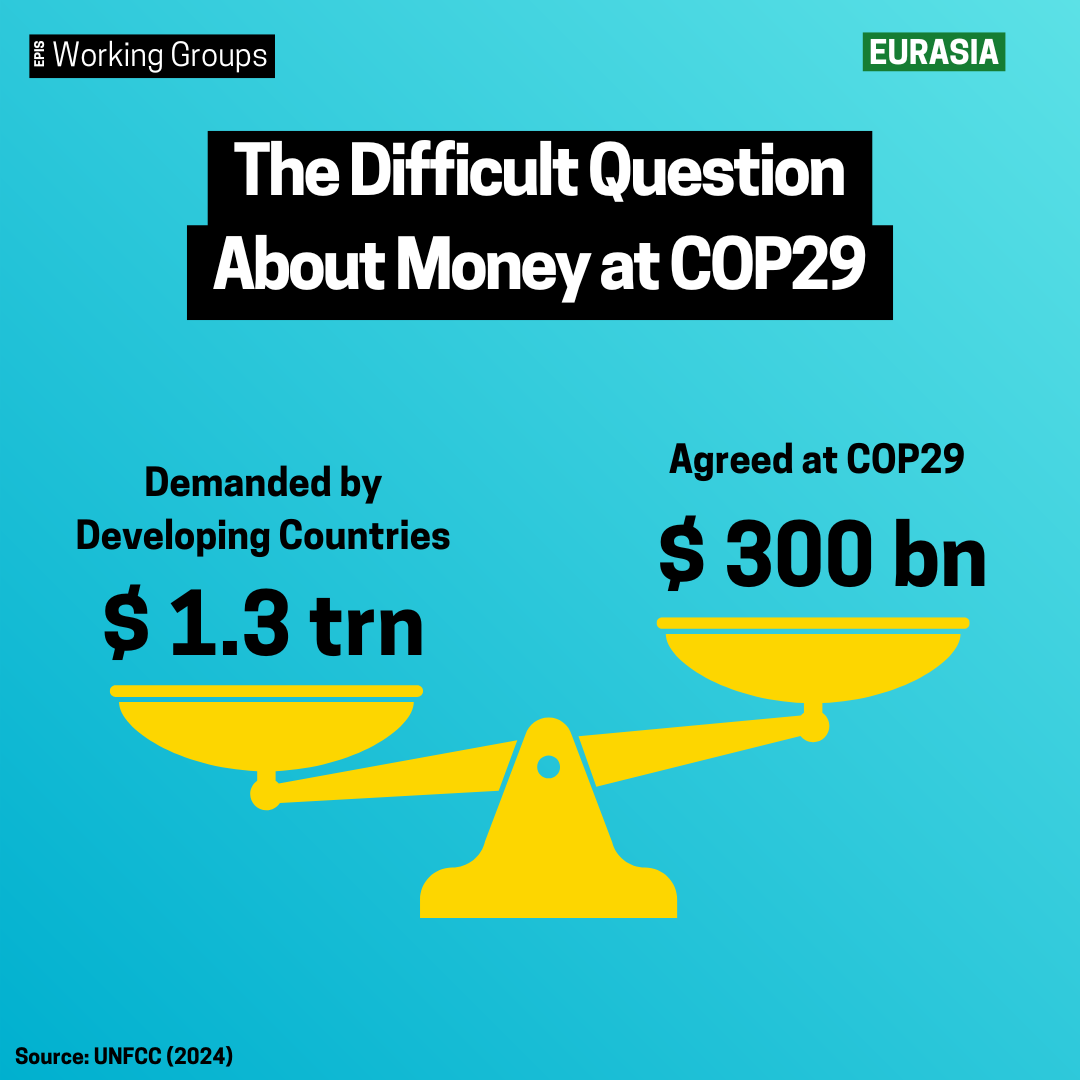
The Difficult Question About Money at COP29
1. What is the current state of international climate negotiations? 2. The increasing tensions between western states and other actors, such as Russia, China and the Oil States, make climate negotations more and more difficult. It becomes more and more unlikely that states will be able to agree on substantial future achievements at COP negotiations.
-
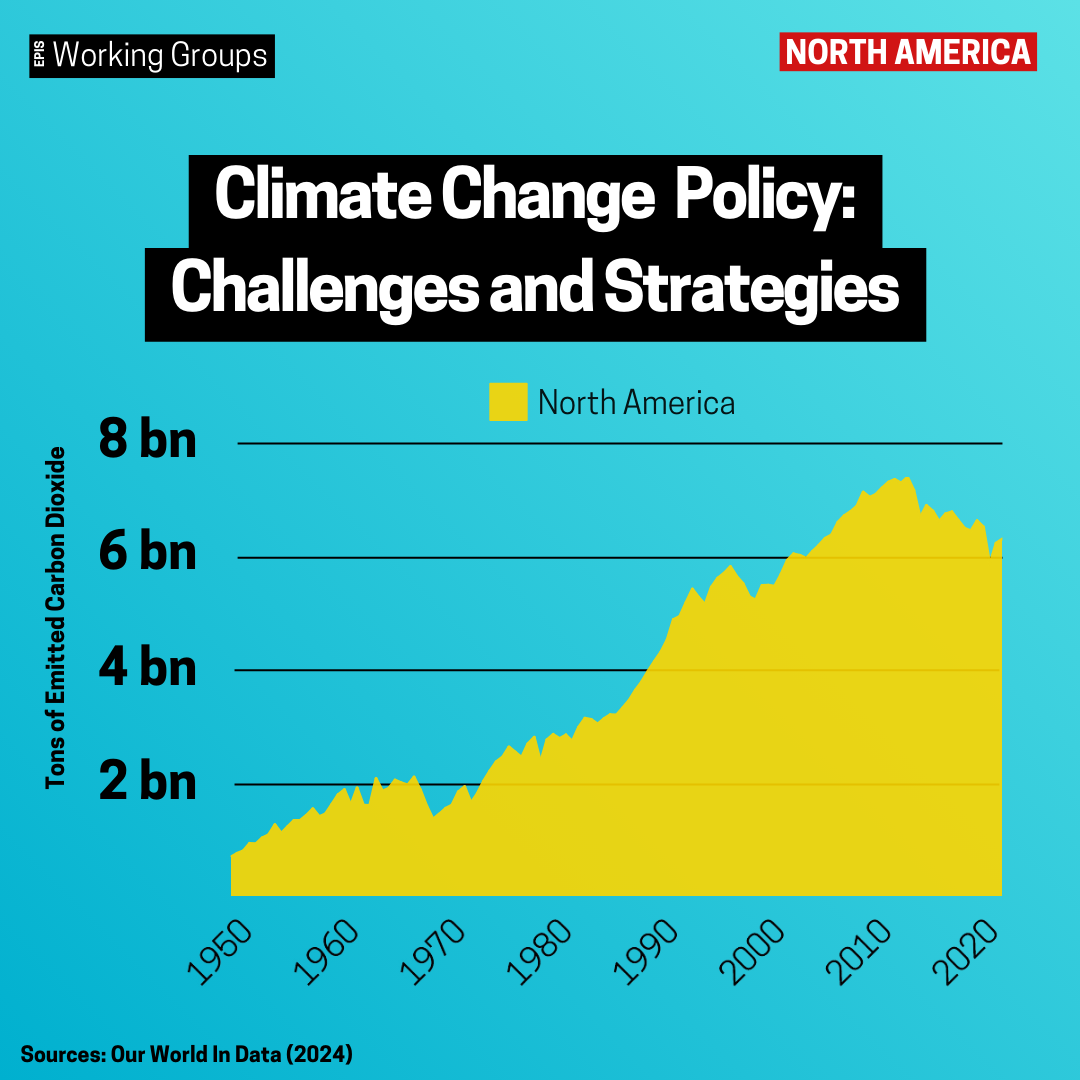
Climate Change and Energy Policy in North America
North America faces climate challenges but aims for net-zero emissions via diverse strategies in the U.S., Canada, and Mexico.