Tag: Conflict Prevention
-
Realism
Realism is one of the dominant theories in international relations and it emphasises national interest as well as the role of power. It is based on the idea that the world order is anarchic, meaning there is no central authority. In this anarchy, the supreme goal of the state is to survive, so states prioritise…
-
Neorealism
Neorealism, also known as structural realism, argues that the structure of the international system impacts state behavior. Neorealism contends that the anarchic nature of the international system, where there is no central authority, drives states to prioritise their own security and survival. Unlike classical realism, neorealism puts more emphasis more on systemic factors and downplays…
-
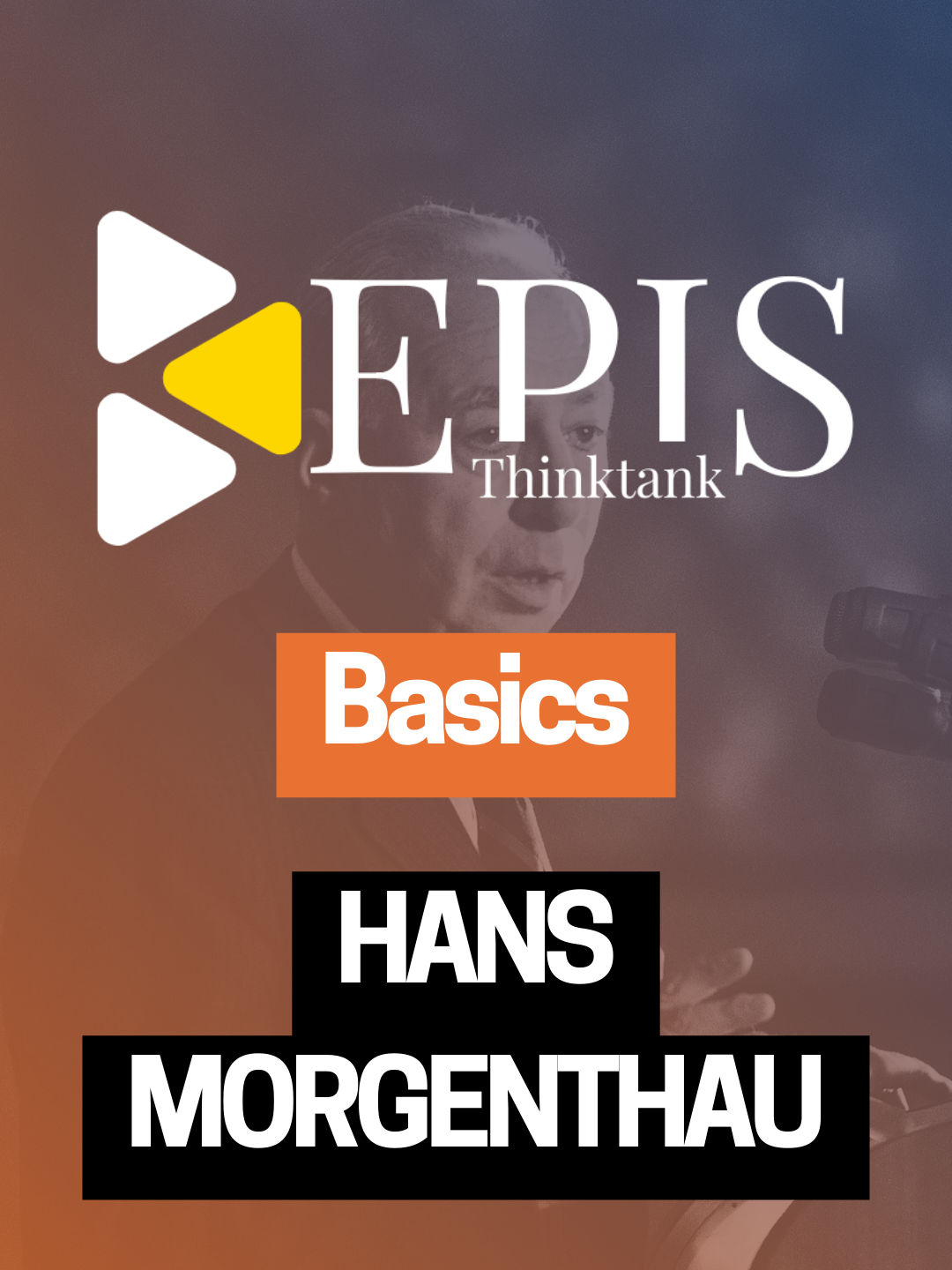
Hans Morgenthau
Hans Morgenthau was a prominent 20th-century political theorist. His work, particularly the book “Politics Among Nations,” laid the foundation for realism in international relations theory. Morgenthau emphasized the importance of power, national interests, and state behavior in global politics. He contended that states pursued their interests in a competitive world, and his ideas continue to…
-
Geopolitics
Contrary to popular belief, geopolitics is not a synonym for foreign policy. Geopolitics comes in two strands. First, critical geopolitics scrutinises how rulers portray geographical space to mobilise support and achieve ends. Second, classical geopolitics investigates how geography and technology interact and influence international relations. The interaction between technology and geography distinguishes classical geopolitics from…
-

Balance of Power Theory
The Balance of Power Theory suggests that states seek to prevent any single state or coalition from dominating the international system. This behavior is derived from the threat of each states’ survival. If one state gains significant power, it will take advantage of its less powerful neighbors. The theory contends that states will naturally form…
-
Social Constructivism
Constructivism focuses on the role of ideas, norms, and identities in shaping global politics. It contends that international outcomes are influenced by not only material factors but also non-material factors such as socially constructed perceptions and conventions. Constructivism highlights the importance of shared beliefs, cultural practices, and historical contexts in shaping state behavior. It argues…