Tag: Conflict Prevention
-
Game Theory
Game Theory is a framework for analysing strategic interactions between states where outcomes depend on the choices of all actors involved. States aim to maximize their own gains while considering the potential actions of other states. This approach helps understand how states might cooperate, compete, or engage in conflict, based on their assumptions of each…
-
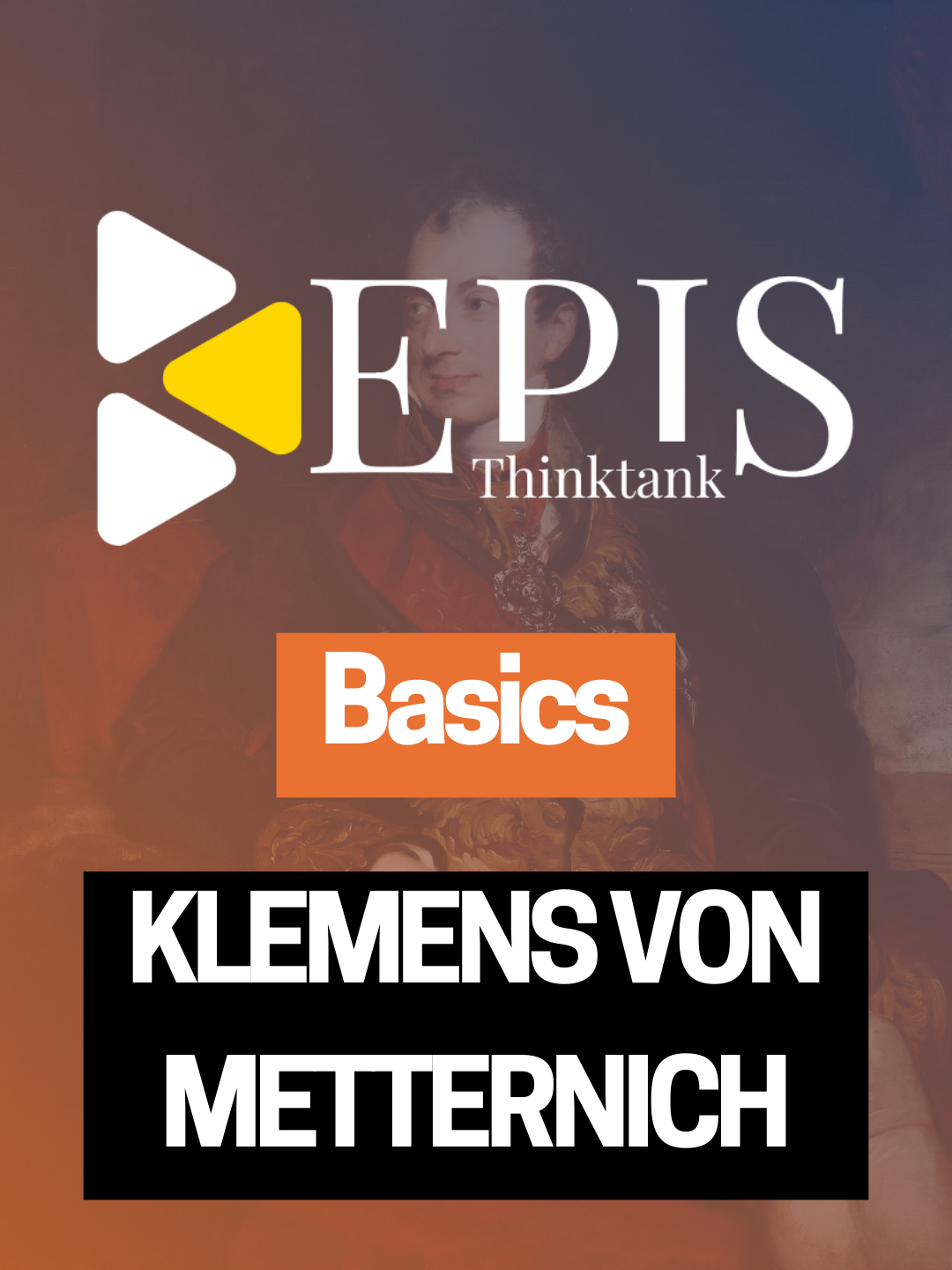
Klemens von Metternich
Klemens von Metternich was an Austrian foreign minister and chancellor. After the Napoleonic Wars, Metternich oversaw the Congress of Vienna. and created the Concert of Europe. The Concert of Vienna intended to preserve peace in Europe through a stable balance of power and restoring monarchies. The latter was intended to increase the legitimacy states granted…
-
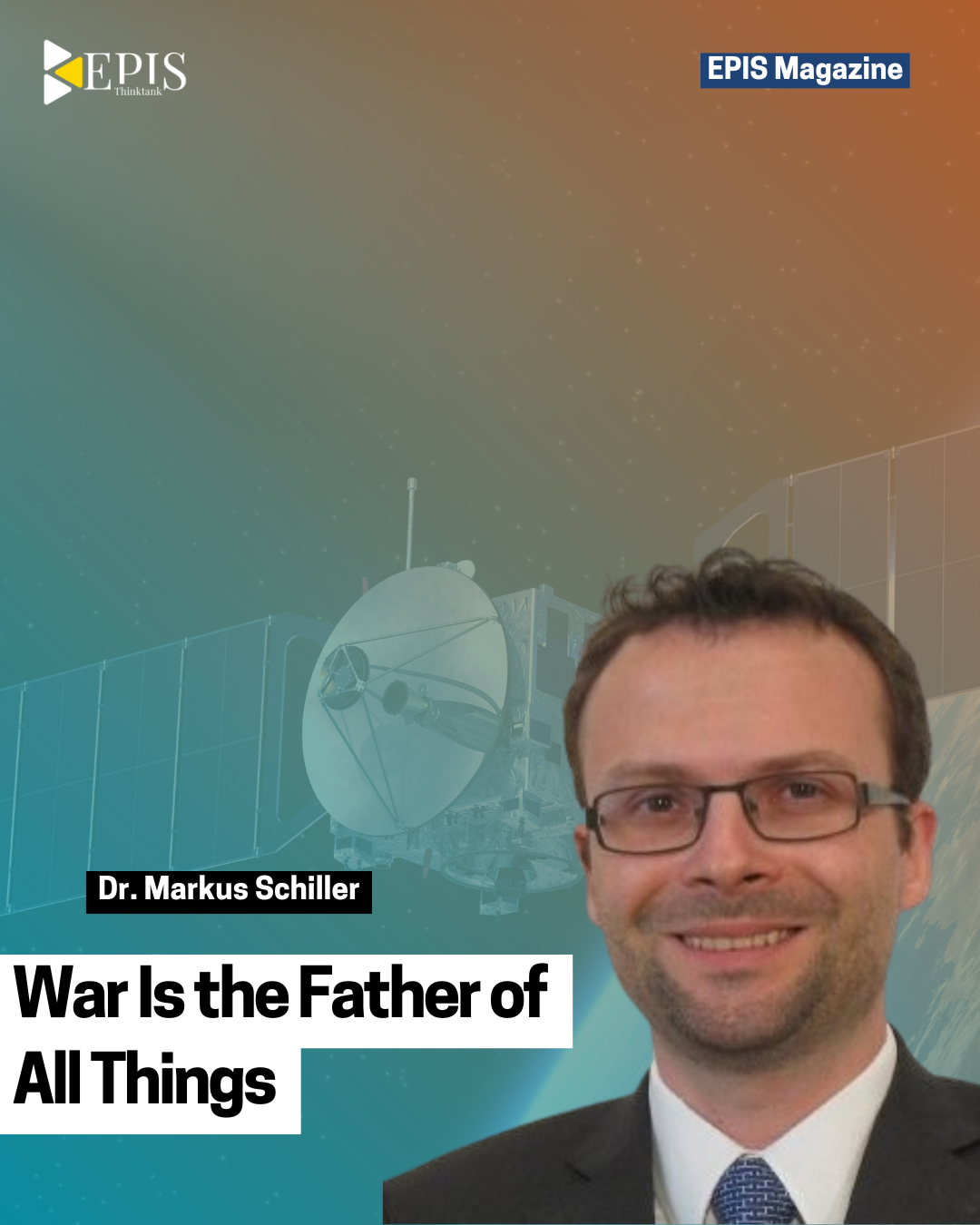
War Is the Father of All Things
Space exploration has always been driven by military interests. Markus Schiller examines how the arms race shaped spaceflight, from Cold War-era missile programs to modern satellite warfare. As China, Russia, and the U.S. expand military space capabilities, Europe lags behind. While commercial actors like SpaceX may reshape the landscape, Schiller argues that security concerns remain…
-

Power Transition Theory
The Power Transition Theory suggests that the international system is stable when power is concentrated with one dominant power that maintains the status quo, and that the probability of war increases when power is evenly distributed among rising powers. This theory particularly emphasises the potential for war during a transitional phase, as the established power…
-
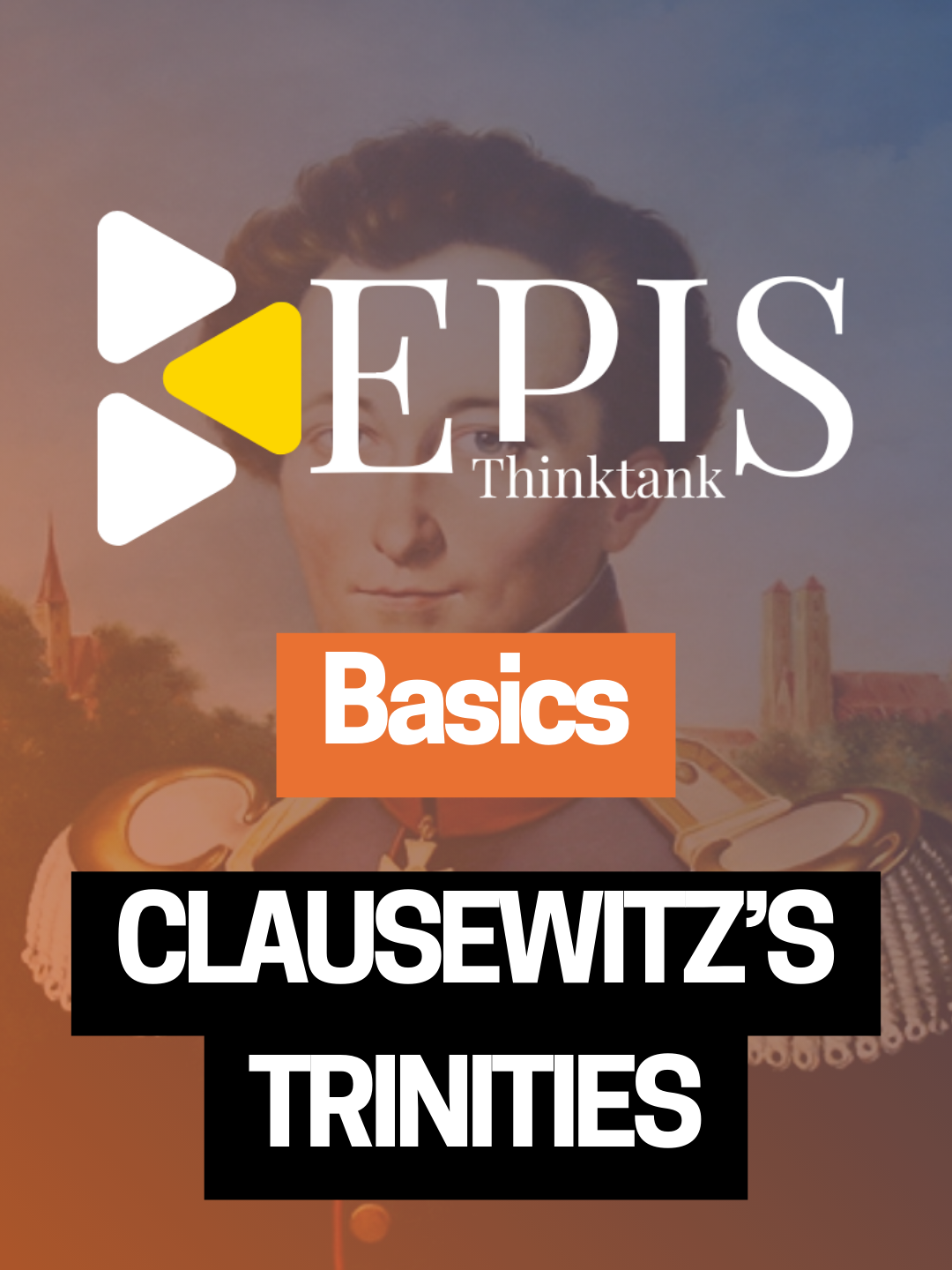
Clausewitz’s Trinities
The Prussian general and military strategist Carl von Clausewitz described war as a trinity of passion, chance, and reason. Passion resembles intrinsic hatred and is often associated with the population. Reason is likely attributed to the government. Clausewitz affiliated chance with the military.
-

Centre of Gravity
Besides his famous trinities describing the nature of war, Clausewitz introduced the concept of the “centre of gravity.” Initially referring to the point where the enemy’s forces were concentrated, Clausewitz later revised the concept. In its later iteration, “centre of gravity” refers to the source of the enemy’s power, that being its population and morale.
-
English School Theory
The English School Theory of International Relations aims to reconcile Realism and Idealism, emphasizing power and sovereignty alongside norms and institutions’ impact on global outcomes. It highlights the evolution of an international society based on common values, rules, and shared interests, fostering cooperation while acknowledging the enduring significance of state power.
-
Democratic Peace Theory
The Democratic Peace Theory argues that democracies are reluctant to engage in armed conflict with other democracies. This theory proposes that shared democratic norms lead to higher level of peaceful relations among democratic countries. It is based on the notion that democracies are accountable to their citizens, and citizens generally prefer peace over conflicts. However,…
-
Organizational Behavior Model
According to the organisational behaviour model, states’ behaviour is not utility-maximizing. Instead, state action resembles the organisational output of government agencies. Organisations operate according to standard operating procedures, which can increase efficiency. However, standardisation also means procedures cannot be tailored to specific circumstances and could be outdated. Subsequently, government agencies might act in ways contradicting…
-
Napoleon Bonaparte
Napoleon became First Consul of France in 1796 and Emperor of France in 1804. Napoleon’s subdual of most of Continental Europe saw the rise of nationalism and the spread of the ideals of the French Revolution. Napoleon’s Grand Armée was severely weakened by his failed invasion of Russia in 1812 and suffered defeat at the…