Tag: Conflict Prevention
-
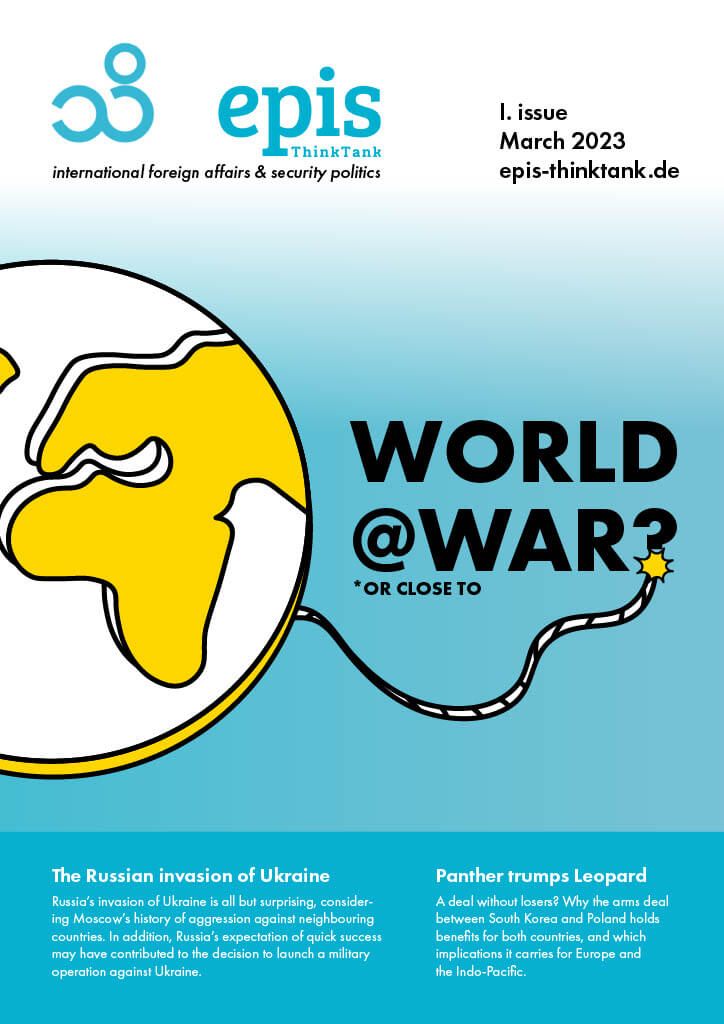
Editorial EPIS Magazine Issue I
Everyone is asking the question – is the world at war or close to it? In six articles, the magazine looks at different facets of political conflicts. In doing so, the authors try to analyse the question and answer it by applying it to various examples around the whole globe.
-
EPIS Magazine Issue I
Everyone is asking the question – is the world at war or close to it? In six articles, the magazine looks at different facets of political conflicts. In doing so, the authors try to analyse the question and answer it by applying it to various examples around the whole globe.
-

Herodotus
Born in 484 BCE, Herodotus wrote the “Histories,” an account of the Greco-Persian wars. Using reason (gnome), Herodotus sought to combine eyewitness accounts (akoe), hearsay (opsis), and tradition (prolegomena) of both belligerents. Thus, Herodotus’ quest to identify the causes behind events departed from conventional explanations, attributing events to acts of God. This method of inquiry…
-
Rational Actor Model
The rational actor model assumes states assess policy options based on their predicted payoff. The policy with the highest payoff concerning an overarching goal is chosen. Specifically, comprehensive rationality assumes states are fully informed of payoffs. In contrast, bounded rationality believes states may not be fully informed of payoffs and may be influenced by historical…
-
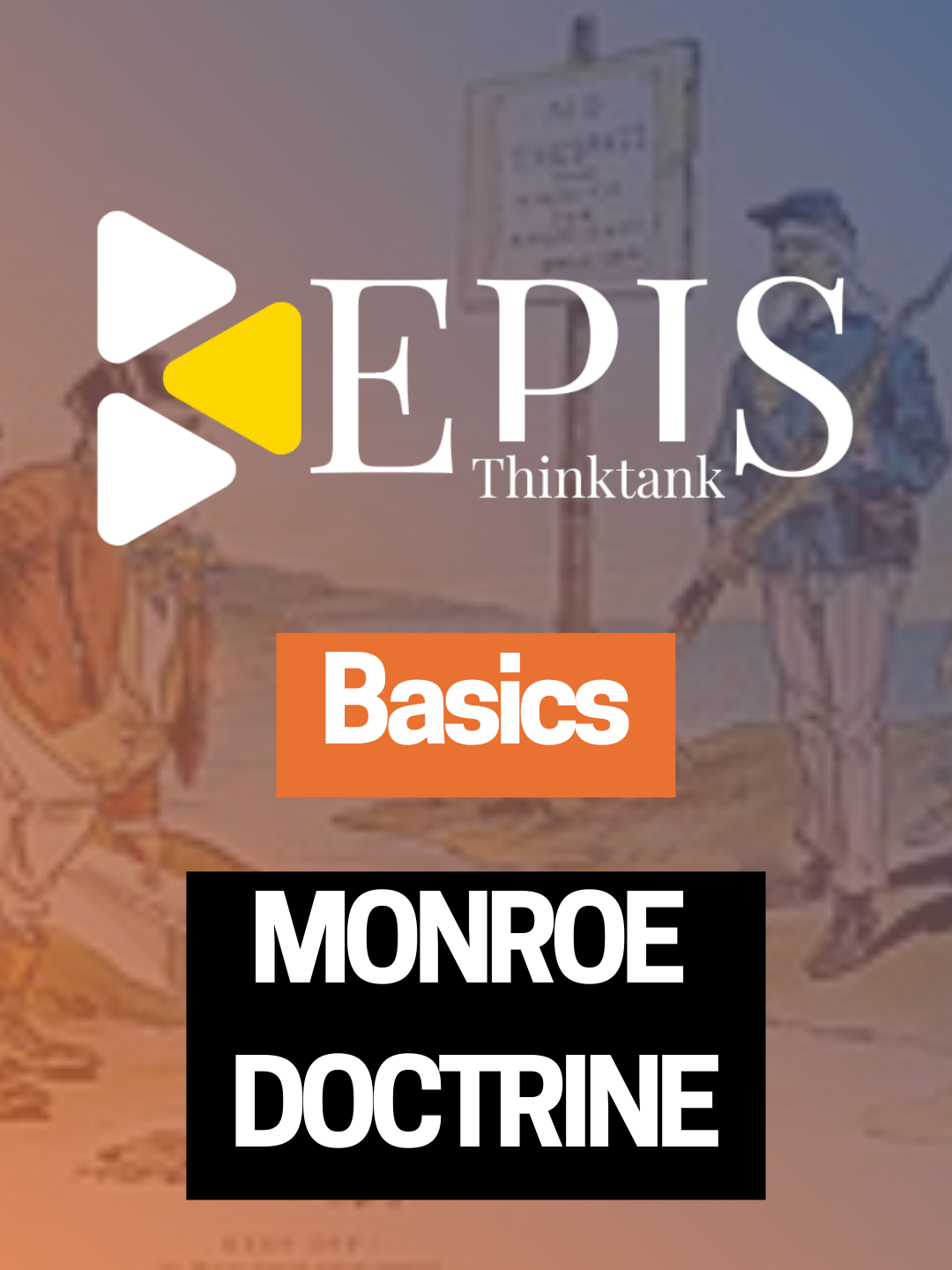
Monroe Doctrine
In 1823, during a speech to the US Congress, President Monroe articulated his vision of the world being divided into the Old World and the New World. The Americas constituted the new world, within which the US would not tolerate any expansion of European colonial activities. In return, the US would not intervene in European…
-
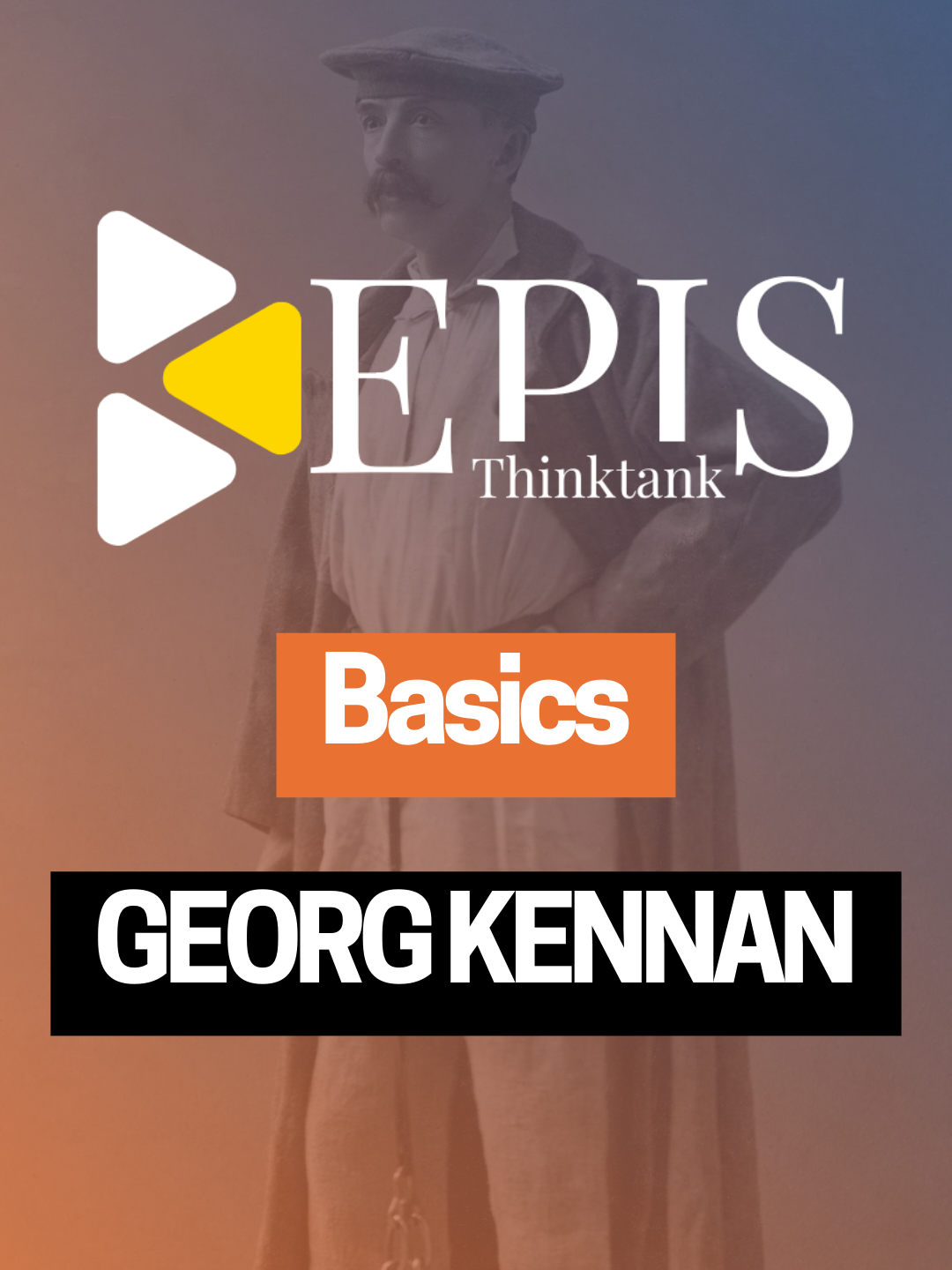
George Kennan
In 1946, writing from Moscow, Kennan sent the “long telegram” to Washington, D.C. The telegram interpreted the Soviet Union’s foreign policy as expansionist and rooted in a traditional Russian sense of insecurity and the need to oppress its population. The long telegram influenced the belief that the Soviet Union’s foreign policy was not driven by…
-

Cardinal Richelieu
During the 30 Years War, Catholic France pursued alliances with the Protestant Dutch Republic and Sweden. Richelieu, himself a Catholic cardinal, arranged these alliances to balance against the Habsburg Empire. In doing so, Richelieu championed “raison d’etat”, detaching the state from religious ideologies and providing it with its own interests. In strengthening the “raison d’etat”,…
-
Congress of Vienna
After the Napoleonic Wars, European powers convened at the Congress of Vienna to reorder Europe. Lasting from 1814 to 1815, the Congress was renowned for its lavish banquets, balls, and intricate negotiations. The Congress sought to reestablish monarchies to increase the legitimacy between states and limit the scope of future conflicts. Moreover, a stable balance…
-
League of Nations
The covenant of the League of Nations was part of the 1919 Treaty of Versailles. Headquartered in Geneva, Switzerland, the organisation was the first to be dedicated to preventing wars and solving disputes peacefully. However, the US Congress refused to ratify the US entry into the League of Nations, weakening the institution. The League of…
-
Frederick the Great
As Prussian King, Frederick the Great waged wars against Habsburg, France, and Russia, establishing Prussia as a major European power. Besides military accomplishments, Frederick the Great is often regarded as a representative of enlightened absolutism. Although concentrating power, Frederick believed the ruler ought to rule for the benefit of the people. Following this narrative, Frederick…