Tag: Cyber Defence & Hybrid Warfare
-

When AI becomes the attacker
What are the implications of autonomous AI-driven cyberattacks for organizational security, and are current cyber-defence tools able to adequately counter these threats?” This article answers this question by diving into the problem on a technical and geopolitical level, and concludes with policy solutions.
-
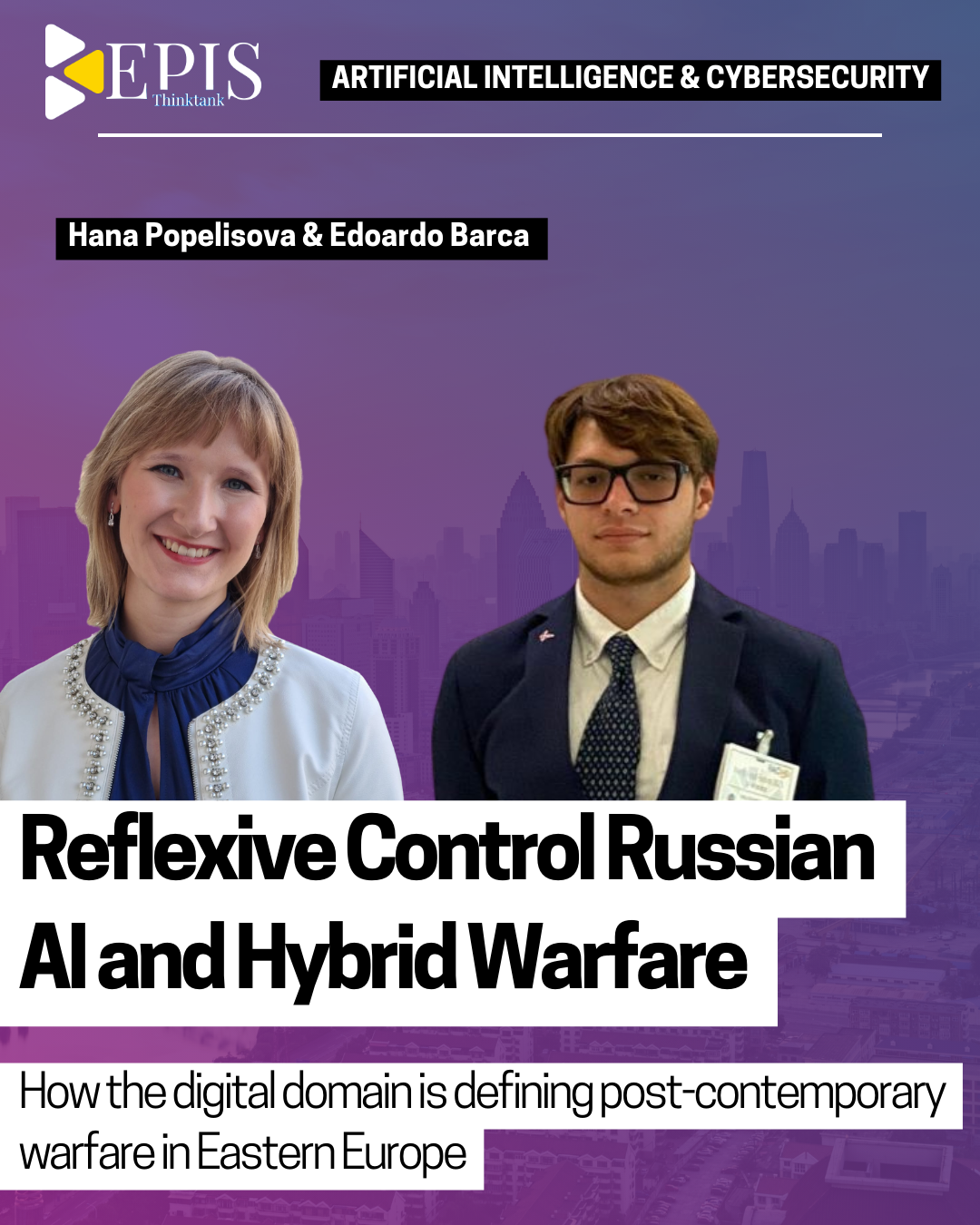
Reflexive Control: Russian AI and Hybrid Warfare
How does Russia leverage AI and the digital domain to destabilise Eastern Europe’s security architecture? Moscow utilises an automated ecosystem of generative AI, cyber-kinetic attacks, and domestic proxies to exploit societal fractures, inducing strategic paralysis in “in-between” states. To counter this, nations must move beyond technical fixes toward context-specific reforms that protect electoral integrity and…
-
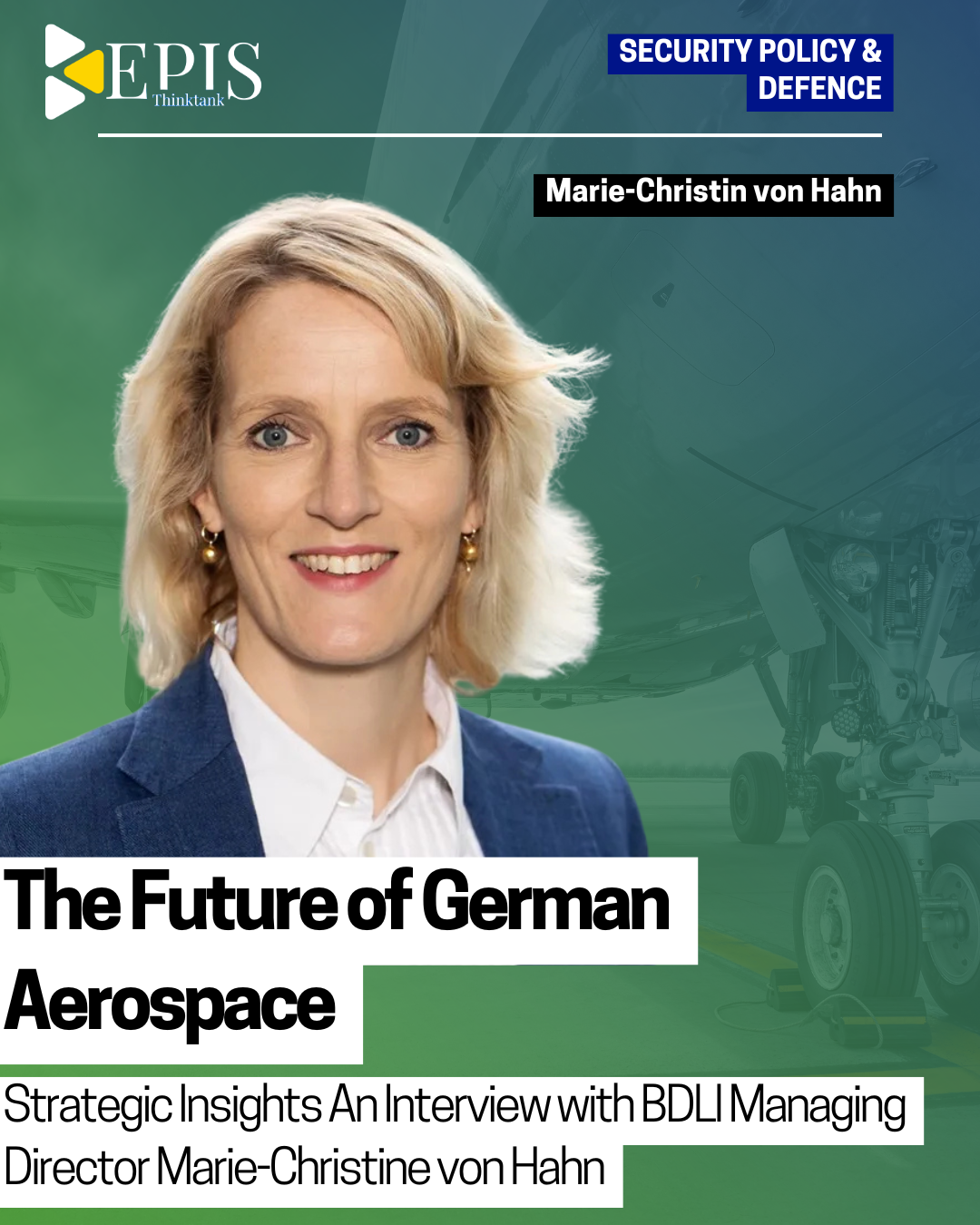
The Future of German Aerospace
Role and Impact: As BDLI’s Managing Director, she represents 260+ companies in the German aerospace sector, which employs 115,000 people and generates €46 billion annually. Strategic Pillars: BDLI focuses on civil aviation, military aviation, and space, driving innovation in climate-neutral tech and defense. Future Growth: The industry faces high demand due to defense backlogs and…
-
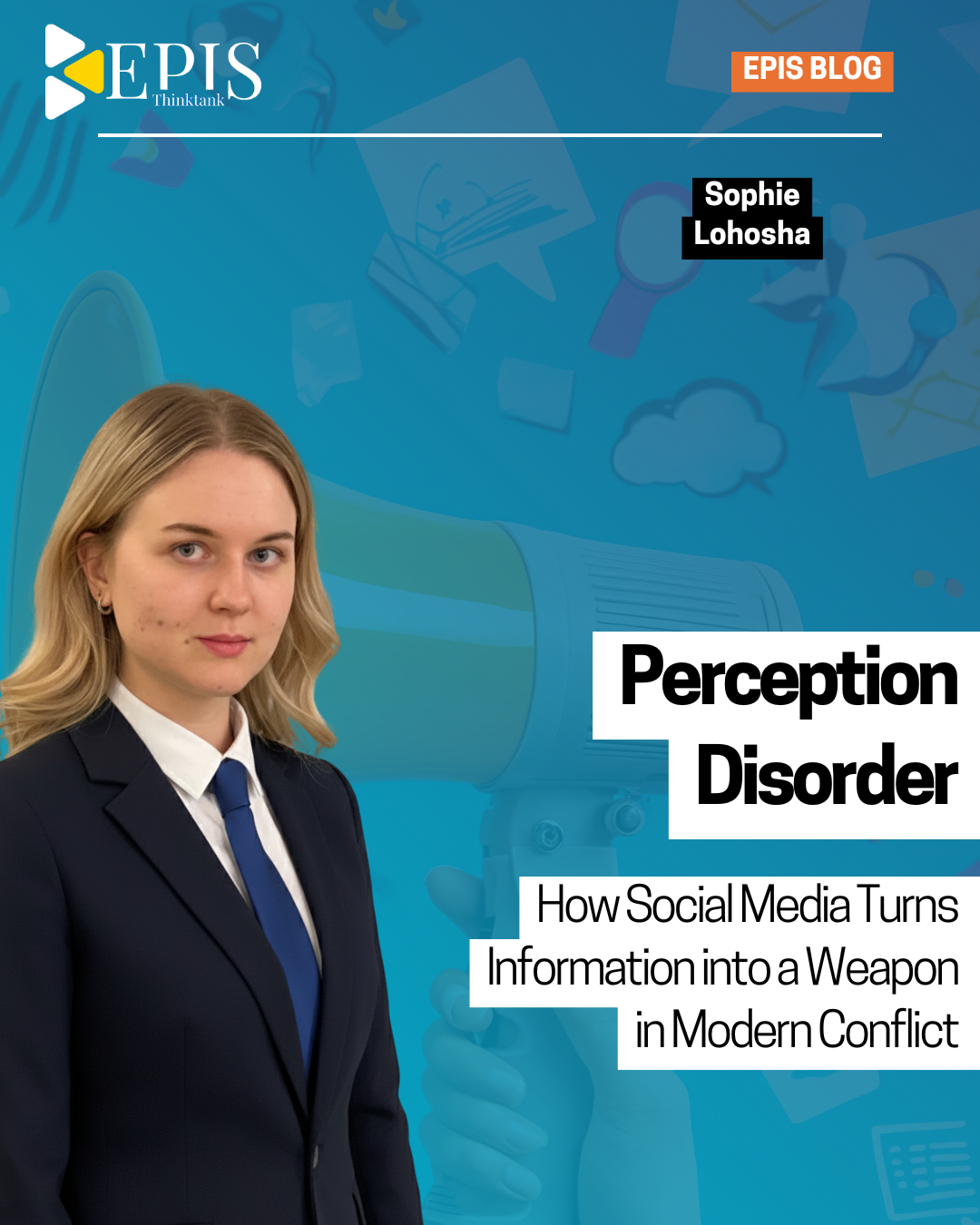
Perception Disorder
How strategically used information on social media platforms shapes public perception during contemporary conflicts? Both false and factually correct content can be deployed to manipulate audiences, reinforce binary narratives, and heighten polarization. Information whether false or factually correct, can be used strategically on social media platforms to distort perception of users about global events.
-
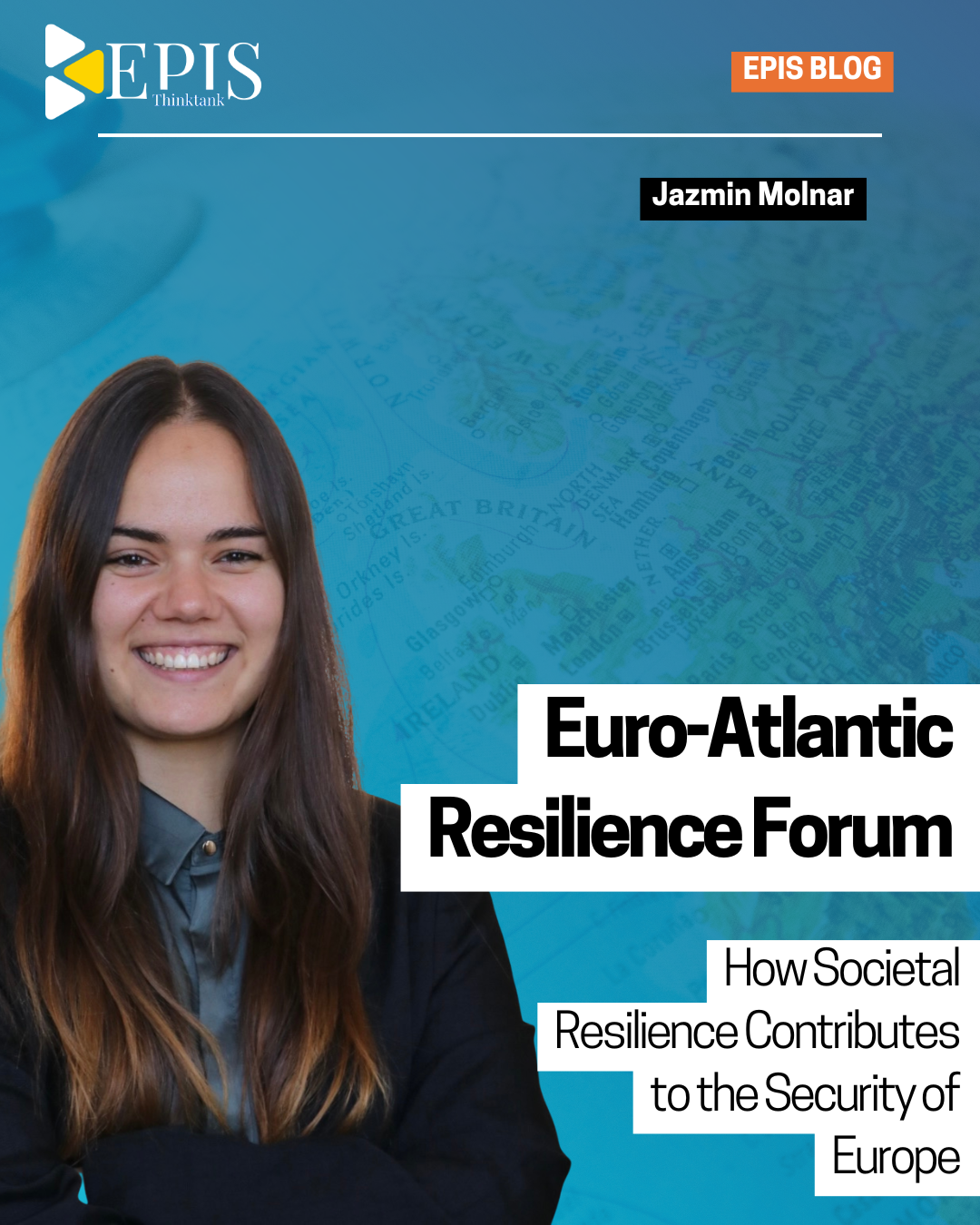
Euro-Atlantic Resilience Forum
1. How does societal resilience contribute to European security in the context of hybrid threats and modern warfare? 2. Effective security requires a whole society approach, combining civilian resilience, technological preparedness, resistance to disinformation, and military capability. 3. The forum demonstrated that societal resilience is a core strategic asset, as Europe cannot be secure without…
-

Privatizing war
Main question: How have international legal norms adapted to the rise of private military and security companies (PMSCs), and with what consequences for accountability? Argument: States have responded to PMSCs primarily through soft-law mechanisms that normalise private force while avoiding binding legal responsibility. Conclusion: This shift enhances legitimacy and flexibility in security governance but entrenches…
-

Cybersecurity of the Seabed
How vulnerable are Europe’s submarine cables to hybrid threats, and what does this mean for maritime cybersecurity? The analysis shows that physical exposure, digital weaknesses and governance gaps make cables key targets for state-linked actors. Protecting them requires stronger monitoring, shared EU-NATO coordination and higher cybersecurity standards.