Tag: Cyber Defence & Hybrid Warfare
-
Cognitive Power Without Projection
Russia maintains significant influence in Eurasia mainly through informational and cognitive warfare rather than direct military power. It uses media networks, reflexive control, shared Soviet history, and anti-West narratives in post-Soviet states to shape perceptions and political decisions. Russia adjusts by giving media engagement and information influence top priority to maintain regional hegemony, despite challenges…
-
Dual-use GovTech and Civilian Protection
Dual-use GovTech turns citizens into “security sensors”: civilians supplying security-relevant data. While they can boost resilience and improvement, they may also raise DPH and cyber-reprisal risk.
-

From Moscow to Caracas
In an era of rapidly developing social media, cyber threats such as manipulation, fake news, and disinformation are also expanding as elements of planned psychological and information campaigns—tools of hybrid warfare used to build influence and sustain autocratic power. The article describes cooperation in this area between a “teacher” and a “student”: namely, Russia, which…
-
The Attribution Problem at Sea
This brief examines whether the concept of the attribution problem can be applied to sabotage of critical underwater infrastructure (CUI) in the Baltic Sea. It argues that while technical attribution is often possible, political, legal, and discursive constraints limit clear attribution. Applying Rid and Buchanan’s (2015) Q-Model, it shows that ambiguity persists across all stages.
-
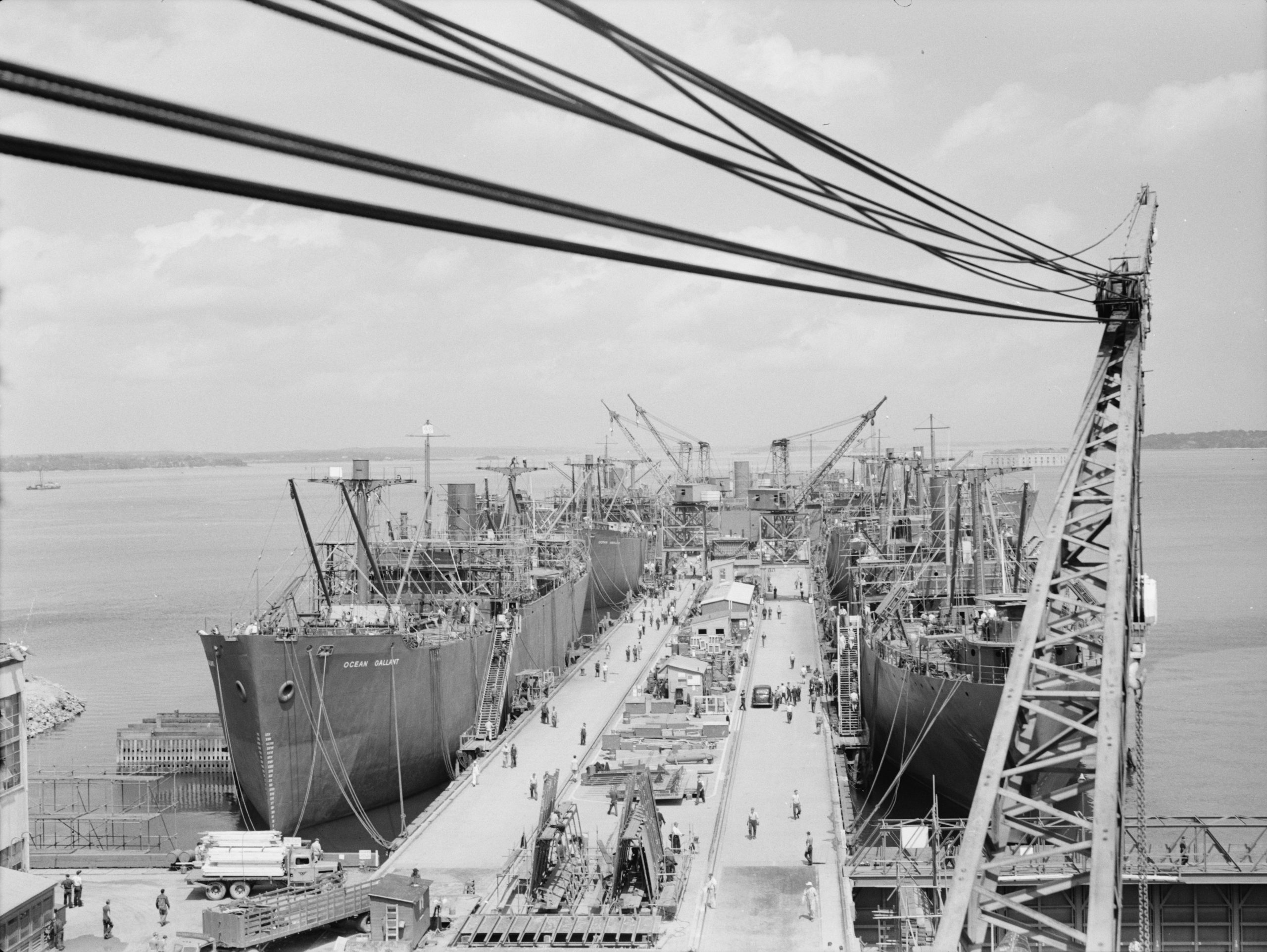
Regionalising Maritime Domain Awareness in SEA
– what are the challenges inhibiting a comprehensive MDA strategy in SEA? – On a technical and governance level, SEA states are uncoordinated – states should work towards building up information sharing capacity and trust rather than solely looking to external actors.
-

The Security Dilemma in post-Arab Spring Libya
How did the Arab Spring shape Libya’s long-term political fragmentation and insecurity? The 2011 uprising dismantled weak state institutions, triggering a security dilemma where militias and foreign actors filled the power vacuum, reinforcing division. Libya’s instability persists due to entrenched militia power and external interference, making unified governance and democratic transition unlikely without structural change.
-
From Drone Strategy 2.0 To a Trusted EU Drone
Can the EU move from a strong civilian drone framework to achieving air sovereignty through a more security- and defence-oriented drone strategy, and how should it do so without fragmentation? Major structural gaps remain, while increasing securitisation risks undermine innovation and market growth. Achieving true European air sovereignty will depend on closing capability gaps, reducing…
-
The Sovereignty Gap in Cloud-Based Warfare
This brief explores the relationship between state authorities and tech companies in the context of sovereignty in national defence. It argues that growing reliance on privately-leased AI infrastructure transforms the way sovereignty is exercised, it does not constitute a full transfer of power to corporate actors. The paper concludes that sovereignty today is less about…
-

Arctic Satellite Infrastructure
How does Arctic satellite infrastructure shape strategic, economic and security dynamics? Polar-orbiting satellites and Arctic ground stations create vital data access but also introduce dual-use risks and infrastructure bottlenecks. Expanding Arctic satellite infrastructure requires balancing resilience, security and sustainability through careful planning and governance.
-
Cyberattacks on EU Critical Infrastructure
Which EU critical infrastructure sectors face the greatest cyber risk, and which threat modalities are most active? The EU threat environment is bifurcated: high-volume DDoS/hacktivism pressures availability, while lower-volume intrusions cause high-consequence outcomes like ransomware and data theft. Public administration, transport, digital infrastructure, finance, energy, and health are most at risk due to dependency entanglement,…