Tag: Energy Policy
-

The Green Transition in the Western Balkans
The 2026 CBAM implementation confronts the Western Balkans with a fundamental paradox: coal-dependent economies face €1.2bn in annual costs yet lack carbon pricing systems. Can regulatory constraint catalyse modernisation? Three pathways emerge: national carbon pricing (€2.8bn revenue 2026-30), ETS integration with free allocations (€10-20bn), and renewable valorisation. Success requires EU support, political will, and geopolitical…
-
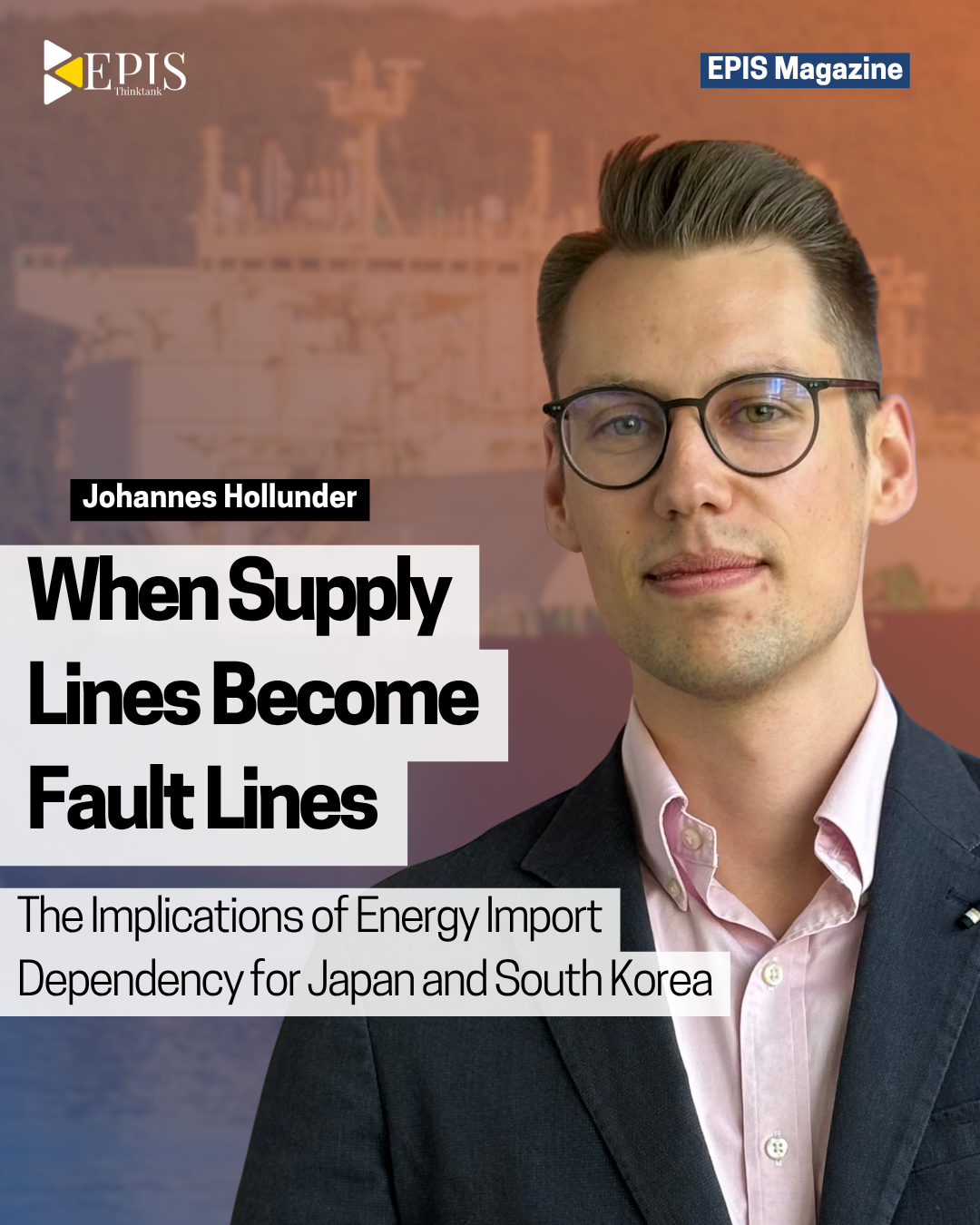
When Supply Lines Become Fault Lines
Can Japan and South Korea keep the lights on amid Indo-Pacific tensions? As rising geopolitical frictions threaten critical maritime routes, Johannes Hollunder analyses how the energy import dependencies of Japan and South Korea expose them to external shocks. Drawing on lessons from Europe’s 2022 energy crisis, he examines both countries’ vulnerabilities, evaluates their mitigation strategies,…
-

China’s Strategic Ambitions in the Arctic
In this brief, we ask what China’s strategic ambitions are in the Arctic and by what means they are being pursued. We argue that China is pursuing an expansive foreign policy and is gaining influence in the Arctic, particularly through financial investment. We come to the conclusion that China is positioning itself as a long-term…
-

Facing the Geoeconomic Reality
Main Question: How can Europe make its critical raw materials (CRMs) supply chain more resilient amid geopolitical and economic challenges? Argument: Europe’s heavy reliance on China and unstable resource-rich countries for CRMs threatens its defence and energy transition goals. Conclusion: Europe must mobilize financial incentives, risk guarantees, and foster private investment abroad to secure an…
-

A Return to Coal?
1. Trump is trying to reinvigorate American coal production; what are the security implications? 2. Coal (and energy production generally) has realist dimensions, is necessary for mass-producing steel, and plays into politics domestic & international. 3. Dirty energy, and diverse energy sources, are a hedge against a liberal, trust-based order in favor of more immediate…
-
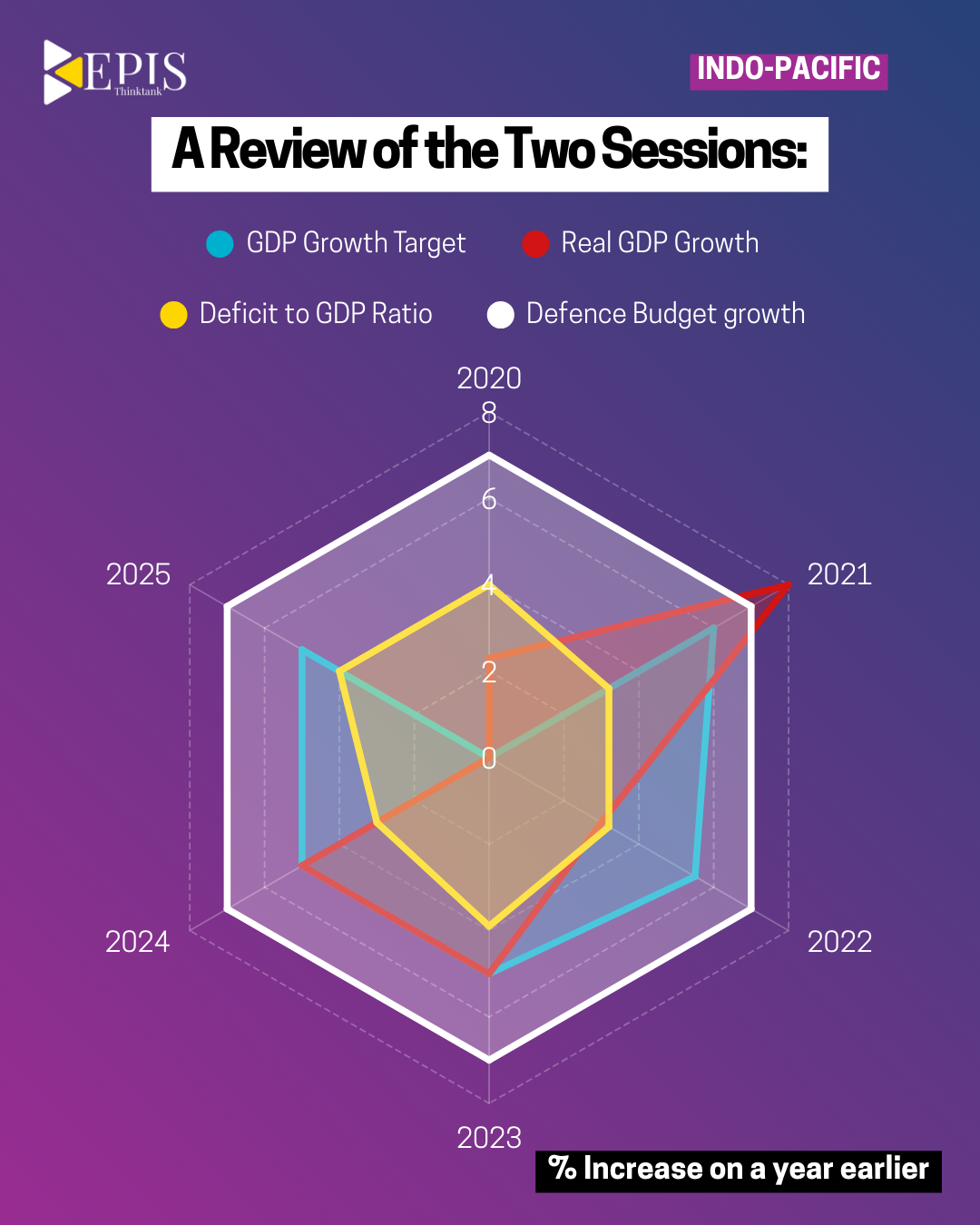
A Review of the Two Sessions
1. **Main Question:** What are China’s policy priorities for the coming year? 2. **Argument:** China aims for 5% GDP growth, focusing on stimulating domestic consumption and supporting private enterprises, while increasing defense spending and managing debt. 3. **Conclusion:** China faces economic challenges but is pursuing ambitious growth targets via fiscal and monetary policies and strategic…
-
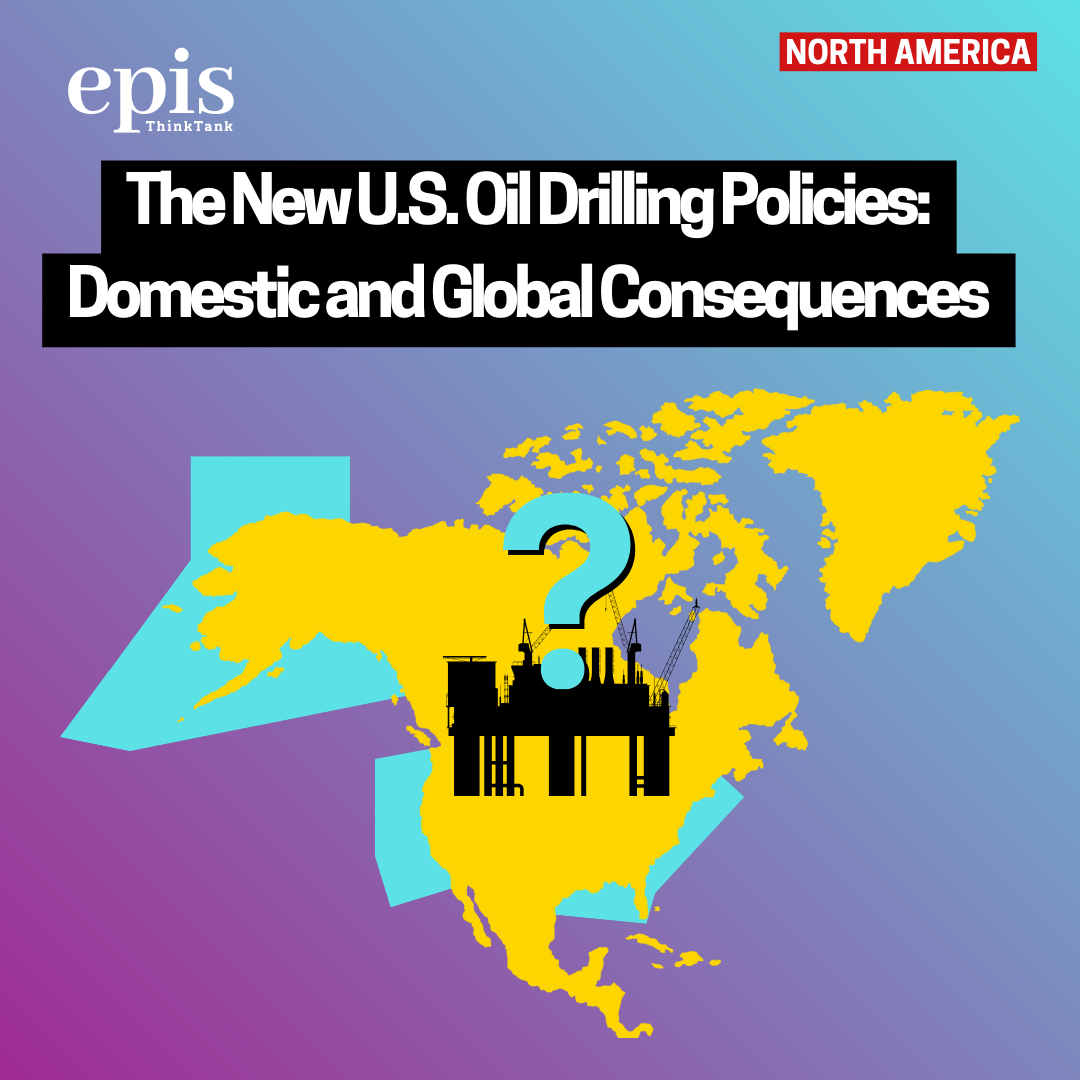
The U.S New Oil Drilling Policies
How will Biden’s offshore oil drilling ban affect U.S. energy policy and global relations?Biden’s ban seeks to protect ecosystems and combat climate change but could weaken U.S. energy control, potentially leading to greater reliance on oil imports and altering global energy geopolitics.The ban represents a commitment to environmental leadership but risks diminishing U.S. influence in…
-
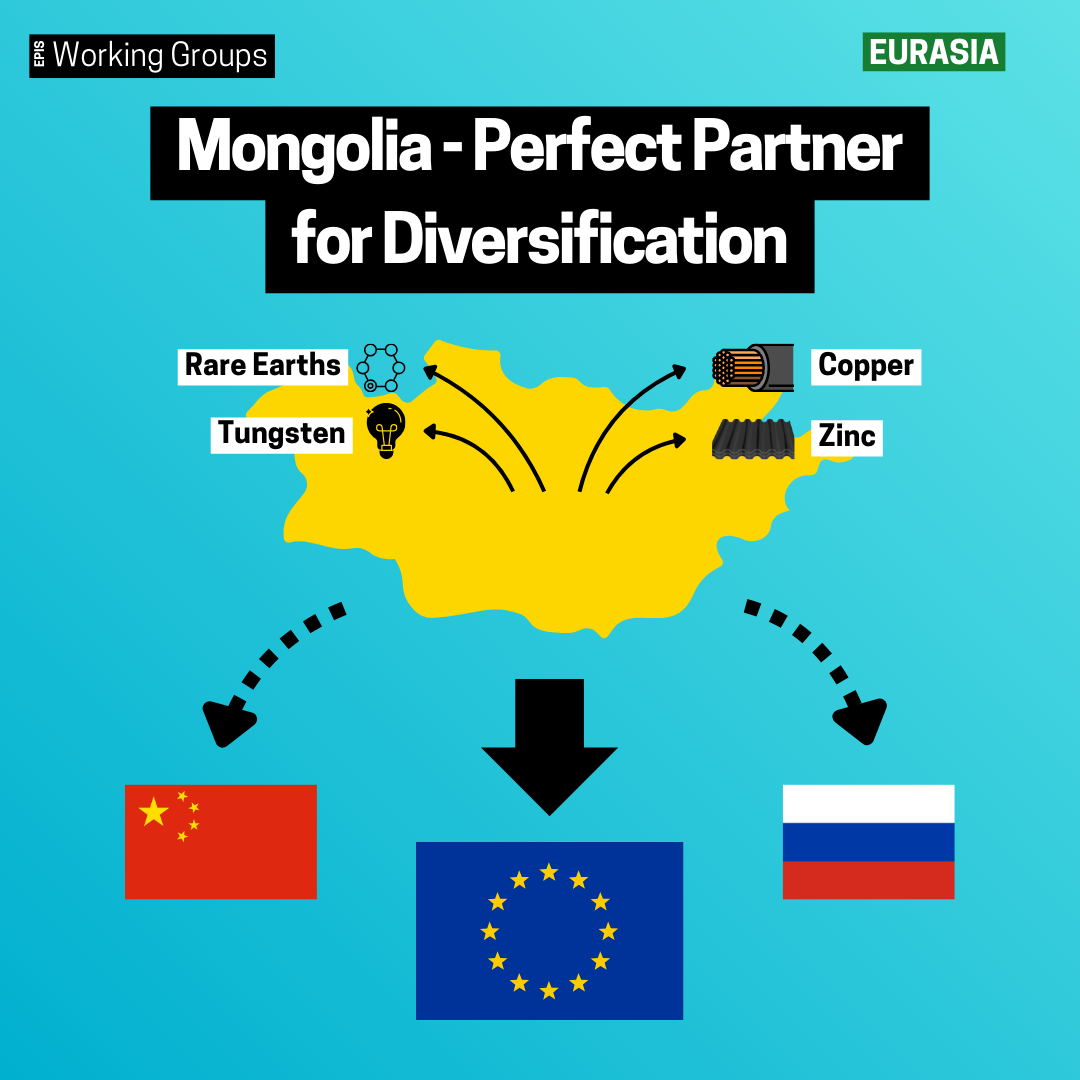
Mongolia’s Strategic Relevance for European Diversification Efforts
Mongolia is an attractive partner to diversify partnerships of European countries. Its raw materials and strategic location make it valuable.
-

Powering Ahead
Hydrogen may be the champagne of the energy transition. The text analyses development of hydrogen economy and its impact on EU and international relations.
-
Hydrogen Diplomacy
Considering its significance for fossil-based industries green hydrogen will play a major role in Germany’s future foreign policy.