Tag: Energy Policy
-
Beyond OPEC: The UAE’s Strategic Shift
Main question: Why is the UAE leaving OPEC, and what are the consequences for geopolitics and global energy markets? Argument: The UAE seeks greater economic flexibility and strategic independence from Saudi-led OPEC policies. Conclusion: The withdrawal reflects a fragmenting global energy order and may weaken OPEC while increasing oil market volatility.
-
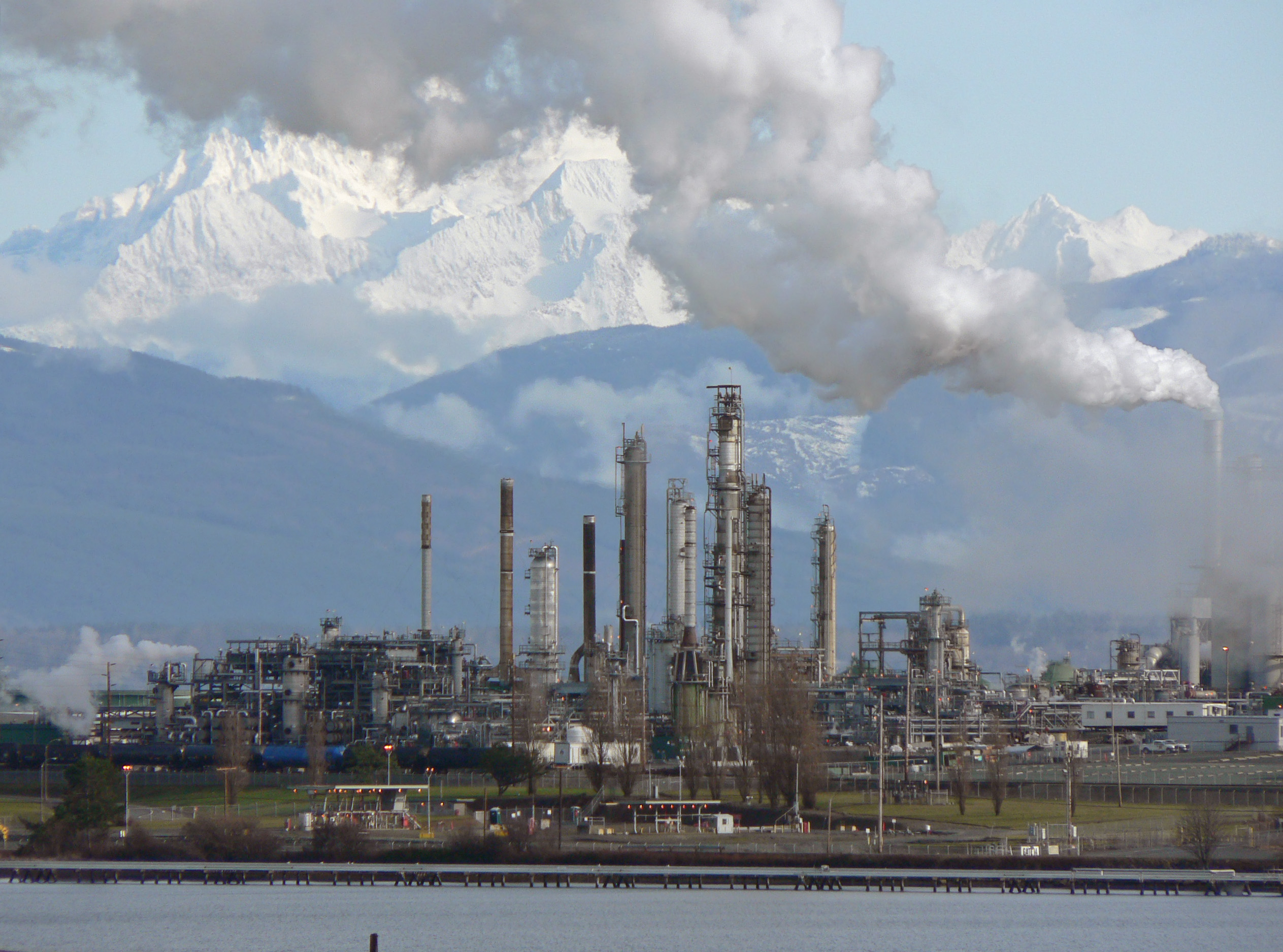
The Future of the Petrodollar
Main question: How might the energy transition affect the role and underlying strengths of the USD as the world’s reserve currency. Argument: one of the main pillars of USD dominance in global reserves is the ‘petrodollar’ system in which oil sales are denominated in dollars, requiring central banks to hold them in reserve. With the…
-
Fuel Crisis: Car dependence & Environmental Impact
Argument: How Australia’s car-dependent urban policy model and heavy reliance on imports for fuel expose Australian cities and the national economy to significant risks from global disruptions. This dependence is highlighted by the supply shocks in the Strait of Hormuz, significantly disrupting global supply flows. Revealing major gaps in Australia’s domestic production, reliance on imports,…
-
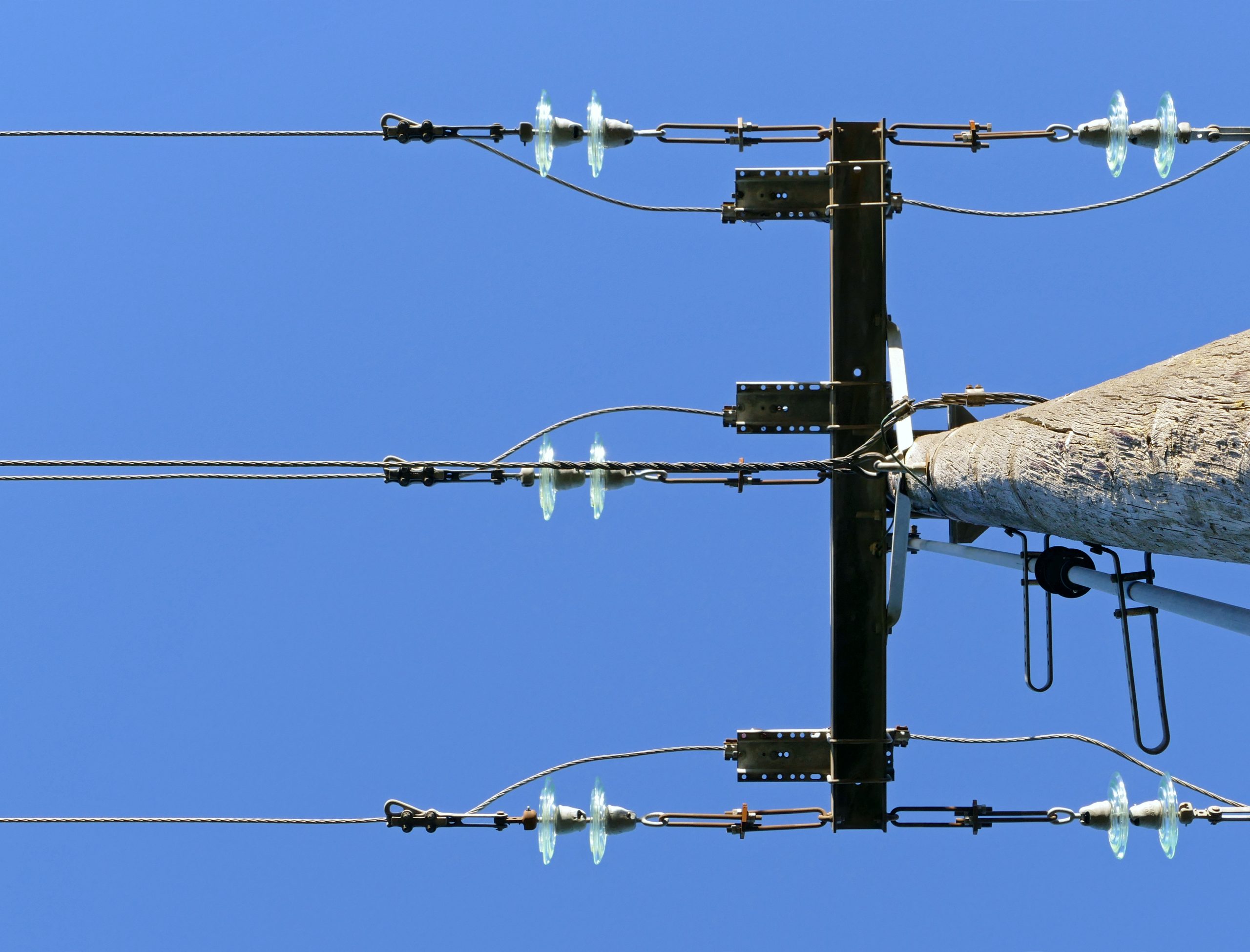
Philippine Energy Security: The 2026 Crisis
– How can the Philippines mitigate national security threats from “single-source” energy reliance and Maritime chokepoint disruptions? – The Philippines must pivot from a “passive importer” to a leader in Strategic Energy Alliances, integrating resource development into national defense and security policy. – Transitioning offshore basins from “planned” to “producing” and resolving West Philippine Sea…
-
Asian Energy Crisis: Who Lost the Most?
-How did the Hormuz blockade expose the vulnerabilities of China, Japan, and South Korea in international economic relations? -Their vulnerabilities were unequal, and their diplomatic responses diverged sharply along geopolitical lines, with the crisis threatening to permanently reshape Asian energy politics. -Diversifying suppliers means nothing if all of them ship through the same chokepoint -…
-
A Promise Made Too Soon:
After capturing Maduro, the White House made one thing clear: They aim to revive the Venezuelan oil industry. Though an exciting project to some, it might just be too challenging for many others. Even though Venezuela is extremely oil-rich, internal and external factors might just showcase it as a bad investment.
-
Hormuz Crisis: Economic & Security Risks
-To what extent does the 2026 Hormuz blockade destabilize global economic and MENA security dynamics? -The disruption creates a systemic “endless loop” of energy shortages and 20% price hikes in Asia, sparking global industrial paralysis. Iran exploits this vulnerability through asymmetric tactics to bypass US deterrence and reshape regional power. -The crisis reveals a fractured…
-
THE STRAIT OF HORMUZ AND THE INDO-PACIFIC
The US-Iran conflict that began on March 2, followed by the blockade of the Strait of Hormuz, affected the Indo-Pacific countries the most. As an important chokepoint through which more than 80% of crude oil and LNG passing through are bound for Asia, the Strait of Hormuz crisis affects every major Indo-Pacific country differently, requiring…
-
Strait of Hormuz
This essay aims to highlight the impact of the current blockade of the Strait of Hormuz on the EU, how it is managing, relatively, the crisis effectively, and what this entails for its strategic (energy) autonomy plans.
-
TEST ARTICLE – DON’T REMOVE
1. Main Point 2. Main Point 3. Main Point