Tag: Humanitarian Interventions
-
Hurricane Melissa and Climate Disaster Governance
How do military post-disaster operations illustrate the role and consequences of militaries as actors in climate governance? The intensity of Hurricane Melissa led to the involvement of foreign militaries in disaster relief. Disaster relief operations provide an entry point for militaries as actors in climate governance, and the responses to Melissa demonstrated how militaries can…
-
Who Delivers Humanitarian Aid When Europe Cannot?
– Who delivers humanitarian aid in Europe when NGOs face funding cuts and regulatory hurdles? – Shrinking budgets, complex compliance rules, and rising operational risks have pushed professional NGOs to the margins, leaving informal volunteers to fill critical gaps without legal or financial protection. – Reliance on informal actors exposes structural fragility; Europe must reform…
-
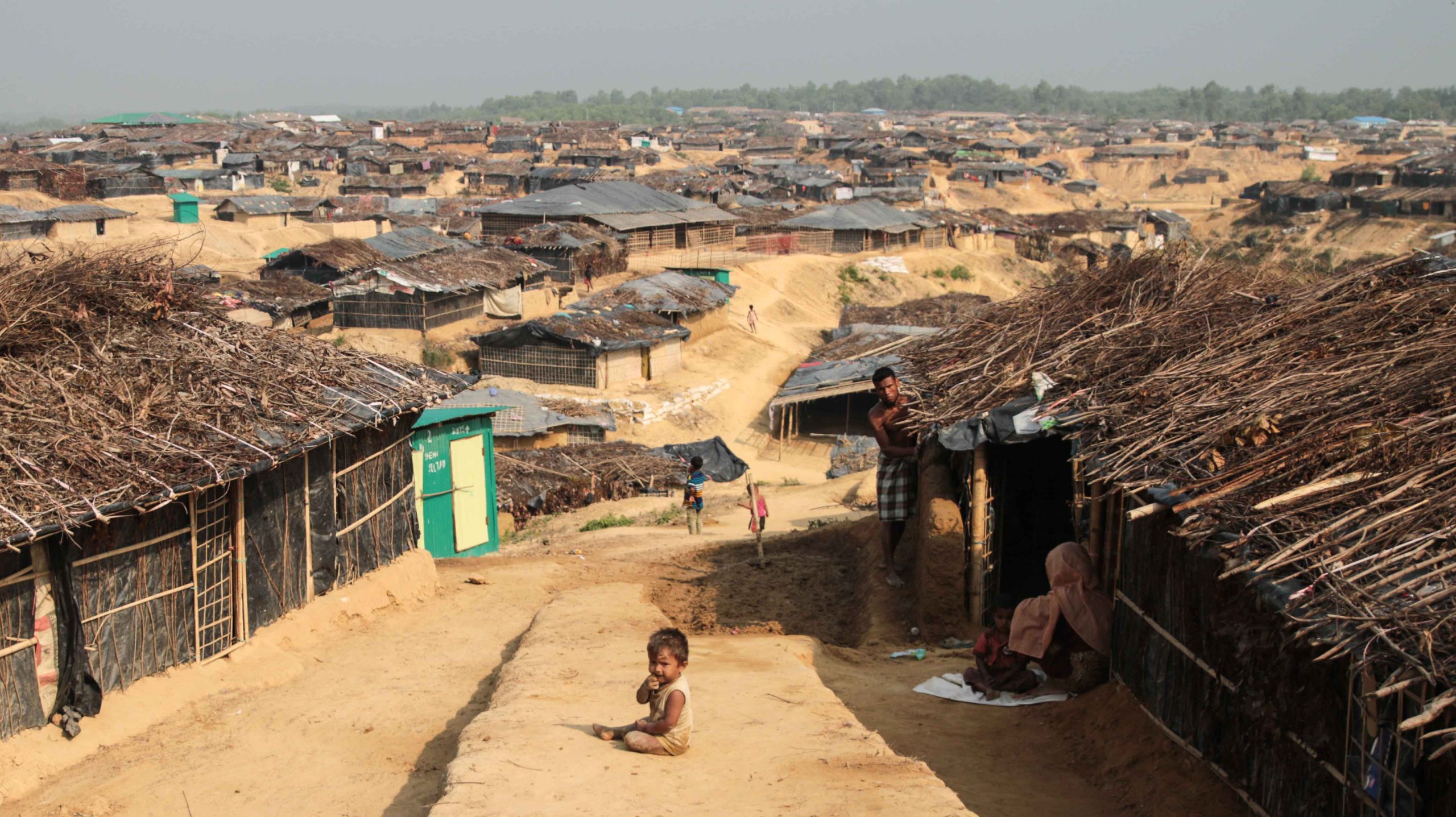
The Rohingya Crisis
Why has China blocked attempts to invoke the Responsibility to Protect doctrine in the Rohingya crisis in Myanmar? The failure to invoke R2P in response to the Rohingya crisis cannot be explained by humanitarian considerations alone, but must be understood through the lens of great-power politics and national interests. Humanitarian concerns are overshadowed by China’s…
-
Gen Z Protests in Nepal
How did Nepal’s 2025 social media ban lead to political unrest, and what role can international actors play in such crises? The ban exposed deep governance issues like corruption and exclusion of Gen Z youth. While international actors can mediate, their effectiveness is limited without domestic reforms and government cooperation. The crisis highlights the need…
-

Myanmar’s Unfolding Humanitarian Tragedy
How did Myanmar’s 2021 coup evolve into one of Asia’s worst humanitarian crises? The Tatmadaw’s return to absolute power has devastated civil society, displaced millions, and provoked famine, while international actors remain divided, ineffective, or complicit through inaction. Only coordinated regional diplomacy, humanitarian access, and accountability can prevent Myanmar’s collapse.
-
Petro’s Challenge: Decolonising R2P in Gaza
This brief examines how Colombian President Petro’s call for R2P intervention in Gaza challenges Western selective enforcement of humanitarian norms. It argues that Petro exposes how imperial powers control intervention based on geopolitical interests, not humanitarian need. Drawing on Latin America’s shared colonial history with Palestine, Petro reclaims R2P as collective Global South responsibility, positioning…
-
International Humanitarian Law
To what extent does the Gaza case reveal the fragility of international law and the multilateral system in preventing and punishing mass atrocities? Despite clear legal norms under the Genocide Convention and ICJ rulings, Israel’s actions in Gaza show systematic violations, while global inaction and political pressure undermine accountability. Without enforcement, international law risks becoming…
-
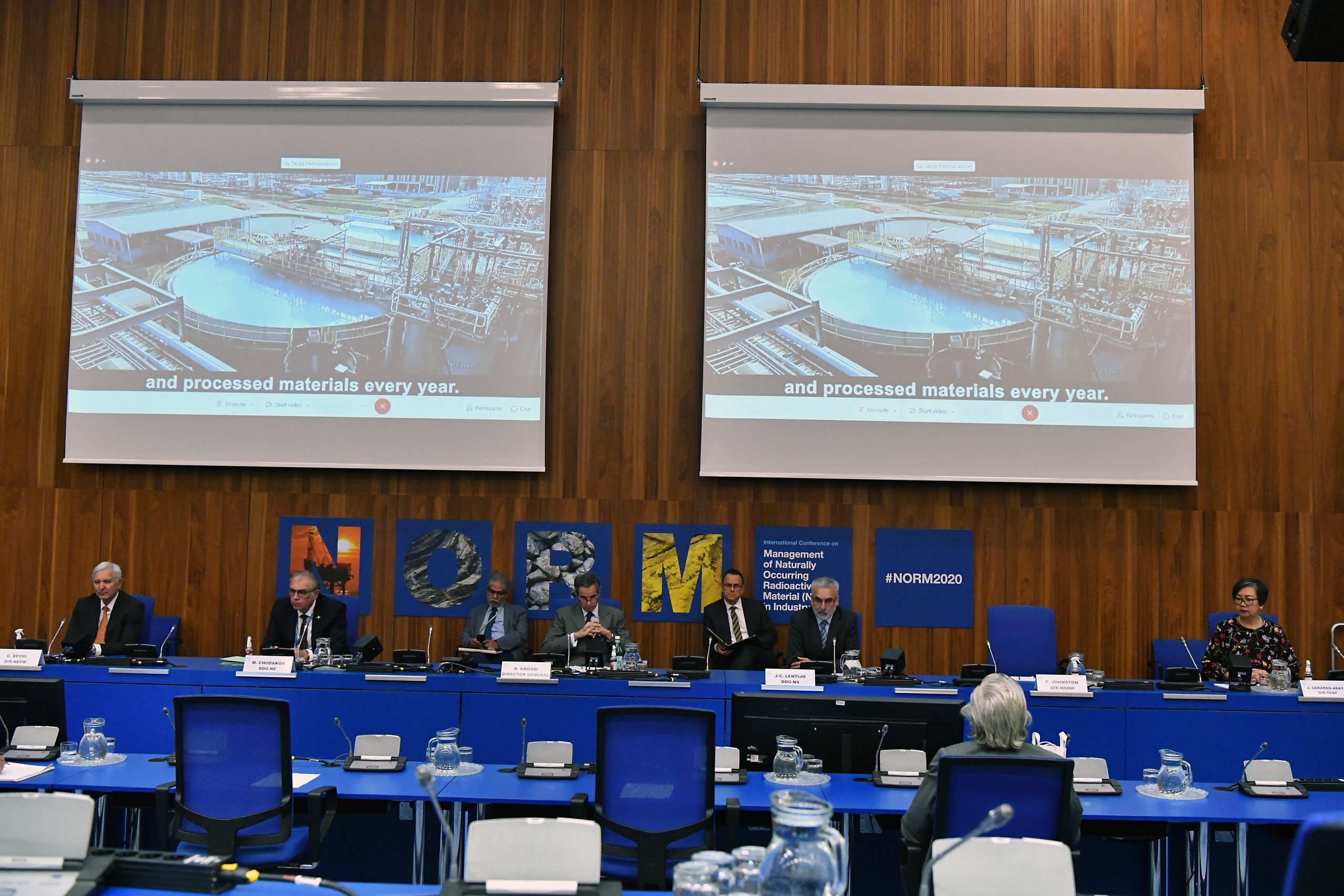
R2P: A UN Norm For Mass Atrocity Prevention
1. What is R2P and its challenges/controversies? 2. It is a UN norm that establishes a responsibility to protect one’s own citizens and imposes a condition on sovereignty. If a state fails to meet that, the international community may intervene. 3. Rooted in western legal tradition and without a clear legal framework, R2P has seen…
-
Digital Colonization
1. Is China’s Digital Silk Road (DSR) a threat to national sovereignty or a lifeline for digital development? 2.The DSR initiative has two sides: it gives developing nations an opportunity for digital empowerment but also fosters long-term strategic dependencies 3.The Digital Silk Road is neither a trap nor a gift, but a two-edged sword that…
-

Recent developments in Sudan’s civil war
This brief examines how foreign intervention has affected the dynamics of Sudan’s civil war. External powers such as Russia, the UAE, and Egypt, have prolonged the conflict by fueling both sides for strategic and economic gain, particularly over gold, thereby undermining mediation efforts and peacebuilding. A sustainable ceasefire requires international actors to prioritise long-term stability…