Tag: International Cooperation
-
Editorial: EPIS Report on International Relations & Diplomacy Issue I
Main Question: How is international cooperation evolving in a fragmented world? Argument: Traditional multilateral structures like the UN are losing trust; states and actors are turning to minilateralism, hybrid partnerships, digital diplomacy, and strategic investments to secure tailored solutions. Conclusion: Contemporary IR is marked by adaptive, flexible, and diverse approaches, highlighting innovation and shifting power…
-
Ireland’s Small State Diplomacy
Main Question: How can a small state like Ireland exert influence in the EU and globally? Argument: Ireland leverages multilateral institutions, normative leadership, and diplomatic specialisation to amplify influence. Conclusion: Through embedding in EU structures, principled stances, and diplomatic expertise, Ireland exemplifies effective small-state diplomacy and prepares for continued influence, including the 2026 EU Council…
-
Europe’s Defence Minilateralism
1. Main Question: How do European countries advance defence-industrial integration amid limited EU consensus? 2. Argument: In response to US dependence and fragmented EU structures, states pursue minilateral cooperation through bilateral/trilateral frameworks. 3. Conclusion: Europe balances agility and durability in defence industrial policy by combining soft-law diplomacy for early alignment with hard-law instruments for long-term…
-
NATO Hybrid Partnerships & Networked Security
Main Question: How is NATO adapting to transnational threats through hybrid partnerships and networked security? Argument: NATO expands beyond treaty-bound members via the Partners Across the Globe framework, collaborating with Indo-Pacific Four in cyber, maritime, and capacity-building missions. Conclusion: NATO’s evolution from alliance to flexible, networked security actor demonstrates that contribution and interoperability, rather than…
-
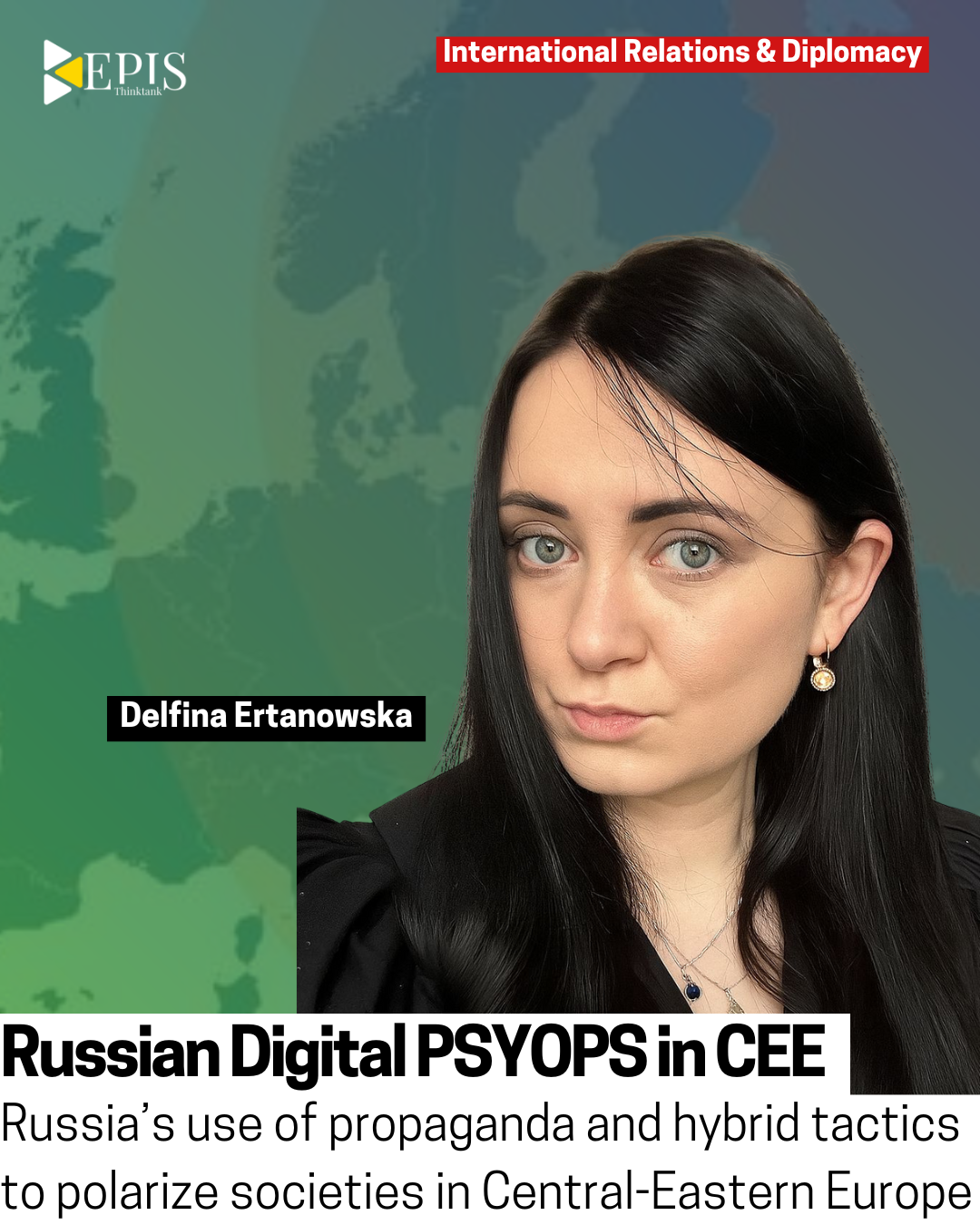
Russian Digital PSYOPS in CEE
1. Main Question: How does Russian digital diplomacy and PSYOPS influence politics and security in Central-Eastern Europe? 2. Argument: Russia leverages social media, memes, fake news, and AI tools as part of hybrid warfare to polarize societies, manipulate elections, and destabilize NATO’s eastern flank. 3. Conclusion: Digital PSYOPS have tangible political and security impacts, as…
-
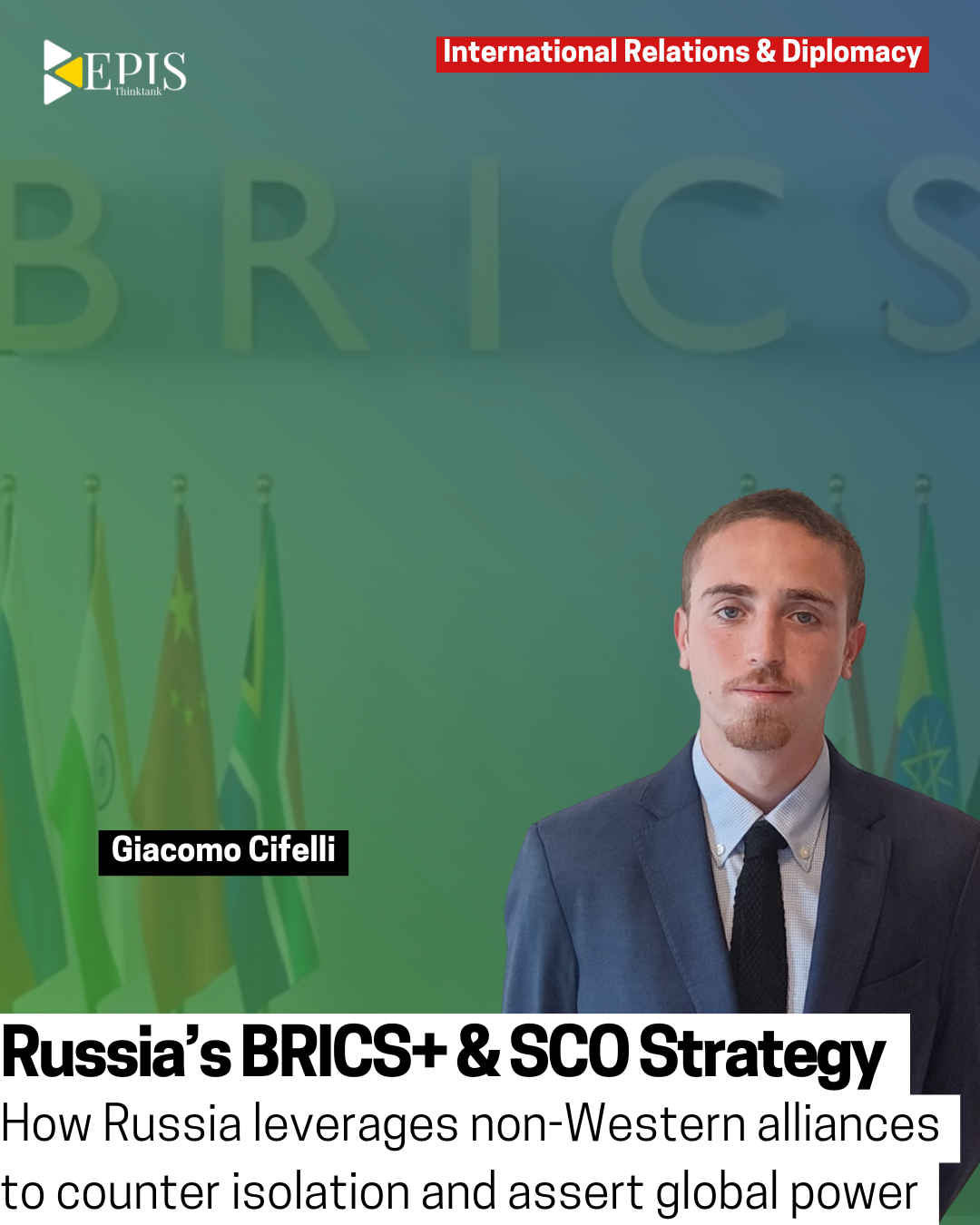
Russia’s BRICS+ & SCO Strategy
1. Main Question: How is Russia using BRICS+ and the SCO to navigate Western isolation? 2. Argument: Following Western sanctions and exclusion, Russia pivots to BRICS+ and the SCO for economic, diplomatic, and ideological leverage. 3. Conclusion: These frameworks help Russia maintain global influence and pursue multipolarity, but dependence on partners like China limits full…
-
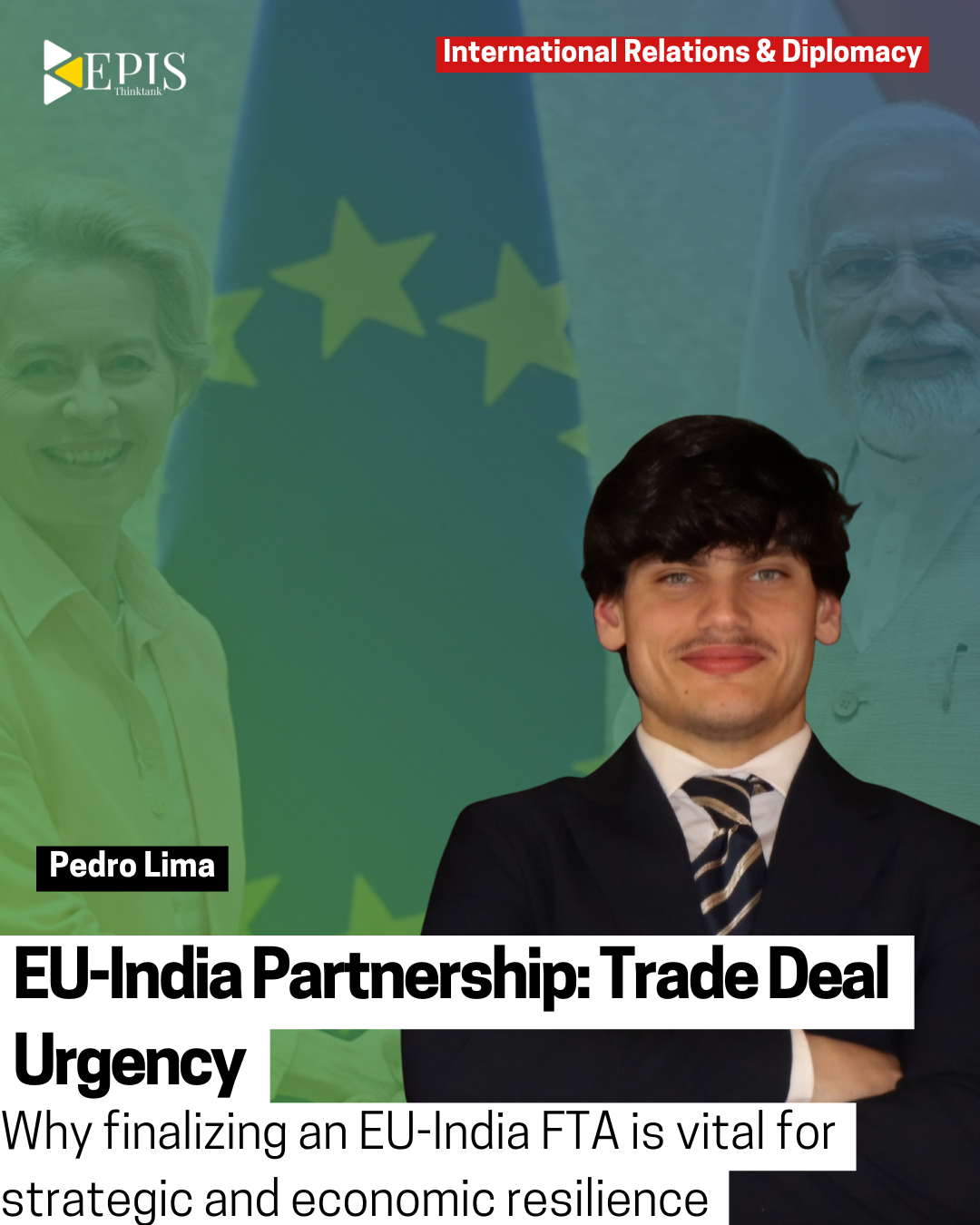
EU-India Partnership: Trade Deal Urgency
1. Main Question: How urgent is the EU-India partnership and trade deal for both sides? 2. Argument: With U.S. tariffs and China’s assertiveness, the EU and India must strengthen trade, investment, and strategic ties. 3. Conclusion: A comprehensive FTA would enhance economic cooperation, strategic alignment, and global influence, but challenges remain in regulatory and sectoral…
-
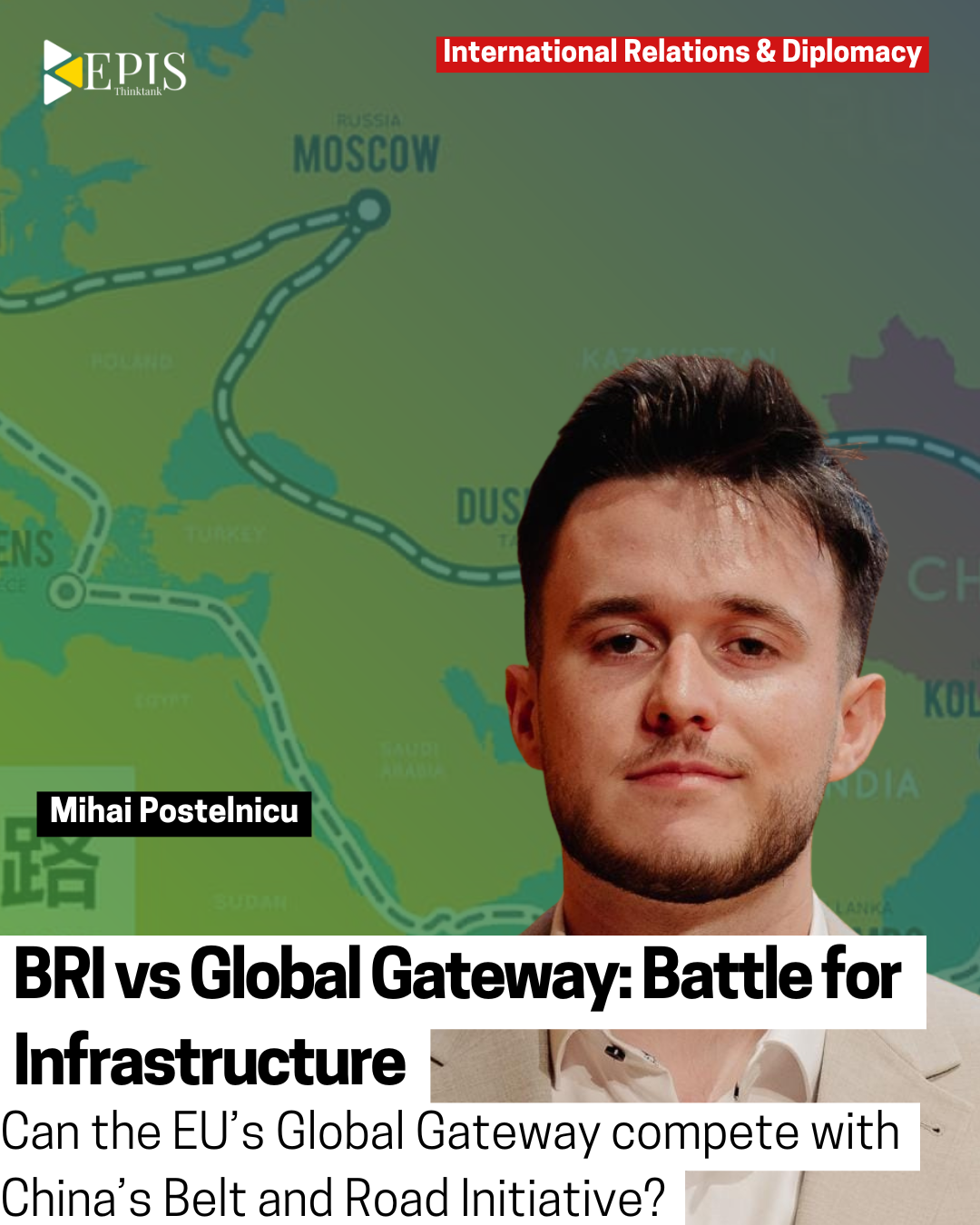
BRI vs Global Gateway: Battle for Infrastructure
1. Main Question: Can the EU’s Global Gateway be a viable alternative to China’s Belt and Road Initiative? 2. Argument: While the BRI dominates global infrastructure diplomacy, the EU’s Global Gateway leverages sustainability, grants, and governance standards to compete. 3. Conclusion: The Gateway has potential but faces promotion, differentiation, and internal cohesion challenges to rival…
-
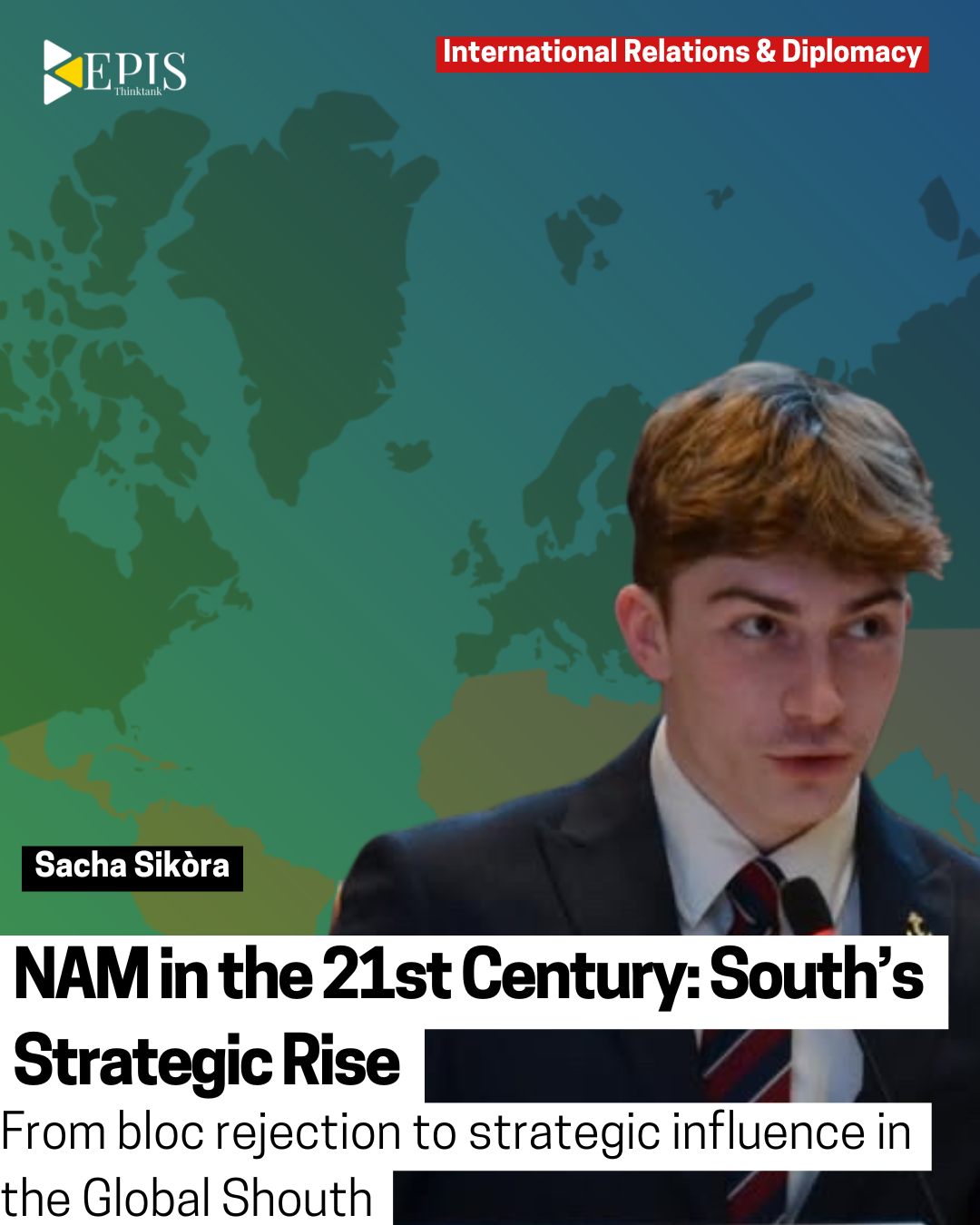
NAM in the 21st Century: South’s Strategic Rise
1. Main Question: How has the Non-Aligned Movement evolved from Cold War neutrality to a tool for Global South influence? 2. Argument: NAM now engages strategically in economic, technological, and security cooperation, leveraging BRICS+ and South-South partnerships. 3. Conclusion: The Movement remains relevant as a pragmatic platform for collective autonomy, adapting to multipolarity despite internal…
-
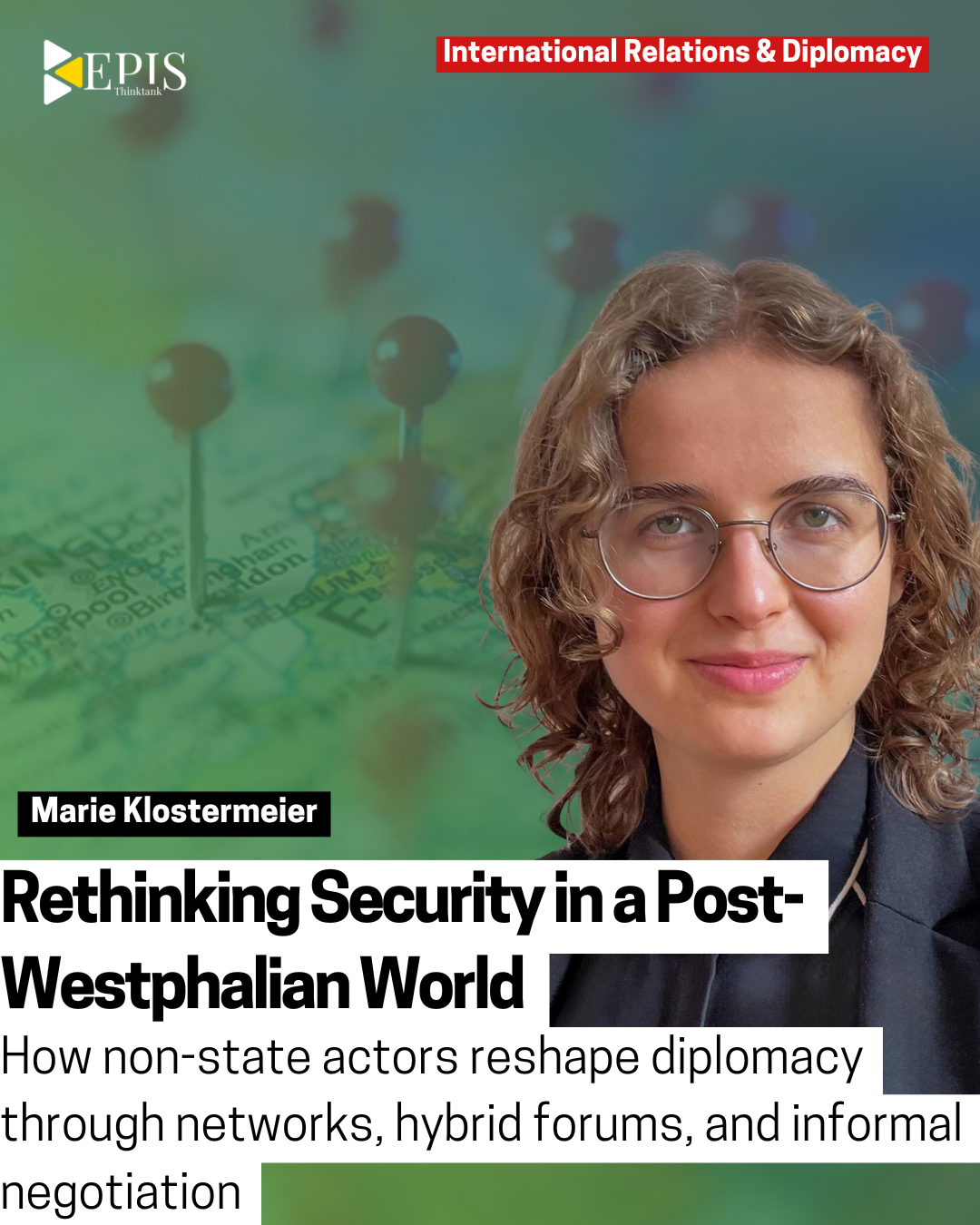
Rethinking Security in a Post-Westphalian World
1. Main Question: How does the growing role of non-state actors transform global security beyond the state’s traditional Westphalian claim to absolute power? 2. Argument: Non-state actors increasingly shape security through Track 1.5/2 diplomacy, hybrid platforms, and governance networks, softening hierarchical state control. 3. Conclusion: This shift toward decentralized, network-based security is inevitable and adaptive,…