Tag: International Cooperation
-
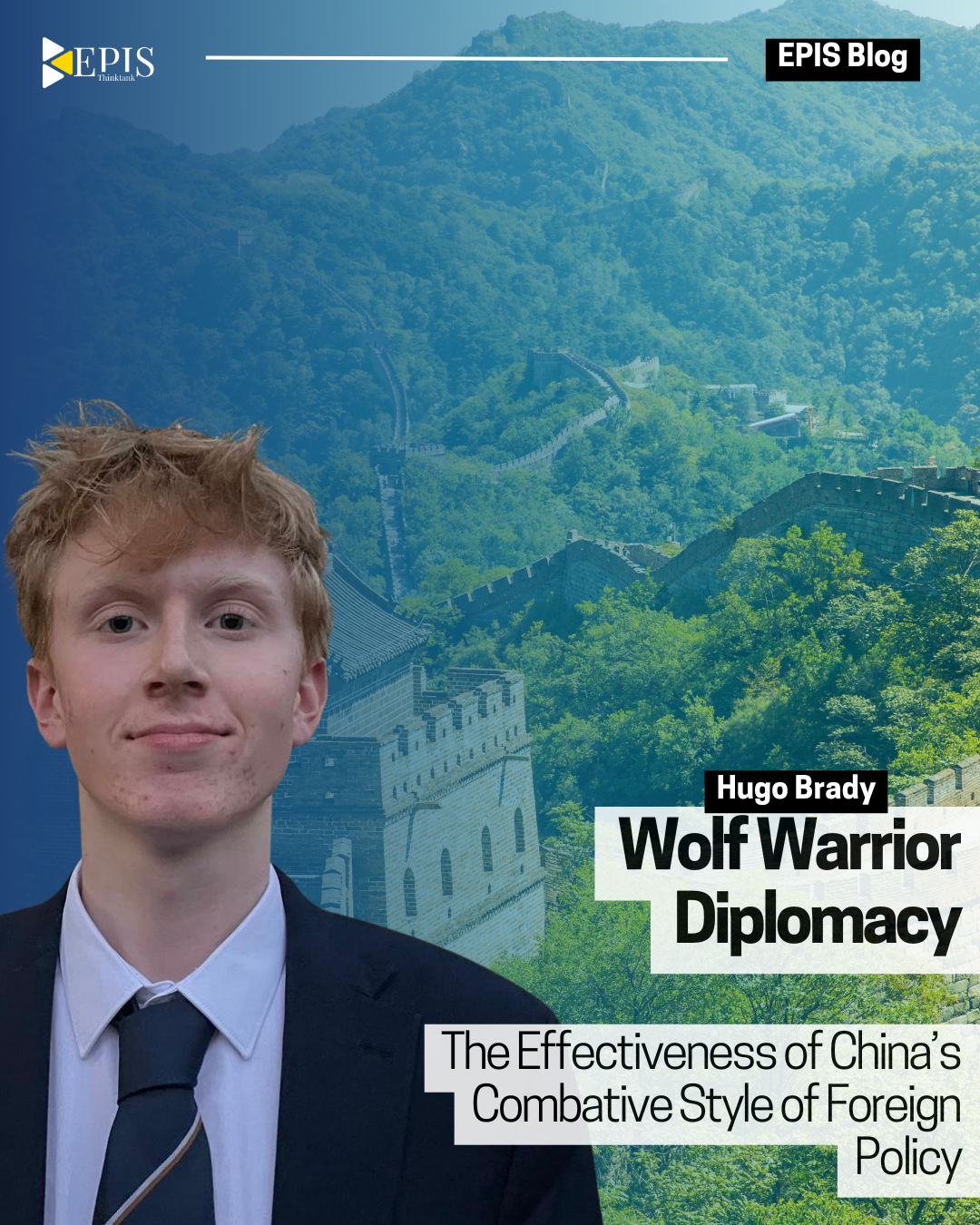
Wolf Warrior Diplomacy
Main question: Has China’s Wolf Warrior Diplomacy been an effective foreign policy strategy? Argument: Though it strengthens nationalism and attracts some anti-Western partners, it provokes backlash from Western states, fuels security alliances against China, and undermines China’s soft power and global reputation. Conclusion: Wolf Warrior Diplomacy is largely ineffective; compared with China’s earlier charm offensive,…
-

EU Competitiveness Ambitions: A Poor Report Card
Main Question: Does the new MFF proposal provide sufficient resources to meet the EU’s strategic competitiveness ambitions Argument: The Competitiveness Fund is insufficient compared to the Draghi report’s €800bn annual target. Essentially, it relies on shuffling existing funds rather than “new money,” leaving key sectors like semiconductors and green tech underfunded. Conclusion: The current proposal…
-
Trump’s Ceasefire in Israel-Gaza
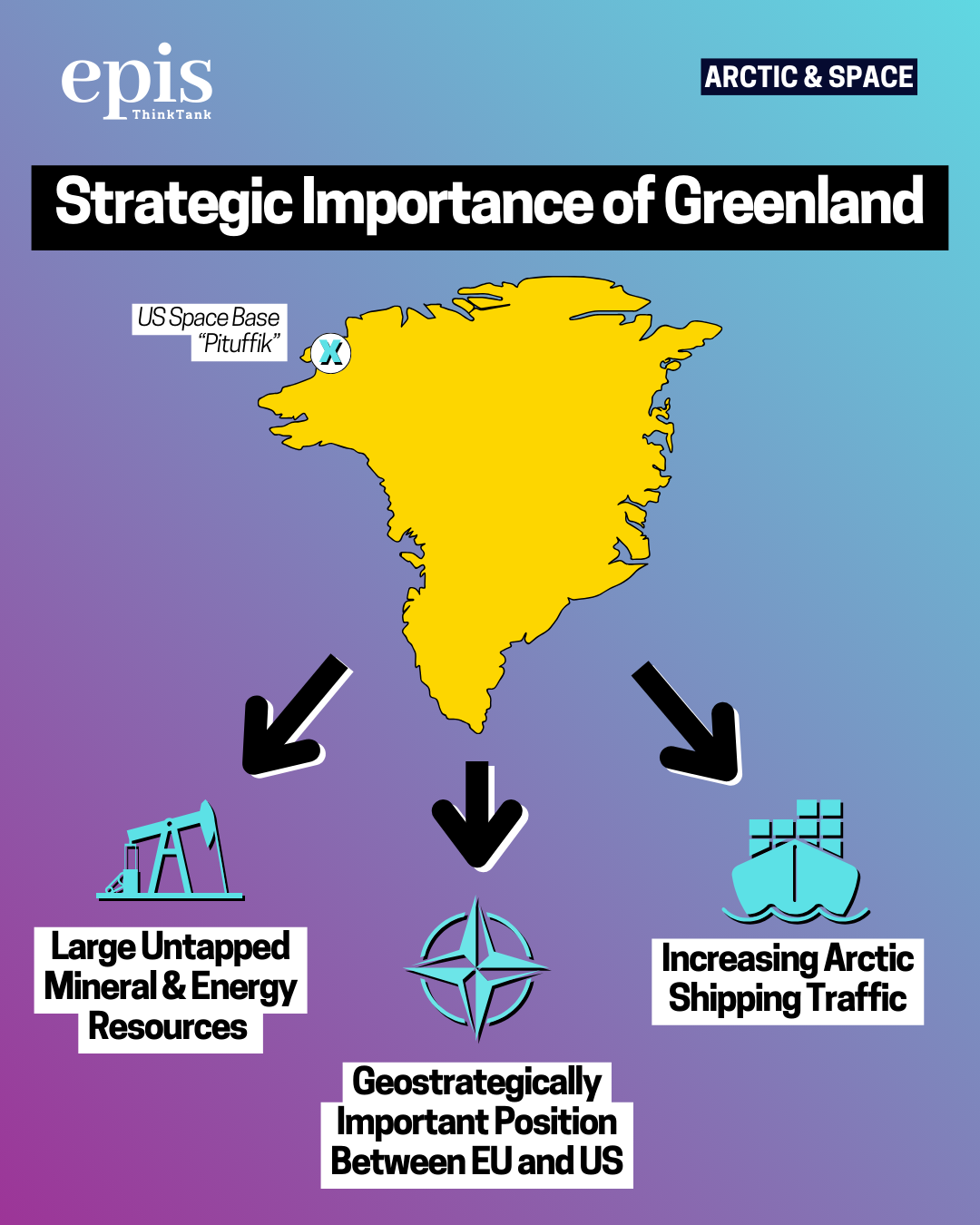
1.Why is Greenland strategically significant, what drives renewed interest in the territory? 2.Greenland’s position in the GIUK-gap and its vast untapped resources make it vital for Arctic geopolitics. Trump’s interest reflects broader US ambitions to secure dominance in the Arctic amidst resource competition and strategic military concerns. 3.Greenland’s role in Arctic geopolitics underscores its global…
-
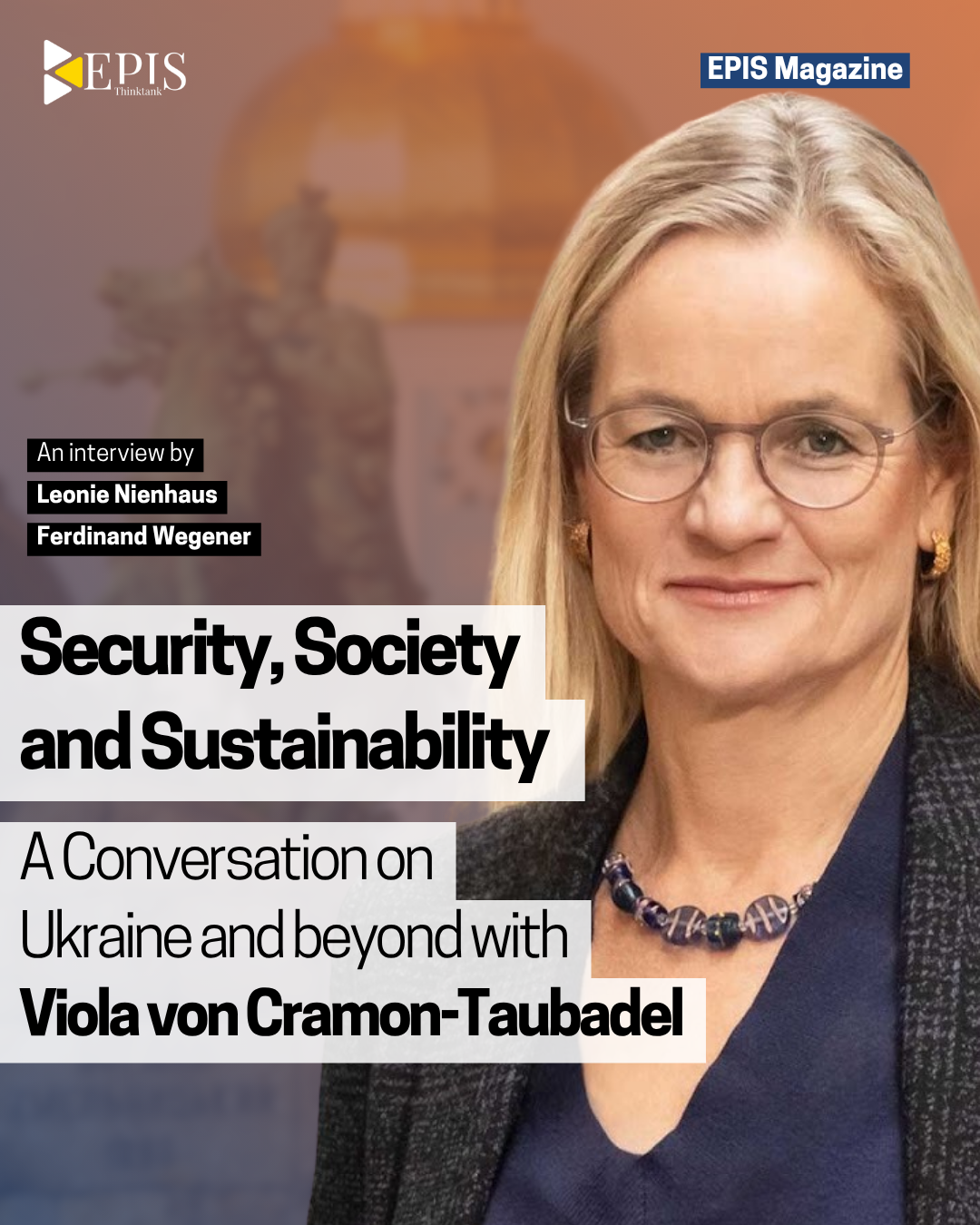
EPIS 10: Security, Society and Sustainability
The interview discussed, among other topics, Russia’s full-scale invasion of Ukraine and the Green Party’s position on delivering weapons to Ukraine, EU enlargement, Georgia’s turn toward autocracy, Russian disinformation, and the importance of a strong and collective European response
-
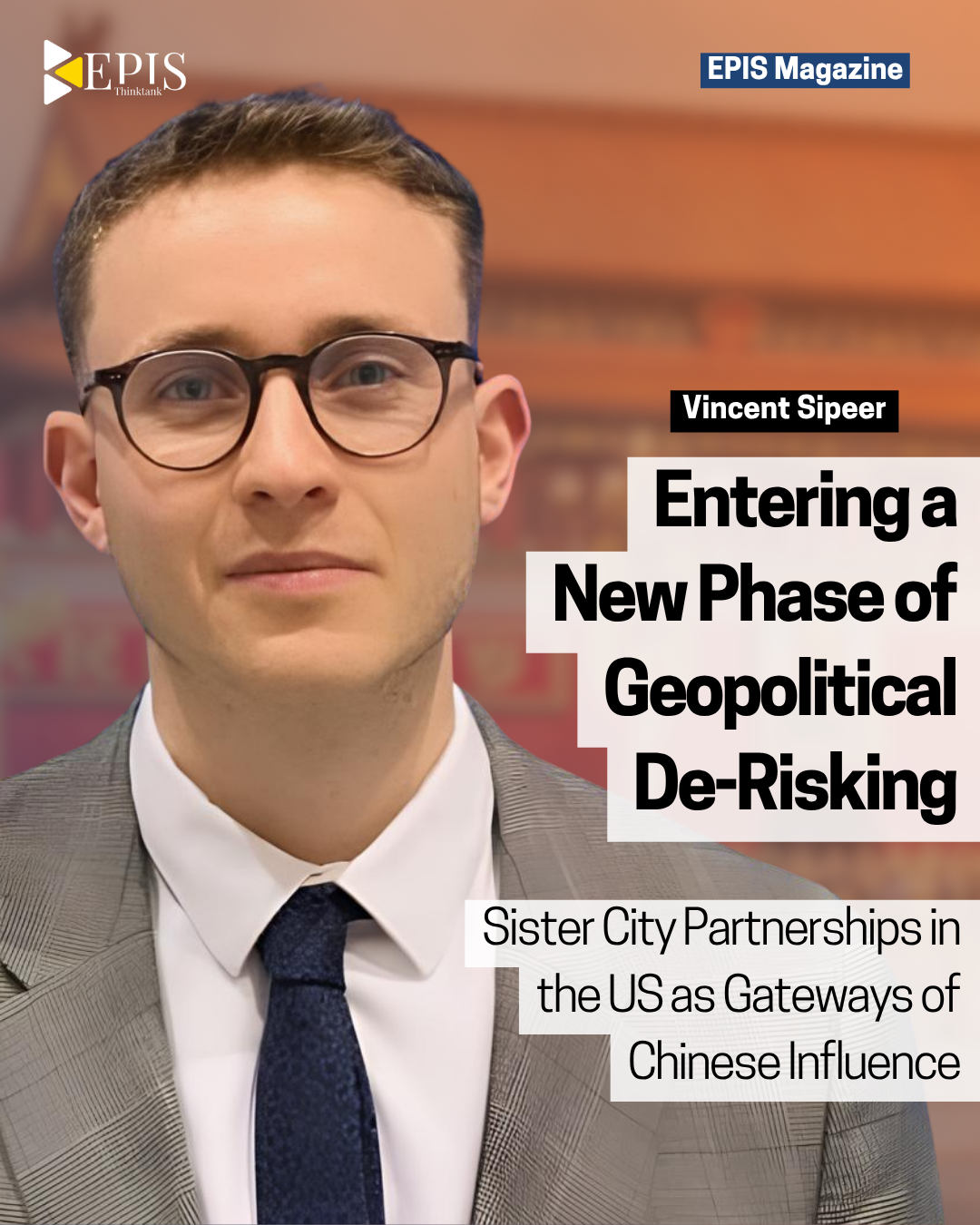
Entering a New Phase of Geopolitical De-Risking
Can U.S. cities protect themselves from foreign influence? As Sino-U.S. sister city partnerships come under growing scrutiny, Vincent Sipeer examines how local diplomacy has become an overlooked front in great power competition. He argues that while China’s tightly coordinated system gives it an asymmetric advantage, the U.S. must not emulate authoritarian control. Instead, he calls…
-
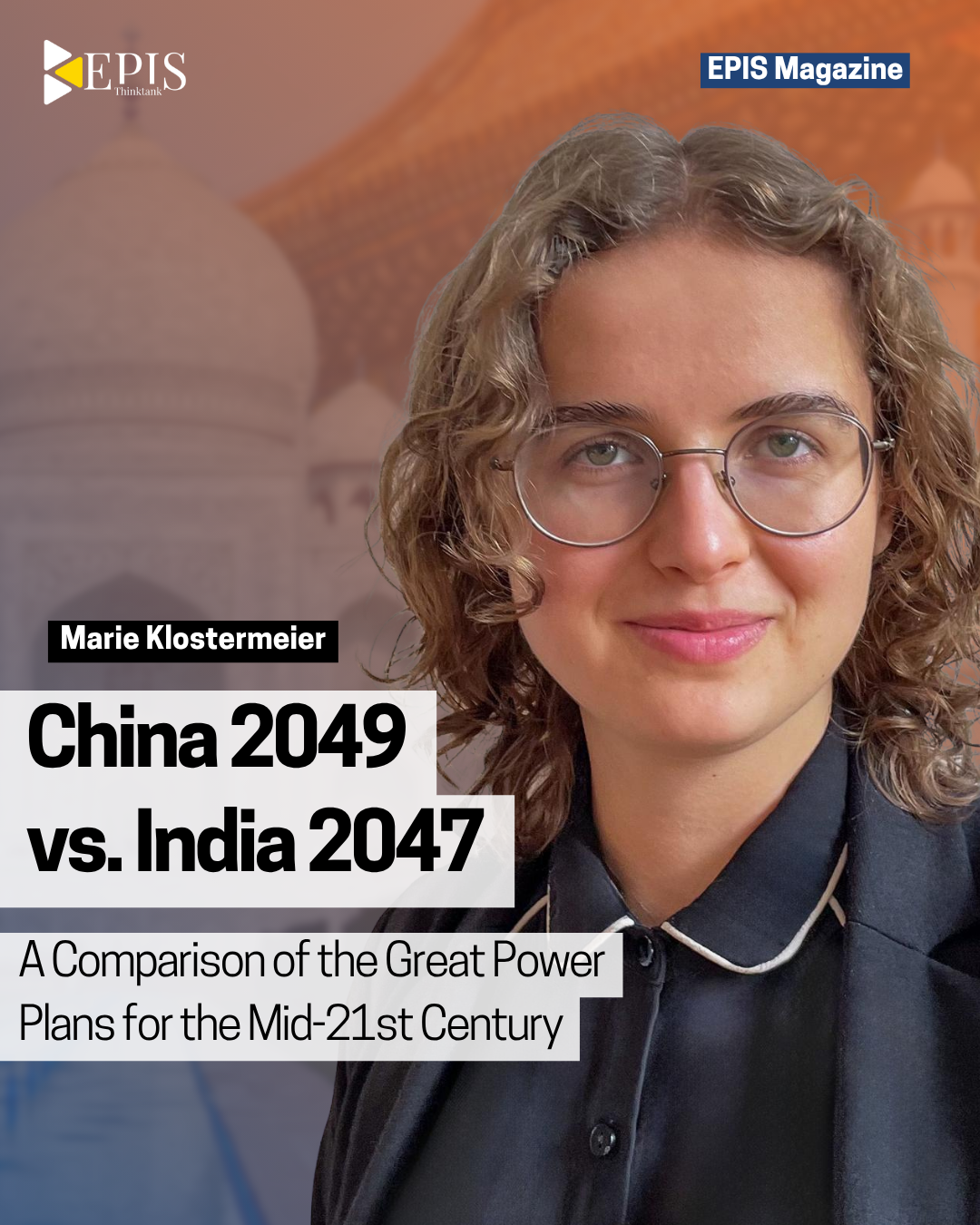
China 2049 vs. India 2047
What are the great power plans for the mid-21st century—and how do they differ? China and India are charting rival paths toward global influence through their initiatives. Marie Klostermeier examines how both nations’ economic, military, and institutional strategies reflect distinct historical experiences and ambitions. While China’s vision centres on reclaiming dominance through state-led transformation and…
-
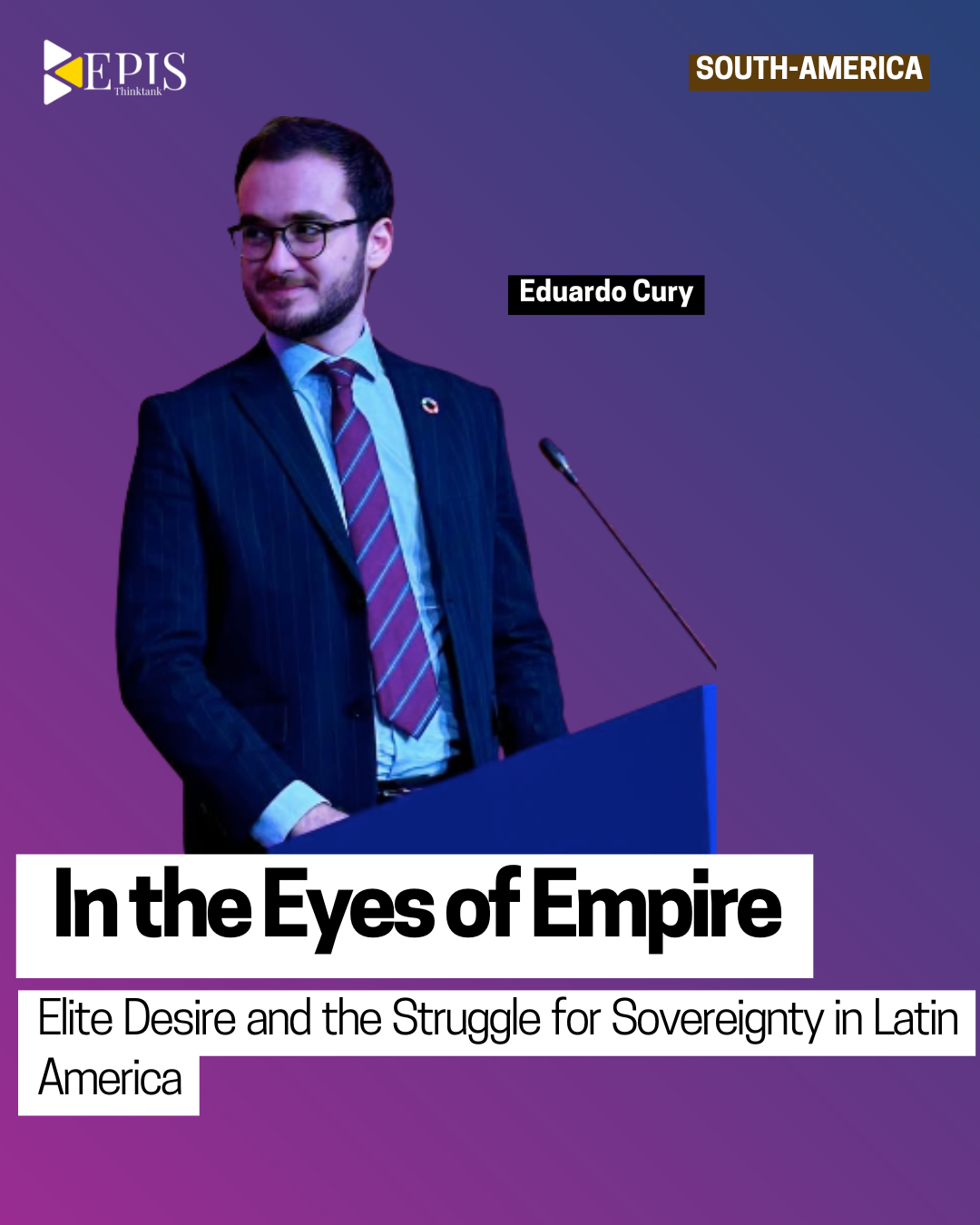
In the Eyes of Empire
– Why do Latin American elites keep courting foreign power—chasing recognition abroad while trading away sovereignty? – A fantasy of imperial recognition—embedded in an external legibility regime—rewards mimicry and validation abroad over democratic legitimation at home. – Break the spell—traverse the fantasy. Reform elite pipelines, ditch external benchmarks, and make domestic accountability the currency of…
-
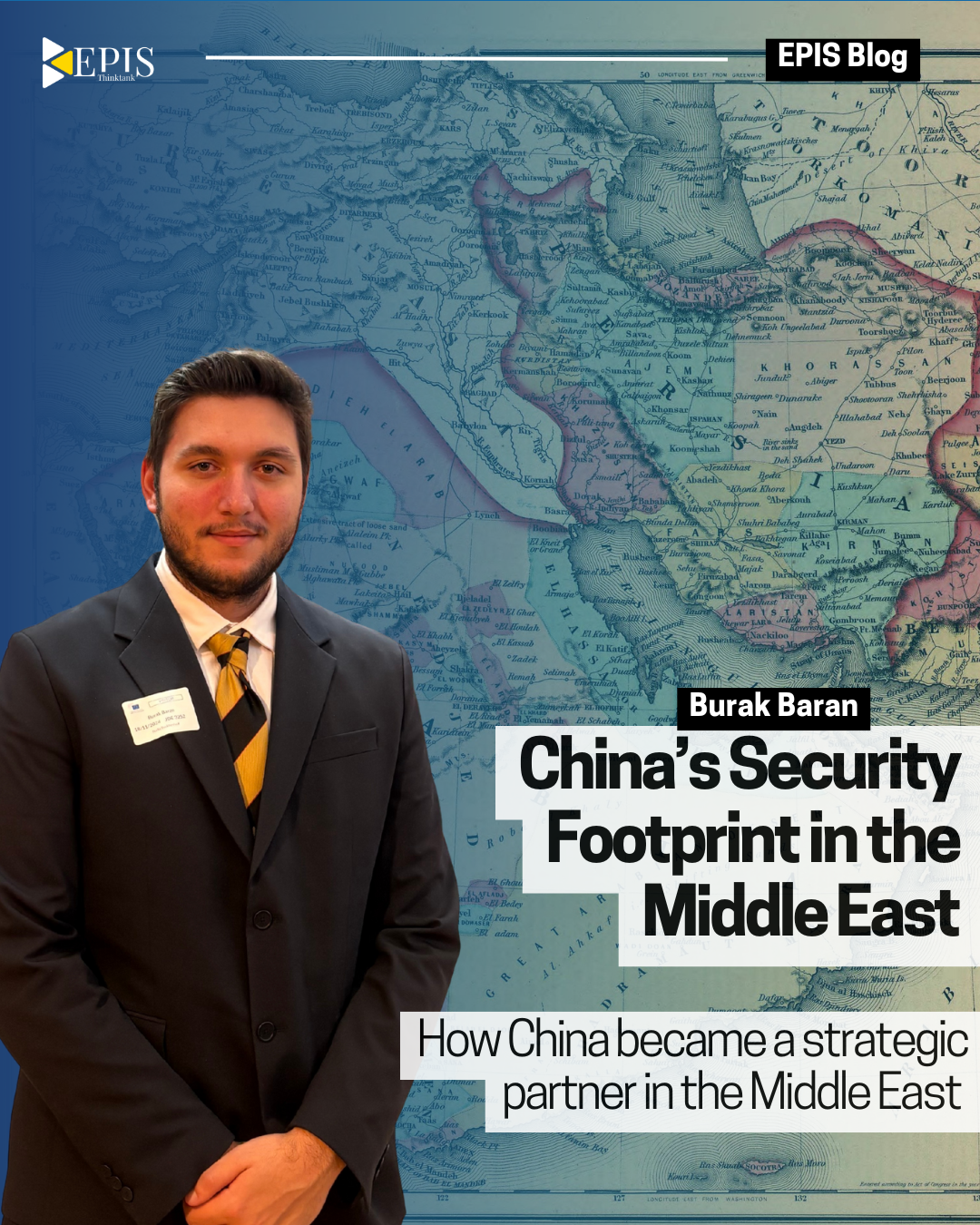
China’s Security Footprint in the Middle East
1. Is China changing the balance of power in the Middle East to a multipolar order? 2. China isn’t just about trade anymore — it’s stepping into security. From brokering deals to selling arms and joining military drills, China is quietly building real influence. 3. The Middle East is no longer just America’s backyard. With…
-

India at the Crossroads After SCO
– Can India’s participation in the 2025 SCO Summit mark a true eastward shift in its foreign policy? – The summit underscored India’s hedging strategy—seeking energy security, new trade routes, and geopolitical leverage in Eurasia while preserving ties with the West – India remains committed to balancing between power centers, using the SCO pragmatically without…
-
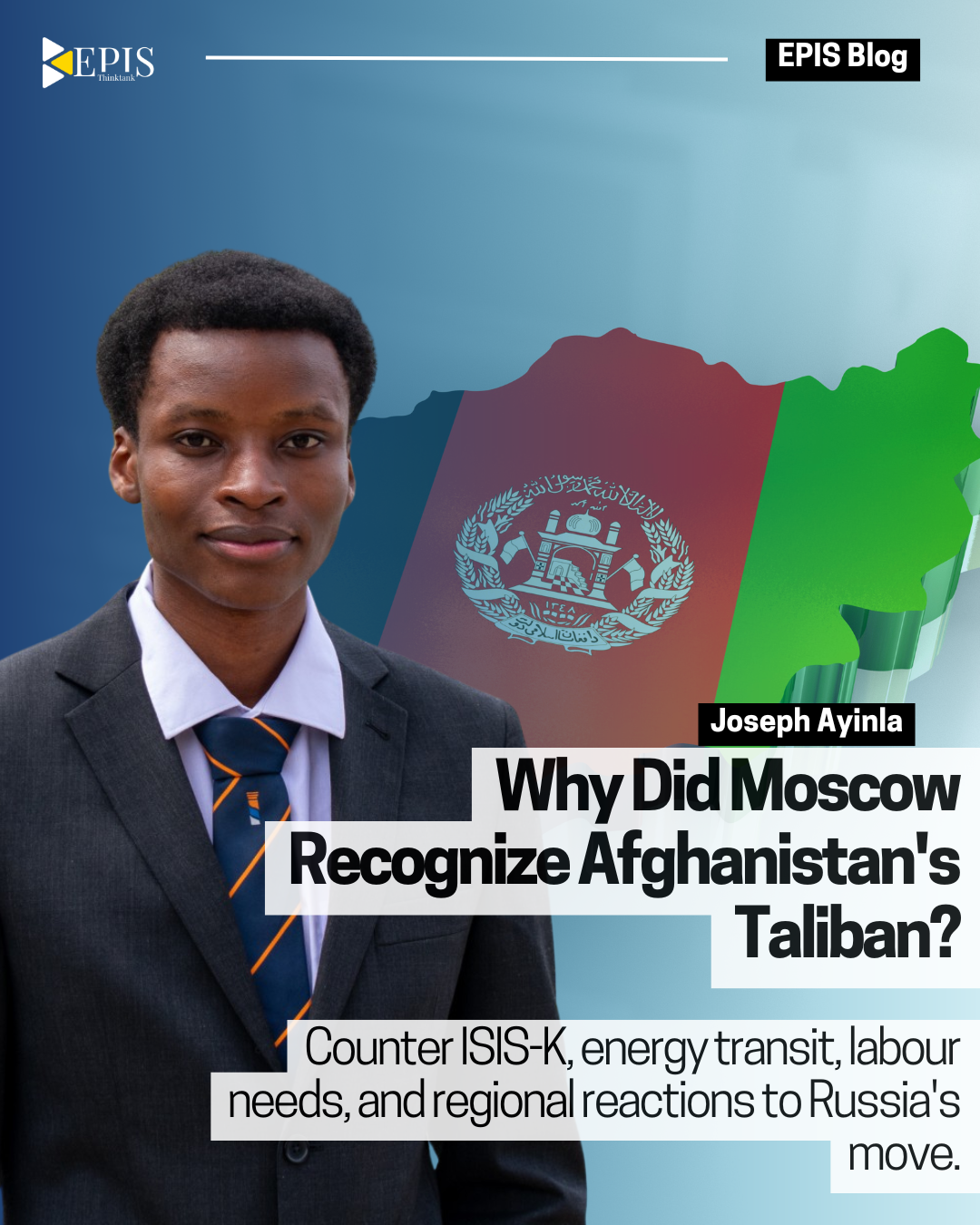
Why Did Moscow Recognize Afghanistan’s Taliban?
Main: Why did Russia recognize the Taliban on 4 Jul 2025 despite post‑2021 isolation, and what follows? Arg: Shared fight vs ISIS‑K; labour gaps; energy & transit deals; Soviet legacy ties. Conc: Pragmatism beats isolation—if China, Iran and others move closer. Shared values, rights and norms fade and the Liberal international order weakens.