Tag: Migration Policy
-
At the Border of Rights
North American migration policies increasingly prioritise deterrence and border security over humanitarian protection. Restrictive asylum systems, detention, and border externalisation expose women and children to violence, trafficking, trauma, and insecurity. These harms are structural consequences of securitised migration governance and reveal contradictions between security priorities and human rights commitments.
-

From Managed Permanence to Managed Mobility
Can circular migration provide a viable policy response to pressures for refugee return in Germany? Circular migration is presented as a mechanism to reconcile migration control, labour demand, and refugee protection, but for forced migrants it is structurally undermined by legal, economic, and political contradictions. Its capacity to deliver durable policy outcomes is therefore limited.
-
At Europe’s Door: Italy’s Migration Crisis
How does Italy’s bilateral agreement with Albania fit within the broader EU migration framework? The protocol is innovative because it maintains full Italian jurisdiction on Albanian soil, avoiding burden-shifting while managing migration pressure. Despite its legal creativity, the agreement faces unresolved challenges and its long-term viability within EU law remains uncertain.
-

Rhetoric Over Rules: EU Migration Crisis
To what extent does anti-migrant rhetoric in Hungary and Poland undermine EU migration solidarity under the 2024 Pact? Both governments use securitisation rhetoric to normalise non-compliance, deepen the East-West divide, and obstruct the Pact’s 2026 implementation. Without stronger enforcement or real incentives for cooperation, national rhetoric will continue to override collective European responses.
-
Immigration and the U.S. Economy
Main question: How does intensified immigration enforcement under Trump affect the U.S. economy and corporate behaviour? Argument: Expanded detention, infrastructure growth, and public enforcement generate political gains but create economic friction for labour-dependent industries. Conclusion: The administration governs through the tension between sovereignty and market dependence, shifting costs onto migrants and mobility-reliant sectors.
-

Screening Tourists Through Social Media
1. Should the U.S. CBP’s proposed revision of ESTA data collection make 5 years of social media disclosure mandatory for short term tourists? 2. The notion of threat to security is vague, social media activity lacks context and ultimately leads to self censorship. At scale, CBP will likely rely on automated systems increasing risks of…
-

The Transnational Engine of Tren de Aragua
RQ: How did Tren de Aragua use Venezuela’s crisis and migrant routes to move from a prison gang to a transnational network? Argument: Its expansion stems from the interaction of state fragility, mass displacement, and diversified criminal markets. Conclusion: TdA shows a new franchise-style, poly-criminal model that policing alone cannot contain.
-

ICE-ing Out Immigration
– Trump’s second-term immigration policies reflect intensified enforcement, provoked legal challenges, and spurned debates over constitutional and civil rights – Increased deportations have had severe domestic consequences, provoking widespread protests, state defiance, and raising alarm in US immigrant communities – Regional impacts have been felt on neighbouring countries like Canada, Mexico, and El Salvador while…
-
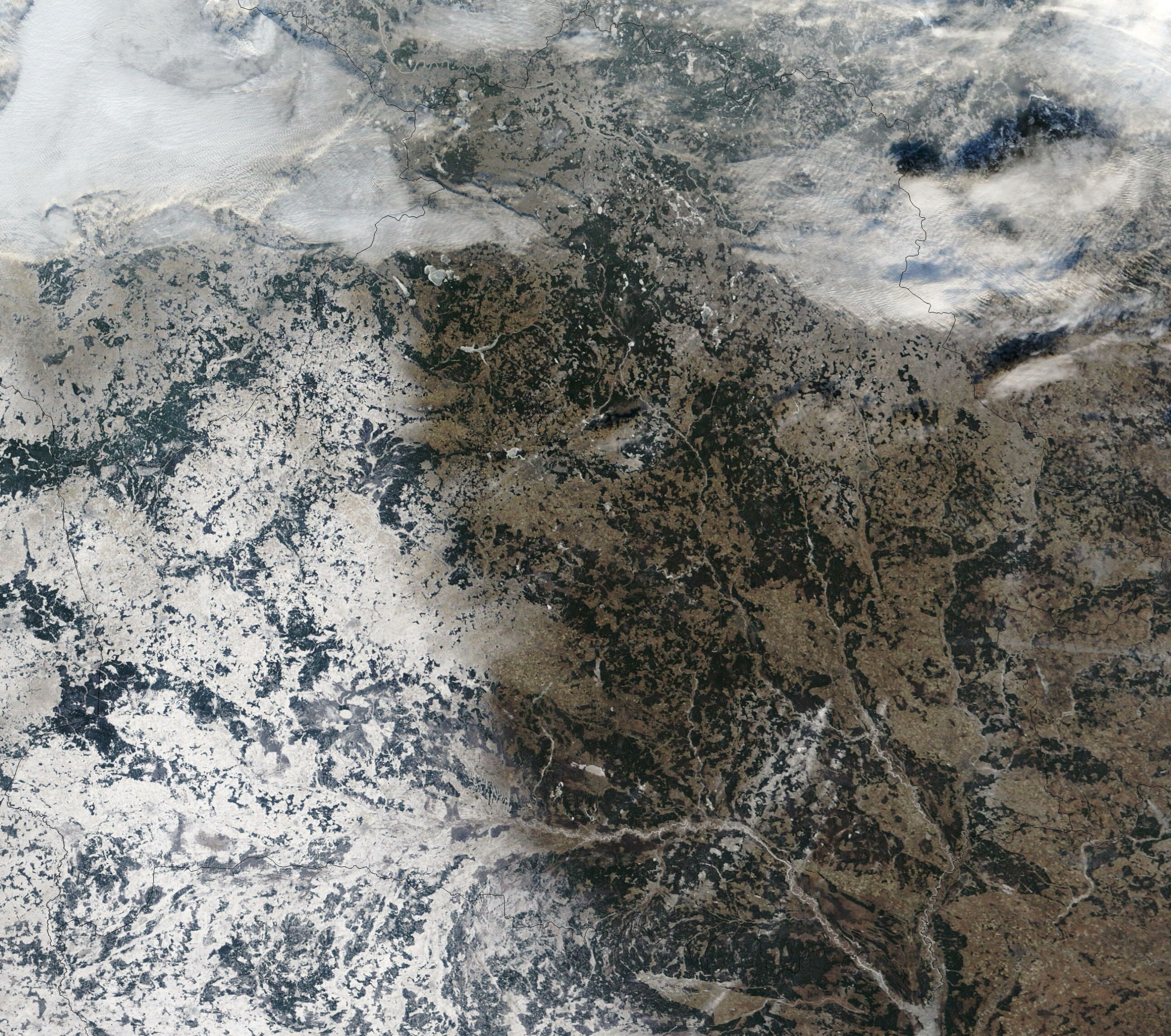
Migrants as Weapons: The Belarus-EU Border Crises
How should democratic governments react when authoritarian powers weaponize migration? Democratic governments must counter authoritarian regimes’ weaponization of migration by reinforcing legal frameworks, enhancing border management, fostering international cooperation, and investing in public resilience. This multifaceted strategy ensures the protection of human rights while effectively addressing coercive tactics.
-

Beyond the Massacre River
1. How has the Pittobert Canal project intensified long-standing border tensions between Haiti and the Dominican Republic?; 2. Despite the Canal being crucial for Haiti’s agriculture and sovereignty, the Dominican Republic sees is it as a violation of bilateral treaties of 1929 and a national security threat, leading to border closures, military responses, and mass…